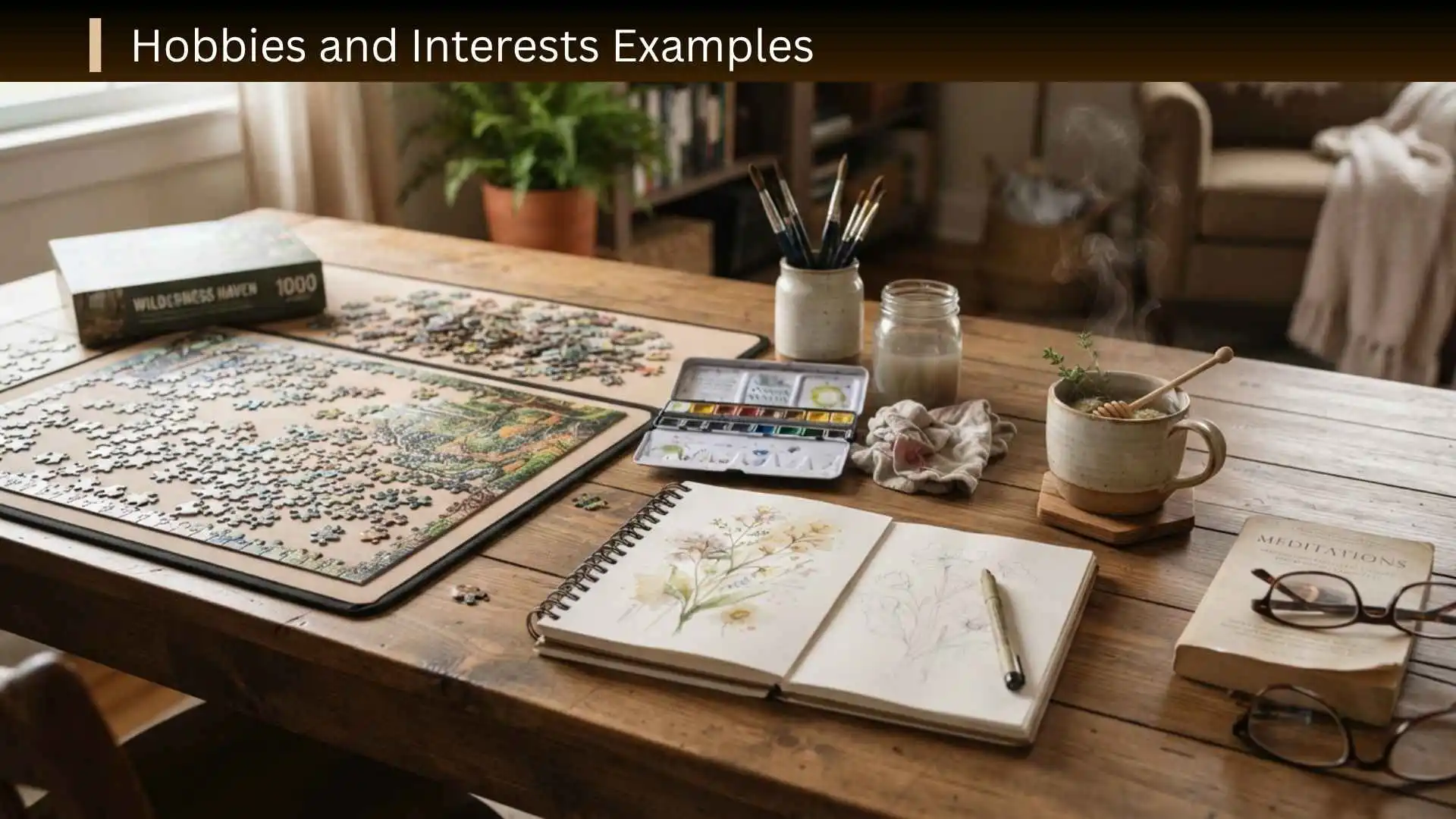
Have you ever wondered what your hobbies and interests say about you? I believe the activities you enjoy can reveal your personality, spark new ideas, and make everyday life more meaningful. Whether you love creating things, learning new skills, staying active, reading, traveling, or simply relaxing with a favorite activity, your interests can become an important part of who you are.
If you’re looking for examples of hobbies and interesting examples, you’re in the right place. You’ll discover practical ideas for different personalities, lifestyles, and goals, so you can find activities that genuinely excite you. You may even discover a new interest you’ve never considered before.
them naturally.
What Are Hobbies and Interests?

A hobby is an activity you regularly enjoy doing during your free time. Hobbies are often pursued for relaxation, enjoyment, creativity, learning, fitness, or personal fulfillment.
Examples include:
- Reading
- Gardening
- Photography
- Cooking
- Hiking
- Painting
- Playing an instrument
- Knitting
- Baking
- Cycling
An interest is a subject, activity, or area that you enjoy learning about or exploring. Unlike a hobby, an interest does not always involve regular participation.
For example, someone might have an interest in:
- History
- Technology
- Astronomy
- Psychology
- Travel
- Environmental issues
- Architecture
- Personal development
- Entrepreneurship
- Languages
The two terms overlap, which is why people often use the phrase “hobbies and interests” together.
What Are Good Hobbies and Interests Examples(Quick Answer)
Good examples include activities that genuinely reflect your personality or demonstrate useful qualities.
Some common examples are:
- Reading
- Writing
- Photography
- Traveling
- Cooking
- Baking
- Gardening
- Hiking
- Cycling
- Swimming
- Running
- Drawing
- Painting
- Playing music
- Volunteering
- Learning languages
- Blogging
- Crafting
- Fishing
- Board games
- Yoga
- Fitness training
- Birdwatching
- DIY projects
- Creative writing
The strongest choice is not necessarily the most impressive-sounding hobby. It is one you can describe honestly and, when appropriate, connect to your goals, skills, or personality.
100+ Hobbies and Interests Examples
The following list covers a wide range of interests, from creative and outdoor activities to intellectual pursuits, sports, technology, and social activities.
Creative Hobbies
Creative hobbies are excellent for people who enjoy making, designing, or expressing ideas.
Examples include:
- Drawing
- Painting
- Sketching
- Calligraphy
- Photography
- Graphic design
- Illustration
- Scrapbooking
- Origami
- Pottery
- Ceramics
- Jewelry making
- Woodworking
- Sewing
- Knitting
- Crocheting
- Embroidery
- Candle making
- Model building
- Creative writing
Creative interests can demonstrate imagination, patience, attention to detail, and a willingness to develop a skill over time.
Reading and Writing Hobbies
Reading and writing can be enjoyable hobbies while also supporting communication and critical-thinking skills.
Examples include:
- Reading fiction
- Reading nonfiction
- Reading biographies
- Reading history books
- Reading science books
- Poetry
- Journaling
- Blogging
- Short-story writing
- Writing essays
- Writing reviews
- Book collecting
- Book clubs
- Creative writing
- Researching interesting subjects
Instead of simply writing “reading,” you can make the interest more specific.
For example:
Reading historical nonfiction and biographies
This gives the reader more information about what interests you.
Outdoor Hobbies
Outdoor hobbies can appeal to people who enjoy nature, exploration, movement, and adventure.
Examples include:
- Hiking
- Camping
- Backpacking
- Fishing
- Birdwatching
- Gardening
- Nature photography
- Geocaching
- Kayaking
- Canoeing
- Cycling
- Rock climbing
- Stargazing
- Wildlife observation
- Walking
- Running outdoors
- Landscape photography
- Exploring local parks
- Backpacking trips
- Outdoor cooking
These activities can also reflect qualities such as curiosity, preparation, persistence, and appreciation for nature.
Sports and Fitness Hobbies
Sports and fitness interests are among the most common hobbies.
Examples include:
- Running
- Swimming
- Cycling
- Basketball
- Soccer
- Baseball
- Tennis
- Golf
- Volleyball
- Bowling
- Hiking
- Weight training
- Yoga
- Pilates
- Martial arts
- Dance
- Pickleball
- Skating
- Skiing
- Fitness classes
When describing a sport as a hobby, you can mention whether you participate recreationally, competitively, or as part of a community.
Intellectual Hobbies and Interests
Intellectual hobbies are activities centered on learning, discovery, analysis, or problem-solving.
Examples include:
- History
- Astronomy
- Psychology
- Philosophy
- Science
- Economics
- Current affairs
- Geography
- Archaeology
- Anthropology
- Mathematics
- Learning about technology
- Researching genealogy
- Learning about different cultures
- Studying architecture
- Learning about space exploration
- Puzzles
- Chess
- Strategy games
- Trivia
These interests can be particularly useful when you want to communicate curiosity and a commitment to learning.
Food and Cooking Hobbies
Food-related hobbies are practical, social, and easy to personalize.
Examples include:
- Cooking
- Baking
- Cake decorating
- Trying new recipes
- Meal planning
- Grilling
- Home gardening for cooking
- Coffee preparation
- Exploring different cuisines
- Food photography
- Recipe collecting
- Making homemade bread
- Fermenting foods
- Hosting dinner parties
A specific interest is usually more informative than a broad one. “Experimenting with vegetarian recipes” tells more about you than simply “food.”
Technology Hobbies
Technology can be both a professional interest and a recreational hobby.
Examples include:
- Coding
- Web design
- App development
- Robotics
- Electronics
- 3D printing
- Computer building
- Digital art
- Video editing
- Podcast production
- Learning software tools
- Game development
- Data visualization
- Technology research
- Photography editing
Only list technical activities that genuinely represent your experience or interest.
Music Related Hobbies
Music offers many possible hobbies for beginners and experienced enthusiasts.
Examples include:
- Playing guitar
- Playing piano
- Singing
- Songwriting
- Music production
- DJing
- Learning drums
- Listening to classical music
- Discovering new artists
- Attending concerts
- Collecting records
- Studying music history
- Learning music theory
Music-related hobbies can also show discipline because learning an instrument often requires regular practice.
Social and Community Hobbies
Some hobbies naturally involve meeting people and contributing to a community.
Examples include:
- Volunteering
- Community events
- Book clubs
- Neighborhood projects
- Mentoring
- Charity events
- Amateur theater
- Group fitness
- Sports leagues
- Community gardening
- Cultural organizations
- Local history groups
- Fundraising activities
These can be particularly meaningful when they reflect a genuine commitment to helping or connecting with others.
Hobbies and Interests Examples for a Resume
When hobbies and interests are included on a résumé, they should have a clear purpose.
You generally do not need a long list. A few relevant interests can provide additional context about you, especially when they demonstrate qualities that complement your professional profile.
Good Resume Examples
Consider interests such as:
- Volunteer work
- Photography
- Public speaking
- Running
- Mentoring
- Community involvement
- Creative writing
- Coding
- Reading industry-related books
- Learning foreign languages
- Team sports
- Leadership activities
For example:
Hobbies & Interests
- Photography, with a focus on landscapes and local events
- Recreational distance running
- Volunteer work at community events
- Reading books on technology and business
This is more useful than simply listing “sports, reading, music.”
Should You Put Hobbies on a Resume?
Not every résumé needs a hobbies section. It can be useful when the activity adds relevant context, helps demonstrate transferable qualities, or gives the employer a better understanding of you.
It is less useful when the section is simply a long list of unrelated activities.
A good rule is to ask:
Does this hobby add something useful to my application?
If the answer is no, you can usually leave it out.
Hobbies and Interests Examples for Students
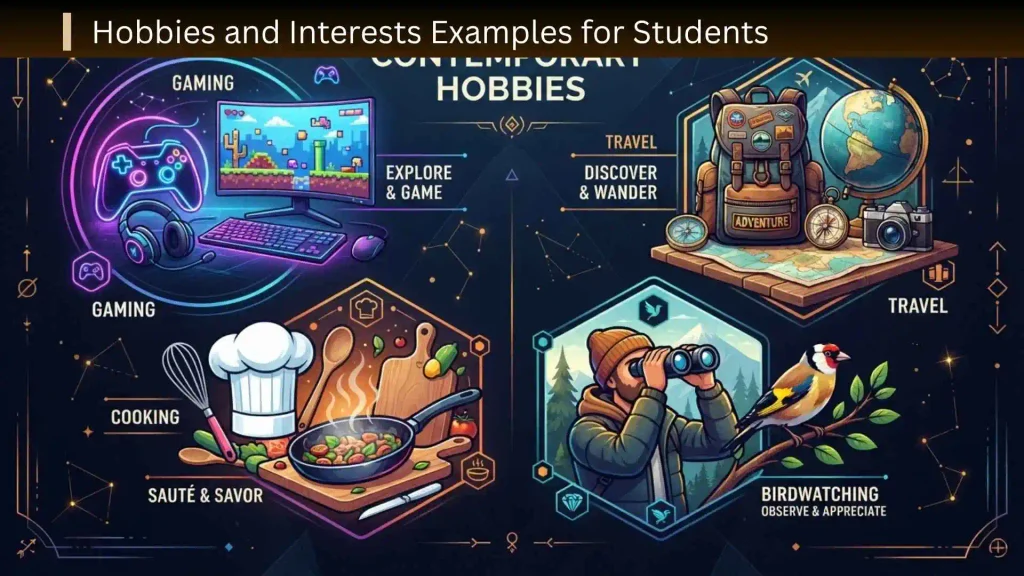
Students often have limited professional experience, so hobbies can help communicate interests, personality, and transferable skills.
Useful examples include:
- School clubs
- Sports
- Reading
- Creative writing
- Art
- Photography
- Coding
- Robotics
- Debate
- Chess
- Music
- Theater
- Volunteering
- Community service
- Student organizations
- Learning languages
- Science projects
- Gardening
- Cooking
- Podcasting
For example, instead of writing:
Hobbies: Technology
A student could write:
Interests: Learning basic programming, experimenting with web design, and exploring new technology tools.
That provides a much clearer picture.
Hobbies and Interests Examples for College Applications
College applications can benefit from specific and authentic interests, particularly when they help explain what motivates you.
Examples include:
- Creative writing
- Student journalism
- Debate
- Community volunteering
- Music
- Theater
- Sports
- Photography
- Research projects
- Environmental activities
- Coding
- Robotics
- Reading
- Art
- Cultural activities
- Language learning
- Entrepreneurship
- Gardening
The goal should not be to choose hobbies simply because they sound impressive. Genuine involvement is more meaningful than an exaggerated list.
Hobbies and Interests Examples for Job Applications
When a job application asks about hobbies, consider activities that reveal something relevant about your personality or working style.
Examples might include:
- Team sports
- Volunteering
- Public speaking
- Writing
- Photography
- Gardening
- Cooking
- Running
- Chess
- Community activities
- Learning languages
- DIY projects
- Technology projects
- Reading
- Music
For a customer-facing position, community involvement or team activities may provide useful context.
For a creative position, photography, illustration, writing, or design may be more relevant.
For a technical role, coding, electronics, robotics, or technology projects may be appropriate.
The connection should be genuine rather than forced.
Hobbies and Interests Examples for Interviews
Interviewers may ask about hobbies to learn more about you outside your professional experience.
A strong answer usually includes three parts:
- What you do
- Why you enjoy it
- What it means to you
For example:
“One of my main hobbies is photography. I particularly enjoy photographing landscapes because it gives me an opportunity to explore new places and pay attention to small details.”
This is stronger than:
“I like photography.”
The first answer creates an opportunity for a natural conversation.
Professional Hobbies and Interests Examples
Some hobbies can demonstrate professional qualities without being directly related to a person’s occupation.
Examples include:
| Hobby | Possible quality it can suggest |
| Team sports | Collaboration |
| Running | Discipline and consistency |
| Photography | Observation and creativity |
| Writing | Communication |
| Chess | Strategic thinking |
| Volunteering | Community involvement |
| Gardening | Patience |
| Coding | Problem-solving |
| Music | Practice and persistence |
| Public speaking | Communication and confidence |
| Cooking | Organization and creativity |
| Hiking | Planning and perseverance |
These are possible connections, not automatic personality traits. Someone who enjoys chess is not necessarily a better strategist at work, for example. The value comes from how you actually engage with the activity.
Hobbies That Can Demonstrate Creativity
If you want to highlight creativity, consider hobbies such as:
- Painting
- Drawing
- Photography
- Writing
- Music
- Graphic design
- Pottery
- Sewing
- Woodworking
- Crafting
- Cooking
- Cake decorating
- Video production
- Digital art
The best example is one you can explain with some detail.
Hobbies That Can Demonstrate Leadership
Leadership does not come from simply naming a hobby. However, certain activities can provide opportunities to demonstrate leadership when you take responsibility within them.
Examples include:
- Coaching youth sports
- Organizing community events
- Leading a club
- Organizing volunteer projects
- Running a community group
- Managing a hobby-related project
- Mentoring others
- Organizing fundraisers
- Leading a team activity
For example, “sports” is broad, while “organizing a local recreational soccer team” communicates more involvement.
Hobbies That Can Demonstrate Patience and Persistence
Some hobbies require repeated practice and gradual improvement.
Examples include:
- Gardening
- Learning an instrument
- Knitting
- Painting
- Woodworking
- Running
- Learning a language
- Chess
- Puzzles
- Model building
- Photography
- Baking
- Pottery
Again, the important factor is your actual involvement rather than the hobby’s reputation.
Hobbies That Can Help You Meet New People
If you want a hobby that encourages social connection, consider:
- Book clubs
- Recreational sports
- Dance classes
- Volunteering
- Community gardening
- Amateur theater
- Hiking groups
- Photography clubs
- Board-game groups
- Cooking classes
- Language groups
- Local cultural events
Group-based hobbies can make it easier to build friendships around a shared interest.
Hobbies You Can Do at Home
Not every hobby requires expensive equipment or travel.
Affordable or home-based options include:
- Reading
- Writing
- Drawing
- Painting
- Journaling
- Cooking
- Baking
- Gardening
- Knitting
- Crocheting
- Puzzles
- Chess
- Board games
- Learning a language
- Online courses
- Digital art
- Photography
- Music practice
- DIY projects
Many of these can be started with equipment you already have.
Low Cost Hobbies and Interests
If budget is an important consideration, try activities that require little specialized equipment.
Examples include:
- Walking
- Reading
- Writing
- Journaling
- Drawing
- Hiking
- Birdwatching
- Gardening from seeds
- Learning a language
- Meditation
- Puzzles
- Creative writing
- Cooking
- Photography with a smartphone
- Volunteering
- Stargazing
Libraries, community organizations, parks, and free educational resources can also provide ways to explore interests without making a large investment.
Hobbies for Adults Looking for Something New
If your goal is simply to find a new hobby, start with the kind of experience you want rather than choosing an activity randomly.
For relaxation
Try:
- Gardening
- Reading
- Painting
- Coloring
- Knitting
- Walking
- Photography
- Journaling
For exercise
Try:
- Hiking
- Running
- Cycling
- Swimming
- Dancing
- Yoga
- Pickleball
- Recreational sports
For learning
Try:
- Language learning
- Astronomy
- History
- Coding
- Cooking
- Music
- Creative writing
- Genealogy
For meeting people
Try:
- Sports leagues
- Book clubs
- Volunteering
- Dance classes
- Community groups
- Board-game groups
- Photography clubs
For creativity
Try:
- Drawing
- Painting
- Photography
- Writing
- Pottery
- Sewing
- Woodworking
- Music
How to Choose the Right Hobby
If you are unsure what hobby fits you, consider five questions.
1. What do you naturally enjoy?
Think about activities you already find interesting. Your existing interests are often the easiest starting point.
2. Do you want to be active or relaxed?
If you want movement, consider hiking, cycling, swimming, sports, or dance.
If you want something quieter, consider reading, writing, drawing, puzzles, or crafts.
3. Do you prefer individual or social activities?
Individual hobbies include:
- Reading
- Writing
- Drawing
- Gardening
- Photography
Social hobbies include:
- Team sports
- Volunteering
- Book clubs
- Dance
- Community activities
4. Do you want to create or learn?
Creating might lead you toward painting, woodworking, writing, cooking, or music.
Learning might lead you toward languages, history, astronomy, coding, or science.
5. How much time and money can you invest?
A hobby should fit realistically into your life. You do not need expensive equipment or several hours every day to develop a meaningful interest.
How to Describe Hobbies and Interests Effectively
A common mistake is using vague descriptions.
Instead of:
Sports
Try:
Recreational tennis and weekend hiking
Instead of:
Music
Try:
Playing acoustic guitar and exploring independent music
Instead of:
Reading
Try:
Reading historical nonfiction and biographies
Instead of:
Cooking
Try:
Experimenting with international recipes and homemade bread
Specific descriptions are easier to understand and create opportunities for conversation.
Hobbies vs. Interests: What’s the Difference?
Although the terms are often used together, there is a small distinction.
| Hobbies | Interests |
| Usually involve active participation | May involve learning or following a subject |
| Often done regularly | May be occasional |
| Usually recreational | Can be personal, academic, or professional |
| Example: gardening | Example: environmental science |
| Example: playing guitar | Example: music history |
| Example: hiking | Example: geography |
There is no strict rule separating the two. An activity can be both a hobby and an interest.
For example, someone can have an interest in photography before turning it into a regular photography hobby.
What Hobbies Should You Avoid Listing?
There is no universal list of “bad” hobbies. Context matters.
However, when completing a professional application, avoid including activities that:
- Are not actually your interests
- You cannot discuss honestly
- Are irrelevant and take up unnecessary space
- Could create an avoidable distraction
- Are described so vaguely that they provide no useful information
You should also avoid exaggerating your involvement. If you occasionally play chess with friends, calling yourself a competitive chess player could create problems if someone asks about your experience.
How Many Hobbies Should You List?
There is no single correct number.
For a résumé or application, a short selection of relevant interests is usually better than a long list. Choose activities that add meaningful information about you.
For a personal profile or introduction, you can include more interests if they help people understand your personality.
Quality and specificity matter more than quantity.
Frequently Asked Questions
What are some good hobbies and interesting examples?
Popular examples include reading, photography, hiking, cooking, gardening, writing, painting, music, sports, volunteering, coding, traveling, learning languages, and creative crafts.
What are the best hobbies to put on a resume?
The best hobbies for a résumé are genuine activities that add relevant context to your application. Examples include volunteering, team sports, photography, writing, coding, mentoring, public speaking, and community involvement.
What are good hobbies for students?
Students can list sports, reading, music, art, coding, robotics, debate, writing, volunteering, school clubs, photography, language learning, and community activities.
What are examples of hobbies for an interview?
You might discuss reading, photography, cooking, running, hiking, music, gardening, volunteering, sports, or learning a new skill. Choose something genuine that you can comfortably discuss.
What is the difference between a hobby and an interest?
A hobby is generally an activity you actively pursue in your free time, while an interest can be a subject or topic you enjoy learning about or following. The two categories often overlap.
Are hobbies important on a resume?
Hobbies are optional on many résumés. They can be useful when they add relevant context or demonstrate meaningful involvement, but they should not replace more important information such as experience, education, skills, or accomplishments.
What are some unique hobbies and interests?
Less common possibilities include geocaching, genealogy, astronomy, amateur radio, model building, calligraphy, birdwatching, pottery, woodworking, urban sketching, and collecting maps or historical materials.
What are good hobbies for people who want to meet others?
Group activities such as recreational sports, book clubs, volunteering, dance classes, community gardening, photography groups, and board-game groups can provide natural opportunities to interact with people who share similar interests.
How do I describe my hobbies professionally?
Be specific, honest, and concise. Instead of writing only “reading,” explain what you enjoy reading. Instead of “sports,” identify the activity you actually participate in. Specific details make your interests more meaningful.
Conclusion
The best hobbies and interests examples are not necessarily unusual or impressive. They are activities that genuinely reflect who you are, what you enjoy, or what you are motivated to learn.
For a résumé or job application, choose a small number of relevant interests and describe them specifically. For school or college applications, focus on authentic involvement and activities that help explain your interests and experiences. If you are simply looking for a new hobby, start with your goals—whether you want to be creative, active, social, relaxed, or curious—and choose an activity that fits your lifestyle.
Most importantly, you do not need an extraordinary hobby to have an interesting profile. A genuine interest pursued consistently can say far more about you than a long list of activities chosen simply to sound impressive.

I’m James Anderson, a dedicated writer and lifelong learner who enjoys researching topics and explaining them in a practical way. Through my work at Cognivoora, I aim to give readers reliable, easy-to-follow information that helps them learn something new. I always try to keep my writing natural, useful, and focused on the questions readers actually have.
Books:
- A Practical Guide to Better Thinking
- Questions Worth Asking