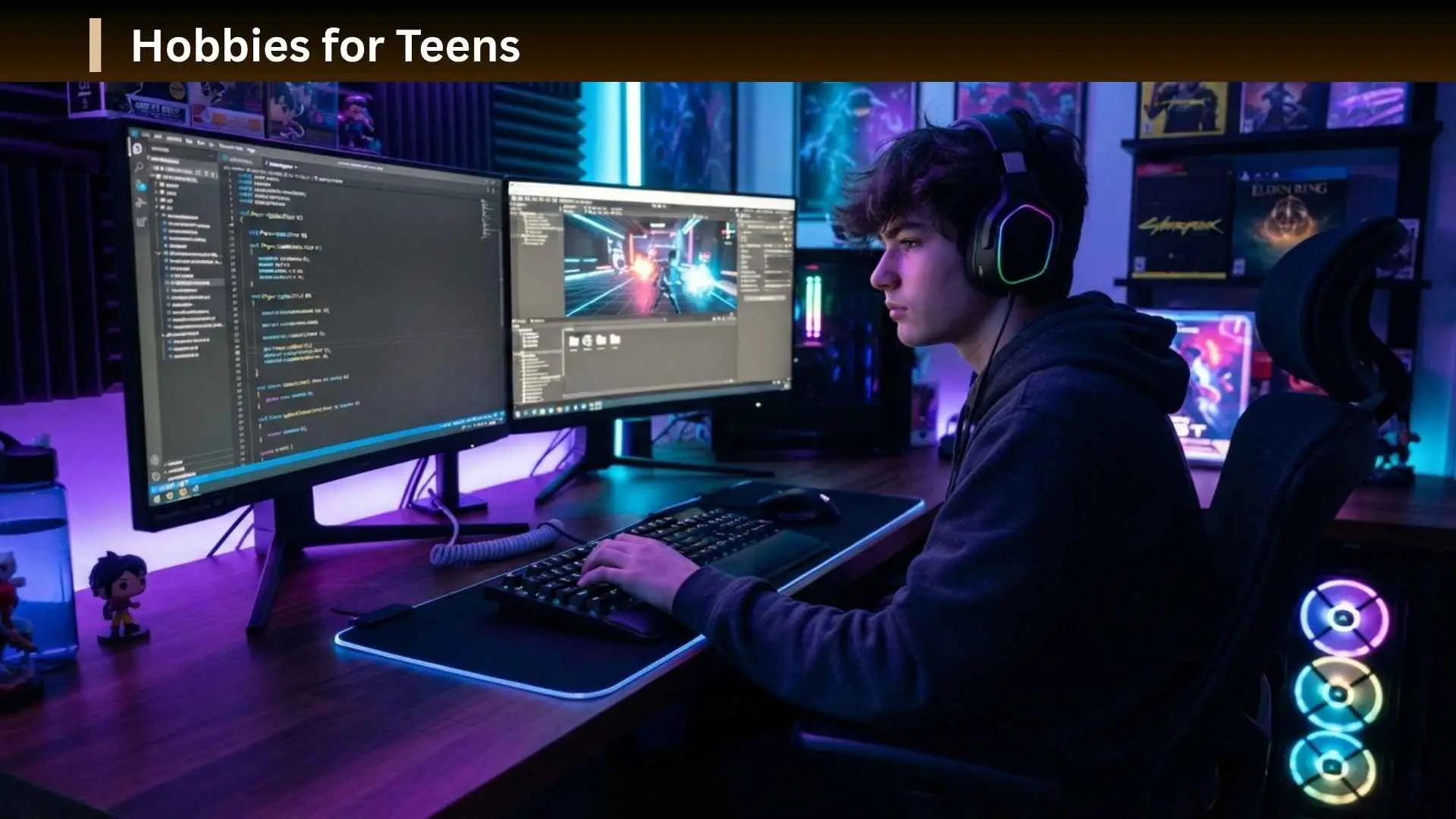
Teen years are a good time to explore interests outside school, sports, and social media. The best hobbies for teens do not have to be expensive, competitive, or especially productive. A good hobby can simply give a teenager something enjoyable to look forward to while helping them discover what they like.
Whether a teen prefers creative projects, technology, the outdoors, music, fitness, reading, or learning practical skills, there are plenty of options to try.
What Are Good Hobbies for Teens?
Good hobbies for teens are activities that match their interests, available time, budget, and personality. Some hobbies are relaxing, while others build practical skills, encourage creativity, provide exercise, or create opportunities to connect with other people.
Here are some of the best categories to explore:
- Creative hobbies
- Outdoor hobbies
- Sports and active hobbies
- Technology-related hobbies
- Music hobbies
- Reading and writing
- Cooking and baking
- Crafts and DIY projects
- Collecting hobbies
- Skill-building hobbies
- Social hobbies
- Quiet hobbies for relaxation
The right choice is less about finding the “best” hobby and more about finding an activity a teen genuinely wants to continue.
50 Hobbies for Teens to Try

1. Drawing
Drawing is an accessible creative hobby that can be practiced almost anywhere. Teens can start with pencils and paper and gradually explore sketching, illustration, character design, or digital drawing.
What you need: Paper and pencils
Difficulty: Beginner-friendly
Cost: Low
2. Painting
Painting lets teens experiment with color, composition, and different artistic techniques. Watercolor, acrylic, and gouache can all provide different experiences.
What you need: Paint, brushes, paper or canvas
Difficulty: Beginner to intermediate
Cost: Low to moderate
3. Photography
Photography encourages teens to pay attention to details they might normally overlook. A smartphone can be enough to begin learning composition, lighting, perspective, and editing.
What you need: Smartphone or camera
Difficulty: Beginner-friendly
Cost: Free to moderate
4. Creative Writing
Writing stories, poems, personal essays, or fictional characters can be a rewarding way to express ideas and imagination.
Teens can keep a notebook, write short stories, participate in writing communities, or simply create stories for themselves.
5. Journaling
Journaling is a simple hobby that can involve recording daily experiences, ideas, goals, observations, or creative thoughts. It requires very little equipment and can be adapted to different writing styles.
6. Reading
Reading is a flexible hobby because teens can choose books based on their interests rather than treating reading like schoolwork.
Possible genres include:
- Fantasy
- Mystery
- Science fiction
- Historical fiction
- Biography
- Adventure
- Graphic novels
- Nonfiction
- Young adult fiction
7. Learning an Instrument
Learning guitar, piano, drums, ukulele, violin, or another instrument gives teens a long-term skill to develop.
The beginning can feel challenging, so choosing an instrument that genuinely interests the teen can make regular practice easier.
8. Singing
Singing can be practiced privately or as part of a choir, school group, or community activity. Teens interested in music can also learn about vocal technique and music theory.
9. Songwriting
For teens who enjoy music and writing, songwriting combines both interests. They can experiment with lyrics, melodies, rhythms, and simple recordings.
10. Dancing
Dance provides a creative way to stay active. Teens can explore styles such as hip-hop, ballet, jazz, contemporary, tap, ballroom, or cultural dance.
11. Cooking
Cooking is both a hobby and a practical life skill. Teens can start with simple meals and gradually learn techniques such as chopping, sautéing, baking, seasoning, and meal planning.
12. Baking
Baking can be especially appealing to teens who enjoy following recipes and creating something they can share.
Beginner projects might include:
- Cookies
- Brownies
- Muffins
- Bread
- Cupcakes
- Simple cakes
13. Gardening
Gardening gives teens an opportunity to learn about plants, soil, watering, seasons, and responsibility. Even without a large yard, container gardening can work in many settings.
14. Indoor Gardening
Growing herbs or small plants indoors is an option for teens who do not have access to a garden.
Easy projects can include growing herbs in containers or caring for low-maintenance houseplants.
15. Hiking
Hiking combines outdoor exploration with physical activity. Teens can explore local trails with appropriate supervision and preparation.
Important considerations include weather, trail difficulty, footwear, water, navigation, and local safety rules.
16. Cycling
Cycling can be recreational, social, or fitness-oriented. Teens can ride around appropriate local routes, parks, or designated bike paths.
A properly fitted helmet and attention to local traffic and cycling rules are important.
17. Skateboarding
Skateboarding offers a combination of movement, balance, coordination, and skill progression. Beginners should start with basic balance and stopping techniques and use appropriate protective equipment.
18. Roller Skating
Roller skating can be practiced at skating rinks, suitable outdoor areas, or other locations where skating is permitted.
It can also become a social hobby when friends participate together.
19. Swimming
Swimming can be recreational or skill-focused. Teens can work on technique, endurance, or different swimming strokes.
Swimming should always take place in an appropriate supervised environment when necessary.
20. Running
Running is a straightforward hobby because it requires relatively little equipment. Teens can begin with comfortable distances and gradually develop endurance.
21. Walking and Nature Exploration
Not every active hobby needs to be intense. Walking through parks, observing nature, or exploring local areas can provide a low-pressure way to spend time outdoors.
22. Birdwatching
Birdwatching encourages observation and patience. Teens can learn to identify birds by appearance, behavior, habitat, and calls.
A notebook or bird-identification app can make the activity more engaging.
23. Stargazing
Stargazing can turn an ordinary evening into an opportunity to learn about the night sky. Teens can begin by identifying bright stars, planets when visible, and major constellations.
24. Geocaching
Geocaching combines outdoor exploration with a treasure-hunt-style activity. Participants use GPS-enabled devices to locate hidden containers or designated locations.
Teens should follow the rules of the specific geocaching activity and stay within appropriate areas.
25. Fishing
Fishing can teach patience, observation, and basic outdoor skills. Regulations vary by location, so teens and families should check local requirements before fishing.
26. Camping
Camping can help teens develop practical outdoor skills such as setting up a tent, organizing equipment, preparing food safely, and understanding basic outdoor etiquette.
27. Knitting
Knitting is a quiet craft that allows teens to create useful or decorative objects while learning patterns and techniques.
Beginner projects can include scarves, simple headbands, or small accessories.
28. Crochet
Crochet uses a hook and yarn to create everything from simple squares to blankets, accessories, and decorative items.
It is relatively portable, making it convenient for practicing at home or during appropriate free time.
29. Sewing
Sewing can develop practical skills while allowing teens to customize or create clothing and accessories.
Beginners can start with hand sewing before progressing to a sewing machine.
30. Embroidery
Embroidery is a creative textile hobby involving decorative stitches. Teens can personalize fabric items, make artwork, or experiment with different patterns.
31. Jewelry Making
Making bracelets, necklaces, keychains, or other accessories can be an inexpensive creative project.
Teens can experiment with beads, cords, charms, and different designs.
32. Origami
Origami turns sheets of paper into decorative or functional forms through folding. It is inexpensive and easy to practice indoors.
Projects range from simple beginner shapes to complex models.
33. Model Building
Model building can include cars, aircraft, ships, architecture, miniatures, or other subjects.
It can appeal to teens who enjoy detailed work and hands-on projects.
34. LEGO Building
Building with LEGO or similar construction systems allows teens to follow instructions or create original designs.
Older teens may enjoy designing larger structures, vehicles, mechanisms, or miniature environments.
35. DIY Crafts
DIY projects can include decorating rooms, making organizers, customizing accessories, or repurposing household materials.
The best projects are those that match the teen’s actual interests rather than simply following trends.
36. Scrapbooking
Scrapbooking combines photographs, paper, writing, decoration, and personal memories. Teens can create themed pages around trips, friendships, school activities, hobbies, or special events.
37. Digital Art
Digital art introduces teens to illustration software, digital brushes, layers, typography, and visual composition.
A tablet is useful but not always necessary; beginners can explore basic digital drawing tools on devices they already have.
38. Video Editing
Teens interested in filmmaking, social media, storytelling, or technology may enjoy learning video editing.
They can practice by editing:
- Short fictional scenes
- Family-approved travel footage
- School projects
- Stop-motion videos
- Nature footage
- Creative montages
39. Coding
Coding can turn an interest in computers into a practical skill. Beginners can start with visual programming environments before moving into languages such as Python, JavaScript, or others.
Small projects are often more approachable than trying to learn everything at once.
40. Robotics
Robotics combines programming, electronics, engineering, and problem-solving. Teens can explore beginner kits or structured educational projects.
This can be particularly interesting for teens who enjoy building things and figuring out how systems work.
41. Game Development
Teens who enjoy video games may enjoy learning how games are designed and built.
They can explore game mechanics, level design, storytelling, programming, animation, and sound.
42. Graphic Design
Graphic design introduces concepts such as typography, layout, color, branding, and visual communication.
Teens can practice by creating posters, invitations, fictional logos, or other personal projects.
43. Chess
Chess is a strategic hobby that can be played casually or competitively. Teens can learn the basic rules, practice puzzles, play against friends, or participate in organized games.
44. Puzzles
Jigsaw puzzles, logic puzzles, word puzzles, and number puzzles offer different kinds of mental challenges.
They can also work well as short activities when a teen does not want to commit to a longer project.
45. Collecting
Collecting can turn an ordinary interest into an organized hobby. Teens might collect stamps, coins, rocks, postcards, trading cards, books, or other appropriate objects.
The key is to establish a reasonable budget and avoid letting collecting become an unnecessary financial burden.
46. Volunteering
Volunteering can become a meaningful regular activity when a teen finds a cause or organization they genuinely care about.
Depending on age and local requirements, opportunities may include community events, animal-related organizations, environmental projects, libraries, or other community programs.
47. Learning a New Language
Learning another language can be approached through books, apps, classes, conversation practice, music, films, and other resources.
A teen does not need to become fluent immediately. Consistent small amounts of practice can make the hobby more manageable.
48. Magic and Card Tricks
Learning card tricks, simple illusions, and performance techniques can be an entertaining hobby for teens who enjoy performing or surprising friends.
It also provides opportunities to practice presentation and coordination.
49. Creative Cooking Experiments
Beyond following recipes, teens can turn cooking into an experimentation hobby by learning how ingredients affect flavor, texture, and appearance.
For example, they can compare different ways of preparing the same ingredient or develop their own version of a familiar dish.
50. Learning Practical Skills
Practical hobbies can include woodworking, basic sewing repairs, bicycle maintenance, electronics, home organization, or other age-appropriate skills.
These activities can be particularly rewarding because the result is something useful rather than purely decorative.
Best Hobbies for Teens Based on Personality

Different personalities often gravitate toward different types of activities. This is not a strict rule, but it can make choosing a hobby easier.
| If a teen enjoys… | Hobbies to consider |
| Creativity | Drawing, painting, photography, writing, crafts |
| Technology | Coding, robotics, game development, video editing |
| Being outdoors | Hiking, gardening, cycling, birdwatching |
| Music | Singing, guitar, piano, songwriting |
| Quiet activities | Reading, journaling, knitting, puzzles |
| Competition | Chess, sports, gaming, debate |
| Building things | LEGO, models, robotics, woodworking |
| Helping others | Volunteering, community projects |
| Food | Cooking, baking, recipe development |
| Performing | Dancing, theater, singing, magic |
A teen does not have to fit neatly into one category. Combining two interests can produce a more engaging hobby—for example, photography and hiking, coding and game design, or cooking and photography.
Best Cheap Hobbies for Teens
A hobby does not need a large budget. Some of the easiest low-cost options include:
- Drawing
- Creative writing
- Reading
- Journaling
- Walking
- Photography with a smartphone
- Origami
- Birdwatching
- Stargazing
- Chess
- Puzzles
- Gardening from seeds
- Digital art using available software
- Learning a language
- Cooking with ingredients already at home
Before buying specialized equipment, it is usually sensible to try the basic version of a hobby first. This helps determine whether the teen actually enjoys it.
Best Indoor Hobbies for Teens
Indoor hobbies are useful when weather, transportation, space, or other circumstances make outdoor activities difficult.
Good options include:
- Reading
- Drawing
- Painting
- Writing
- Baking
- Cooking
- Knitting
- Crochet
- Origami
- Chess
- Puzzles
- Coding
- Digital art
- Video editing
- Model building
- Music
- Learning a language
Some hobbies, such as photography or gardening, can also be adapted for indoor spaces.
Best Outdoor Hobbies for Teens
For teens who prefer getting outside, consider:
- Hiking
- Cycling
- Gardening
- Birdwatching
- Fishing
- Camping
- Running
- Walking
- Stargazing
- Geocaching
- Outdoor photography
- Nature observation
- Skateboarding
- Roller skating
Outdoor hobbies should be matched to the teen’s experience level, location, weather, equipment, and appropriate supervision.
How to Choose the Right Hobby for a Teen
Choosing a hobby should not feel like another school assignment. A few questions can help narrow the choices.
Start With Existing Interests
Think about what the teen already enjoys.
Someone who spends hours drawing characters might enjoy illustration or animation. Someone who likes taking things apart might prefer electronics, robotics, or mechanical projects.
Consider the Available Time
Some hobbies require regular practice, while others can be picked up whenever there is free time.
For a busy student, reading, drawing, photography, or puzzles may be easier to fit into a schedule than an activity requiring frequent travel or lengthy sessions.
Consider the Budget
Start with what is already available.
A smartphone can support photography and video projects. Paper can support drawing and origami. A library can provide access to books. A kitchen can provide opportunities to learn basic cooking.
Let the Teen Choose
A hobby is more likely to remain enjoyable when the teenager has genuine ownership over the decision.
Parents, guardians, and teachers can suggest options, but the teen should have room to decide what interests them.
Allow Experimentation
The first hobby does not have to be permanent.
Trying photography for a few weeks and then moving to cooking or coding is not necessarily failure. Exploring different interests is part of discovering personal preferences.
How to Make a Hobby Stick
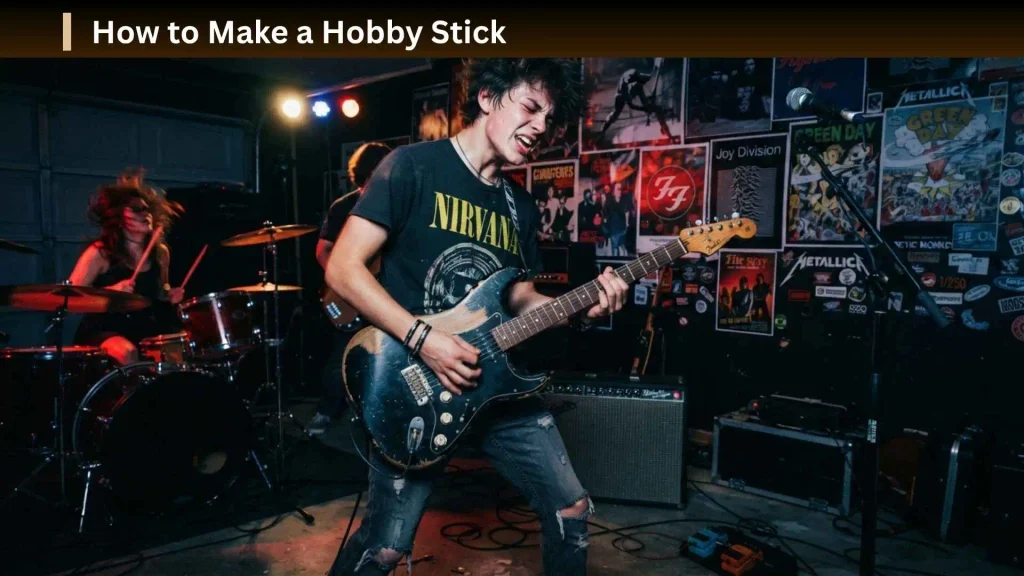
Starting a hobby is easy; maintaining interest can be harder.
Keep the First Goal Small
Instead of setting a large goal, start with something achievable.
For example:
- Read one chapter
- Draw for 20 minutes
- Learn one song section
- Complete one small craft
- Cook one simple recipe
- Take five interesting photographs
Small projects provide a clear sense of progress without creating unnecessary pressure.
Focus on Progress Rather Than Perfection
Beginners are naturally going to make mistakes. A teen learning guitar will not sound like an experienced musician immediately, and a beginner artist will not produce professional-level artwork on the first attempt.
Improvement is easier to recognize when the activity is practiced consistently.
Connect the Hobby With Other Interests
Combining interests can make a hobby more engaging.
Examples include:
- Hiking + photography
- Cooking + writing
- Coding + gaming
- Gardening + photography
- Reading + creative writing
- Music + video editing
- Drawing + storytelling
Share the Hobby When Appropriate
Some teens enjoy hobbies more when they can share their work with friends, family, clubs, classes, or communities.
Sharing should remain optional. A hobby can be completely private if that is what makes it enjoyable.
Hobbies for Teens That Can Build Useful Skills
Many hobbies naturally develop skills that can be useful beyond the hobby itself.
| Hobby | Skills it can develop |
| Cooking | Planning, measuring, food preparation |
| Coding | Logic, problem-solving, computational thinking |
| Photography | Observation, composition, visual communication |
| Writing | Communication, storytelling, editing |
| Gardening | Planning, patience, plant care |
| Sewing | Precision, design, practical repair |
| Music | Practice, coordination, musical understanding |
| Chess | Strategy, planning, concentration |
| Volunteering | Communication, teamwork, responsibility |
| Video editing | Storytelling, organization, technical skills |
A hobby does not have to be chosen solely because it looks useful on a résumé. Enjoyment matters too.
Common Mistakes to Avoid When Choosing a Teen Hobby
Choosing a Hobby Only Because It Looks Impressive
A hobby becomes difficult to sustain when the teenager has no real interest in it.
Buying Too Much Equipment Too Soon
Expensive equipment is rarely necessary for a beginner. Start with basic supplies and upgrade only when the teen has developed a genuine interest.
Turning Every Hobby Into a Competition
Competitions can be motivating for some teens, but others may prefer creative exploration or relaxation. The purpose of a hobby can simply be enjoyment.
Expecting Immediate Skill
Most worthwhile hobbies involve a learning curve. Give the teen enough time to become comfortable with the basics before deciding whether the hobby is a good fit.
Ignoring the Teen’s Schedule
A hobby should fit realistically alongside school, family responsibilities, sleep, and other commitments.
Frequently Asked Questions
What are the best hobbies for teens?
Some popular choices include drawing, photography, reading, writing, music, cooking, baking, coding, gaming-related creative projects, hiking, gardening, crafts, sports, chess, and volunteering. The best hobby depends on the teen’s interests, personality, budget, and available time.
What are some hobbies for teens that cost little or no money?
Reading through a library, writing, drawing with basic supplies, walking, nature observation, photography with a smartphone, journaling, origami, chess, and learning a language can all be started inexpensively or with resources already available.
What are good indoor hobbies for teens?
Reading, drawing, painting, writing, cooking, baking, knitting, crochet, puzzles, chess, coding, digital art, video editing, model building, music, and language learning are all suitable indoor options.
What are good outdoor hobbies for teens?
Hiking, cycling, gardening, birdwatching, fishing, camping, running, photography, geocaching, stargazing, skateboarding, and nature exploration are possibilities.
What hobbies are good for creative teens?
Creative teens may enjoy drawing, painting, photography, creative writing, filmmaking, music, songwriting, digital art, graphic design, crafts, sewing, embroidery, jewelry making, and model building.
Can hobbies help teens learn useful skills?
Yes. Many hobbies naturally involve skills such as communication, planning, problem-solving, creativity, patience, coordination, organization, technical knowledge, and practical decision-making.
How many hobbies should a teenager have?
There is no ideal number. One meaningful hobby can be enough, while another teen may enjoy several activities. The important consideration is whether the activities remain enjoyable and manageable alongside other responsibilities.
What if a teen keeps losing interest in hobbies?
That can be normal. Trying different activities can help a teenager discover what genuinely interests them. Instead of forcing a long-term commitment, allow room for experimentation while encouraging the teen to give each new activity enough time to understand whether they enjoy it.
Conclusion
The best hobbies for teens are not necessarily the most expensive, impressive, or productive. They are activities that give teenagers a reason to explore, create, learn, move, think, or simply enjoy their free time.
A teen might discover a passion through something as simple as drawing, reading, cooking, gardening, photography, coding, music, or spending time outdoors. Starting small, choosing based on genuine interest, and allowing room to experiment can make the process much more enjoyable.

I’m Olivia Bennett, a passionate writer who loves exploring ideas, learning new concepts, and sharing knowledge in a straightforward way. I write for Cognivoora with the goal of making useful topics easier to understand without unnecessary complexity. My approach combines research, clarity, and a reader-first perspective.
Books:
- Think Clearly, Live Better
- The Curious Reader’s Guide