I believe the right hobby can add something special to your everyday life. Whether you want to relax after a busy day, learn a useful skill, express your creativity, or simply have more fun, good hobbies give you a reason to make time for yourself. You don’t need to be an expert or spend a lot of money to get started.
If you’re wondering which hobby is right for you, you’re in the right place. In this guide, I’ll help you explore a variety of good hobbies for different interests, personalities, and lifestyles. You may discover something you’ve always wanted to try or find a new activity that turns your free time into something you genuinely look forward to.
What Makes a Hobby a Good Hobby?
A good hobby does not have to be impressive, expensive, or productive. It should give you a reason to spend your free time on something you find worthwhile.
Useful factors to consider include:
- Interest: You should have at least some curiosity about the activity.
- Accessibility: You should be able to start without unreasonable barriers.
- Time commitment: The hobby should fit your available schedule.
- Cost: You should be comfortable with the ongoing expense, if any.
- Learning curve: Some people enjoy challenging skills, while others want something immediately accessible.
- Environment: Consider whether you prefer indoor, outdoor, quiet, or social activities.
- Personal goals: You may want relaxation, creativity, exercise, learning, social connection, or practical skills.
- Sustainability: The best hobby is usually one you can realistically continue rather than something you try once.
There is no universal list of “best” hobbies. The right hobby is the one that matches what you want your free time to feel like.
50+ Good Hobbies to Try
1. Reading
Reading is a flexible hobby because you can choose virtually any subject that interests you. Fiction can provide entertainment and immersive storytelling, while nonfiction can help you explore history, science, business, biographies, or other subjects.
You can start with physical books, ebooks, or audiobooks. A library can also make reading inexpensive or free.
Best for: Quiet time, learning, storytelling, and solo activities.
2. Photography
Photography turns everyday surroundings into opportunities to practice observation and creativity. You can begin with a smartphone rather than buying specialized equipment.
As you improve, you can explore portrait photography, landscapes, architecture, wildlife, street photography, or nature photography.
Best for: Creative people who enjoy visual storytelling and exploring their surroundings.
3. Gardening
Gardening involves growing and caring for plants, whether in a backyard, community garden, raised bed, or containers.
It can be adapted to the space you have. Beginners can start with a few herbs or easy-to-grow plants rather than attempting a large garden immediately.
Best for: People who enjoy nature, hands-on activities, and watching something develop over time.
4. Cooking
Cooking is both a hobby and a practical life skill. Instead of simply following recipes, you can gradually learn how ingredients interact, how cooking methods affect food, and how to adjust dishes to your preferences.
You can specialize in areas such as baking, international cuisine, grilling, vegetarian cooking, or homemade sauces.
Best for: People who enjoy experimentation and practical skills.
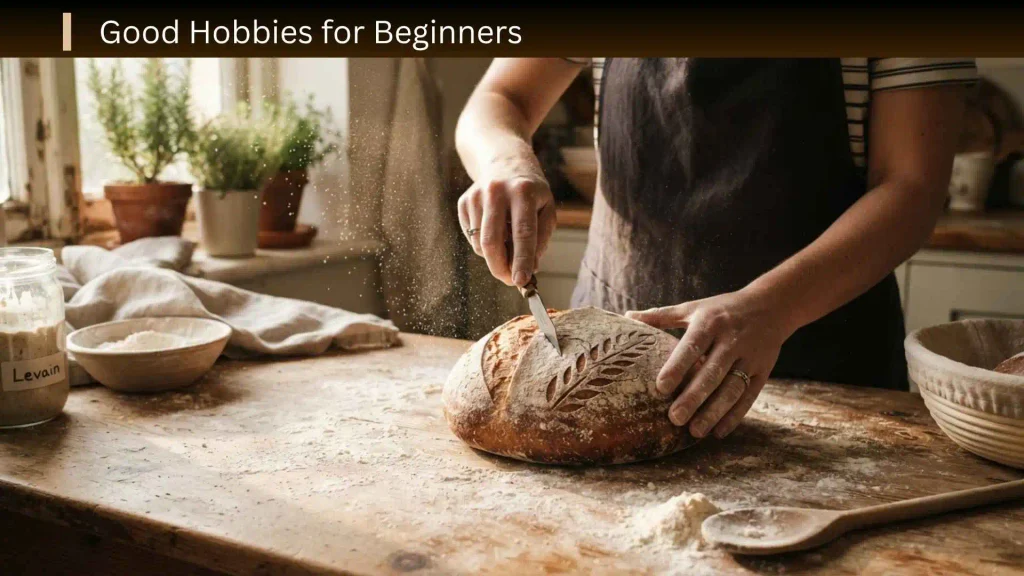
5. Baking
Baking offers a more structured form of cooking because measurements and techniques often matter considerably. Beginners can start with simple cookies, muffins, breads, or cakes.
More experienced bakers can explore sourdough, pastries, decorating, and recipe development.
Best for: Detail-oriented people who enjoy creating something tangible.
6. Drawing
Drawing requires relatively little equipment, making it an accessible creative hobby. A pencil and paper are enough to begin.
You can practice sketching objects around you, landscapes, portraits, animals, characters, or abstract designs.
Best for: Beginners interested in developing visual creativity.
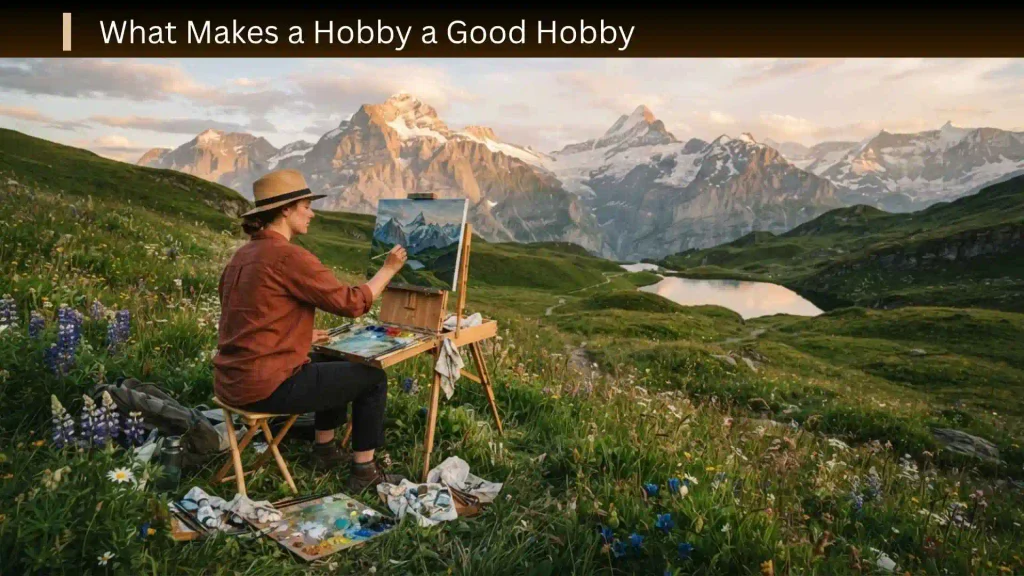
7. Painting
Painting offers numerous approaches, including watercolor, acrylic, oil, and other mediums. Each has different techniques and material requirements.
You do not need to begin with a complicated project. Simple subjects can help you learn color, composition, brush control, and layering.
Best for: Creative expression and people who enjoy working with color.
8. Writing
Writing can take many forms, including journaling, short stories, poetry, essays, personal reflections, or creative fiction.
You can write privately without publishing anything. The value of the hobby can come from the process itself rather than an audience.
Best for: People who enjoy ideas, storytelling, reflection, or language.
9. Journaling
Journaling is a simple hobby that can be done with a notebook or digital writing tool. You might record daily observations, ideas, goals, creative thoughts, or memorable experiences.
Unlike creative writing, journaling does not require you to produce polished work.
Best for: Quiet reflection and people who enjoy writing privately.
10. Learning a Language
Learning another language can become a long-term hobby with many possible approaches. You can combine books, apps, videos, conversation practice, music, and reading.
Progress tends to come from regular practice rather than occasional intensive sessions.
Best for: Lifelong learners and people interested in other cultures and communication.
11. Hiking
Hiking combines outdoor exploration with physical activity. Trails range from short, easy walks to demanding routes, so beginners can select an appropriate starting point.
A basic approach is to begin with familiar, manageable trails and gradually increase distance or difficulty as your experience grows.
Best for: People who enjoy nature and active outdoor hobbies.
12. Cycling
Cycling can be recreational, exploratory, fitness-oriented, or social. You can ride on roads, dedicated trails, or other appropriate cycling routes depending on local conditions.
Safety equipment and local cycling rules should be considered before riding.
Best for: Outdoor enthusiasts who enjoy movement and exploration.
13. Birdwatching
Birdwatching encourages you to pay attention to local wildlife. A beginner can start simply by observing birds in a yard, park, or other suitable outdoor area.
Field guides or identification apps can help you learn species gradually.
Best for: Nature lovers who prefer a slower-paced outdoor hobby.
14. Fishing
Fishing can be a relaxing outdoor pastime, but requirements vary depending on where you fish. Local regulations, licenses, seasons, and species restrictions may apply.
Beginners should learn the rules for their location before going out.
Best for: People who enjoy patience, nature, and outdoor time.
15. Bird Photography
Bird photography combines wildlife observation with photography. It requires patience because wildlife does not follow a predictable schedule.
You can begin by photographing common birds with equipment you already have and learn about light, distance, focus, and composition over time.
Best for: People who enjoy both photography and nature.
16. Knitting
Knitting is a portable craft that can produce useful items such as scarves, hats, blankets, and garments.
Beginners can start with basic stitches and simple projects before moving toward more complicated patterns.
Best for: People who enjoy repetitive, hands-on creative work.
17. Crocheting
Crocheting uses a hook rather than knitting needles and can be used to make blankets, accessories, decorations, garments, and many other items.
Small projects can provide an approachable introduction to the basic techniques.
Best for: Craft enthusiasts who enjoy making physical objects.
18. Sewing
Sewing can range from simple hand-stitching to working with a sewing machine. It can become especially useful if you want to repair clothing, alter garments, or create your own projects.
Best for: Practical makers and people interested in textiles.
19. Woodworking
Woodworking allows you to create functional or decorative objects from wood. Beginner projects might include simple shelves, boxes, or small household items.
Because woodworking involves tools, beginners should learn appropriate tool handling and workshop safety before progressing to more complex projects.
Best for: Hands-on learners who enjoy building things.
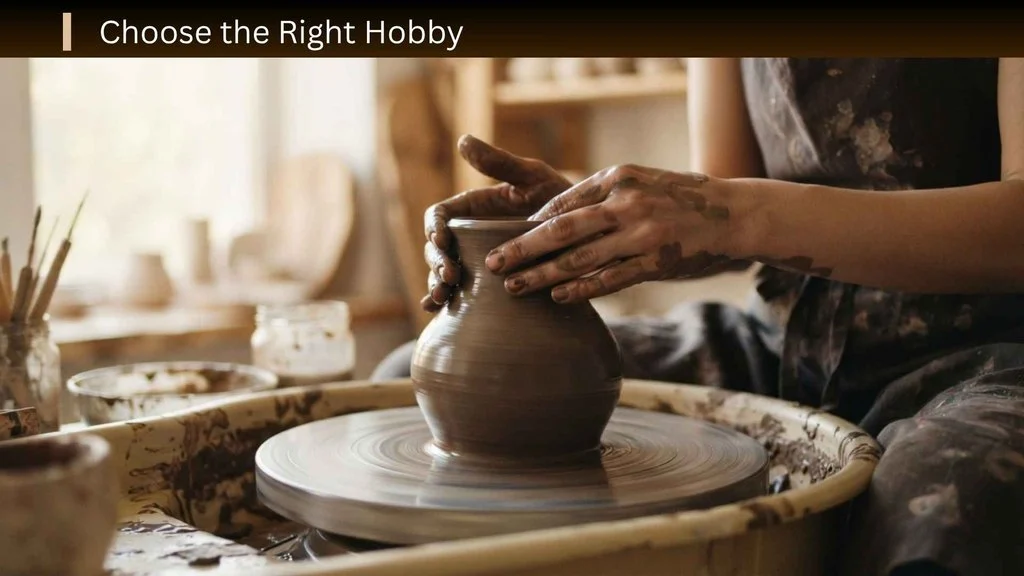
20. Pottery
Pottery combines creativity with a tactile material. Depending on access to equipment, you can explore hand-building techniques or work with a pottery wheel.
Local studios and community classes can be useful for beginners who do not have space or equipment at home.
Best for: People who enjoy physical, creative processes.
21. Calligraphy
Calligraphy focuses on decorative and deliberate handwriting. It can be practiced using relatively simple tools and can lead to projects such as cards, invitations, artwork, and lettering designs.
Best for: People who enjoy typography, precision, and visual detail.
22. Learning an Instrument
Playing an instrument can become a long-term skill-building hobby. Guitar, piano, ukulele, drums, violin, and many other instruments offer different learning experiences.
Beginners generally benefit from practicing consistently rather than attempting long sessions only occasionally.
Best for: Music lovers who enjoy structured learning.
23. Singing
Singing does not require expensive equipment and can be practiced privately or socially. You can explore different genres, learn songs, or work on technique.
If you want more structured development, lessons or a community choir can provide guidance.
Best for: People who enjoy music but do not necessarily want to learn an instrument.
24. Dancing
Dancing can be recreational, creative, social, or physically active. Styles range from ballroom and salsa to hip-hop, contemporary, swing, and many others.
Classes can make it easier to learn technique and meet people with similar interests.
Best for: Active people who enjoy music and movement.
25. Yoga
Yoga can be practiced in classes or at home, depending on your preferences and experience. Beginners should select instruction appropriate for their ability and avoid forcing positions beyond their comfort level.
Best for: People looking for a structured movement-based hobby.
26. Running
Running is a straightforward activity that can be pursued outdoors or, with appropriate equipment, indoors. Beginners can start with manageable intervals of walking and running rather than immediately aiming for long distances.
Comfort, gradual progression, and appropriate footwear can make the activity easier to sustain.
Best for: People who enjoy measurable physical goals.
27. Swimming
Swimming can be both recreational and skill-based. It may also offer an opportunity to develop water confidence and technique.
Anyone entering unfamiliar water should follow local safety guidance and use appropriate supervision or precautions when necessary.
Best for: People who enjoy water-based activities.
28. Strength Training
Strength training can become a hobby when you enjoy learning exercises, tracking progress, and developing a consistent routine.
Beginners should learn proper technique and use equipment appropriate for their experience level.
Best for: People who enjoy structured goals and measurable progress.
29. Puzzles
Jigsaw puzzles, logic puzzles, crossword puzzles, and other forms of puzzle-solving offer different kinds of mental challenges.
You can choose difficulty based on how much time and concentration you want to spend.
Best for: People who enjoy problem-solving and quiet activities.
30. Chess
Chess combines strategy, planning, pattern recognition, and competition. You can play casually with friends or study the game more deeply through puzzles and analysis.
Online platforms and local chess clubs can provide opportunities to practice with different opponents.
Best for: Strategic thinkers and competitive learners.
31. Board Games
Board games cover a huge range of experiences, from quick family games to complex strategy games.
They can also be a good social hobby because the activity naturally creates a reason for people to spend time together.
Best for: Social groups, families, and people who enjoy games.
32. Collecting
Collecting can focus on almost anything meaningful to you, including books, stamps, coins, postcards, sports memorabilia, art, or vintage objects.
The strongest collections usually have a personal theme rather than being based solely on acquiring as many objects as possible.
Best for: People who enjoy research, organization, and discovering interesting objects.
33. Model Building
Model building can involve cars, aircraft, ships, buildings, miniatures, or other subjects.
It rewards patience and attention to detail and can be approached at different levels of complexity.
Best for: Detail-oriented people who enjoy construction and craftsmanship.
34. LEGO and Building Projects
Building with LEGO or similar construction systems can be both creative and technical. You can follow existing designs or create your own structures.
It can also be a relatively approachable way to explore design, engineering concepts, and spatial thinking.
Best for: Creative builders of many ages.
35. Home DIY Projects
DIY projects can turn practical household improvements into a hobby. Projects might involve organization, furniture improvements, decoration, repairs, or simple construction.
Choose projects that match your skills and use appropriate safety precautions when working with tools or electrical systems.
Best for: People who like practical problem-solving.
36. Volunteering
Volunteering can function as a meaningful recurring activity when you want your free time to contribute to a community or cause.
Opportunities can include animal shelters, food programs, community organizations, libraries, environmental projects, and other local groups.
Best for: People who want a social hobby with a community-oriented purpose.
37. Geocaching
Geocaching combines outdoor exploration with location-based treasure hunting. Participants search for hidden containers or locations using coordinates and clues.
It can give ordinary walks an additional objective and can be enjoyed alone or with others.
Best for: Explorers who like puzzles and outdoor activities.
38. Camping
Camping offers a way to spend extended time outdoors and can range from simple car camping to more involved trips.
Beginners may find it easier to start with a well-established campground before attempting more remote outings.
Best for: People who enjoy nature and outdoor exploration.
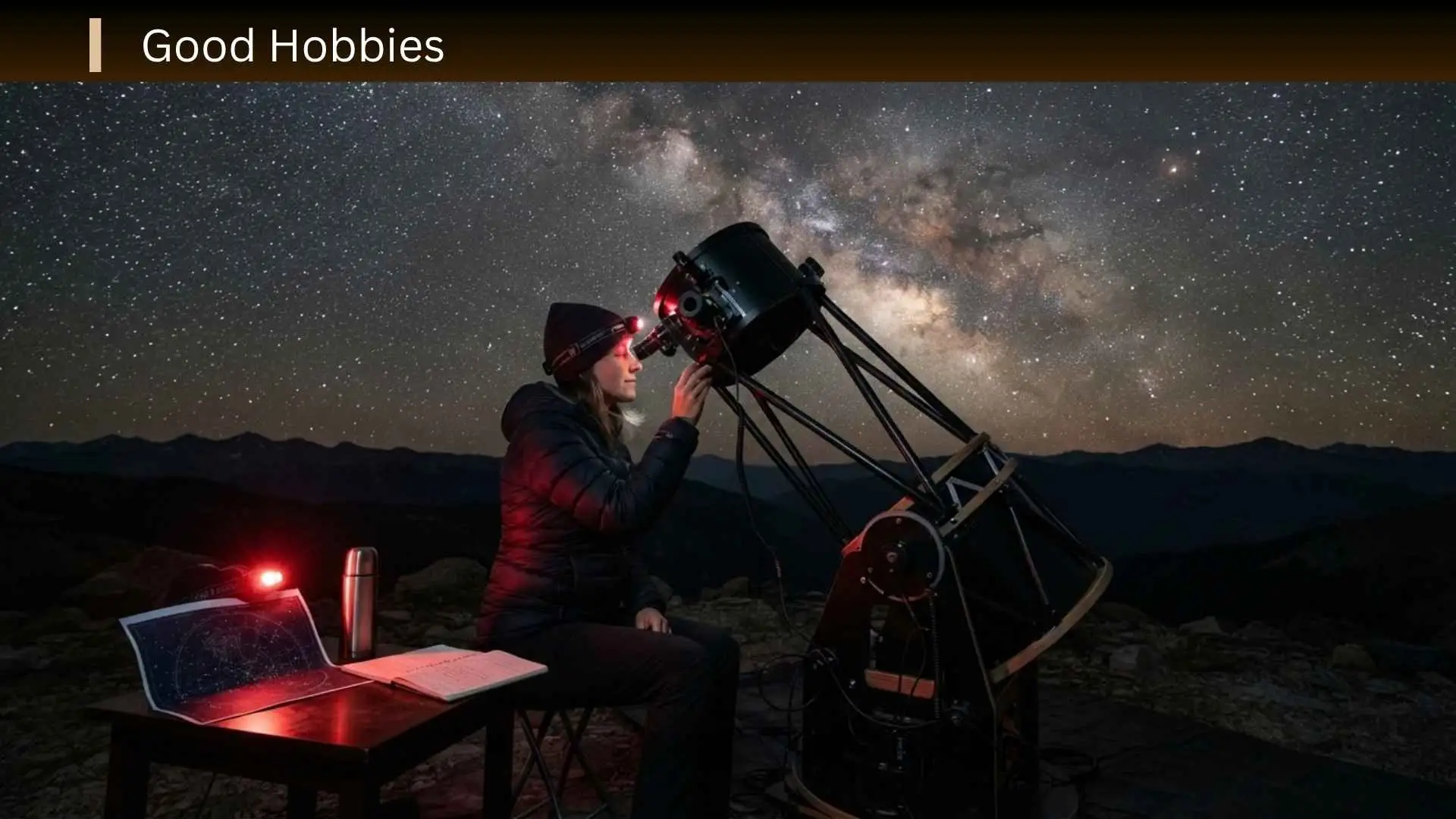
39. Stargazing
Stargazing can begin with the naked eye. Learning major constellations and understanding basic night-sky patterns can make the activity more rewarding.
A telescope is optional rather than a requirement for getting started.
Best for: Curious people who enjoy science and quiet outdoor experiences.
40. Amateur Astronomy
Amateur astronomy goes beyond casual stargazing by encouraging deeper study of planets, stars, galaxies, and other celestial objects.
It can become an equipment-intensive hobby, but beginners can first learn the basics before deciding whether specialized equipment is worthwhile.
Best for: People interested in astronomy and long-term learning.
41. Coding
Coding can be a hobby rather than solely a professional skill. Beginners can explore websites, small programs, games, automation, or other personal projects.
Starting with a specific project can be more motivating than trying to learn every programming concept at once.
Best for: Problem-solvers and people interested in technology.
42. Graphic Design
Graphic design allows you to experiment with typography, layouts, images, branding concepts, and digital composition.
You can practice by creating posters, social graphics, invitations, or fictional projects.
Best for: Digitally creative people interested in visual communication.
43. Video Editing
Video editing can turn ordinary clips into short stories, travel videos, tutorials, or creative projects.
Beginners can learn basic cutting, transitions, audio adjustment, and simple visual organization before exploring more advanced techniques.
Best for: People interested in storytelling and digital media.
44. Podcasting
Podcasting can combine research, conversation, storytelling, interviewing, and audio editing.
You do not need to begin with a professional studio. A focused topic and clear purpose can matter more than elaborate production.
Best for: Communicators and people who enjoy discussing specific subjects.
45. Genealogy
Genealogy involves researching family history and organizing information about relatives and previous generations.
It often combines document research, historical context, record organization, and careful verification.
Best for: People who enjoy research and history.
46. History Research
If you enjoy asking how and why things happened, history can become an engaging independent hobby.
You might focus on a particular period, place, event, profession, invention, or historical figure rather than attempting to study everything.
Best for: Curious readers and research-oriented learners.
47. Learning About Psychology
Psychology can be explored as a general educational hobby through reputable books, courses, lectures, and academic resources.
It is important to distinguish learning about psychological concepts from diagnosing yourself or other people.
Best for: People interested in human behavior and learning.
48. Travel Planning
You do not have to travel constantly to enjoy travel as a hobby. Researching destinations, comparing routes, studying local history, and designing itineraries can become an enjoyable activity on its own.
It can also make future trips more organized.
Best for: Planners, researchers, and people curious about different places.
49. Thrifting
Thrifting can involve searching secondhand stores for clothing, books, furniture, collectibles, or household items.
The hobby can be about discovery rather than simply buying more things. Setting a budget and having a clear idea of what you actually need can prevent unnecessary spending.
Best for: Treasure hunters and people who enjoy finding unusual items.
50. Voluntary Skill Projects
A useful hobby does not always need a traditional label. You can choose a skill and create small projects around it.
Examples include:
- Building a personal website
- Designing a small garden
- Learning basic photography
- Making homemade gifts
- Restoring an old piece of furniture
- Creating a recipe collection
- Building a personal library
- Learning basic electronics
- Creating artwork
- Making short videos
This approach works especially well if you enjoy having a tangible result at the end of a project.
Good Hobbies by Personality and Lifestyle
Instead of choosing randomly from a long list, start with the kind of experience you want.
| If you want… | Consider… |
| Quiet solo time | Reading, drawing, puzzles, writing, gardening |
| Creativity | Painting, photography, pottery, sewing, music |
| Physical activity | Hiking, cycling, swimming, dancing, running |
| Social interaction | Board games, dancing, volunteering, team activities |
| Learning | Languages, astronomy, history, coding, genealogy |
| Time outdoors | Hiking, gardening, fishing, birdwatching, camping |
| Practical skills | Cooking, DIY, sewing, woodworking, gardening |
| A low-equipment hobby | Reading, writing, drawing, walking, singing |
| A long-term challenge | Music, chess, language learning, coding, astronomy |
| Collecting and research | Books, coins, stamps, genealogy, memorabilia |
The goal is not to select the hobby that sounds most impressive. Choose the one that fits how you naturally want to spend your free time.
Good Hobbies for Beginners
If you are new to hobbies, avoid assuming that you need expensive equipment or advanced knowledge.
Good beginner-friendly choices include:
- Reading
- Walking
- Drawing
- Journaling
- Cooking
- Gardening
- Photography with a smartphone
- Puzzles
- Birdwatching
- Learning a language
- Baking
- Writing
- Hiking on beginner-friendly trails
- Singing
- Chess
A useful beginner strategy is to start smaller than you think you need to.
Instead of buying a complete photography kit, try taking photographs with your phone. Instead of purchasing a large gardening setup, grow a few plants. Instead of buying multiple musical instruments, choose one and learn the basics.
This lets you discover whether you genuinely enjoy the activity before making a larger commitment.
Good Hobbies for People With Limited Free Time
A hobby does not have to consume an entire afternoon. Some activities work particularly well in short sessions.
For 10 20 minutes
- Reading
- Journaling
- Sketching
- Puzzles
- Language practice
- Calligraphy
- Meditation or quiet reflection
For 30 60 minutes
- Cooking
- Gardening
- Photography
- Playing an instrument
- Drawing
- Strength training
- Writing
- Crafting
For several hours
- Hiking
- Camping
- Fishing
- Woodworking
- Pottery
- Long photography outings
- Cycling
- Volunteer activities
If your schedule is unpredictable, hobbies that can be stopped and restarted easily may be more sustainable than activities requiring long uninterrupted sessions.
Good Hobbies That Can Be Started Cheaply
Many hobbies can begin with things you already own.
Very low-cost possibilities include:
- Reading through a library
- Writing
- Walking
- Drawing with basic paper and pencils
- Bodyweight exercise
- Birdwatching
- Stargazing
- Learning a language with free resources
- Photography with a smartphone
- Chess
- Journaling
Other hobbies can become expensive as you progress. Photography, cycling, woodworking, musical instruments, camping, and model building are examples where equipment can significantly increase the budget.
A sensible approach is to invest gradually as your interest becomes clearer.
How to Choose the Right Hobby
If several options sound appealing, use this simple decision process.
1. Decide what you want from your free time
Ask yourself:
- Do I want to relax?
- Do I want to learn?
- Do I want to create something?
- Do I want to become more active?
- Do I want to meet people?
- Do I want to spend more time outdoors?
- Do I want to develop a practical skill?
Your answer immediately narrows the choices.
2. Consider your natural preferences
Think about whether you prefer:
- Solo or social activities
- Indoor or outdoor environments
- Quiet or energetic experiences
- Structured or open-ended activities
- Creative or analytical challenges
- Short sessions or longer projects
A hobby that matches your preferences is easier to maintain.
3. Set a realistic budget
Separate the cost to start from the cost to continue.
A hobby may be inexpensive initially but require recurring purchases later. Another may require equipment at the beginning but little ongoing spending.
You do not need the most advanced equipment to begin most hobbies.
4. Try before committing
When possible, borrow equipment, attend an introductory class, visit a local club, use a library, or try a beginner project.
The goal is to experience the activity before deciding whether it deserves more of your time and money.
5. Look for sustainable enjoyment
Ask yourself after several attempts:
“Would I still want to do this if nobody saw the result?”
That question can help distinguish genuine interest from the appeal of an activity that simply looks impressive.
What If You Have Too Many Hobbies to Choose From?
Having too many interests is not necessarily a problem. You can test several activities without making all of them permanent hobbies.
Try a simple three-hobby experiment:
- Choose one hobby for creativity.
- Choose one hobby for learning.
- Choose one hobby for activity or social connection.
Spend a few weeks exploring each one. Pay attention to which activity you naturally want to return to.
You may eventually keep one, combine several, or rotate them according to your schedule.
How to Turn a Hobby Into a Long Term Habit
Enjoyment is important, but consistency often depends on reducing friction.
Try these approaches:
- Keep basic equipment easy to access.
- Choose a regular time for the hobby.
- Start with manageable projects.
- Track progress if measurable improvement motivates you.
- Join a community if social accountability helps.
- Avoid buying advanced equipment before developing the skill.
- Give yourself permission to change hobbies.
- Focus on learning rather than immediate perfection.
A hobby should fit into your life rather than requiring your entire life to revolve around it.
Should a Hobby Be Productive?
Not necessarily.
Cooking, gardening, coding, sewing, and woodworking can produce practical results, but reading fiction, collecting objects, playing games, drawing for fun, or simply observing nature can be worthwhile without producing anything useful.
A hobby does not need to become a side business, improve your résumé, or produce something you can sell.
If an activity gives you an enjoyable reason to spend your free time, that can be enough.
When a Hobby Becomes a Skill
Some hobbies naturally develop into substantial skills through repeated practice.
For example:
- Photography can develop into advanced visual composition and editing.
- Cooking can develop into recipe creation and culinary technique.
- Writing can develop into storytelling or professional communication.
- Coding can develop into software development skills.
- Gardening can develop into detailed knowledge of plants and cultivation.
- Music can develop into performance ability.
- Woodworking can develop into advanced craftsmanship.
You do not need to decide at the beginning how far you will take the hobby. Start with curiosity and let your level of commitment develop naturally.
Frequently Asked Questions
What are good hobbies to start with?
Good beginner hobbies include reading, drawing, cooking, gardening, photography, writing, puzzles, walking, language learning, chess, and music. The best starting point depends on whether you want creativity, learning, physical activity, relaxation, or social interaction.
What is a good hobby for someone who does not know what they enjoy?
Choose something inexpensive and easy to try, such as reading, drawing, photography with a smartphone, cooking, walking, puzzles, or journaling. Try several activities briefly instead of committing to one immediately.
What are good hobbies for adults?
Adults can enjoy virtually any hobby, including gardening, cooking, photography, hiking, writing, woodworking, music, painting, cycling, reading, volunteering, coding, and collecting. Your available time, budget, interests, and preferred environment are more important than age.
What are good hobbies that do not cost much money?
Reading through a library, walking, writing, drawing with basic supplies, journaling, birdwatching, stargazing, language practice, chess, and smartphone photography can all be started with little equipment or expense.
What are good hobbies for introverts?
Quiet, independent hobbies such as reading, writing, drawing, photography, gardening, puzzles, coding, collecting, and astronomy can work well for people who prefer spending leisure time independently. Introverts can also enjoy social hobbies; the important factor is the level of interaction they personally prefer.
What are good hobbies for people with busy schedules?
Reading, journaling, drawing, language practice, puzzles, photography, cooking, and playing an instrument can be divided into relatively short sessions. Choose an activity that can fit naturally into the amount of time you actually have.
Can a hobby become a source of income?
Some hobbies can potentially be monetized, particularly when they develop into marketable skills. Examples can include photography, writing, graphic design, crafts, baking, woodworking, coding, and teaching. However, income is not guaranteed and depends on factors such as skill, demand, pricing, competition, consistency, and the market.
How do I know if I have found the right hobby?
A good sign is that you remain curious about the activity and willingly return to it without needing external pressure. You do not have to be immediately good at it. If you enjoy the process and can realistically fit it into your life, it may be worth continuing.
Conclusion
Good hobbies come in many forms, from quiet activities such as reading and drawing to active pursuits such as hiking and cycling, and from practical skills such as cooking and gardening to creative interests such as photography, music, and writing.
The best choice is not necessarily the most popular or productive hobby. Start with what you want from your free time, consider your budget and schedule, and experiment with activities that match your interests. You can begin small, learn as you go, and change direction if an activity does not hold your interest.
A hobby does not need to become a major achievement. If it gives you a meaningful, enjoyable, or engaging way to spend your time, it is already serving a valuable purpose.

I’m Ethan Mitchell, a curious writer who enjoys turning complex ideas into simple, useful information. At Cognivoora, I focus on creating clear and engaging content that readers can understand and apply in everyday life. I believe good writing should educate, answer real questions, and leave readers with something valuable to remember.
Books:
- The Everyday Mind
- Simple Ideas, Better Thinking