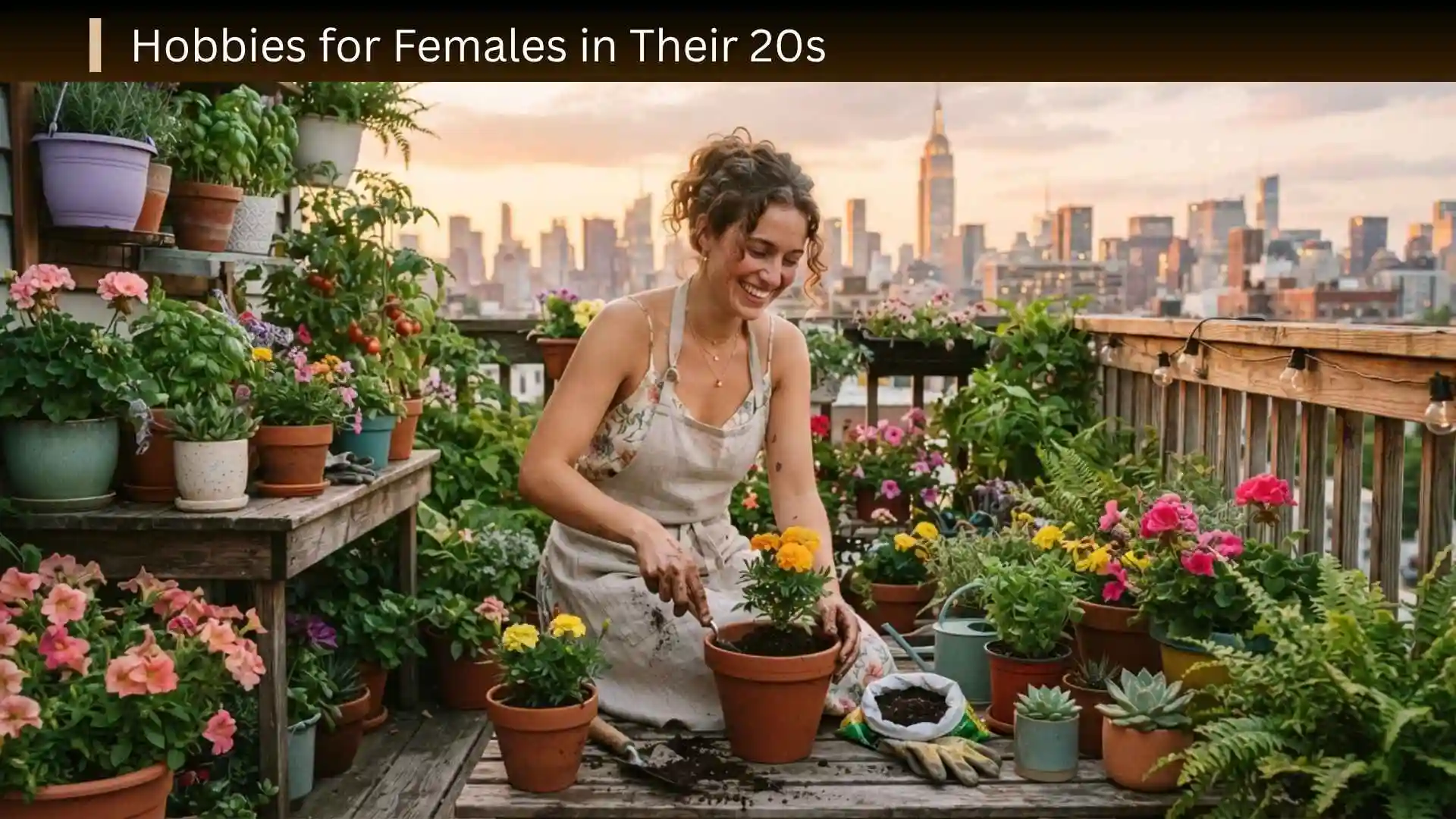
In your 20s, life can feel like a mix of work, relationships, personal growth, and figuring out what you genuinely enjoy. Finding the right hobby can give you something that is entirely your own while helping you relax, stay creative, learn new skills, or meet people with similar interests. From artistic and relaxing activities to fitness, outdoor adventures, DIY projects, and hobbies you can enjoy at home, there are plenty of options to explore. The key is not to find the “perfect” hobby right away, but to try different activities and discover what fits your personality, budget, and lifestyle. .
Hobbies for Females in Their 20s(Quick Answer)
Some of the best hobbies for women in their 20s include:
- Journaling
- Reading
- Photography
- Painting or drawing
- Crochet or knitting
- Baking
- Cooking
- Gardening
- Hiking
- Yoga
- Running
- Dancing
- Pilates
- Pottery
- Sewing
- Thrifting
- Scrapbooking
- Learning a musical instrument
- Singing
- Creative writing
- Traveling
- Volunteering
- Board games
- Puzzles
- Candle making
- Jewelry making
- Houseplant care
- Birdwatching
- Calligraphy
- Language learning
- DIY home projects
- Cycling
- Swimming
- Camping
- Rock climbing
The right choice depends on what you want from your free time—relaxation, creativity, exercise, social connection, personal growth, or a new challenge.
How to Choose a Hobby in Your 20s
There is no single hobby that every woman in her 20s should pursue. A better approach is to choose based on what you want your hobby to add to your life.
If You Want to Relax
Consider hobbies that let your mind slow down without requiring intense concentration or competition.
Good options include:
- Reading
- Coloring
- Journaling
- Gardening
- Crochet
- Puzzles
- Baking
- Houseplant care
These can work especially well when you want something enjoyable to do at home.
If You Want to Be More Active
Choose an activity that you genuinely enjoy rather than treating exercise as a chore.
Options include:
- Hiking
- Running
- Cycling
- Swimming
- Yoga
- Pilates
- Dancing
- Rock climbing
A hobby can make physical activity feel more purposeful because there is an enjoyable skill or experience attached to it.
If You Want a Creative Outlet
Creative hobbies give you something tangible or expressive to work on.
Try:
- Painting
- Drawing
- Photography
- Pottery
- Sewing
- Jewelry making
- Calligraphy
- Creative writing
- Scrapbooking
- DIY projects
You do not need to be naturally artistic. Many creative hobbies are enjoyable precisely because they give you room to experiment and improve.
If You Want to Meet New People
Some hobbies naturally create opportunities for social interaction.
Consider:
- Dance classes
- Book clubs
- Recreational sports
- Volunteering
- Pottery classes
- Hiking groups
- Board-game groups
- Cooking classes
- Language classes
Classes and groups can be particularly useful if you are new to a city or want to expand your social circle.
35 Hobbies for Females in Their 20s
1. Reading
Reading is a flexible hobby because you can choose fiction, nonfiction, biographies, mysteries, romance, fantasy, history, or practically any other genre.
You can read physical books, ebooks, or audiobooks depending on your preferences. Joining a book club can also turn a solitary activity into a social one.
Best for: Relaxation, learning, and quiet evenings
Cost: Low to moderate
Equipment: Books or an e-reader
2. Journaling
Journaling can be as simple as writing down thoughts, recording daily events, planning goals, or keeping track of ideas.
There is no requirement to create elaborate journal pages. A notebook and pen are enough to get started.
Best for: Reflection, organization, and creativity
Cost: Low
Equipment: Notebook and pen
3. Photography
Photography lets you explore your surroundings while developing a creative skill.
You do not need an expensive camera. A smartphone can be enough for learning basic composition, lighting, framing, and editing.
You might photograph architecture, nature, food, pets, people, or everyday moments.
Best for: Creativity and exploring
Cost: Low to high
Equipment: Smartphone or camera
4. Painting
Painting is a versatile creative hobby with many possible directions, including watercolor, acrylic, gouache, and other mediums.
Start with basic supplies rather than purchasing a large collection immediately. Experimenting with different styles can help you discover what you actually enjoy.
Best for: Creative expression
Cost: Low to moderate
Equipment: Depends on the medium
5. Drawing
Drawing is one of the easiest creative hobbies to begin because the basic equipment can be inexpensive.
You can practice portraits, landscapes, fashion sketches, cartoons, botanical drawings, or digital illustration.
Best for: Creativity and skill development
Cost: Low to moderate
Equipment: Paper and pencils or digital tools
6. Crochet
Crochet can be both creative and practical. Beginners can start with small projects such as coasters, scarves, simple accessories, or decorative items.
As your skills improve, you can move into clothing, bags, blankets, and more complicated patterns.
Best for: Relaxing, hands-on creativity
Cost: Low
Equipment: Crochet hook, yarn, and pattern
7. Knitting
Knitting offers another way to create useful handmade items.
Scarves, hats, sweaters, blankets, and other projects can provide longer-term goals that make the learning process rewarding.
Best for: Crafting and patience
Cost: Low to moderate
Equipment: Knitting needles and yarn
8. Baking
Baking combines creativity with a practical result you can share with friends or family.
You can start with cookies, brownies, muffins, bread, or cakes and gradually explore more technical recipes.
Best for: Creative people who enjoy food
Cost: Low to moderate
Equipment: Basic kitchen equipment
9. Cooking
Cooking can become both a hobby and a useful life skill.
Instead of trying to master everything at once, choose a type of cuisine or cooking technique that interests you. You might explore Italian dishes, Asian-inspired meals, vegetarian cooking, homemade pasta, or bread.
Best for: Creativity and practical skills
Cost: Low to moderate
Equipment: Basic kitchen equipment
10. Gardening
Gardening can work even if you do not have a large yard.
Apartment dwellers can explore container gardening, balcony plants, herbs, or indoor plants. Those with outdoor space can experiment with flowers, vegetables, or pollinator-friendly plants.
Best for: Nature lovers and hands-on relaxation
Cost: Low to moderate
Equipment: Plants, containers, soil, and basic tools
11. Hiking
Hiking combines outdoor exploration with physical activity.
You can begin with short, well-maintained trails and gradually increase distance or difficulty as you become more comfortable.
For safety, research unfamiliar trails beforehand and consider factors such as weather, daylight, terrain, water, and local conditions.
Best for: Active people and nature lovers
Cost: Low to moderate
Equipment: Appropriate footwear and basic outdoor essentials
12. Yoga
Yoga can be practiced at home or in a class.
It can be approached as movement, flexibility practice, balance training, relaxation, or a combination of these. Beginners can start with basic instruction and gradually explore different styles.
Best for: Movement and relaxation
Cost: Low to moderate
Equipment: Comfortable clothing and optional mat
13. Running
Running is relatively accessible because you can practice outdoors or on a treadmill.
A beginner does not need to start by running long distances. Alternating walking and running can provide a gradual starting point.
Best for: Active lifestyles and personal challenges
Cost: Moderate
Equipment: Comfortable running shoes
14. Dancing
Dancing can be both a physical activity and a creative pursuit.
You can learn through classes, online lessons, social dance events, or simply practice at home. Styles range from hip-hop and contemporary dance to salsa, ballroom, ballet, and others.
Best for: Fitness, creativity, and socializing
Cost: Low to moderate
Equipment: Comfortable clothing and suitable footwear
15. Pilates
Pilates focuses on controlled movement and body awareness.
It can be practiced in classes or at home, depending on your preferences and access to instruction.
Best for: People who enjoy structured movement
Cost: Low to moderate
Equipment: Mat and optional equipment
16. Pottery
Pottery offers a hands-on creative experience and produces physical objects you can keep or give as gifts.
Local studios may offer beginner classes, making it easier to learn techniques and use specialized equipment without buying everything yourself.
Best for: Hands-on creativity
Cost: Moderate to high
Equipment: Usually provided by a studio
17. Sewing
Sewing can start with simple projects such as tote bags, repairs, or basic garments.
Over time, you can learn pattern reading, garment construction, alterations, and textile techniques.
Best for: Creative people who like practical projects
Cost: Moderate
Equipment: Sewing machine or hand-sewing supplies
18. Thrifting
Thrifting can be a hobby centered around fashion, home décor, vintage objects, books, or collectibles.
Rather than shopping without a plan, you can make the activity more interesting by developing a theme—such as vintage clothing, unique artwork, or secondhand kitchenware.
Best for: Treasure hunters and fashion enthusiasts
Cost: Flexible
Equipment: None
19. Scrapbooking
Scrapbooking combines photographs, writing, paper crafts, and personal memories.
You can create traditional physical albums or explore digital versions.
Best for: Sentimental and creative people
Cost: Low to moderate
Equipment: Album, paper, photographs, and craft supplies
20. Learning a Musical Instrument
Learning an instrument provides a structured skill to develop over time.
Good beginner choices can include guitar, keyboard, ukulele, piano, drums, or another instrument that genuinely interests you.
Best for: Long-term skill building
Cost: Moderate to high
Equipment: Instrument and learning resources
21. Singing
Singing can be pursued casually at home or more seriously through lessons, choirs, or community groups.
You do not need to aspire to perform professionally. Learning vocal techniques can simply make singing more enjoyable.
Best for: Music lovers and social activities
Cost: Low to moderate
Equipment: None to start
22. Creative Writing
Creative writing includes short stories, poetry, fiction, personal essays, and other forms of writing.
One advantage is that you can start immediately with nothing more than a notebook or computer.
Best for: Imaginative and reflective people
Cost: Low
Equipment: Notebook or computer
23. Calligraphy
Calligraphy turns handwriting into a deliberate visual art.
You can begin with basic lettering practice before experimenting with different pens, styles, and layouts.
Best for: Detail-oriented creatives
Cost: Low to moderate
Equipment: Pens and suitable paper
24. Jewelry Making
Making bracelets, necklaces, earrings, or other accessories gives you a small-scale creative project.
It can also be an opportunity to learn about materials, color combinations, design, and basic craftsmanship.
Best for: Fashion and craft enthusiasts
Cost: Low to moderate
Equipment: Jewelry-making supplies
25. Candle Making
Candle making can be an enjoyable craft if you like experimenting with fragrances, containers, shapes, and decorative designs.
Because candle production involves heated materials, beginners should learn proper handling and follow the safety instructions for their specific supplies.
Best for: Crafting and home décor
Cost: Moderate
Equipment: Candle-making supplies and appropriate safety equipment
26. Houseplant Care
If gardening feels too demanding, caring for a few houseplants can be a smaller-scale alternative.
You can learn about light requirements, watering, potting, and the differences between plant species.
Best for: Indoor nature lovers
Cost: Low to moderate
Equipment: Plants, pots, and growing supplies
27. Birdwatching
Birdwatching turns an ordinary walk or outdoor trip into an observation activity.
A beginner can start by learning to identify common local birds by appearance, behavior, habitat, or sound.
Best for: Nature lovers and curious observers
Cost: Low to moderate
Equipment: Optional binoculars and field guide
28. Puzzles
Jigsaw puzzles, logic puzzles, crossword puzzles, and similar activities can provide quiet entertainment.
Choose the format and difficulty that you find satisfying rather than treating puzzles as a test of intelligence.
Best for: Quiet indoor activities
Cost: Low
Equipment: Depends on puzzle type
29. Board Games
Board games can be a great social hobby when you have friends or a local gaming community.
Different games emphasize strategy, cooperation, storytelling, trivia, deduction, or competition, so there is considerable variety.
Best for: Socializing and strategic thinking
Cost: Low to moderate
30. Volunteering
Volunteering can connect your free time with a cause or community activity that matters to you.
Possible areas include animal welfare, environmental projects, food assistance, community events, libraries, and other local organizations.
Best for: Community involvement and meeting people
Cost: Usually low
31. Language Learning
Learning another language can become a long-term personal project.
Instead of relying on memorization alone, combine vocabulary practice with listening, reading, conversation, music, films, or other materials that keep the process interesting.
Best for: Learning and cultural exploration
Cost: Low to moderate
32. Traveling
Travel can be approached as a hobby rather than simply taking occasional vacations.
You can focus on planning itineraries, visiting museums, exploring local destinations, photographing new places, learning about regional food, or taking weekend trips.
Best for: Adventure and cultural exploration
Cost: Moderate to high
33. Cycling
Cycling can be recreational, social, or fitness-oriented.
You might ride around your neighborhood, explore dedicated trails, commute by bike, or join organized cycling activities.
Best for: Outdoor activity and exploration
Cost: Moderate to high
34. Camping
Camping provides a way to spend time outdoors while learning practical skills such as setting up shelter, preparing meals outdoors, and planning for changing conditions.
Beginners can start with established campgrounds before considering more demanding trips.
Best for: Adventure and outdoor skills
Cost: Moderate to high
35. Rock Climbing
Rock climbing offers a physical and mental challenge while giving you a clear skill progression.
Indoor climbing gyms can be a practical starting point because they provide a controlled environment and opportunities for instruction.
Best for: Challenge seekers and active people
Cost: Moderate to high
Best Hobbies by Personality
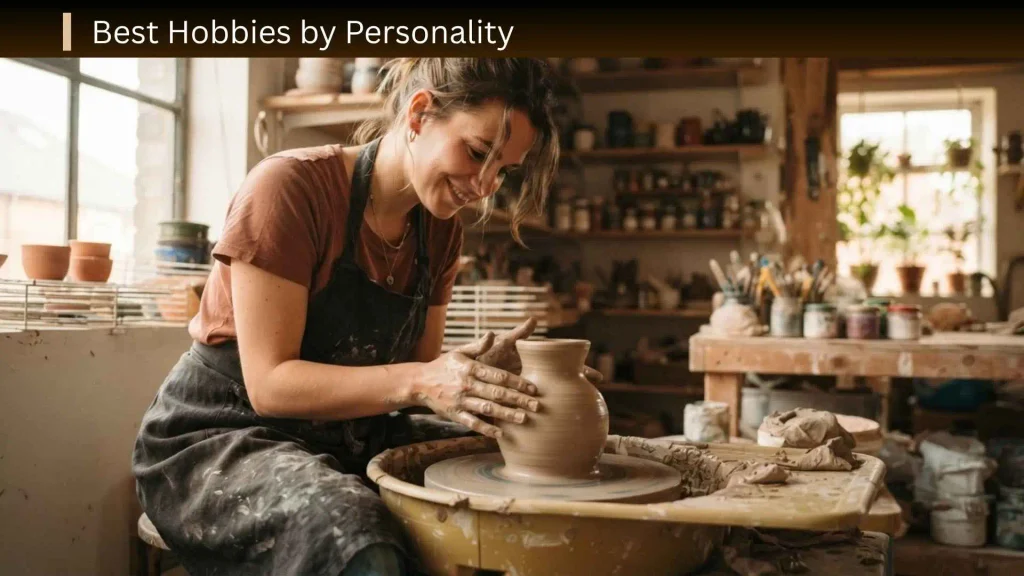
Your personality can help narrow down the enormous number of possibilities.
| If you are… | Try… |
| Creative | Painting, photography, pottery, sewing |
| Introverted | Reading, journaling, puzzles, gardening |
| Social | Dancing, board games, volunteering, book clubs |
| Adventurous | Hiking, camping, climbing, traveling |
| Practical | Cooking, sewing, gardening, DIY |
| Active | Running, cycling, swimming, dancing |
| Curious | Language learning, birdwatching, reading |
| Detail-oriented | Calligraphy, puzzles, jewelry making |
| Sentimental | Scrapbooking, photography, journaling |
| Looking for relaxation | Crochet, yoga, reading, coloring |
Best Low-Cost Hobbies for Women in Their 20s
If money is a major consideration, you do not need to purchase expensive equipment to have a meaningful hobby.
Some budget-friendly choices include:
- Reading through libraries or book exchanges
- Journaling
- Drawing
- Creative writing
- Walking
- Hiking on accessible local trails
- Birdwatching
- Home workouts
- Yoga
- Photography with a smartphone
- Cooking
- Thrifting
- Volunteering
- Language learning
- Puzzles
A useful strategy is to choose hobbies where you can start with what you already own and only purchase additional equipment after you know you enjoy the activity.
Best Hobbies to Do Alone
If you prefer spending your free time independently, consider:
- Reading
- Journaling
- Painting
- Drawing
- Photography
- Crochet
- Gardening
- Baking
- Creative writing
- Puzzles
- Houseplant care
- Language learning
Solo hobbies can be especially appealing when your schedule changes frequently because you do not need to coordinate with other people.
Best Social Hobbies
If your goal is to make friends or become more connected with your community, hobbies involving recurring groups can be particularly useful.
Try:
- Dance classes
- Book clubs
- Recreational sports
- Volunteering
- Cooking classes
- Pottery workshops
- Hiking groups
- Board-game groups
- Choirs
- Language classes
The important factor is not simply choosing a “social” hobby. Regular interaction gives you more opportunities to become familiar with the same people over time.
Best Hobbies for Personal Growth
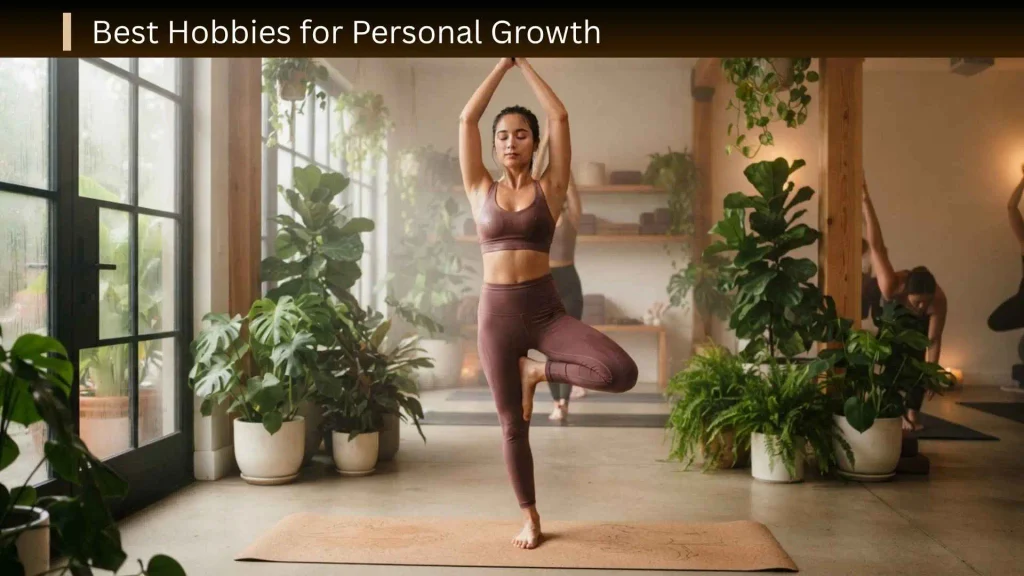
A hobby can also help you develop skills that extend beyond the activity itself.
Skill-Based Hobbies
Consider:
- Learning an instrument
- Language learning
- Cooking
- Sewing
- Photography
- Creative writing
- Gardening
- Drawing
These hobbies give you a skill that can become progressively more advanced.
Confidence-Building Hobbies
Activities that involve learning something difficult, performing, competing, or completing increasingly complex projects can provide a sense of progress.
Examples include:
- Dancing
- Running
- Public performance through music or theater
- Rock climbing
- Pottery
- Photography
- Sewing
- Learning an instrument
The goal is not to become exceptionally talented. Consistent progress can be rewarding on its own.
How to Start a New Hobby Without Getting Overwhelmed
One of the biggest mistakes beginners make is buying everything before deciding whether they actually enjoy the hobby.
Instead, use a simple process.
Start With One Hobby
Pick one activity that sounds genuinely interesting.
Do not try to become a painter, runner, gardener, photographer, and musician simultaneously.
Use Beginner-Level Equipment
Buy or borrow only what you need for the first few sessions.
For example, someone interested in photography can begin with a smartphone rather than immediately buying a professional camera.
Set a Small Goal
Make the first goal easy to complete.
Examples:
- Read one book.
- Finish one small crochet project.
- Take 20 photographs.
- Cook three new recipes.
- Complete five beginner drawing sessions.
- Attend one dance class.
A small goal gives you a clear starting point without turning your hobby into another obligation.
Give It Enough Time to Feel Natural
Being bad at something during the first few attempts is normal.
Before deciding that a hobby is not for you, consider whether you dislike the activity itself or simply dislike being a beginner.
Drop Hobbies That Stop Being Enjoyable
You are not required to keep a hobby forever.
Interests change throughout your 20s as your schedule, friendships, finances, career, and priorities change. A hobby that was perfect at 22 may not suit your lifestyle at 27.
How to Turn a Hobby Into a Social Activity
Many hobbies that are normally solitary can become social with a small change.
For example:
- Reading → Join a book club
- Photography → Attend photo walks
- Cooking → Host a cooking night
- Hiking → Join a hiking group
- Gaming → Find a local game group
- Gardening → Participate in a community garden
- Crafting → Attend a workshop
- Running → Join a local running group
This approach lets you choose an activity you already enjoy while creating opportunities to meet people with similar interests.
How to Find the Right Hobby for Your Lifestyle
Before choosing, ask yourself five questions:
- How much free time do I realistically have?
- Do I want to spend money on this hobby?
- Do I prefer being alone or with other people?
- Do I want relaxation, exercise, creativity, learning, or adventure?
- Can I easily fit the hobby into my current routine?
For example, someone with only a few free hours each week might prefer reading, journaling, drawing, or yoga at home. Someone looking for weekend adventures might prefer hiking, camping, cycling, or photography.
The best hobby is usually the one you can realistically continue—not necessarily the one that looks most impressive.
FAQs
What are the best hobbies for females in their 20s?
Popular choices include reading, photography, journaling, painting, crochet, baking, cooking, gardening, hiking, yoga, dancing, running, pottery, sewing, travel, and learning musical instruments. The best option depends on whether you want creativity, relaxation, exercise, social interaction, or personal growth.
What are some inexpensive hobbies for women in their 20s?
Reading, journaling, drawing, creative writing, walking, hiking, photography with a smartphone, volunteering, home workouts, language learning, and cooking can all be started relatively inexpensively.
What hobby should I start in my 20s?
Choose something that matches what you want from your free time. If you want to meet people, try a class or group activity. If you want relaxation, consider reading, gardening, journaling, or crafts. If you want a challenge, consider an instrument, running, climbing, or another skill-based hobby.
What are good hobbies for women in their 20s who are bored at home?
Painting, drawing, baking, cooking, crochet, reading, puzzles, journaling, photography, houseplant care, creative writing, language learning, and DIY projects can all provide engaging things to do at home.
What hobbies can help you meet new people?
Dance classes, book clubs, recreational sports, volunteering, hiking groups, cooking classes, pottery workshops, board-game groups, choirs, and language classes are good options because they involve repeated interaction with other people.
What are good hobbies to start alone?
Reading, journaling, drawing, painting, photography, crochet, gardening, puzzles, creative writing, baking, language learning, and houseplant care can all be practiced independently.
Is it too late to start a new hobby in your 20s?
No. Your 20s are an excellent time to experiment with different interests. You do not need previous experience, and you do not need to know whether an activity will remain a lifelong interest before trying it.
Conclusion
The best hobbies for females in their 20s are the ones that fit your interests and your actual lifestyle. You might choose reading or journaling for quiet time, painting or pottery for creativity, hiking or dancing for activity, or volunteering and book clubs for social connection.
Do not worry about finding the “perfect” hobby immediately. Try something inexpensive, start at a beginner level, and pay attention to what makes you look forward to your free time. Your hobby does not need to be productive, profitable, or impressive—it simply needs to be something you enjoy doing.

I’m James Anderson, a dedicated writer and lifelong learner who enjoys researching topics and explaining them in a practical way. Through my work at Cognivoora, I aim to give readers reliable, easy-to-follow information that helps them learn something new. I always try to keep my writing natural, useful, and focused on the questions readers actually have.
Books:
- A Practical Guide to Better Thinking
- Questions Worth Asking