
I believe a hobby should do more than simply fill your free time. It should leave you feeling better, more energized, and connected to yourself. If you want to make your everyday routine healthier without turning it into another boring responsibility, healthy hobbies can be a great place to start. You can choose activities that keep your body moving, calm your mind, spark creativity, or help you build positive habits.
Whether you enjoy walking, gardening, cooking, yoga, cycling, swimming, painting, or learning something new, you can find a healthy hobby that fits your personality and lifestyle. In this guide, I’ll help you explore practical and enjoyable ideas so you can discover a hobby that makes your free time feel more meaningful and gives you something to look forward to.
What Are Healthy Hobbies?
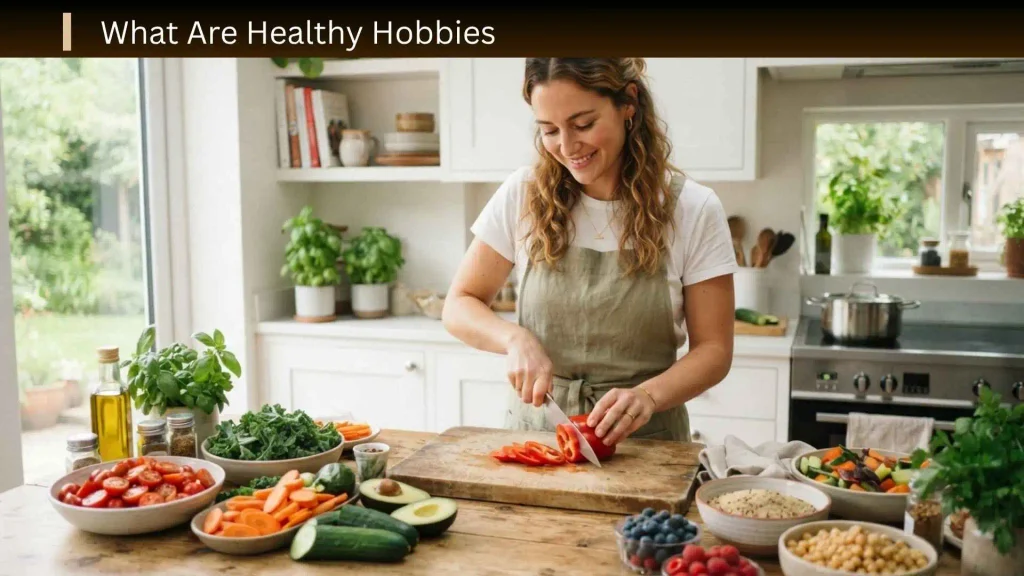
Healthy hobbies are enjoyable activities that can support one or more aspects of well-being while giving you a constructive way to spend your free time.
They can generally be grouped into several categories:
- Physical hobbies: walking, cycling, swimming, dancing, hiking, and recreational sports
- Mental hobbies: reading, puzzles, learning languages, chess, and educational projects
- Creative hobbies: painting, drawing, photography, writing, music, and crafts
- Outdoor hobbies: gardening, birdwatching, hiking, camping, and nature photography
- Social hobbies: volunteering, group classes, clubs, team sports, and community activities
- Relaxing hobbies: knitting, journaling, reading, meditation, and gentle crafts
- Skill-building hobbies: cooking, woodworking, sewing, coding, and learning an instrument
A hobby can fit more than one category. For example, gardening can provide outdoor time, light physical activity, creativity, and a sense of accomplishment.
35 Healthy Hobbies to Try
There is no single definition of the perfect healthy hobby. Some people want more movement, while others need relaxation, creativity, social connection, or mental stimulation.
Here are 35 options worth considering.
1. Walking
Walking is one of the simplest hobbies to start because it requires very little equipment. You can walk around your neighborhood, visit a park, explore a new part of town, or listen to music or a podcast while walking.
It is particularly useful for people who want to introduce more regular movement into their routine without committing to a complicated workout program.
2. Hiking
Hiking combines physical activity with time outdoors. Trails can range from short, easy walks to demanding mountain routes, so you can choose an experience that matches your ability and experience.
For beginners, starting with shorter trails and gradually increasing distance or difficulty can make hiking more enjoyable.
3. Cycling
Cycling can turn exercise into exploration. You can ride on neighborhood streets, dedicated bike paths, trails, or recreational routes.
A bicycle can also make local exploration more interesting because you can cover considerably more ground than you would on foot.
4. Swimming
Swimming is a popular recreational activity that provides full-body movement while taking place in the water.
It can be a good choice for people who enjoy being in a pool or other suitable swimming environment and prefer an activity that does not involve running.
5. Dancing
Dancing combines movement, music, coordination, and self-expression.
You can take a formal class, learn dances online, practice at home, or simply dance for fun. Options range from ballroom and salsa to hip-hop, jazz, contemporary dance, and other styles.
6. Gardening
Gardening is a hobby that combines outdoor time with hands-on work. Growing vegetables, herbs, flowers, or native plants can also give you an ongoing project to care for.
You do not need a large yard. Container gardening, balcony gardening, raised beds, and small indoor herb gardens can work in limited spaces.
7. Yoga
Yoga combines physical movement with balance, flexibility, breathing, and focused attention.
There are many different styles and levels, so beginners can start with gentle sessions rather than immediately choosing an advanced practice.
8. Pilates
Pilates focuses on controlled movement, posture, balance, and core-focused exercises.
It can be practiced in a class, at home, or with minimal equipment depending on the type of routine you choose.
9. Recreational Sports
Playing a sport purely for enjoyment can make physical activity more engaging.
Consider:
- Tennis
- Pickleball
- Basketball
- Soccer
- Volleyball
- Badminton
- Golf
- Softball
The social aspect can be just as appealing as the activity itself.
10. Strength Training
Strength training can become a hobby when you enjoy learning exercises, tracking progress, and gradually developing physical capacity.
Depending on your preferences, you might use resistance bands, dumbbells, machines, or body-weight exercises.
Beginners should focus on learning proper technique and selecting an appropriate level of resistance rather than trying to lift as much as possible.
11. Running or Jogging
For people who enjoy repetitive movement and measurable goals, running can become an engaging long-term hobby.
You can keep it simple with short recreational runs or work toward personal milestones such as completing a longer distance.
If you are new to running, progressing gradually is generally more practical than starting with high mileage.
12. Nature Photography
Nature photography gives you a reason to spend time outdoors while developing a creative skill.
You do not need expensive camera equipment. A smartphone can be enough to begin learning about composition, light, perspective, and subject selection.
13. Birdwatching
Birdwatching encourages observation and outdoor exploration.
A beginner can start by identifying common birds in a local park or backyard. Over time, field guides, binoculars, and bird-identification apps can make the hobby more engaging.
14. Reading
Reading is a flexible hobby that can provide entertainment, knowledge, imagination, or quiet time.
You can read novels, biographies, history, science, essays, poetry, or books related to subjects you already enjoy.
15. Journaling
Journaling provides a private space for writing down thoughts, plans, observations, ideas, or daily experiences.
It can be as simple as spending a few minutes writing freely rather than following a complicated journaling system.
16. Drawing
Drawing is an accessible creative hobby that can be practiced almost anywhere.
Start with basic sketches, objects around your home, landscapes, characters, or abstract designs. Improvement comes from practice rather than expensive materials.
17. Painting
Painting allows you to experiment with color, texture, composition, and visual expression.
Watercolor, acrylic, oil, and other mediums offer different experiences. Beginners may find acrylic or watercolor convenient starting points because they are available in many beginner-friendly sets.
18. Crafting
Craft hobbies can include:
- Paper crafts
- Crochet
- Knitting
- Embroidery
- Scrapbooking
- Jewelry making
- Model building
- Wood crafts
- DIY decorations
Choose a project that matches your patience, available space, and budget.
19. Knitting or Crochet
Knitting and crochet are portable crafts that allow you to create practical or decorative items.
Projects can range from simple scarves and dishcloths to blankets, garments, and more complicated patterns.
20. Playing a Musical Instrument
Learning an instrument combines practice, coordination, listening, and creativity.
You might choose piano, guitar, ukulele, violin, drums, flute, or another instrument that genuinely interests you.
The key is to choose something you are excited to practice rather than something you believe you are supposed to learn.
21. Singing
Singing can be practiced privately or socially.
You might sing along with your favorite music, join a choir, take lessons, or explore karaoke. It is an inexpensive hobby that can be adapted to different personalities and environments.
22. Cooking
Cooking is both a creative hobby and a practical life skill.
Experimenting with vegetables, grains, proteins, herbs, spices, and different cooking methods can make preparing meals more interesting.
A useful approach is to learn a few basic techniques—such as roasting, sautéing, steaming, and baking—and gradually expand your recipe collection.
23. Baking
Baking offers a different creative experience from everyday cooking because measurements, timing, and technique often play a larger role.
You can start with simple breads, muffins, cookies, or other recipes and gradually try more challenging projects.
24. Volunteering
Volunteering turns free time into an opportunity to contribute to your community.
Possibilities include helping at food banks, animal shelters, community organizations, libraries, environmental projects, or local events.
The best opportunity depends on your interests and the organizations available in your area.
25. Community Gardening
Community gardening combines gardening with social participation.
It can be especially appealing if you want the experience of growing plants but do not have suitable outdoor space at home.
26. Learning a New Language
Language learning provides an ongoing intellectual challenge.
You can study through books, apps, classes, conversation groups, podcasts, or a combination of methods. Practicing with other learners can make the hobby more social.
27. Puzzles
Jigsaw puzzles, crosswords, logic puzzles, and similar activities can provide a quiet form of mental engagement.
They are particularly useful as low-tech hobbies for people who enjoy solving problems and working toward a clearly defined goal.
28. Chess
Chess is a strategic hobby that can be played casually or competitively.
You can play online, join a local club, or practice against friends and family. Beginners can learn the basic rules before gradually exploring strategy and tactics.
29. Board Games
Board games offer entertainment and social interaction while encouraging players to follow rules, make decisions, and communicate.
Choose cooperative games if you prefer working with others or competitive games if you enjoy friendly challenges.
30. DIY Home Projects
DIY projects can turn practical tasks into hobbies.
Examples include:
- Building shelves
- Refinishing furniture
- Organizing spaces
- Creating decorations
- Repairing simple household items
- Building garden projects
Always choose projects appropriate for your skill level and use tools safely.
31. Woodworking
Woodworking can be both creative and practical. Beginners can start with simple projects before progressing to more advanced construction.
Because woodworking involves tools and materials that can cause injuries, learning safe tool handling and using appropriate protective equipment is essential.
32. Camping
Camping can encourage outdoor exploration and provide a break from ordinary routines.
You can start with a simple overnight trip at an established campground rather than immediately planning a remote backcountry expedition.
33. Fishing
Fishing combines patience, outdoor time, and skill development.
Depending on where you live, you may be able to fish from a lake, river, pier, or other permitted location. Always follow applicable local regulations and licensing requirements.
34. Meditation
Meditation can be practiced as a simple quiet-time hobby.
A beginner can start with short sessions focused on breathing, awareness, or guided instruction rather than trying to meditate for long periods immediately.
35. Stargazing
Stargazing is an inexpensive hobby that encourages curiosity about the night sky.
You can begin by learning to recognize prominent constellations and gradually explore planets, the Moon, meteor showers, and other astronomical subjects.
How to Choose the Right Healthy Hobby

The best hobby is not necessarily the one with the most impressive benefits. It is the one you are likely to enjoy and continue.
Ask yourself these questions before choosing:
Do You Want More Physical Activity?
Consider:
- Walking
- Hiking
- Cycling
- Swimming
- Dancing
- Yoga
- Recreational sports
Choose an activity that feels enjoyable rather than treating every hobby as a workout.
Do You Need More Relaxation?
Try hobbies with a slower pace, such as:
- Reading
- Gardening
- Knitting
- Drawing
- Journaling
- Meditation
- Stargazing
These activities can provide intentional downtime without requiring you to be constantly productive.
Do You Want to Be More Creative?
Explore:
- Painting
- Photography
- Writing
- Crafts
- Music
- Cooking
- Woodworking
Creative hobbies can also be combined. For example, someone who enjoys gardening might photograph plants or keep a garden journal.
Do You Want More Social Interaction?
Look for hobbies that naturally involve other people:
- Team sports
- Dance classes
- Choirs
- Book clubs
- Volunteer organizations
- Community gardens
- Board-game groups
- Language conversation groups
A hobby does not have to be competitive or highly social to help you feel connected to others.
Do You Want to Learn Something New?
Consider:
- A musical instrument
- A foreign language
- Chess
- Photography
- Cooking
- Gardening
- Drawing
- Coding or other educational projects
Choose a subject that makes you curious enough to keep learning after the initial excitement disappears.
Healthy Hobbies for People With Busy Schedules
You do not need several hours of free time to have a hobby.
If your schedule is crowded, consider activities that can be started and stopped easily.
For 5–10 minutes:
- Journaling
- Stretching or gentle movement
- Reading a few pages
- Sketching
- Meditation
- Practicing an instrument
For 20–30 minutes:
- Walking
- Cycling
- Cooking
- Gardening
- Language practice
- Puzzles
- Photography
For longer periods:
- Hiking
- Camping
- Volunteering
- Community sports
- Woodworking
- Longer creative projects
The goal is to make the hobby fit your life rather than reorganizing your entire life around the hobby.
Healthy Hobbies on a Budget
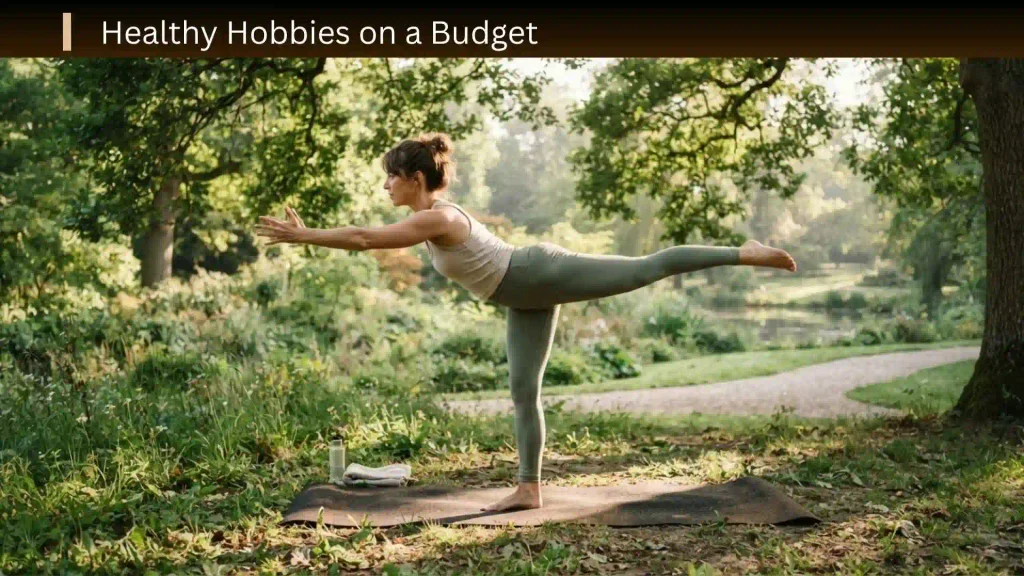
Many enjoyable hobbies cost little or nothing to begin.
Low Cost Options
- Walking
- Reading from a library
- Writing
- Drawing
- Hiking
- Birdwatching
- Meditation
- Stargazing
- Body-weight exercise
- Volunteering
For hobbies that require equipment, consider borrowing, renting, buying secondhand items, or starting with basic supplies.
You also do not need to purchase every accessory associated with a hobby. Start with the essentials and upgrade only when you know you genuinely enjoy the activity.
Healthy Hobbies for Different Personalities
Your personality and preferences can make certain hobbies more appealing than others.
| If you prefer… | Consider… |
| Solitude | Reading, drawing, gardening, journaling |
| Social activities | Team sports, volunteering, dance classes |
| Nature | Hiking, birdwatching, camping, gardening |
| Creativity | Painting, photography, crafts, music |
| Learning | Languages, chess, reading, instruments |
| Physical movement | Cycling, swimming, dancing, walking |
| Quiet activities | Puzzles, knitting, reading, stargazing |
| Practical skills | Cooking, woodworking, DIY projects |
There is no requirement to stay within one category. Your ideal combination might be a solitary creative hobby during the week and a social outdoor hobby on weekends.
How to Turn a Hobby Into a Sustainable Habit
Finding a hobby is only the first step. The bigger challenge is continuing it.
Start Small
Avoid making your new hobby unnecessarily demanding.
If you want to start hiking, you do not need to plan an all-day mountain trip. If you want to learn guitar, you do not need to practice for hours every day.
A manageable beginning makes it easier to establish consistency.
Schedule It
Treat your hobby as legitimate personal time.
You might reserve:
- 20 minutes after work for reading
- Saturday morning for gardening
- One evening each week for a class
- Sunday afternoon for photography or hiking
A scheduled hobby is less likely to disappear from a busy calendar.
Focus on Enjoyment
Progress can be motivating, but enjoyment should remain part of the experience.
You do not have to monetize your hobby, compete in it, become an expert, or turn it into a side business.
Sometimes a hobby is valuable simply because you like doing it.
Give Yourself Permission to Change
Not every hobby will suit you.
You might try painting and discover that you prefer photography. You might start running and realize that cycling is more enjoyable.
Experimentation is part of finding activities that genuinely fit your lifestyle.
Are Healthy Hobbies Better Than Passive Entertainment?
Not necessarily.
Watching a movie, playing a video game, listening to music, or browsing entertainment can also be a perfectly reasonable way to relax. The problem arises when passive screen-based entertainment crowds out movement, sleep, social connection, responsibilities, or activities you actually value.
A balanced lifestyle can include both active and passive leisure.
The useful question is not “Is this hobby productive?” but rather “Does this way of spending my free time fit what I need and value?”
Can a Hobby Improve Mental Well-Being?
A hobby can provide opportunities for enjoyment, relaxation, creativity, learning, accomplishment, or social connection. Those experiences may contribute to overall well-being.
However, a hobby should not be treated as a replacement for professional help when someone is experiencing significant or persistent mental health difficulties.
The healthiest approach is to view hobbies as one part of a broader lifestyle that can also include adequate sleep, physical activity, nourishing food, relationships, and appropriate professional support when needed.
How Many Healthy Hobbies Should You Have?
There is no ideal number.
Some people prefer one hobby they can pursue deeply. Others enjoy having several activities for different situations—for example, reading when they want quiet time, hiking when they want to be outdoors, and cooking when they want a creative project.
A useful combination might include:
- One active hobby
- One creative or intellectual hobby
- One relaxing hobby
- One social activity, if you enjoy socializing
But even one enjoyable hobby can be enough.
What Makes a Hobby Truly Healthy?
A hobby tends to be a good addition to your lifestyle when it:
- You genuinely enjoy
- Fits realistically into your schedule
- Is appropriate for your abilities
- Does not create unnecessary financial pressure
- Allows reasonable recovery and balance
- Gives you something meaningful to look forward to
- Does not consistently interfere with sleep, work, relationships, or responsibilities
A hobby does not have to maximize productivity to be worthwhile.
Frequently Asked Questions
What are the best healthy hobbies?
Some excellent choices include walking, hiking, cycling, swimming, gardening, dancing, yoga, reading, cooking, photography, painting, volunteering, playing an instrument, and learning a language. The best option depends on whether your priority is physical activity, relaxation, creativity, learning, or social connection.
What is the healthiest hobby?
There is no single healthiest hobby for everyone. A hobby that you enjoy, can perform safely, and can maintain consistently is generally more useful than an activity you dislike or cannot realistically fit into your lifestyle.
What are healthy hobbies to do at home?
Reading, cooking, baking, drawing, painting, knitting, crochet, playing music, journaling, meditation, puzzles, language learning, and many forms of exercise can be done at home.
What are healthy hobbies for adults?
Adults can choose from a wide range of hobbies, including hiking, gardening, cycling, cooking, photography, volunteering, recreational sports, reading, crafts, music, woodworking, and learning new skills.
What are healthy hobbies for people who do not like exercise?
Try hobbies that involve gentle movement without feeling like a formal workout, such as gardening, photography walks, birdwatching, dancing, casual cycling, or exploring museums and local attractions on foot.
What are healthy hobbies for introverts?
Reading, writing, drawing, painting, gardening, photography, knitting, puzzles, cooking, stargazing, and learning an instrument can all be enjoyed independently.
What are healthy social hobbies?
Team sports, dance classes, book clubs, volunteering, community gardening, choirs, board-game groups, language clubs, and recreational classes can provide opportunities to interact with other people.
What are healthy hobbies that are inexpensive?
Walking, reading through a public library, journaling, drawing, hiking, birdwatching, meditation, stargazing, volunteering, and body-weight exercise can all be started with little financial investment.
Can healthy hobbies be relaxing?
Yes. Reading, gardening, knitting, drawing, journaling, meditation, photography, and stargazing can all provide forms of relaxing leisure. The best choice depends on what you personally find calming.
Can hobbies count as exercise?
Some hobbies involve meaningful physical activity, including hiking, cycling, swimming, dancing, gardening, and recreational sports. However, whether a particular activity provides enough physical activity for your individual goals depends on its intensity, duration, and your circumstances.
Conclusion
Healthy hobbies do not have to be complicated. Walking through a local park, tending a few plants, reading before bed, learning to play guitar, joining a recreational sports group, or spending an afternoon taking photographs can all make free time more meaningful.
The most useful approach is to choose hobbies based on what you actually need and enjoy. If you want more movement, try hiking or cycling. If you need creative time, experiment with painting or crafts. If you want to learn, consider reading, languages, chess, or music. If you want connection, explore volunteering, clubs, classes, or team activities.
Most importantly, do not feel pressured to make every hobby productive. A hobby can simply be something you enjoy. When an activity fits naturally into your life and gives you a reason to look forward to your free time, it can become a valuable part of a healthy, balanced lifestyle.

I’m James Anderson, a dedicated writer and lifelong learner who enjoys researching topics and explaining them in a practical way. Through my work at Cognivoora, I aim to give readers reliable, easy-to-follow information that helps them learn something new. I always try to keep my writing natural, useful, and focused on the questions readers actually have.
Books:
- A Practical Guide to Better Thinking
- Questions Worth Asking