Finding a hobby that truly holds your attention can feel surprisingly difficult when your mind is always looking for something new. I know that choosing an activity can sometimes be harder than actually doing it and you may start one hobby with excitement only to lose interest a few days later. The good news is that you don’t need a complicated or expensive hobby to stay engaged.
The right hobby can give you room to move, create, explore, solve problems, or simply follow your curiosity. Whether you enjoy making things, being active, learning new skills, or spending quiet time on your own, there are plenty of hobbies that can fit different interests and energy levels. In this guide, you’ll discover simple hobby ideas that are enjoyable, flexible, and easier to stick with, so you can find something that feels genuinely rewarding rather than like another task on your to-do list.
What Are Good Hobbies for People With ADHD(Quick Answer)
Good hobbies for people with ADHD are activities that provide enough interest, movement, novelty, creativity, sensory engagement, or immediate feedback to keep the person involved.
Some strong options include:
- Hiking and nature walks
- Cycling
- Dancing
- Martial arts
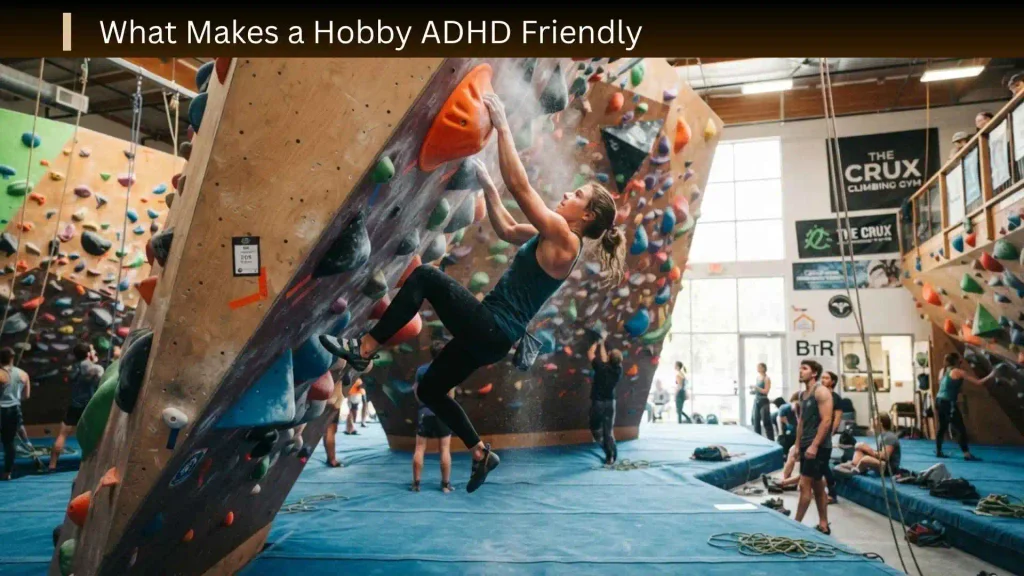
- Rock climbing
- Gardening
- Photography
- Drawing and painting
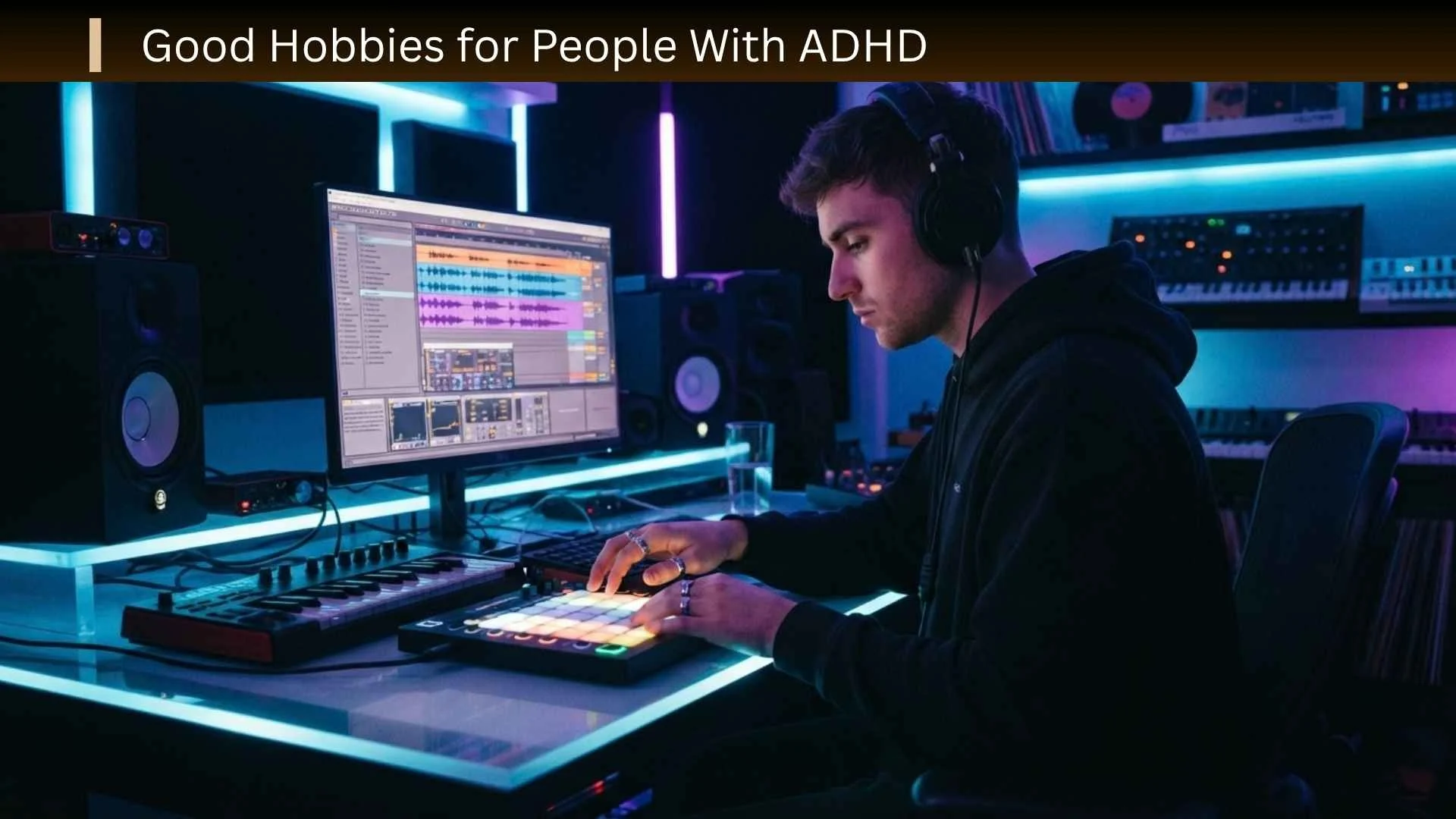
- Playing a musical instrument
- Cooking and baking
- Woodworking
- Crafts and DIY projects
- Video games
- Board games and puzzles
- Reading
- Writing
- Learning languages
- Aquariums and animal care
- Volunteering
- Geocaching
There is no single hobby that works for everyone with ADHD. The best choice depends on whether you prefer movement, creativity, competition, quiet concentration, social interaction, hands-on work, or frequent novelty.
What Makes a Hobby ADHD Friendly?
Before choosing a hobby, it helps to understand why some activities may be easier to stick with than others.
ADHD is associated with challenges involving attention, organization, procrastination, time management, completing lengthy tasks, and maintaining focus when an activity is not sufficiently interesting.
A hobby may therefore be easier to maintain when it has one or more of these characteristics:
1. It provides immediate feedback
Activities such as drawing, cooking, gaming, photography, and woodworking produce visible or tangible results. Seeing progress can make it easier to stay engaged.
2. It offers novelty
Trying different trails, photographing new subjects, learning new recipes, or experimenting with crafts can provide variety instead of requiring the same routine every time.
3. It involves movement
Walking, cycling, dancing, martial arts, swimming, and climbing can be appealing when sitting still for long periods feels difficult. NIMH also lists regular physical exercise among lifestyle strategies that may help people manage ADHD alongside established treatments.
4. It can be divided into short sessions
A hobby does not need to require several uninterrupted hours. Sketching for 20 minutes, tending a few plants, taking photographs during a short walk, or completing one small DIY project can still count.
5. It is genuinely interesting to you
This may be the most important factor. A hobby chosen solely because someone says it is “good for ADHD” may not hold your attention if you do not actually enjoy it.
20 Good Hobbies for People With ADHD
1. Hiking and Nature Walks
Hiking combines physical movement, changing scenery, exploration, and sensory stimulation. Unlike an activity that requires sitting in one place, hiking gives you something new to look at and respond to as you move.
You can also adjust the experience to your energy level. A short local trail can be a hobby on busy weeks, while longer hikes can become bigger weekend projects.
Best for: People who enjoy movement, exploration, and being outdoors.
Beginner idea: Start with short, well-marked trails rather than immediately planning difficult hikes.
2. Cycling
Cycling offers movement, changing scenery, and a clear sense of progress. You can ride around your neighborhood, use local bike trails, commute by bicycle, or gradually work toward longer routes.
It also allows you to vary the experience. One day might involve a relaxed ride, while another could involve exploring a new route.
Best for: People who become restless with sedentary hobbies.
Beginner idea: Start with short, familiar routes and use appropriate safety equipment.
3. Dancing
Dancing combines music, movement, coordination, and learning. It can be particularly appealing if traditional workouts feel repetitive.
You do not need to become a professional dancer. Options include ballroom dancing, hip-hop, salsa, line dancing, contemporary dance, or simply learning routines at home.
Best for: People who enjoy music and movement.
Beginner idea: Choose one beginner routine or class instead of trying to learn multiple styles at once.
4. Martial Arts
Martial arts can provide structured physical activity while also requiring attention to technique, timing, coordination, and progression.
Different disciplines have very different styles, so it is worth visiting a reputable local school and observing a beginner class before committing.
Best for: People who enjoy structure, movement, skill development, and measurable progression.
Beginner idea: Look for a beginner-friendly class with qualified instructors and appropriate safety practices.
5. Rock Climbing
Indoor climbing can be engaging because each route presents a different problem. Instead of repeating exactly the same movement, you may need to think about balance, positioning, grip, and strategy.
That problem-solving element can make climbing feel more like a challenge than a conventional workout.
Best for: People who enjoy physical challenges and solving problems.
Beginner idea: Try a supervised introductory session at an established climbing gym.
6. Photography
Photography can turn an ordinary walk into an exploration activity. You might focus on architecture one day, wildlife another day, or experiment with portraits, landscapes, street scenes, or close-up photography.
A smartphone is enough to begin, so there is no need to purchase expensive camera equipment immediately.
Best for: Creative people who like exploration and visual details.
Beginner idea: Choose a simple weekly challenge such as photographing five interesting textures or unusual shapes.
7. Drawing and Painting
Drawing and painting provide creative freedom while still offering a tangible result.
You can choose highly structured activities, such as following tutorials, or completely open-ended projects. Digital drawing can also be an option if you prefer working on a tablet or computer.
Best for: People who enjoy visual creativity and independent projects.
Beginner idea: Start with inexpensive pencils, sketchbooks, or basic paints rather than buying a large collection of supplies.
8. Playing a Musical Instrument
Learning guitar, piano, drums, ukulele, or another instrument can combine immediate feedback with long-term skill development.
A useful approach is to keep practice sessions short. Instead of expecting yourself to practice for an hour every day, begin with a manageable session and gradually increase it if you naturally want to continue.
Best for: People who enjoy music, repetition with variation, and measurable improvement.
Beginner idea: Learn songs you actually like rather than practicing only technical exercises.
9. Cooking and Baking
Cooking can work well as a hobby because it combines planning, sensory experiences, creativity, and a visible end result.
Recipes can also provide external structure when deciding what to do feels difficult. Once you become comfortable, you can experiment with ingredients and create your own dishes.
Best for: People who enjoy hands-on activities and immediate results.
Beginner idea: Choose a small collection of simple recipes and gradually expand your skills.
10. Gardening
Gardening gives you a reason to move around, work with your hands, and observe gradual changes over time.
You do not need a large backyard. Herbs, flowers, vegetables, and houseplants can all provide starting points.
Best for: People who enjoy nature, hands-on work, and longer-term projects.
Beginner idea: Start with a few low-maintenance plants rather than creating an elaborate garden immediately.
11. Woodworking
Woodworking can be appealing to people who like building physical objects. Measuring, cutting, assembling, sanding, and finishing create distinct stages, while the finished product provides a clear sense of accomplishment.
Because tools and materials can create safety risks, beginners should learn proper tool use and use appropriate protective equipment.
Best for: Hands-on people who enjoy building and problem-solving.
Beginner idea: Start with a simple project and learn one or two tools properly before expanding your workshop.
12. Crafts and DIY Projects
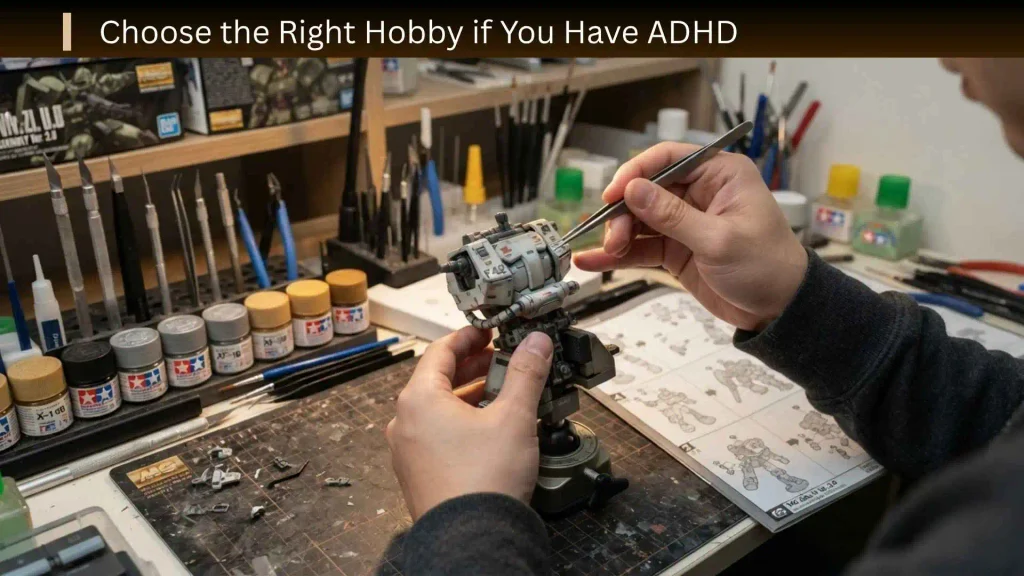
Crafts provide an enormous range of options, including knitting, crochet, model building, paper crafts, sewing, jewelry making, painting miniatures, and home DIY projects.
This category can be particularly useful if you like switching between projects rather than committing to one narrow activity.
Best for: Creative people who like tactile projects and variety.
Beginner idea: Pick projects that can be completed relatively quickly so unfinished supplies do not accumulate.
13. Video Games
Video games can provide clear goals, immediate feedback, challenges, progression systems, and novelty. Different genres offer very different experiences.
Puzzle games may suit someone who enjoys problem-solving. Strategy games can appeal to people who like planning. Cooperative games may provide social interaction, while exploration games can satisfy curiosity.
Gaming can also become difficult to regulate for some people, so it helps to establish boundaries if you notice it interfering with sleep, work, school, relationships, or other responsibilities.
Best for: People who enjoy interactive challenges and digital environments.
Beginner idea: Choose games based on the type of engagement you want rather than simply choosing whatever is most popular.
14. Board Games and Puzzles
Board games provide structured challenges without requiring a screen. Depending on the game, you can get competition, strategy, storytelling, social interaction, or problem-solving.
Jigsaw puzzles, crossword puzzles, logic puzzles, and mechanical puzzles offer quieter alternatives.
Best for: People who enjoy challenges and structured activities.
Beginner idea: Start with shorter games or smaller puzzles if long sessions are difficult to finish.
15. Reading
Reading can be a rewarding hobby for people with ADHD, but choosing the right format matters.
Long, dense books may be difficult for some readers to maintain attention on. Short stories, graphic novels, audiobooks, nonfiction books built around specific interests, and highly engaging fiction can provide easier entry points.
Best for: People who enjoy stories, learning, or deep interests.
Beginner idea: Give yourself permission to stop reading a book that consistently fails to hold your interest.
16. Writing
Writing can take many forms, including journaling, creative writing, poetry, blogging, short stories, fan fiction, or writing about a personal interest.
It can be especially appealing when you have a topic that naturally captures your attention.
Best for: People who enjoy ideas, storytelling, or expressing themselves through words.
Beginner idea: Write short pieces instead of setting an intimidating goal such as completing an entire book.
17. Learning a Language
Language learning combines listening, speaking, reading, memory, and cultural exploration.
It can also be adapted to different attention styles. You can alternate between apps, videos, music, conversation practice, books, and real-world situations instead of relying on one repetitive study method.
Best for: Curious people who enjoy learning and variety.
Beginner idea: Pick one language and connect it to something you already enjoy, such as movies, music, food, or travel.
18. Geocaching
Geocaching turns outdoor exploration into a search-and-discovery activity. Participants use GPS-enabled devices to find hidden containers or locations.
The combination of movement, exploration, problem-solving, and a specific objective can make an ordinary walk feel more purposeful.
Best for: People who like treasure hunts, exploration, and outdoor activities.
Beginner idea: Start with easier geocaches in familiar public areas and follow local rules and safety guidance.
19. Volunteering
Volunteering can turn a hobby into a way to contribute to something meaningful. Options range from animal shelters and community organizations to environmental projects, libraries, food banks, and event support.
It can also provide external structure, which may be useful if completely self-directed hobbies are difficult to maintain.
Best for: People who enjoy helping others or want more social structure.
Beginner idea: Choose a small, clearly defined commitment before taking on a recurring schedule.
20. Collecting
Collecting can appeal to people who enjoy research, discovery, categorization, and building toward a goal.
Possible collections include books, coins, postcards, vinyl records, art prints, sports memorabilia, rocks, plants, or other items.
The main challenge is keeping the hobby within a comfortable budget and available space.
Best for: People who enjoy research, categorization, and long-term goals.
Beginner idea: Define a specific theme or limit before buying items so the hobby remains manageable.
Best Hobbies for Different ADHD Preferences
Not everyone with ADHD wants the same type of stimulation. A better way to choose is to start with the experience you want from the hobby.
| If you want… | Consider… | Why it may fit |
| More movement | Cycling, dancing, hiking | Keeps you physically active |
| Creative expression | Drawing, photography, writing | Allows open-ended creativity |
| Hands-on work | Woodworking, crafts, gardening | Gives you something tangible to do |
| Competition | Martial arts, sports, games | Provides clear challenges and goals |
| Quiet concentration | Reading, puzzles, painting | Offers a calmer activity |
| Social interaction | Board games, dancing, volunteering | Creates opportunities to interact |
| Outdoor exploration | Hiking, geocaching, photography | Adds changing surroundings |
| Learning | Languages, instruments, cooking | Builds skills through practice |
| Immediate results | Cooking, crafts, photography | Produces visible outcomes |
| Long-term projects | Gardening, collecting, woodworking | Builds progress over time |
The table is not a ranking. A hobby that works extremely well for one person may be frustrating for another.
How to Choose the Right Hobby if You Have ADHD
Instead of asking, “What hobby is best for ADHD?” ask a more useful question:
“What type of activity can I realistically enjoy returning to?”
Consider these factors.
Do You Need Movement?
If sitting still makes hobbies difficult to maintain, start with activities such as cycling, hiking, dancing, swimming, martial arts, or climbing.
Do You Need Novelty?
Choose hobbies that naturally change from session to session. Photography, hiking, cooking, crafts, gaming, and language learning can all provide variety.
Do You Prefer Structure?
Some people find completely open-ended activities difficult to start. Classes, lessons, recipes, organized games, and guided projects provide an external framework.
Do You Like Visible Progress?
Consider hobbies where you can see what you accomplished. Gardening, woodworking, drawing, cooking, collecting, and learning an instrument all provide tangible milestones.
Do You Prefer Solo or Social Activities?
A solo hobby can reduce social pressure, while a group hobby can provide accountability and scheduled interaction. Neither is inherently better.
How Much Setup Can You Tolerate?
This is an overlooked factor.
A hobby may sound exciting but become difficult if every session requires finding equipment, setting up a workspace, and cleaning everything afterward.
If getting started is your biggest obstacle, choose a hobby with low setup requirements or keep the necessary supplies visible and ready.
Low Cost Hobbies for People With ADHD
You do not need an expensive hobby to make it worthwhile.
Some low-cost starting points include:
- Walking
- Hiking on accessible local trails
- Writing
- Drawing
- Reading
- Photography with a smartphone
- Cooking with ingredients you already use
- Gardening with a few plants
- Bodyweight exercise
- Geocaching
- Free community activities
- Learning through public educational resources
- Birdwatching
A useful strategy is to test the activity before investing heavily in equipment.
For example, use your phone before buying a camera, borrow books before building a large library, or attend an introductory class before purchasing specialized equipment.
Hobbies That Can Be Done in Short Sessions
If you often lose interest after long periods, choose activities that can be started and stopped easily.
Good examples include:
- Sketching
- Photography
- Reading a few pages
- Playing a short video game
- Practicing an instrument
- Cooking a simple recipe
- Gardening
- Knitting or crochet
- Puzzles
- Journaling
- Language practice
A hobby does not become more legitimate because you spend hours doing it.
A 15- or 20-minute session can still be meaningful if it gives you enjoyment and a reason to return.
How to Make a Hobby Easier to Stick With
Choosing the right hobby is only part of the equation. The way you organize it can matter just as much.
Keep the Starting Step Small
Instead of “I need to spend two hours painting,” try “I will open the sketchbook and draw for 10 minutes.”
A smaller starting requirement reduces the mental barrier to beginning.
Keep Supplies Accessible
If an activity requires ten minutes of setup before you can begin, you may be less likely to start.
Keep frequently used materials together and make the first step obvious.
Follow Your Interests
If you suddenly become fascinated by a particular subject, use that interest.
For example, someone interested in space might combine reading with astronomy, photography, stargazing, or model building.
Use External Structure When Helpful
Classes, clubs, scheduled meetups, instructors, or a hobby partner can provide a reason to show up.
Allow Yourself to Rotate Hobbies
You do not have to choose one hobby for the rest of your life.
If your interests change, rotate between a few activities. You might have one active hobby, one creative hobby, and one quiet hobby available at different times.
Avoid Turning Every Hobby Into a Productivity Project
A hobby does not need to become a business, a competition, or a measurable achievement.
If you enjoy collecting rocks, painting badly, playing guitar for fun, or taking pictures during walks, that can be enough.
What If You Start Hobbies but Keep Abandoning Them?

Frequently abandoning hobbies does not automatically mean you chose the wrong activity.
You may have enjoyed the hobby but lost interest after the initial excitement. You may also have chosen an activity with too much setup, too much repetition, too much expense, or too much time commitment.
Try changing the format before abandoning the entire interest.
For example:
- Replace long workouts with shorter sessions.
- Replace a large craft project with small projects.
- Replace reading a long book with short stories or audiobooks.
- Replace solo practice with a class.
- Replace repetitive routes with new walking or cycling routes.
- Replace buying equipment with borrowing or renting it.
- Replace an ambitious project with a beginner version.
The goal is not to force yourself to maintain a hobby that no longer interests you. The goal is to discover what makes an activity engaging enough to return to.
Can Hobbies Help With ADHD?
Hobbies can provide enjoyable activities, opportunities for physical activity, skill development, social connection, creativity, and structure. Physical activity in particular has established general health benefits, and NIMH notes regular exercise as one lifestyle strategy that may help people manage ADHD alongside treatment.
However, a hobby should not be treated as a replacement for professional ADHD care. ADHD treatment can include medication and psychotherapy, and an appropriate treatment plan depends on the individual.
If ADHD symptoms are making work, school, relationships, daily tasks, or other areas of life difficult, talking with a qualified healthcare professional is a better step than relying on a hobby alone.
Frequently Asked Questions
What is the best hobby for someone with ADHD?
There is no single best hobby for everyone with ADHD. Good choices often provide sufficient interest, movement, novelty, creativity, hands-on activity, clear goals, or immediate feedback. Hiking, cycling, photography, music, cooking, crafts, gaming, and gardening are examples.
Are active hobbies good for people with ADHD?
Active hobbies can be a good option, particularly for someone who enjoys movement or finds prolonged sitting difficult. Walking, cycling, dancing, swimming, hiking, martial arts, and climbing are possibilities. Regular exercise is also included among lifestyle strategies discussed by NIMH for adults with ADHD.
What are good indoor hobbies for people with ADHD?
Useful indoor options include drawing, painting, gaming, cooking, baking, music, crafts, reading, writing, puzzles, woodworking, and language learning. The best option depends on whether you prefer creativity, movement, problem-solving, or quiet concentration.
What are good hobbies for adults with ADHD who get bored easily?
Choose hobbies with built-in variety. Photography, hiking, cooking, crafts, gaming, language learning, gardening, and collecting can all change from one session to another. You can also rotate between several hobbies rather than forcing yourself to repeat one activity indefinitely.
What are inexpensive hobbies for people with ADHD?
Walking, writing, drawing, reading, smartphone photography, simple cooking, gardening with a few plants, bodyweight exercise, and some forms of geocaching can be started relatively inexpensively. Costs vary depending on equipment, location, and how far you take the hobby.
Should someone with ADHD choose a structured or unstructured hobby?
Either can work. If getting started is difficult, a structured class, lesson, recipe, club, or guided project may help. If you dislike rigid schedules, an open-ended hobby such as photography, drawing, hiking, or collecting may feel more natural.
Is it okay to have several hobbies instead of one?
Yes. Having several hobbies can be useful when your interests change frequently. You might keep one active hobby, one creative hobby, and one relaxing hobby so you have different options depending on your energy and interests.
Can a hobby replace ADHD treatment?
No. A hobby can be a useful part of a person’s lifestyle, but it should not be considered a replacement for professional ADHD treatment. Evidence-based ADHD care can include medication and psychotherapy, depending on the individual.
Conclusion
The best hobbies for people with ADHD are not necessarily the most productive, complicated, or popular activities. They are the ones that fit the individual’s interests, attention style, energy level, preferred amount of stimulation, and ability to get started.
If you enjoy movement, try hiking, cycling, dancing, or martial arts. If you prefer creativity, explore photography, drawing, music, writing, or crafts. If you like hands on projects, gardening, cooking, woodworking, or DIY activities may be better choices. For quieter interests, reading, puzzles, collecting, or language learning may work well.
Start small, avoid expensive commitments until you know you enjoy an activity, and give yourself permission to experiment. The right hobby is one you genuinely want to come back to not one you feel obligated to maintain.

I’m Ethan Mitchell, a curious writer who enjoys turning complex ideas into simple, useful information. At Cognivoora, I focus on creating clear and engaging content that readers can understand and apply in everyday life. I believe good writing should educate, answer real questions, and leave readers with something valuable to remember.
Books:
- The Everyday Mind
- Simple Ideas, Better Thinking