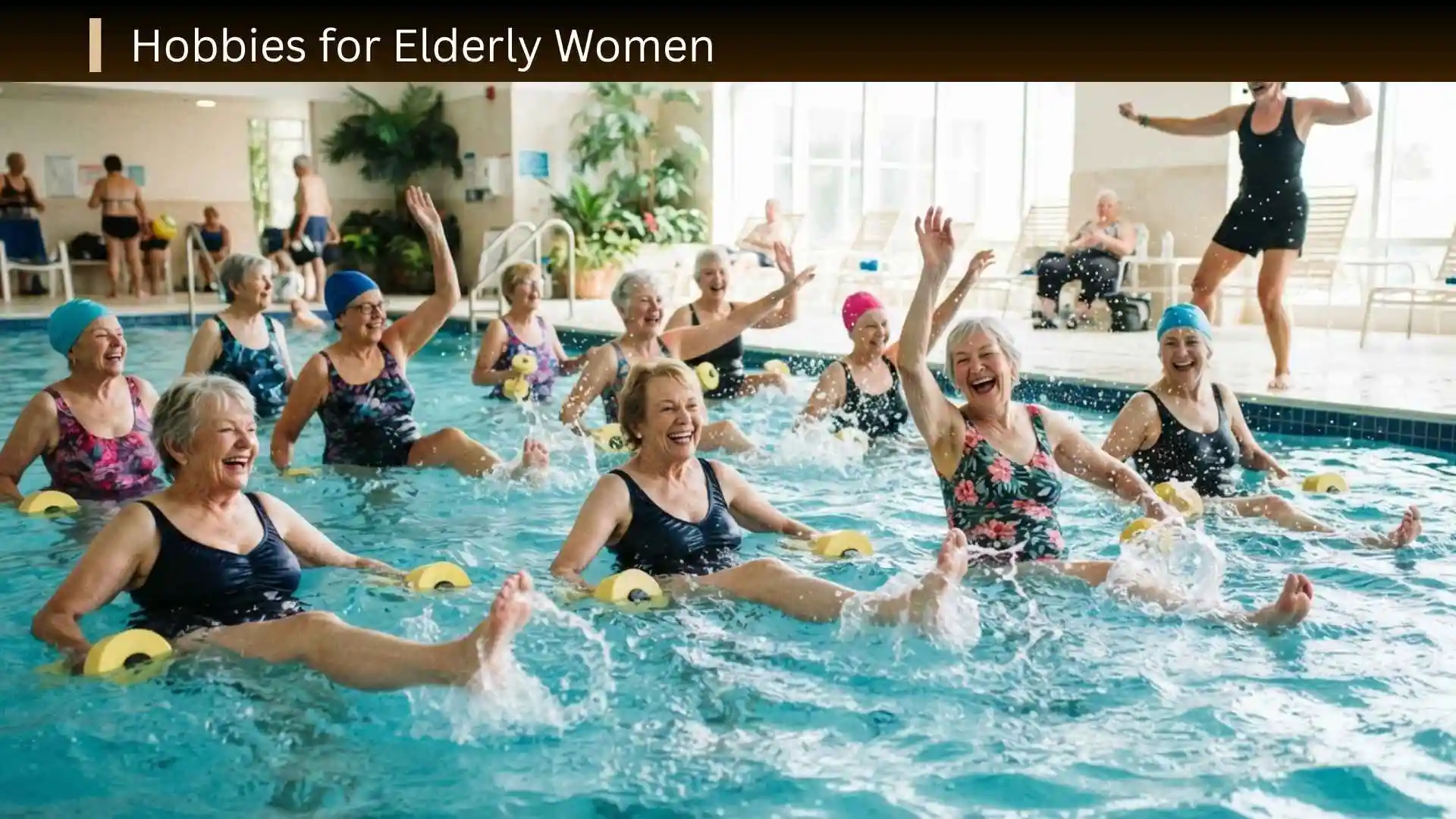
Finding enjoyable hobbies for such as older people women can make everyday life more interesting while creating opportunities for creativity, movement, learning, and social connection. The best hobby is not necessarily the most popular one it is one that fits a woman’s interests, energy level, mobility, budget, and preferred way of spending time.
For some women, that might mean gardening or watercolor painting. For others, it could be genealogy, reading, quilting, birdwatching, baking, music, volunteering, or learning something completely new.
What Are Good Hobbies for such as older people Women (Quick Answer)
Some of the best hobbies for such as older people women include:
- Gardening and container gardening
- Knitting, crocheting, and embroidery
- Painting and drawing
- Reading and book clubs
- Birdwatching
- Photography
- Baking and cooking
- Genealogy and family-history research
- Puzzles and board games
- Writing and journaling
- Singing or playing an instrument
- Sewing and quilting
- Scrapbooking
- Flower arranging
- Walking and gentle nature activities
- Yoga or chair yoga
- Dancing
- Volunteering
- Learning a new language
- Taking online classes
- Caring for houseplants
- Collecting
- Pottery and ceramics
- Calligraphy
- Crossword and word games
- Meditation and mindfulness
- Fishing
- Travel planning
- Knitting or craft groups
- Watching and discussing classic films
- Raising butterflies or creating a pollinator garden
- Cooking for family or community events
- Visiting museums and galleries
- Making handmade gifts
- Learning digital photography or technology
The right choice depends on whether the goal is creative expression, social connection, gentle physical activity, mental stimulation, relaxation, or simply having fun.
Why Hobbies Matter as We Get Older
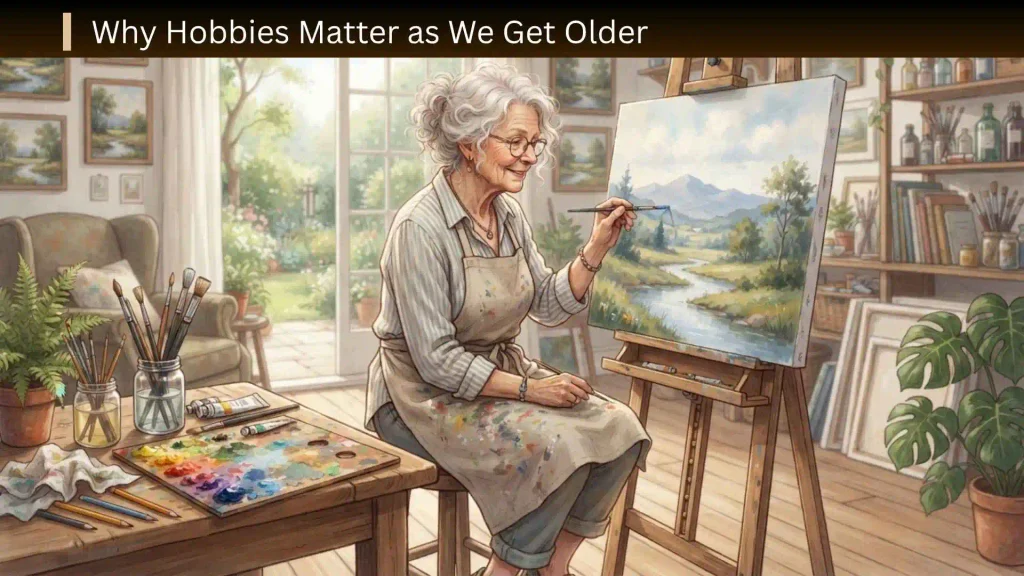
Retirement or changes in family responsibilities can create more free time, but having free time does not automatically make daily life satisfying. A meaningful hobby gives that time some structure and purpose.
Hobbies can also provide different types of engagement. Gardening involves movement and attention. Knitting combines creativity with repetitive hand movements. A book club adds reading and conversation. Volunteering can provide a sense of contribution and community.
Social hobbies may be particularly valuable. The CDC recommends that older adults find enjoyable activities with other people, including gardening, painting, cooking, crafts, book clubs, games, dancing, and group exercise.
Creative activities can also be a good way to keep learning. The National Institute on Aging notes that older adults can learn new skills and that activities such as quilting, digital photography, dance classes, and book clubs can provide cognitive and social engagement.
Hobbies Do Not Have to Be Physically Demanding
A common misconception is that a hobby has to involve exercise or outdoor activity to be worthwhile.
It does not.
Someone with limited mobility may enjoy:
- Painting
- Reading
- Writing
- Puzzles
- Knitting
- Audiobooks
- Genealogy
- Music
- Online classes
- Scrapbooking
- Digital photography
- Board games
- Crafts
The goal is to find an activity that is enjoyable and appropriately challenging.
35 Hobbies for such as older people Women to Try
1. Gardening
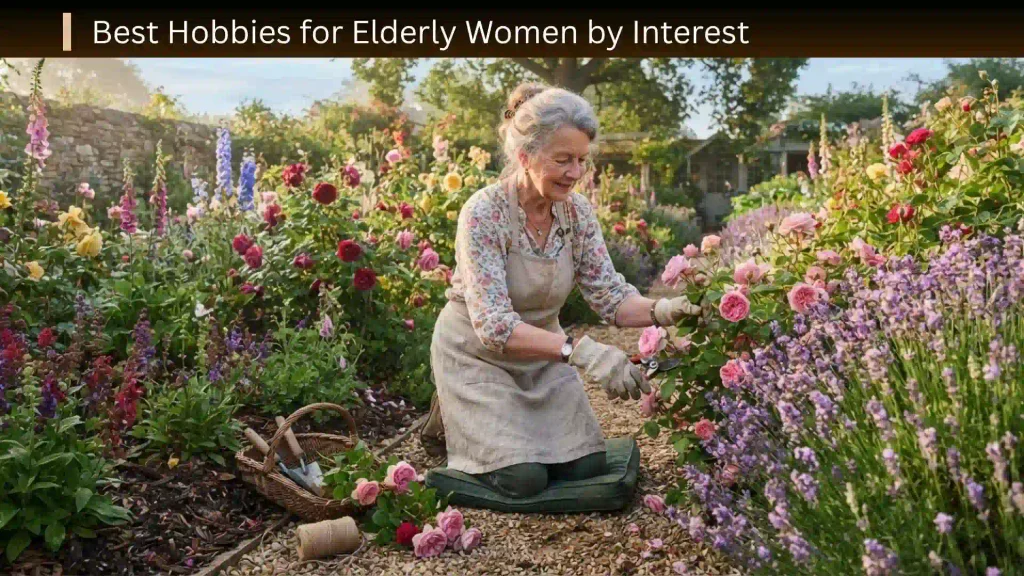
Gardening is a versatile hobby because it can be adapted to different spaces and ability levels.
A large backyard is not necessary. A woman can grow herbs on a windowsill, flowers in containers, vegetables in raised beds, or houseplants indoors.
Good for: Nature lovers, women who enjoy nurturing plants, and people who like hands-on activities.
Easy starting point: Begin with a few low-maintenance plants rather than creating an entire garden.
2. Container Gardening
Container gardening is especially useful for someone who does not want to maintain a large garden.
Plants can be grown on a patio, balcony, porch, or other suitable space. Containers can also make gardening easier to organize.
3. Knitting
Knitting can be a relaxing creative hobby that produces useful or decorative items.
Projects can include:
- Scarves
- Hats
- Blankets
- Dishcloths
- Baby items
- Simple home decorations
Beginners can start with a basic project and gradually learn more complicated patterns.
4. Crocheting
Crochet is another popular fiber craft with many beginner-friendly projects.
A woman can make blankets, scarves, baskets, flowers, ornaments, or handmade gifts. Crochet can also become a social hobby when practiced with a local craft group.
5. Embroidery
Embroidery allows beginners to create decorative designs using relatively simple materials.
It can be particularly appealing to someone who enjoys detailed, artistic work but does not want a large project.
6. Quilting
Quilting combines fabric selection, design, cutting, and sewing.
It can be a long-term hobby because projects range from simple small quilts to elaborate heirloom pieces. Local quilting groups can also provide a strong social component.
7. Sewing
Sewing can be practical as well as creative.
Possible projects include:
- Pillow covers
- Simple clothing alterations
- Fabric bags
- Aprons
- Home decorations
- Gifts
Someone new to sewing can start with a basic machine and a straightforward project.
8. Painting
Painting offers plenty of flexibility.
Watercolor, acrylic, and other painting styles allow beginners to experiment without needing to produce technically perfect artwork.
Painting flowers, landscapes, pets, still-life subjects, or abstract designs can all be enjoyable.
The National Endowment for the Arts reports that arts participation among older adults has been associated with positive health and well-being outcomes, although these associations should not be interpreted as proof that a particular art activity prevents a disease.
9. Drawing
Drawing requires very little equipment.
A sketchbook and pencils can be enough to get started. Drawing can also be combined with another hobby, such as nature walks or travel.
10. Photography
Photography is a particularly flexible hobby because it can be done with a smartphone or a dedicated camera.
Subjects might include:
- Flowers
- Birds
- Architecture
- Family gatherings
- Landscapes
- Pets
- Sunsets
- Local attractions
Digital photography can also encourage continued learning because there are always new techniques and editing skills to explore.
11. Reading
Reading is one of the easiest hobbies to adapt to different lifestyles.
Options include:
- Novels
- Biographies
- History
- Mystery books
- Memoirs
- Poetry
- Travel books
- Magazines
- Audiobooks
For women with vision difficulties, audiobooks or large-print books may make reading more comfortable.
12. Joining a Book Club
A book club combines reading with social interaction.
Instead of reading alone, participants can discuss characters, themes, historical settings, and their reactions to a book.
Libraries, community centers, senior centers, and informal neighborhood groups may offer opportunities to join or create one.
13. Genealogy
Genealogy can turn family history into a fascinating long-term project.
A beginner can start by:
- Writing down names and dates they already know.
- Talking with relatives.
- Organizing old photographs.
- Recording family stories.
- Researching historical records.
- Creating a family tree.
This hobby can also become an opportunity to preserve memories for younger generations.
14. Journaling
Journaling does not have to be a traditional diary.
Possible approaches include:
- Daily reflections
- Gratitude journaling
- Memory writing
- Travel journals
- Family stories
- Poetry
- Recipe collections
- Personal essays
A woman who has accumulated decades of experiences may find that writing them down becomes a meaningful creative project.
15. Creative Writing
Creative writing can include short stories, poetry, memoir, personal essays, or fictional characters.
It is also possible to join a writing group where participants share ideas and provide constructive feedback.
16. Scrapbooking
Scrapbooking combines photographs, memories, decorative materials, and storytelling.
It can be used to create albums about:
- Children and grandchildren
- Weddings
- Vacations
- Family history
- Holidays
- Special events
Digital scrapbooking is another option for someone who prefers working on a computer or tablet.
17. Baking
Baking can be both creative and practical.
A beginner might start with cookies, muffins, quick breads, or simple cakes before moving on to more elaborate recipes.
For someone who lives alone, baking can also be an opportunity to make treats for friends, neighbors, family members, or community gatherings.
18. Cooking New Recipes
Cooking becomes a hobby when it goes beyond simply preparing necessary meals.
Try choosing a theme such as:
- Italian cooking
- Southern cooking
- Vegetarian meals
- International cuisine
- Bread making
- Homemade soups
- Seasonal recipes
Cooking with another person can turn the activity into a social experience.
19. Birdwatching
Birdwatching can be enjoyed from a backyard, balcony, local park, or nature area.
A basic pair of binoculars and a bird-identification guide can be enough to begin.
For someone with limited mobility, placing a bird feeder where it can be viewed comfortably from indoors may provide an accessible alternative.
20. Nature Walks
Walking can combine a hobby with regular physical activity.
The National Institute on Aging recommends physical activity for older adults and notes benefits for physical function, emotional health, sleep, and quality of life.
The important consideration is choosing a level and environment appropriate for the individual.
21. Chair Yoga
Chair-based movement can be an option for people who prefer seated or supported activities.
However, movements should match the person’s abilities, and anyone with medical or mobility concerns should consider asking a healthcare professional about appropriate exercise.
22. Dancing
Dancing can be social, musical, and physically active at the same time.
Options include:
- Ballroom dancing
- Line dancing
- Senior dance classes
- Slow dancing
- Dance-based fitness classes
- Dancing at home
Older adults are generally encouraged to include aerobic, muscle-strengthening, and balance activities as part of their physical activity routine.
23. Singing
Singing can be done alone or with others.
A woman might sing at home, join a community choir, participate in a church choir, or attend group singing sessions.
Music also provides an opportunity for social connection and creative expression.
24. Learning a Musical Instrument
It is never necessary to have started an instrument as a child.
Adults can begin with accessible instruments such as:
- Keyboard
- Ukulele
- Recorder
- Harmonica
- Guitar
The goal is learning and enjoyment rather than professional performance.
25. Puzzles
Puzzles can be a convenient indoor hobby.
Options include:
- Crossword puzzles
- Jigsaw puzzles
- Word searches
- Sudoku
- Logic puzzles
- Number puzzles
Different types provide different levels of challenge, so it is easy to choose something appropriate.
26. Board and Card Games
Games are especially useful for women who enjoy social hobbies.
Try:
- Bridge
- Rummikub
- Scrabble
- Dominoes
- Chess
- Checkers
- Canasta
- Mahjong
- Traditional card games
The CDC specifically lists card and board games among activities older adults can use to connect with other people. (CDC)
27. Flower Arranging
Flower arranging combines creativity with nature.
Fresh flowers, dried flowers, or artificial flowers can all be used. Small arrangements can also make practical handmade gifts.
28. Pottery and Ceramics
Pottery provides a tactile creative experience.
A local studio or community center may offer beginner classes, which can make the hobby more social while providing access to equipment.
29. Calligraphy
Calligraphy can be a relaxing option for someone who enjoys lettering and detailed work.
Projects might include:
- Greeting cards
- Quotes
- Gift tags
- Journaling pages
- Decorative signs
30. Collecting
Collecting can turn an existing interest into an organized hobby.
Possible collections include:
- Postcards
- Stamps
- Vintage cookbooks
- Teacups
- Seashells
- Antiques
- Holiday ornaments
- Family memorabilia
The best collections are usually based on genuine interest rather than simply buying objects.
31. Volunteering
Volunteering can give a hobby a strong sense of purpose.
Possible opportunities include:
- Libraries
- Animal shelters
- Food banks
- Museums
- Schools
- Community organizations
- Hospitals, where appropriate
- Local charitable organizations
Volunteer activities should be chosen according to the person’s energy, mobility, transportation options, and schedule.
32. Learning a New Language
Language learning provides an ongoing challenge rather than a hobby with a fixed endpoint.
Apps, books, community classes, conversation groups, and online courses can all be used.
Learning can also be connected to travel, family heritage, or communication with friends.
33. Online Classes
The internet provides access to classes in subjects ranging from art and history to cooking, music, technology, and languages.
For beginners, the best class is often one with clear instructions, manageable lessons, and opportunities to practice.
34. Travel Planning
Travel planning can become a hobby even when someone is not traveling frequently.
A woman might research:
- National parks
- Historic towns
- Museums
- Scenic train routes
- Family destinations
- Road trips
- Cultural attractions
Creating an itinerary, learning about local history, and organizing photographs can make travel more meaningful.
35. Houseplant Care
Houseplants bring gardening indoors.
Someone can begin with a small collection and learn about watering, light, potting, propagation, and seasonal care.
For a woman who loves gardening but cannot manage outdoor work easily, houseplants may provide a simpler alternative.
Best Hobbies for such as older people Women by Interest
Different people want different things from their free time. This quick guide can make choosing easier.
| If she enjoys… | Good hobbies to try |
| Creativity | Painting, drawing, quilting, pottery, embroidery |
| Nature | Gardening, birdwatching, houseplants, nature walks |
| Socializing | Book clubs, card games, dancing, volunteering |
| Quiet activities | Reading, puzzles, journaling, knitting |
| Learning | Genealogy, languages, online classes, music |
| Family memories | Scrapbooking, genealogy, photography, memoir writing |
| Gentle movement | Walking, gardening, dancing, chair-based exercise |
| Cooking | Baking, recipe collecting, international cooking |
| Music | Singing, choir, instruments, music appreciation |
| Technology | Digital photography, online classes, digital scrapbooking |
| Very low equipment | Reading, journaling, drawing, puzzles |
| Group activities | Quilting groups, choirs, book clubs, gardening groups |
Best Hobbies for such as older people Women Living Alone
Living alone does not mean every hobby needs to be solitary.
A good combination is to choose one independent hobby and one social hobby.
For example:
- Reading + book club
- Gardening + gardening group
- Knitting + craft circle
- Photography + local photography group
- Baking + community events
- Walking + walking group
- Painting + art class
- Genealogy + family-history group
The CDC notes that regular positive interactions and supportive relationships are important aspects of social connectedness and suggests activities such as painting, gardening, cooking, crafts, book clubs, games, and group exercise. (CDC)
Best Indoor Hobbies for such as older people Women
Indoor hobbies can be especially convenient during extreme weather or for people who prefer staying home.
Some strong choices include:
- Reading
- Knitting
- Crochet
- Embroidery
- Painting
- Drawing
- Journaling
- Genealogy
- Scrapbooking
- Puzzles
- Baking
- Cooking
- Singing
- Learning an instrument
- Online courses
- Digital photography
- Houseplants
A comfortable chair, good lighting, accessible supplies, and an organized workspace can make many indoor hobbies easier to enjoy.
Best Outdoor Hobbies for such as older people Women
For women who enjoy being outside, consider:
- Gardening
- Birdwatching
- Nature photography
- Walking
- Container gardening
- Fishing
- Outdoor sketching
- Visiting botanical gardens
- Nature journaling
- Light hiking where appropriate
- Community gardening
Outdoor hobbies can provide both a change of scenery and opportunities for movement.
How to Choose the Right Hobby
The best hobby is usually the one that a person will actually enjoy doing regularly.
Consider these five questions:
What Does She Already Enjoy?
Start with existing interests instead of assuming she needs a completely new activity.
Someone who loves family history may naturally enjoy genealogy. Someone who enjoys decorating may prefer flower arranging or crafts.
Does She Prefer People or Solitude?
Some women recharge by themselves, while others enjoy frequent social interaction.
A hobby can be matched accordingly.
More solitary: reading, journaling, drawing, puzzles, gardening.
More social: dancing, book clubs, volunteering, choirs, craft groups.
How Much Physical Activity Is Appropriate?
Consider mobility, balance, endurance, and any personal limitations.
A physically active hobby should be increased gradually rather than approached as a competition. NIA recommends starting slowly and building activity over time.
How Much Does It Cost?
Not every hobby requires expensive equipment.
Low-cost options often include:
- Walking
- Journaling
- Drawing
- Reading from the library
- Birdwatching from home
- Puzzles
- Houseplant propagation
- Writing
- Online learning using free resources
Other hobbies, such as pottery, quilting, photography, or certain musical instruments, may require a larger initial investment.
Is the Hobby Comfortable and Accessible?
Accessibility matters.
Look for:
- Comfortable seating
- Adequate lighting
- Easy-to-handle tools
- Large-print instructions when useful
- Supplies that are easy to reach
- Safe walking surfaces
- Convenient transportation to classes or groups
A hobby should fit the person—not force the person to struggle to fit the hobby.
How to Make Hobbies More Social
A hobby often becomes more rewarding when it creates regular opportunities to interact with other people.
Try:
- Joining a local senior center.
- Checking the public library for clubs and classes.
- Looking for community-center programs.
- Joining a gardening, quilting, or craft group.
- Attending local art classes.
- Finding a walking group.
- Starting a small book club with friends.
- Volunteering regularly.
- Taking a group cooking or dance class.
- Inviting family members to participate.
Social connection does not have to mean a large group. One regular friend, neighbor, family member, or hobby partner can be enough to make an activity more social.
Hobbies That Combine Creativity and Movement
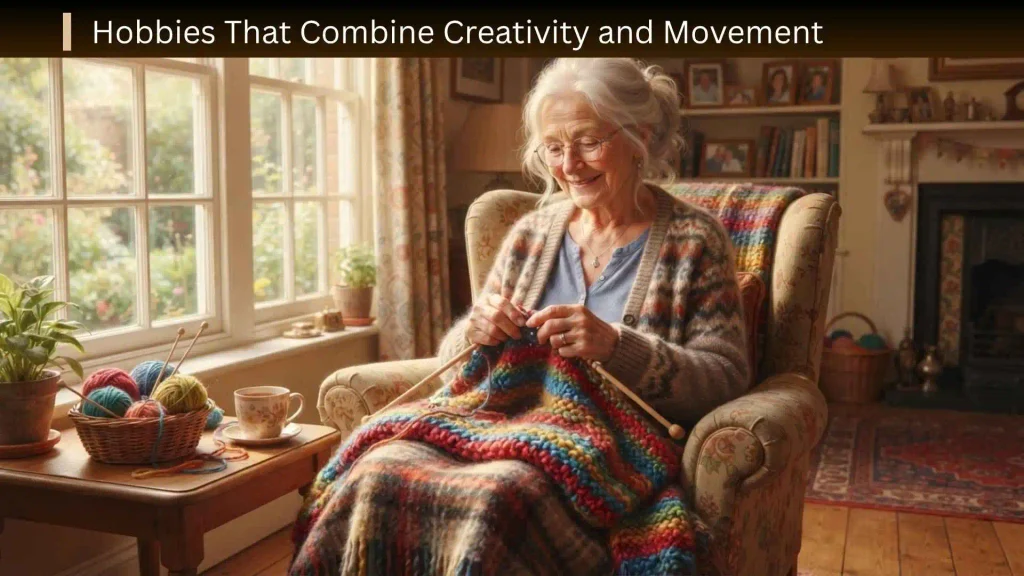
Some hobbies provide more than one type of engagement.
Gardening is a good example because it can involve light physical activity, planning, time outdoors, and creativity.
Dancing combines movement, music, and social interaction.
Walking photography combines physical activity with observation and creativity.
The National Institute on Aging recommends variety in physical activity and notes that activities such as dancing, yoga, and water aerobics can incorporate multiple types of exercise.
Safety Tips for Choosing Active Hobbies
An enjoyable hobby should also be appropriate for the individual’s abilities.
For active hobbies:
- Start gradually.
- Choose stable, well-maintained walking surfaces.
- Wear appropriate footwear.
- Keep frequently used equipment easy to reach.
- Take breaks when needed.
- Stay hydrated during appropriate activities.
- Consider weather conditions.
- Use mobility or safety equipment when recommended.
- Ask a healthcare professional about appropriate activity if there are significant health or mobility concerns.
Falls are an important consideration for older adults. The CDC reports that more than one in four older adults report falling each year, so hobbies involving movement should be adapted to the individual’s abilities and environment. (CDC)
How to Start a New Hobby Without Feeling Overwhelmed
Starting small is often better than buying everything at once.
Try this approach:
Step 1: Pick one interest.
Choose something that sounds genuinely enjoyable.
Step 2: Try the beginner version.
Do not start with an expensive or complicated project.
Step 3: Set aside a regular time.
Even a short, consistent session can help establish the hobby.
Step 4: Decide whether you enjoy it.
Not every hobby needs to become a long-term commitment.
Step 5: Add social interaction if desired.
A class, club, friend, or family member can make the activity more engaging.
Step 6: Adjust as needed.
If an activity becomes uncomfortable, expensive, frustrating, or difficult to manage, modify it or try something else.
Frequently Asked Questions
What are the best hobbies for such as older people women at home?
Reading, knitting, crochet, painting, drawing, puzzles, journaling, genealogy, baking, houseplant care, music, scrapbooking, and online classes are excellent options for home-based hobbies.
What are inexpensive hobbies for such as older people women?
Walking, reading through a library, journaling, drawing, birdwatching from home, puzzles, writing, houseplant propagation, and using free online educational resources can be inexpensive ways to start.
What hobbies are good for such as older people women with limited mobility?
Reading, audiobooks, painting, drawing, knitting, crochet, embroidery, puzzles, genealogy, writing, music, online learning, and accessible gardening can work well. Physical activities should be adapted to the individual’s abilities.
What are good social hobbies for older women?
Book clubs, quilting circles, gardening groups, choirs, dancing, volunteering, card games, board games, cooking groups, art classes, and walking groups can provide regular opportunities for social interaction.
Can older women learn completely new hobbies?
Yes. Age does not prevent someone from learning a new skill. The National Institute on Aging specifically notes that older adults can learn new things and create new memories.
Are creative hobbies beneficial for older adults?
Creative activities can provide opportunities for self-expression, learning, enjoyment, and social engagement. Research summarized by the National Endowment for the Arts has linked arts participation among older adults with several positive health and well-being outcomes, but these findings do not mean that a specific art hobby is a treatment for a medical condition.
How can I help an older woman find a hobby she actually enjoys?
Start with her existing interests rather than choosing an activity based solely on age. Offer a few possibilities, let her try them without a large investment, and pay attention to whether she finds the activity enjoyable, comfortable, and meaningful.
Conclusion
The best hobbies for such as older people women are not defined by age. They are defined by personal interests, abilities, comfort, budget, and the kind of experience someone wants from her free time.
Gardening, crafts, reading, genealogy, photography, music, cooking, puzzles, volunteering, and social clubs are just starting points. A woman may discover that a hobby she enjoyed decades ago becomes meaningful again, or she may find herself fascinated by something she has never tried before.
The most useful approach is simple: start with something enjoyable, begin at a manageable level, and choose hobbies that support the kind of daily life she wants. For active hobbies, match the activity to individual abilities and build gradually. For social hobbies, look for opportunities to connect with friends, family, clubs, libraries, senior centers, or community organizations. Regular enjoyable activities can add structure, creativity, learning, and connection to everyday life.

I’m James Anderson, a dedicated writer and lifelong learner who enjoys researching topics and explaining them in a practical way. Through my work at Cognivoora, I aim to give readers reliable, easy-to-follow information that helps them learn something new. I always try to keep my writing natural, useful, and focused on the questions readers actually have.
Books:
- A Practical Guide to Better Thinking
- Questions Worth Asking