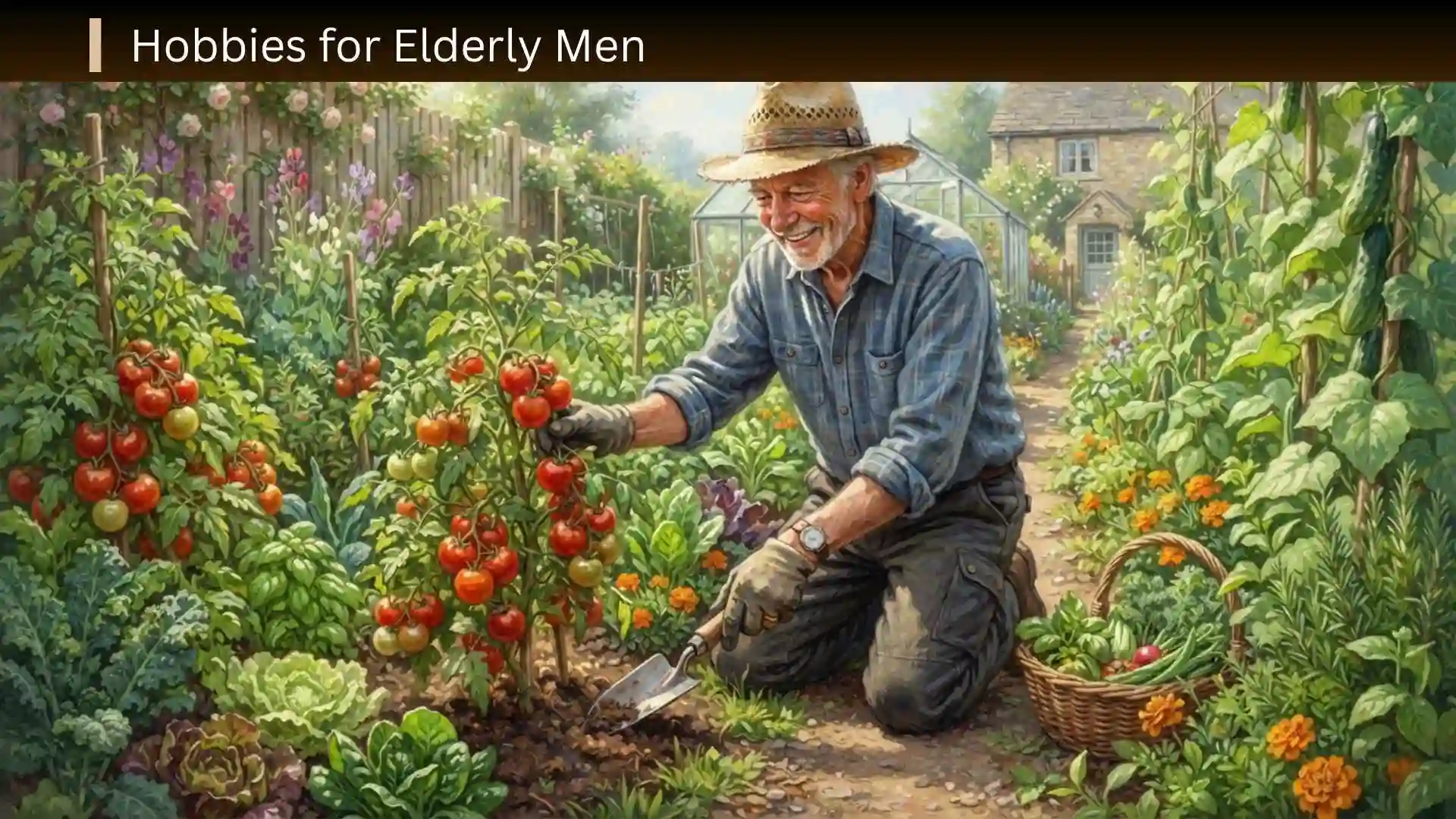
Finding enjoyable hobbies for elderly men can be a great way to fill free time with activities that provide purpose, creativity, learning, relaxation, or social connection. The best choice depends less on age and more on personal interests, available space, budget, mobility, and how much time someone wants to spend on the activity.
From woodworking and gardening to reading, fishing, photography, puzzles, and volunteering, there are options for nearly every personality and lifestyle.
Best Hobbies for Elderly Men
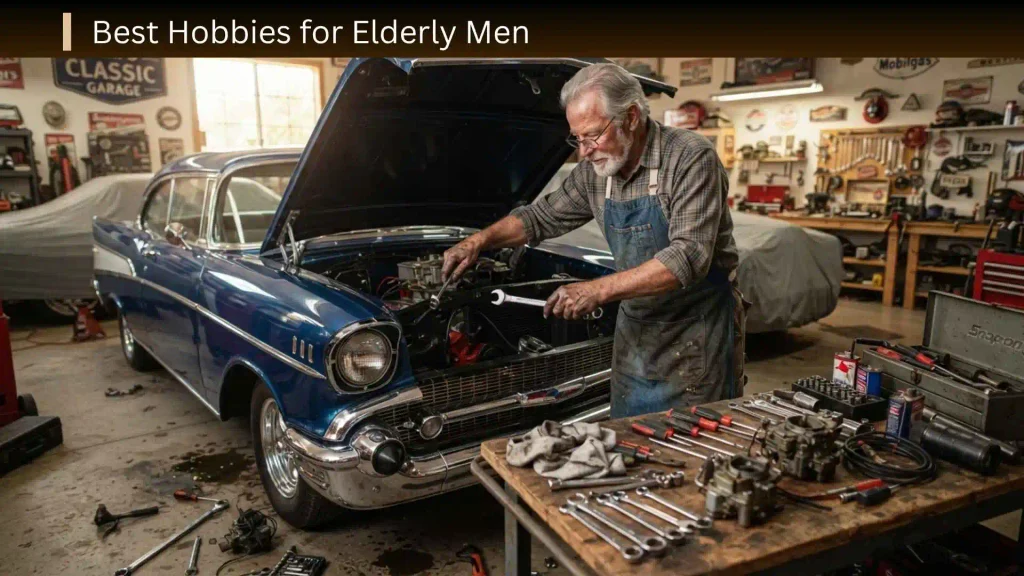
Here are some practical options to consider:
| Hobby | Typical Cost | Activity Level | Good For |
| Gardening | Low–Moderate | Light–Moderate | Nature lovers |
| Reading | Low | Low | Quiet relaxation |
| Woodworking | Moderate–High | Moderate | Hands-on creators |
| Fishing | Moderate | Light–Moderate | Outdoorsmen |
| Photography | Low–High | Light | Creative exploration |
| Birdwatching | Low–Moderate | Light | Nature enthusiasts |
| Model building | Low–Moderate | Low | Detail-oriented people |
| Cooking | Low–Moderate | Light | Food lovers |
| Chess | Low | Low | Strategic thinkers |
| Genealogy | Low | Low | Family historians |
| Painting | Low–Moderate | Low | Creative personalities |
| Walking | Very Low | Light–Moderate | People who enjoy being outdoors |
| Volunteering | Usually Free | Varies | Social connection |
| Fishing | Moderate | Light–Moderate | Outdoor recreation |
| Collecting | Varies | Low | Enthusiasts |
| Writing | Very Low | Low | Storytellers |
| Playing an instrument | Low–High | Low | Music lovers |
| Birdhouse building | Low–Moderate | Light | DIY enthusiasts |
| Puzzles | Low | Low | Quiet entertainment |
| Golf | Moderate–High | Moderate | Social recreation |
| Model trains | Moderate–High | Low | Builders and collectors |
| History research | Low | Low | History enthusiasts |
| Drawing | Low | Low | Creative beginners |
| Card games | Low | Low | Social entertainment |
| Astronomy | Low–High | Low | Curious learners |
The cost and activity level can vary considerably depending on equipment, location, and the way the hobby is practiced.
1. Gardening
Gardening is one of the most versatile hobbies for elderly men because it can be adapted to different spaces and activity levels.
A large backyard is not necessary. Container gardening, raised beds, window boxes, and indoor plants can provide similar opportunities for growing and caring for plants.
Popular projects include:
- Growing vegetables and herbs
- Maintaining flower beds
- Growing tomatoes in containers
- Caring for houseplants
- Creating a small pollinator garden
- Propagating plants
- Growing fruit trees where suitable
For someone who finds bending or kneeling uncomfortable, raised beds and container gardens can make the hobby easier to manage.
2. Fishing
Fishing can combine time outdoors with patience, observation, and a relaxed pace. It can also be a social hobby when done with friends, relatives, or a local fishing group.
The equipment can range from a relatively simple rod-and-reel setup to more specialized gear. Beginners can start with basic equipment rather than purchasing everything at once.
Before fishing, check the applicable state regulations, licensing requirements, seasons, and local rules.
3. Reading
Reading is an inexpensive hobby that can be enjoyed almost anywhere.
A reader can explore:
- Historical nonfiction
- Biographies
- Mystery novels
- Westerns
- Science fiction
- Travel books
- Memoirs
- Classic literature
- Newspapers and magazines
Large-print books, e-readers with adjustable text, and audiobooks can provide alternatives for people who find conventional print difficult to read.
4. Woodworking
Woodworking can be particularly appealing to men who enjoy making tangible objects.
Beginners can start with relatively simple projects such as:
- Birdhouses
- Small shelves
- Planter boxes
- Picture frames
- Wooden signs
- Simple boxes
Safety should come before complexity. Appropriate eye protection, hearing protection, dust control, proper lighting, and safe tool practices are important when working with power or hand tools.
Someone with limited space can also choose smaller woodworking projects rather than setting up a full workshop.
5. Photography
Photography provides a reason to explore familiar places from a different perspective.
A person can photograph:
- Landscapes
- Birds
- Flowers
- Architecture
- Family gatherings
- Local events
- Sunrises and sunsets
- Interesting objects around the home
A smartphone is enough to begin. A dedicated camera can be considered later if the person becomes interested in more advanced photography.
6. Birdwatching
Birdwatching is a good option for people who enjoy nature and observation without needing a highly strenuous activity.
A basic setup might include binoculars, a bird identification guide, and a notebook or smartphone for recording observations.
Birdwatching can be done from a backyard, local park, nature preserve, or even through a window at home.
7. Genealogy and Family History
Genealogy turns family stories, photographs, documents, and memories into a long-term research project.
Someone interested in family history might:
- Interview older relatives.
- Organize family photographs.
- Record names and important dates.
- Research public records.
- Build a family tree.
- Preserve stories for children and grandchildren.
This hobby can be especially rewarding for someone who enjoys history and careful research.
It is also an excellent project to share with younger family members.
8. Model Building
Model building offers a hands-on hobby without requiring a large physical workspace.
Possible subjects include:
- Cars
- Airplanes
- Ships
- Military vehicles
- Buildings
- Historical scenes
- Model trains
The complexity can range from beginner kits to highly detailed projects. People who enjoy careful work and following instructions may particularly enjoy this hobby.
If fine-detail work becomes difficult, larger models or simpler kits may be more comfortable.
9. Painting
Painting doesn’t require professional artistic ability.
Beginners can experiment with:
- Watercolor
- Acrylic painting
- Oil painting
- Landscape painting
- Still life
- Painting by reference
- Abstract art
The goal can simply be learning and enjoying the process rather than producing gallery-quality artwork.
10. Cooking and Baking
Cooking can become both a practical skill and an enjoyable hobby.
An elderly man who has always wanted to learn more about food could explore a particular area rather than trying to master everything at once.
For example:
- Bread baking
- Grilling
- Regional American cooking
- International cuisine
- Homemade soups
- Desserts
- Slow-cooker recipes
- Homemade sauces
Cooking also creates opportunities to share the results with family and friends.
11. Fishing and Outdoor Exploration
For men who enjoy being outside but want more variety than gardening, outdoor exploration can become a broader hobby.
This might include visiting local parks, exploring scenic areas, photographing wildlife, or taking relaxed nature walks.
The key is choosing activities that match the individual’s comfort, mobility, weather conditions, and access to transportation.
12. Chess and Strategy Games
Chess provides an inexpensive way to spend time thinking and playing with another person.
Other options include:
- Checkers
- Backgammon
- Bridge
- Dominoes
- Scrabble
- Card games
- Jigsaw puzzles
- Strategy board games
These hobbies can be played in person or, when preferred, through digital platforms.
13. Writing
Writing can be much more than publishing a book.
A person could write:
- Memoirs
- Family stories
- Short stories
- Poetry
- Personal reflections
- Travel memories
- Letters to grandchildren
- Local history
One useful project is creating a collection of life stories for family members. Even short entries about childhood, work, friendships, holidays, or memorable events can become meaningful family records.
14. Playing a Musical Instrument
Retirement can provide time to return to an instrument someone played years ago or learn a new one.
Possible choices include:
- Guitar
- Piano or keyboard
- Harmonica
- Ukulele
- Drums
- Recorder
Learning can be done through books, online lessons, community classes, or an instructor.
The important thing is choosing an instrument and learning approach that feels manageable and enjoyable.
15. Collecting
Collecting can turn an existing interest into a structured hobby.
Examples include:
- Coins
- Stamps
- Vintage postcards
- Sports memorabilia
- Books
- Model cars
- Historical objects
- Antique tools
A good collection does not have to be expensive. Someone can focus on inexpensive items connected to a particular theme, location, period, or personal interest.
16. Volunteering
Volunteering can provide structure and opportunities to interact with other people while contributing to a community.
Possible settings include:
- Libraries
- Museums
- Community organizations
- Food banks
- Schools
- Animal shelters
- Parks
- Veteran organizations
- Religious or community centers
The best opportunity depends on local availability and the person’s interests and abilities.
17. Golf
Golf can be both recreational and social.
For someone who enjoys the game but doesn’t want to play a full round, alternatives include:
- Driving ranges
- Putting practice
- Short-game practice
- Golf lessons
- Casual rounds
Golf can require walking and prolonged outdoor exposure, so the appropriate format depends on an individual’s physical comfort and local conditions.
18. Model Trains
Model railroading combines construction, design, collecting, electronics, and storytelling.
A small layout can fit on a tabletop, while larger layouts can become long-term projects.
Someone starting from scratch can begin with a simple train set and expand gradually rather than investing in a large setup immediately.
19. Astronomy and Stargazing
Astronomy can be enjoyed without expensive equipment.
Beginners can start by learning major constellations, observing the Moon, and following visible planets and other astronomical events.
A smartphone astronomy app or simple binoculars can help someone learn the night sky before deciding whether a telescope is worthwhile.
20. Puzzles
Puzzles are easy to fit into short periods of free time.
Options include:
- Jigsaw puzzles
- Crossword puzzles
- Sudoku
- Word searches
- Logic puzzles
- Mechanical puzzles
Someone who enjoys solving problems can rotate between different puzzle types to keep the hobby interesting.
21. History Research
A lifelong interest in history can become a deeper hobby during retirement.
Possible projects include researching:
- American history
- Military history
- Local history
- Historic buildings
- Family history
- Old photographs
- Historical maps
- A particular historical period
Local libraries, museums, historical societies, and archives can provide useful starting points.
22. Drawing
Drawing requires relatively little equipment and can be practiced indoors.
A beginner can start with pencils and paper and gradually explore:
- Sketching
- Portraits
- Landscapes
- Technical drawing
- Cartooning
- Architectural sketches
Short practice sessions can be enough to develop familiarity with basic techniques.
23. Birdhouse and Simple DIY Projects
For someone who likes building things but doesn’t want a complex woodworking project, small DIY projects can be a good middle ground.
Ideas include:
- Birdhouses
- Planters
- Simple shelves
- Garden signs
- Storage boxes
- Picture frames
These projects provide a clear beginning and end, which can make them satisfying for hobbyists who enjoy seeing a finished result.
24. Walking and Nature Observation
Walking does not have to be treated as exercise alone. It can become a hobby when combined with exploration and observation.
A walk might include photographing interesting scenery, identifying plants, watching birds, exploring local history, or visiting different parks.
The distance and pace can be adjusted according to personal ability and comfort.
25. Card Games and Social Games
Card games are especially useful for people who enjoy hobbies involving other people.
Depending on personal preference, someone might enjoy:
- Poker as a social game
- Bridge
- Rummy
- Solitaire
- Hearts
- Euchre
- Canasta
Local senior centers, community centers, libraries, and social clubs may offer opportunities to play with others.
How to Choose the Right Hobby

The best hobby isn’t necessarily the most popular one. It is the activity that fits the person’s interests and circumstances.
Consider these questions:
What Does He Already Enjoy?
Existing interests are often the easiest starting point. A man who enjoys history might prefer genealogy or collecting historical items, while someone who enjoys working with his hands might prefer woodworking or model building.
Does He Prefer Indoor or Outdoor Activities?
Outdoor options include gardening, fishing, birdwatching, photography, golf, and nature walks.
Indoor options include reading, puzzles, chess, painting, writing, model building, cooking, and music.
Many hobbies can work in both settings.
How Much Physical Activity Is Comfortable?
Some hobbies involve more standing, walking, bending, lifting, or fine motor work than others.
A hobby can often be adapted. For example, gardening can use raised beds, photography can focus on accessible locations, and model building can be done at a comfortable table.
If a new activity causes pain, dizziness, unusual shortness of breath, or other concerning symptoms, it is sensible to stop and seek appropriate medical advice rather than pushing through it.
Does He Want a Social Hobby?
Some men prefer hobbies they can enjoy alone, while others want regular interaction.
More social options: golf, volunteering, card games, fishing with friends, community classes, and group photography.
More solitary options: reading, genealogy, writing, puzzles, collecting, painting, and model building.
What Is the Budget?
A hobby does not need to be expensive.
Low-cost options: reading, writing, walking, drawing, puzzles, genealogy, birdwatching, and chess.
Moderate-cost options: gardening, photography, fishing, model building, and cooking.
Potentially expensive options: extensive woodworking, advanced photography equipment, golf, model railroading, and specialized collecting.
Starting small is usually a better approach than purchasing a large amount of equipment before knowing whether the hobby is enjoyable.
Hobbies for Elderly Men Who Want to Stay Social
If social interaction is an important part of the goal, consider activities where people naturally meet on a regular basis.
Good possibilities include:
- Volunteer work
- Golf groups
- Card clubs
- Chess clubs
- Community gardening
- Photography groups
- Fishing groups
- Art classes
- Book clubs
- Local historical societies
- Community-center activities
A social hobby can be especially appealing when it provides a regular schedule rather than requiring someone to arrange every meeting independently.
Hobbies for Elderly Men at Home
For someone who prefers staying at home, there are plenty of meaningful choices.
Some of the best include:
- Reading
- Genealogy
- Writing
- Painting
- Drawing
- Model building
- Puzzles
- Chess
- Cooking
- Baking
- Music
- Collecting
- Indoor gardening
- Photography
- Learning about history
A home-based hobby can also be useful for creating a routine around something enjoyable rather than simply trying to fill empty time.
Hobbies for Elderly Men With Limited Space
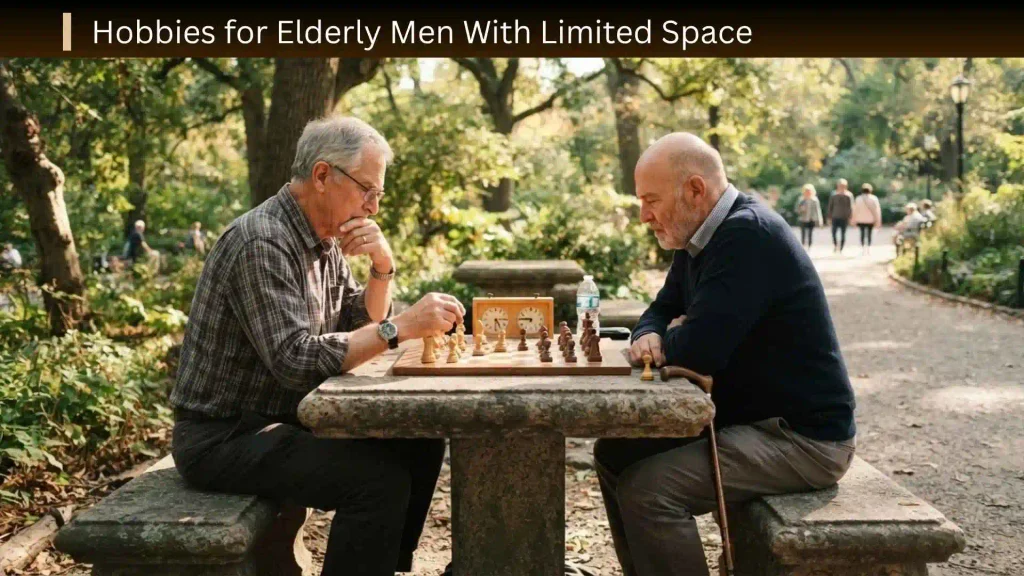
Small living spaces don’t eliminate hobby opportunities.
Consider:
- Reading
- Writing
- Drawing
- Puzzles
- Chess
- Genealogy
- Photography
- Collecting small items
- Model building
- Indoor plants
- Learning an instrument
A folding table, storage box, or compact workstation can help keep hobby materials organized without permanently taking over a room.
How to Start a New Hobby Without Overspending
Starting slowly is one of the easiest ways to make a new hobby sustainable.
1. Choose One Interest
Don’t buy equipment for five different hobbies at once. Pick the activity that sounds most appealing.
2. Start With Basic Equipment
Use what you already own whenever possible. Upgrade only after you understand what you actually need.
3. Set a Small First Project
A clearly defined first project is easier to approach than an enormous goal.
For example, a beginner gardener could grow a few herbs, while a new photographer could take pictures around the neighborhood.
4. Give It Several Attempts
A hobby may feel unfamiliar during the first session. Give it enough time to determine whether the learning process is enjoyable.
5. Look for Local Groups
Libraries, community centers, recreation departments, clubs, museums, and volunteer organizations may offer activities that make it easier to meet people with similar interests.
Frequently Asked Questions
What are some good hobbies for elderly men at home?
Reading, genealogy, writing, painting, puzzles, chess, model building, cooking, collecting, drawing, music, and indoor gardening are all suitable possibilities. The best option depends on personal interests, space, budget, and comfort.
What are inexpensive hobbies for elderly men?
Reading, walking, writing, drawing, puzzles, genealogy, chess, birdwatching, and learning about history can all be started relatively inexpensively.
What hobbies are good for elderly men who live alone?
Hobbies that combine personal enjoyment with opportunities for social interaction can be useful. Volunteering, card clubs, community classes, photography groups, book clubs, golf, and hobby clubs are possible choices.
What are good hobbies for an elderly man who gets bored easily?
Hobbies with variety and ongoing projects may be more engaging. Photography, gardening, genealogy, woodworking, model building, cooking, collecting, and historical research can all provide new challenges over time.
What are good creative hobbies for elderly men?
Painting, drawing, woodworking, photography, writing, model building, cooking, and playing music are strong creative options.
What hobbies can elderly men do outdoors?
Gardening, fishing, birdwatching, photography, golf, walking, nature observation, and exploring local parks are examples of outdoor hobbies. The activity should be adapted to individual comfort, mobility, weather, and local conditions.
Conclusion
The best hobbies for elderly men are not determined by age alone. A satisfying hobby should fit the person’s interests, abilities, budget, environment, and preferred level of social interaction.
For some men, gardening, fishing, golf, or birdwatching may provide an enjoyable reason to spend time outdoors. Others may prefer genealogy, reading, woodworking, photography, music, puzzles, or model building. Starting with a simple, affordable version of an activity makes it easier to discover what genuinely holds their interest.

I’m Olivia Bennett, a passionate writer who loves exploring ideas, learning new concepts, and sharing knowledge in a straightforward way. I write for Cognivoora with the goal of making useful topics easier to understand without unnecessary complexity. My approach combines research, clarity, and a reader-first perspective.
Books:
- Think Clearly, Live Better
- The Curious Reader’s Guide