Performance hobbies are activities that involve presenting a skill, talent, or creative expression to an audience. They include music, dance, acting, singing, public speaking, comedy, magic, spoken word poetry, and many other forms of live performance. These hobbies help people develop confidence, communication skills, creativity, discipline, and emotional expression while providing opportunities to entertain, educate, or inspire others.
Whether you dream of performing on a stage, speaking with confidence at work, or simply want a hobby that pushes you outside your comfort zone, performance hobbies offer rewarding personal and social benefits. This guide explores what performance hobbies are, their advantages, and the best activities to consider.
What Are Performance Hobbies?
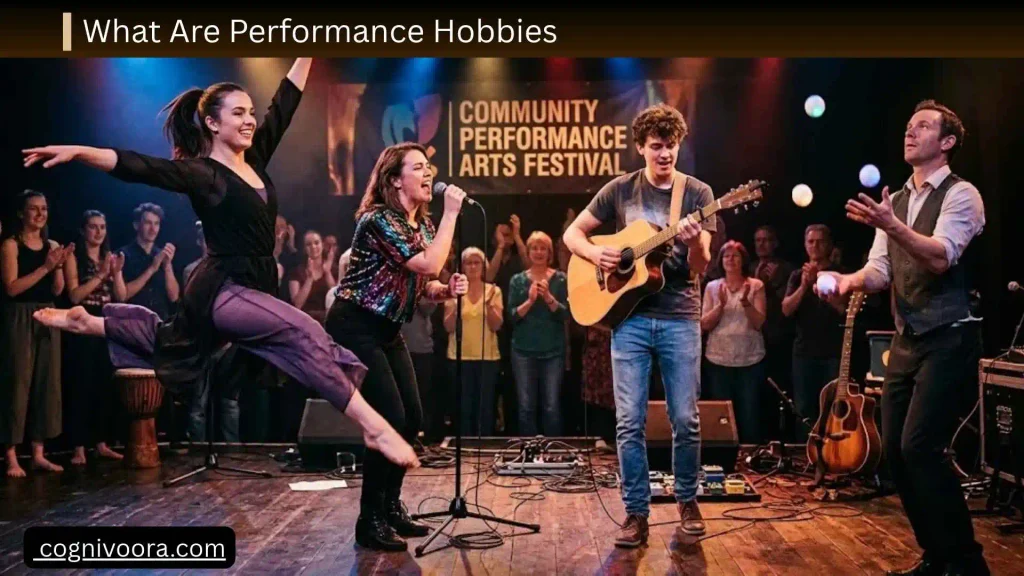
Performance hobbies are recreational activities where participants perform for an audience, whether it’s one person, a small group, or hundreds of spectators.
Unlike hobbies that are done entirely for personal enjoyment, performance hobbies involve sharing your skills or creativity with others. The audience can be live, virtual, or even recorded through videos and social media.
Common characteristics include:
- Practicing specific skills
- Improving through repetition
- Performing or presenting work publicly
- Receiving feedback
- Building confidence over time
Not every performance hobby requires a professional stage. Reading poetry at a local café, playing guitar for friends, or recording dance videos all count as performance hobbies.
Why Choose a Performance Hobby?
Many people start these hobbies because they enjoy music, acting, or dancing. However, they often discover benefits that extend into everyday life.
Improved Confidence
Standing in front of others becomes easier with regular practice. Over time, nervousness often gives way to confidence and self-assurance.
Better Communication Skills
Many performance hobbies improve:
- Speaking clearly
- Voice projection
- Body language
- Storytelling
- Active listening
These skills are valuable in school, college, business, and everyday conversations.
Enhanced Creativity
Performance encourages people to:
- Think creatively
- Solve problems
- Express emotions
- Interpret ideas in unique ways
Stronger Discipline
Learning choreography, memorizing scripts, or mastering a musical instrument requires consistent practice and patience.
Social Connections
Performance hobbies often involve clubs, classes, community groups, or local events, making them an excellent way to meet people with similar interests.
Best Performance Hobbies to Try

Below are some of the most popular and rewarding performance hobbies.
Singing
Singing is one of the most accessible performance hobbies. You can perform:
- Solo
- In a choir
- In a band
- At karaoke nights
- Online through video platforms
Benefits include improved breathing, vocal control, confidence, and emotional expression.
Dancing
Dance combines movement, rhythm, fitness, and creativity.
Popular dance styles include:
- Hip-hop
- Ballet
- Jazz
- Salsa
- Ballroom
- Contemporary
- Tap
- Country line dancing
Dance performances range from competitions to community showcases.
Playing a Musical Instrument
Learning an instrument develops technical skills while providing opportunities to perform.
Popular choices include:
- Guitar
- Piano
- Violin
- Drums
- Saxophone
- Ukulele
- Flute
Many musicians perform at local events, open mic nights, churches, or community festivals.
Theater and Acting
Acting allows people to explore different characters while improving communication and emotional intelligence.
Options include:
- Community theater
- School productions
- Musical theater
- Film acting
- Voice acting
Acting teaches teamwork, memorization, improvisation, and stage presence.
Public Speaking
Public speaking is one of the most practical performance hobbies because it improves communication in nearly every career.
You can practice through:
- Speech clubs
- Debate groups
- Community presentations
- Storytelling events
Many people discover that public speaking reduces anxiety and improves leadership skills.
Improv Comedy
Improvisational comedy focuses on creating scenes without a script.
Benefits include:
- Quick thinking
- Creativity
- Confidence
- Teamwork
- Adaptability
Improv also helps people become more comfortable with unexpected situations.
Stand-Up Comedy
Stand-up combines writing, storytelling, and performance.
Successful comedians develop skills in:
- Observation
- Timing
- Audience interaction
- Confidence
- Creative writing
Even beginners can perform at local open mic nights.
Spoken Word Poetry
Spoken word combines writing with expressive performance.
It allows people to share:
- Personal experiences
- Social issues
- Humor
- Inspiration
- Storytelling
Poetry readings often create supportive communities for new performers.
Magic
Magic is a unique performance hobby that combines entertainment with technical skill.
Performers learn:
- Sleight of hand
- Presentation
- Misdirection
- Audience engagement
- Showmanship
Magic can be performed at family gatherings, community events, or professional shows.
Circus Arts
Circus performance hobbies include:
- Juggling
- Unicycling
- Aerial silks
- Acrobatics
- Poi spinning
- Plate spinning
These activities combine athletic ability with artistic performance.
Performance Hobbies for Beginners
If you’re just getting started, these hobbies have relatively low barriers to entry:
| Hobby | Beginner Friendly | Equipment Needed |
| Karaoke | Excellent | Microphone (optional) |
| Spoken Word | Excellent | Notebook |
| Public Speaking | Excellent | None |
| Improv | Excellent | None |
| Dancing | Good | Comfortable clothing |
| Singing | Excellent | None |
| Guitar | Moderate | Guitar |
| Magic | Moderate | Beginner magic kit |
Performance Hobbies for Kids
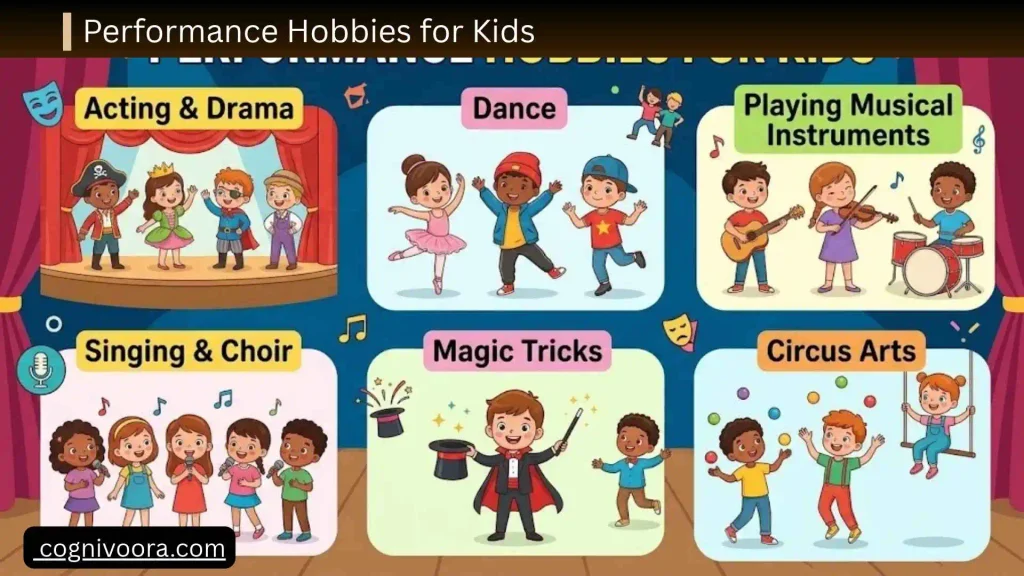
Children often benefit from performance hobbies because they encourage creativity and communication.
Popular options include:
- Children’s theater
- Choir
- Dance classes
- Piano lessons
- Magic
- Storytelling
- Puppet theater
These hobbies also help children develop teamwork and confidence.
Performance Hobbies for Teens
Teenagers often enjoy hobbies that combine creativity with social interaction.
Great choices include:
- Band
- Drama club
- Dance team
- Debate
- Cheerleading
- Spoken word
- Film acting
- DJing
These activities can strengthen college applications while building lifelong skills.
Performance Hobbies for Adults
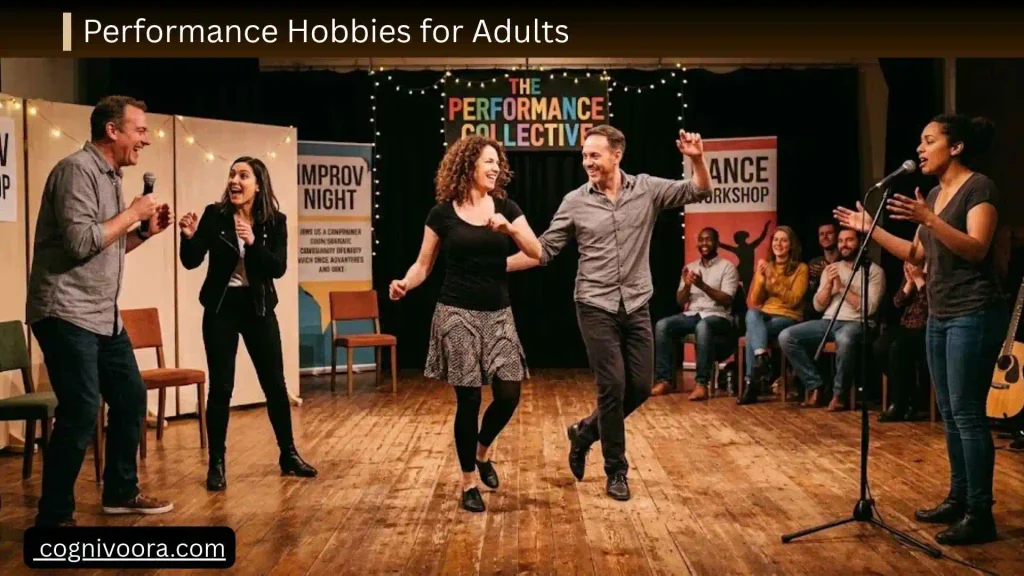
Adults often look for hobbies that relieve stress while providing opportunities for personal growth.
Popular choices include:
- Community theater
- Choir
- Ballroom dancing
- Improv classes
- Open mic performances
- Local bands
- Public speaking clubs
- Salsa dancing
Many communities offer beginner-friendly classes that welcome adults with no previous experience.
Indoor vs. Outdoor Performance Hobbies
Indoor Performance Hobbies
- Piano
- Theater
- Choir
- Magic
- Improv
- Public speaking
- Stand-up comedy
Outdoor Performance Hobbies
- Street music
- Outdoor theater
- Drum circles
- Cultural dance festivals
- Fire performance (with proper training and legal permissions)
- Historical reenactments
How to Choose the Right Performance Hobby
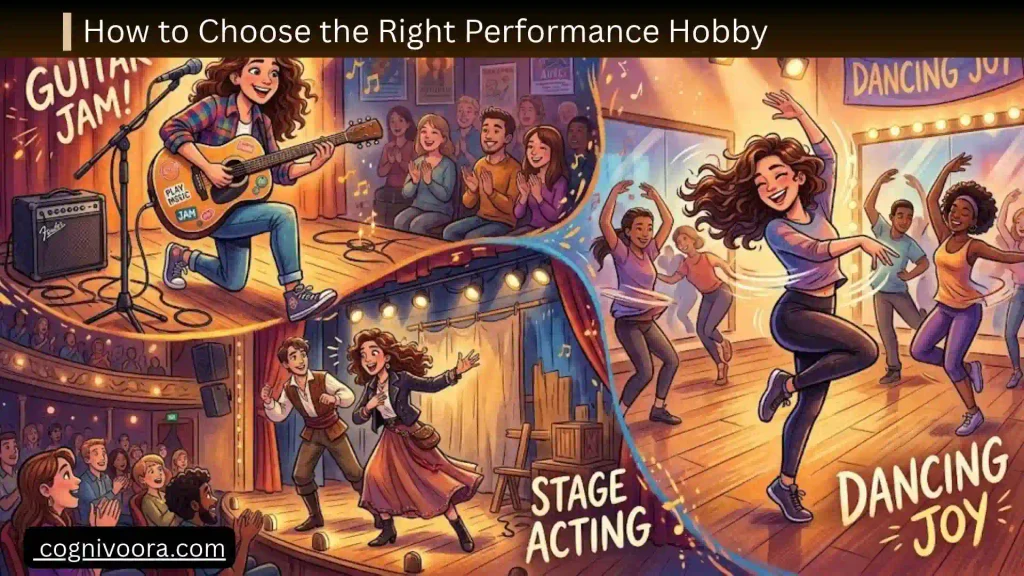
Ask yourself a few questions before getting started.
Do You Enjoy Being in Front of People?
If yes, theater or stand-up comedy may be enjoyable.
If not, consider music or recorded performances where you can build confidence gradually.
Do You Prefer Solo or Group Activities?
Solo hobbies include:
- Singing
- Magic
- Stand-up comedy
- Spoken word
Group hobbies include:
- Choir
- Theater
- Dance teams
- Bands
What Is Your Budget?
Some hobbies require little investment.
Low-cost hobbies include:
- Public speaking
- Spoken word
- Improv
- Karaoke
Higher-cost hobbies may involve instruments, costumes, or specialized lessons.
How Much Time Can You Commit?
Some hobbies require daily practice, while others can be enjoyed weekly.
Choose something that fits comfortably into your schedule.
Tips for Overcoming Stage Fright
Feeling nervous before performing is completely normal.
Try these strategies:
- Practice consistently.
- Start with small audiences.
- Focus on the message rather than perfection.
- Record yourself to identify areas for improvement.
- Take slow, deep breaths before performing.
- Accept mistakes as part of learning.
Most experienced performers still feel nervous occasionally—they’ve simply learned how to manage it.
Can Performance Hobbies Lead to Careers?
Yes, although many people pursue them purely for enjoyment.
Skills gained from performance hobbies can support careers in:
- Education
- Sales
- Marketing
- Broadcasting
- Entertainment
- Event hosting
- Corporate training
- Customer service
- Leadership
- Content creation
Even if you never become a professional performer, the communication and confidence you develop can benefit almost any profession.
Common Mistakes Beginners Make
Avoid these common pitfalls:
- Comparing yourself to experienced performers
- Expecting rapid improvement
- Skipping regular practice
- Avoiding feedback
- Performing before feeling prepared
- Giving up after one poor performance
Consistency matters more than perfection.
How to Practice Effectively
A productive practice routine includes:
- Warm up before each session.
- Focus on one skill at a time.
- Practice difficult sections repeatedly.
- Record your performances.
- Review your progress.
- Perform regularly for small audiences.
- Continue learning from experienced performers.
Frequently Asked Questions
What are performance hobbies?
Performance hobbies are activities where people entertain, educate, or express themselves before an audience. Examples include singing, acting, dancing, music, comedy, public speaking, and magic.
Are performance hobbies good for shy people?
Yes. Many shy people gradually build confidence through structured practice and supportive performance environments. Starting with small audiences can make the process more comfortable.
What is the easiest performance hobby to start?
Public speaking clubs, karaoke, spoken word poetry, storytelling, and beginner dance classes are among the easiest options because they require little equipment and welcome newcomers.
Do I need professional training?
No. Many people begin as self-taught hobbyists. Classes, workshops, coaches, and community groups can help accelerate improvement but aren’t required to get started.
Can adults start performance hobbies later in life?
Absolutely. Adults of all ages join theater groups, choirs, dance classes, improv workshops, and music lessons every year. It’s never too late to learn a new performance skill.
Which performance hobby improves communication the most?
Public speaking, theater, improv, and debate are particularly effective because they develop verbal communication, body language, confidence, and audience engagement.
Final Thoughts
Performance hobbies offer far more than entertainment. They help people develop confidence, communication skills, creativity, discipline, and meaningful social connections while providing an enjoyable outlet for self-expression.
Whether you choose singing, dancing, acting, public speaking, comedy, or another creative pursuit, the key is to start with an activity that genuinely interests you and practice consistently. Over time, you’ll likely discover that the confidence you build on stage extends into your everyday life, making performance hobbies one of the most rewarding categories of hobbies to explore.

I’m Ethan Mitchell, a curious writer who enjoys turning complex ideas into simple, useful information. At Cognivoora, I focus on creating clear and engaging content that readers can understand and apply in everyday life. I believe good writing should educate, answer real questions, and leave readers with something valuable to remember.
Books:
- The Everyday Mind
- Simple Ideas, Better Thinking