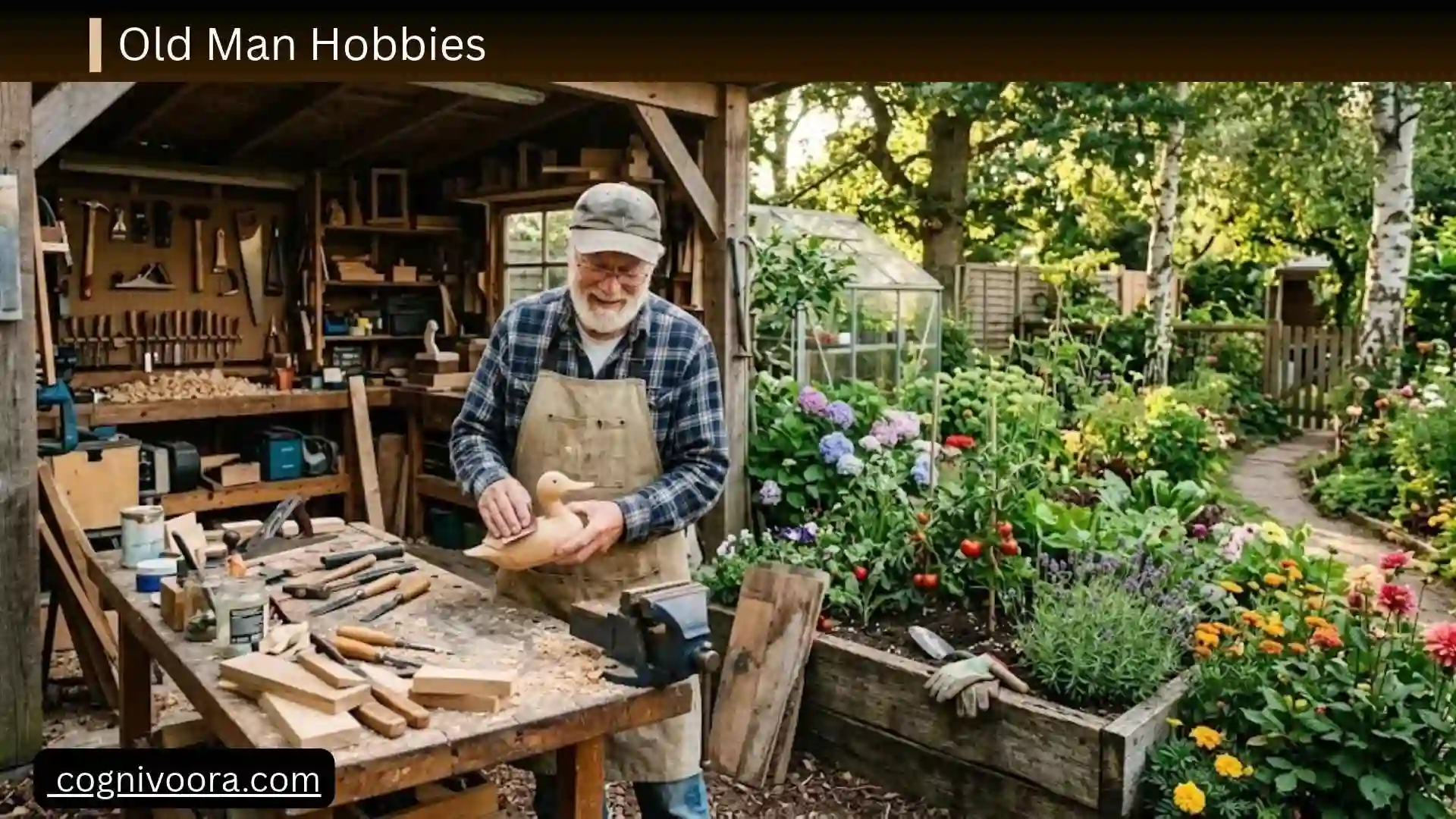
Growing older doesn’t mean slowing down. In fact, many men discover their most enjoyable hobbies after retirement or later in life when they finally have the time to explore new interests. Whether you’re looking for something relaxing, physically active, creative, or social, there are countless old man hobbies that can make everyday life more meaningful.
A good hobby does more than fill free time. It keeps your mind active, encourages movement, reduces stress, and creates opportunities to meet new people. Some hobbies even develop into small businesses or lifelong passions.
This guide explores the best hobbies for older men, from timeless classics to modern interests that fit every personality, budget, and fitness level.
Why Hobbies Matter as You Get Older
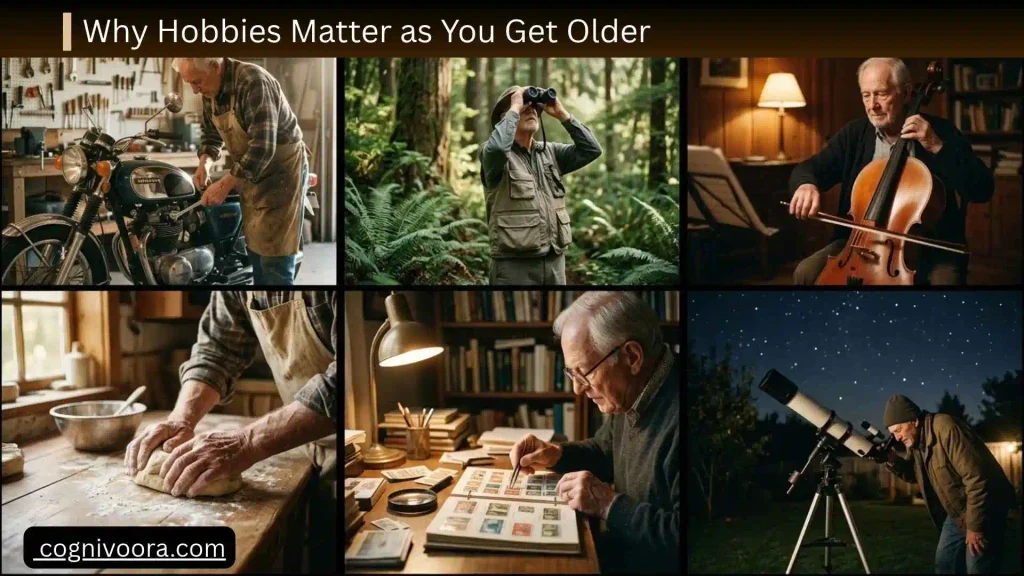
Having hobbies is important at every stage of life, but they become especially valuable during retirement or after major life changes.
The right hobby can help you:
- Stay mentally sharp
- Improve physical health
- Reduce boredom
- Build friendships
- Learn new skills
- Increase confidence
- Create a sense of purpose
- Reduce stress and anxiety
- Enjoy a healthier work-life retirement balance
Rather than viewing retirement as the end of an active lifestyle, many people see it as the beginning of exploring interests they never had time for before.
How to Choose the Right Hobby
Not every hobby is right for every person. Before jumping into a new activity, think about what you truly enjoy.
Ask yourself:
- Do I prefer being indoors or outdoors?
- Do I enjoy working with my hands?
- Would I rather be active or relaxed?
- Do I want a social hobby or a solo hobby?
- What’s my budget?
- Am I interested in learning a completely new skill?
- How much free time do I have each week?
Choosing a hobby that matches your personality makes it much easier to stick with it.
Best Indoor Old Man Hobbies
Indoor hobbies are perfect for rainy days, winter months, or anyone who enjoys spending time at home.
Reading
Reading remains one of the most rewarding hobbies at any age.
You can explore:
- History
- Biographies
- Military stories
- Mystery novels
- Science fiction
- Westerns
- Business books
- Travel writing
Joining a local book club can also make reading a social activity.
Woodworking
Woodworking combines creativity with practical skills.
Projects might include:
- Shelves
- Birdhouses
- Furniture
- Picture frames
- Wooden toys
- Garden planters
Many beginners start with simple hand tools before investing in larger equipment.
Model Building
Building models requires patience and attention to detail.
Popular options include:
- Airplanes
- Ships
- Classic cars
- Military vehicles
- Railroads
- Architecture kits
Model building is relaxing while also keeping the mind engaged.
Learning Chess
Chess is an excellent hobby for exercising the brain.
Benefits include:
- Strategic thinking
- Memory improvement
- Problem-solving
- Patience
- Concentration
Many older adults enjoy joining local chess clubs or playing online with friends and family.
Genealogy
Researching your family history is both educational and meaningful.
You can:
- Build a family tree
- Preserve family stories
- Scan old photographs
- Interview relatives
- Organize historical documents
Genealogy often becomes a lifelong hobby.
Cooking
Cooking isn’t just a daily necessity—it can become an enjoyable creative hobby.
Try learning:
- Homemade bread
- Barbecue techniques
- International cuisine
- Healthy recipes
- Smoking meats
- Baking desserts
Cooking for family and friends also creates memorable experiences.
Home Brewing
Many retirees enjoy learning how to brew beer or make cider at home where it’s legal.
This hobby combines science, creativity, and patience while allowing you to experiment with different flavors and techniques.
Puzzles and Brain Games
Keeping your brain active is just as important as physical exercise.
Try:
- Crossword puzzles
- Sudoku
- Logic puzzles
- Jigsaw puzzles
- Word games
- Strategy games
These activities help pass the time while challenging your thinking skills.
Best Outdoor Old Man Hobbies
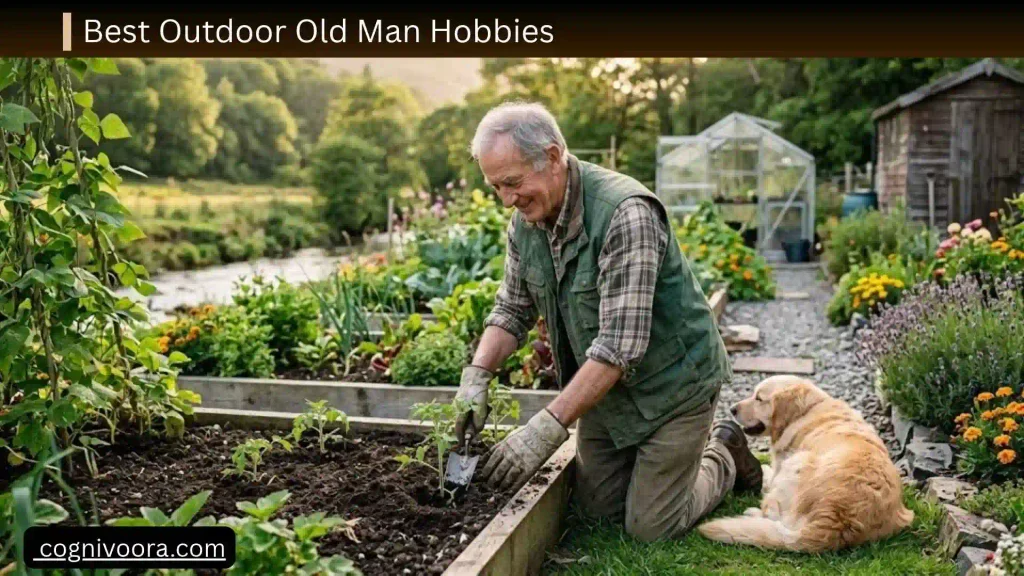
Fresh air and regular movement contribute to overall well-being.
Gardening
Gardening consistently ranks among the most popular hobbies for retirees.
You can grow:
- Vegetables
- Herbs
- Flowers
- Fruit trees
- Native plants
- Succulents
Gardening offers light exercise while producing beautiful or useful results.
Fishing
Fishing combines relaxation with adventure.
Many people enjoy:
- Freshwater fishing
- Saltwater fishing
- Fly fishing
- Ice fishing
- Kayak fishing
Even if you don’t catch anything, spending time outdoors can be rewarding.
Bird Watching
Bird watching encourages observation and appreciation of nature.
Getting started only requires:
- A pair of binoculars
- A bird identification guide or app
- A notebook
- Patience
Many bird watchers also enjoy photography.
Walking and Hiking
Walking is one of the easiest hobbies to begin.
Benefits include:
- Better heart health
- Improved mobility
- Lower stress
- Weight management
- Fresh air
Nature trails, parks, and local greenways offer excellent places to explore.
Golf
Golf remains a favorite hobby among older men because it combines gentle exercise with social interaction.
Whether you play full rounds or visit a driving range, golf can be enjoyed for many years.
Cycling
Modern bicycles and electric bikes have made cycling accessible for people of different fitness levels.
Cycling helps improve:
- Endurance
- Joint mobility
- Balance
- Cardiovascular health
Many communities have cycling clubs for older adults.
Photography
Photography encourages you to see the world differently.
Interesting subjects include:
- Landscapes
- Wildlife
- Architecture
- Family events
- Sunsets
- Historic buildings
Digital photography also introduces enjoyable editing and organization skills.
Camping
Camping allows you to disconnect from technology and reconnect with nature.
Whether you choose tent camping, RV travel, or cabin stays, every trip offers new experiences and memories.
Creative Old Man Hobbies
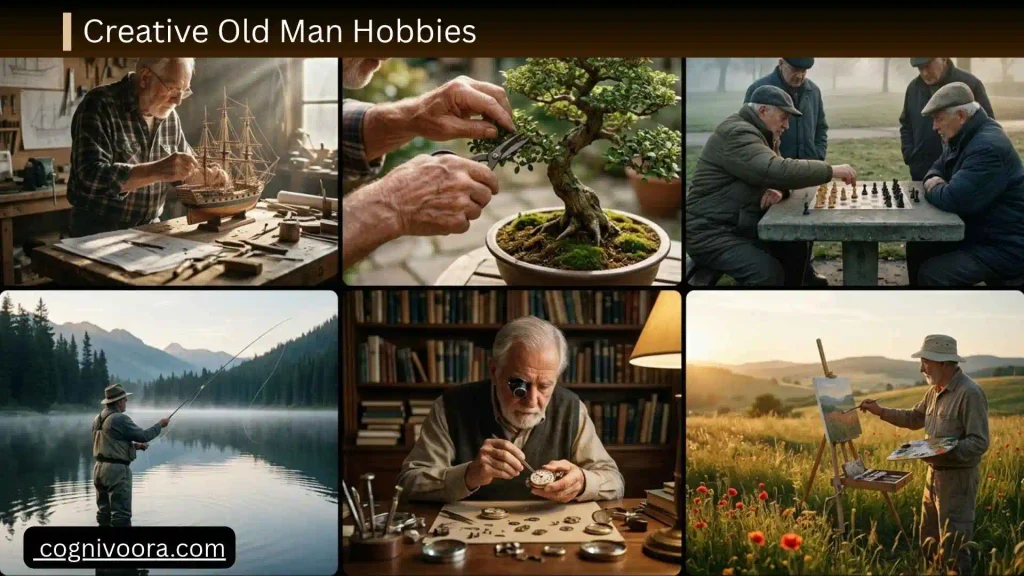
Creative hobbies provide an opportunity to express yourself while continuously learning new skills.
Painting
Painting can be both relaxing and rewarding.
Popular styles include:
- Watercolor
- Acrylic
- Oil painting
- Landscape art
- Portraits
- Abstract art
No previous experience is necessary to begin.
Drawing and Sketching
Drawing improves observation skills while offering a peaceful way to spend an afternoon.
Simple supplies include:
- Sketchbook
- Graphite pencils
- Erasers
- Colored pencils
- Charcoal
Many beginners improve quickly with consistent practice.
Writing
Writing is an excellent hobby for sharing experiences and preserving memories.
You could write:
- Memoirs
- Short stories
- Family history
- Travel journals
- Blog articles
- Poetry
Many older adults find writing therapeutic and fulfilling.
Leather Crafting
Leatherworking lets you create durable handmade items such as:
- Wallets
- Belts
- Keychains
- Notebook covers
- Tool holders
It combines craftsmanship with creativity and can even become a small side business.
Calligraphy
Calligraphy is the art of decorative handwriting.
It develops patience, fine motor skills, and attention to detail while producing beautiful handwritten cards, certificates, and artwork.
Active Old Man Hobbies
Staying physically active doesn’t require intense workouts. Many hobbies provide enjoyable exercise while improving overall health and mobility.
Swimming
Swimming is one of the best low-impact exercises for older adults. It works nearly every muscle group while putting minimal stress on joints.
Benefits include:
- Better cardiovascular health
- Improved flexibility
- Increased strength
- Reduced joint pain
- Better balance
Pickleball
Pickleball has become one of the fastest-growing sports in the United States, especially among older adults.
Why many retirees enjoy it:
- Easy to learn
- Social and welcoming
- Less physically demanding than tennis
- Great for coordination
- Suitable for different fitness levels
Yoga
Yoga improves both physical and mental well-being.
Regular practice may help with:
- Flexibility
- Balance
- Posture
- Stress management
- Breathing techniques
Chair yoga is another excellent option for people with limited mobility.
Tai Chi
Tai Chi is a gentle exercise that combines slow movements with controlled breathing.
Many older adults practice Tai Chi to improve:
- Balance
- Coordination
- Flexibility
- Relaxation
- Confidence while walking
Dancing
Dancing is both exercise and entertainment.
Popular styles include:
- Ballroom
- Line dancing
- Country dancing
- Swing
- Salsa
Many community centers organize dance nights specifically for older adults.
Social Hobbies
Retirement sometimes reduces everyday social interaction. These hobbies make it easier to meet people with similar interests.
Joining a Car Club
Classic car clubs bring together enthusiasts who enjoy restoring, driving, and discussing vintage vehicles.
Activities often include:
- Weekend drives
- Car shows
- Charity events
- Restoration projects
Volunteering
Volunteering is one of the most meaningful hobbies because it allows you to give back while staying active.
Opportunities include:
- Food banks
- Libraries
- Museums
- Animal shelters
- Community gardens
- Youth mentoring
Board Game Groups
Modern board games offer much more variety than traditional games.
Popular choices include:
- Catan
- Ticket to Ride
- Carcassonne
- Chess
- Checkers
- Dominoes
Regular game nights encourage friendship and mental stimulation.
Community Classes
Many colleges, libraries, and recreation centers offer affordable classes for adults.
Topics may include:
- Cooking
- Photography
- Computer skills
- Art
- Languages
- Music
Learning alongside others makes the experience more enjoyable.
Technology Hobbies
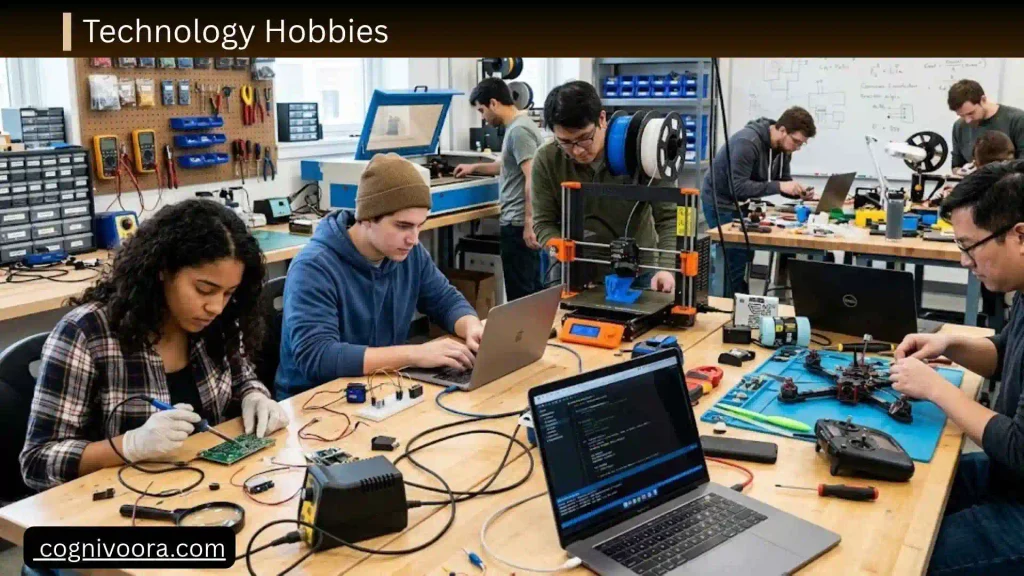
Technology isn’t just for younger generations. Many older men discover exciting hobbies through modern devices and online communities.
Digital Photography Editing
Editing photos can become just as enjoyable as taking them.
You can learn:
- Color correction
- Image organization
- Landscape editing
- Portrait enhancement
- Black-and-white photography
Blogging
Starting a blog allows you to share knowledge and experiences.
Popular blog topics include:
- Retirement
- DIY projects
- Travel
- Fishing
- Gardening
- Family history
- Woodworking
Blogging also improves writing skills.
Learning a New Language
Language-learning apps and online courses make this hobby accessible from home.
Learning another language:
- Challenges the brain
- Improves memory
- Helps during travel
- Introduces new cultures
Amateur Astronomy
Astronomy combines science with outdoor exploration.
Beginner equipment may include:
- Binoculars
- A telescope
- Star charts
- Astronomy apps
Observing the night sky can become a lifelong passion.
Collecting Hobbies
Collecting appeals to people who enjoy history, organization, and discovering unique items.
Popular collections include:
- Coins
- Stamps
- Baseball cards
- Vintage watches
- Pocket knives
- Antique tools
- Military memorabilia
- Vinyl records
- Fountain pens
- Model trains
Researching the history behind each item often becomes just as enjoyable as collecting.
Low-Cost Old Man Hobbies

Not every hobby requires expensive equipment.
Affordable options include:
- Reading library books
- Walking
- Journaling
- Sketching
- Bird watching
- Hiking
- Meditation
- Playing cards
- Learning chess
- Volunteering
- Writing stories
- Listening to podcasts
Many rewarding hobbies cost very little to begin.
Hobby Ideas Based on Personality
For Men Who Like Working With Their Hands
Consider:
- Woodworking
- Leather crafting
- Home repairs
- Gardening
- Model building
- Furniture restoration
For Curious Learners
Good choices include:
- Genealogy
- Reading
- Language learning
- Astronomy
- History research
- Online courses
For Social Personalities
Try:
- Golf
- Pickleball
- Volunteering
- Dance classes
- Car clubs
- Community groups
For Quiet Introverts
Enjoy peaceful hobbies like:
- Reading
- Painting
- Fishing
- Photography
- Writing
- Bird watching
Tips for Starting a New Hobby
Beginning something new doesn’t have to feel overwhelming.
Here are a few practical tips:
- Start with one hobby instead of several.
- Set realistic expectations.
- Learn from beginner-friendly books or videos.
- Join local clubs or online communities.
- Focus on enjoying the process rather than becoming an expert immediately.
- Don’t be afraid to try something different if your first choice isn’t the right fit.
Remember, hobbies should reduce stress—not create it.
Common Mistakes to Avoid
When exploring new hobbies, avoid these common pitfalls:
- Spending too much money before you’re committed
- Comparing yourself to experienced hobbyists
- Giving up too quickly
- Ignoring safety guidelines
- Choosing a hobby because someone else enjoys it instead of selecting one that matches your interests
- Trying too many hobbies at once
The best hobby is one you’ll genuinely look forward to doing.
Frequently Asked Questions
What are the best old man hobbies for retirement?
Some of the most popular retirement hobbies include gardening, fishing, woodworking, golf, photography, reading, bird watching, genealogy, cooking, and volunteering. The ideal choice depends on your interests, physical abilities, and lifestyle.
Which hobbies help keep the brain active?
Chess, reading, puzzles, writing, genealogy, learning a language, model building, and strategy games all provide excellent mental stimulation.
What are inexpensive hobbies for older men?
Walking, hiking, reading library books, journaling, sketching, volunteering, bird watching, photography with a smartphone, and gardening are affordable hobbies that provide lasting enjoyment.
Can hobbies improve health?
Many hobbies support physical, mental, and emotional well-being by encouraging movement, reducing stress, improving memory, and increasing social interaction. While hobbies aren’t a substitute for medical care, they can contribute to a healthier and more active lifestyle.
How many hobbies should someone have?
There’s no perfect number. Many people enjoy having two or three hobbies that balance creativity, physical activity, relaxation, and social interaction.
Final Thoughts
The best old man hobbies aren’t defined by age—they’re defined by curiosity, enjoyment, and personal fulfillment. Whether you spend your time building furniture, growing vegetables, exploring hiking trails, learning photography, or researching your family history, every hobby offers an opportunity to continue learning and growing.
The most rewarding hobby is one that fits your personality, lifestyle, and goals. Start small, stay consistent, and don’t be afraid to explore something completely new. Over time, a simple pastime can become a lifelong passion, helping you stay active, connected, and engaged throughout retirement and beyond.

I’m James Anderson, a dedicated writer and lifelong learner who enjoys researching topics and explaining them in a practical way. Through my work at Cognivoora, I aim to give readers reliable, easy-to-follow information that helps them learn something new. I always try to keep my writing natural, useful, and focused on the questions readers actually have.
Books:
- A Practical Guide to Better Thinking
- Questions Worth Asking