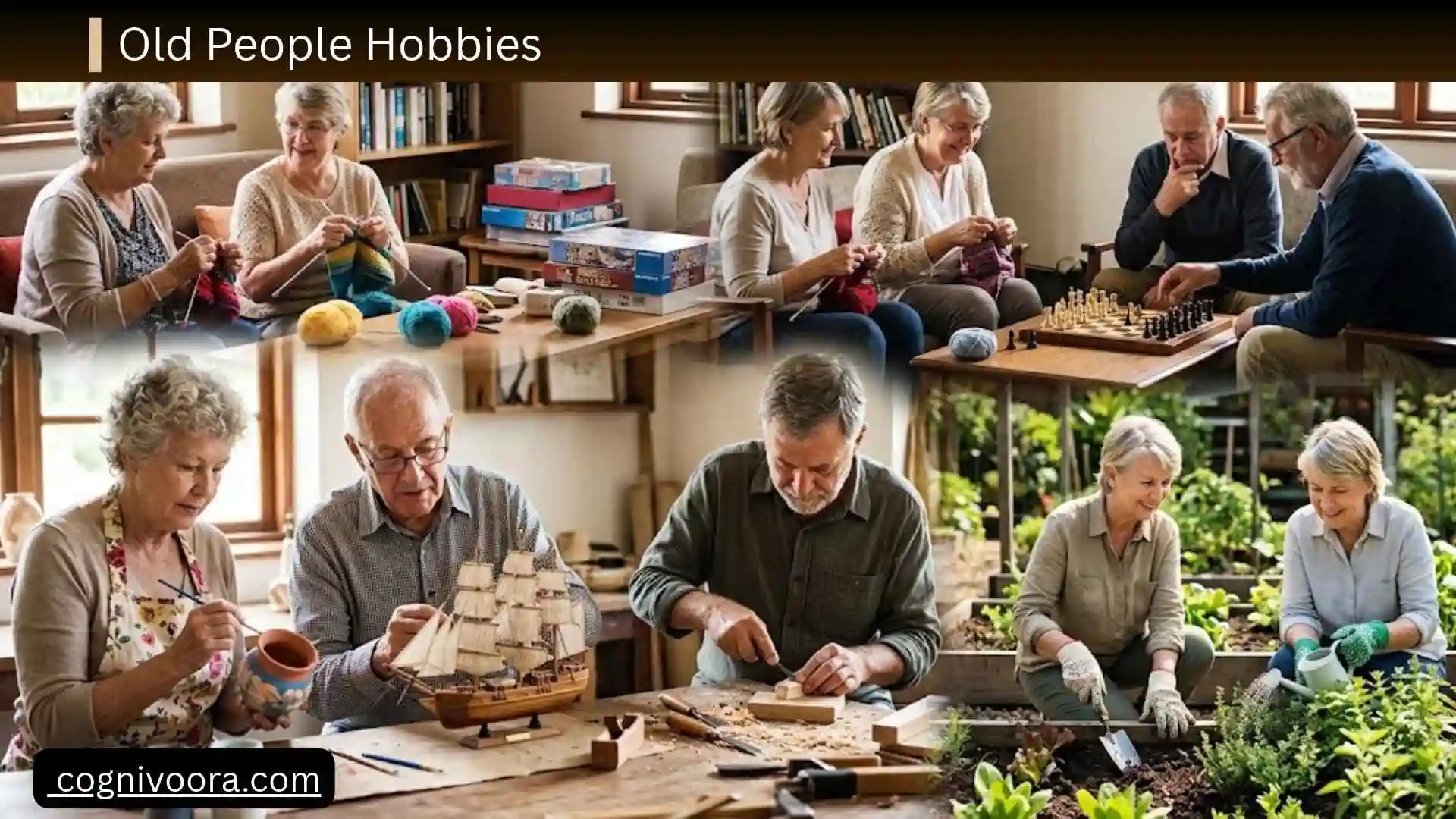
Growing older doesn’t mean slowing down—it simply opens the door to new interests, skills, and experiences. Whether you’re retired, looking for a healthier lifestyle, or searching for enjoyable ways to spend your free time, choosing the right hobbies can make everyday life more fulfilling.
The best old people’s hobbies help improve physical health, keep the brain active, reduce loneliness, encourage creativity, and provide a sense of purpose. Some hobbies can even become small businesses or volunteer opportunities, allowing older adults to stay connected with their communities.
This guide explores a wide variety of hobbies for seniors, from relaxing indoor activities to adventurous outdoor pursuits. Whether you’re looking for something affordable, social, creative, or physically active, you’ll find plenty of ideas to inspire your next hobby.
Quick Answer: What Are the Best Old People Hobbies?
There isn’t one perfect hobby for every older adult. The best hobby depends on your interests, health, mobility, budget, and lifestyle.
Popular hobbies include:
- Gardening
- Reading
- Walking
- Birdwatching
- Knitting
- Painting
- Photography
- Puzzle solving
- Cooking
- Fishing
- Yoga
- Woodworking
- Genealogy
- Volunteering
- Playing musical instruments
The ideal hobby is one that brings enjoyment while supporting your physical, mental, and emotional well-being.
Why Hobbies Matter as You Get Older
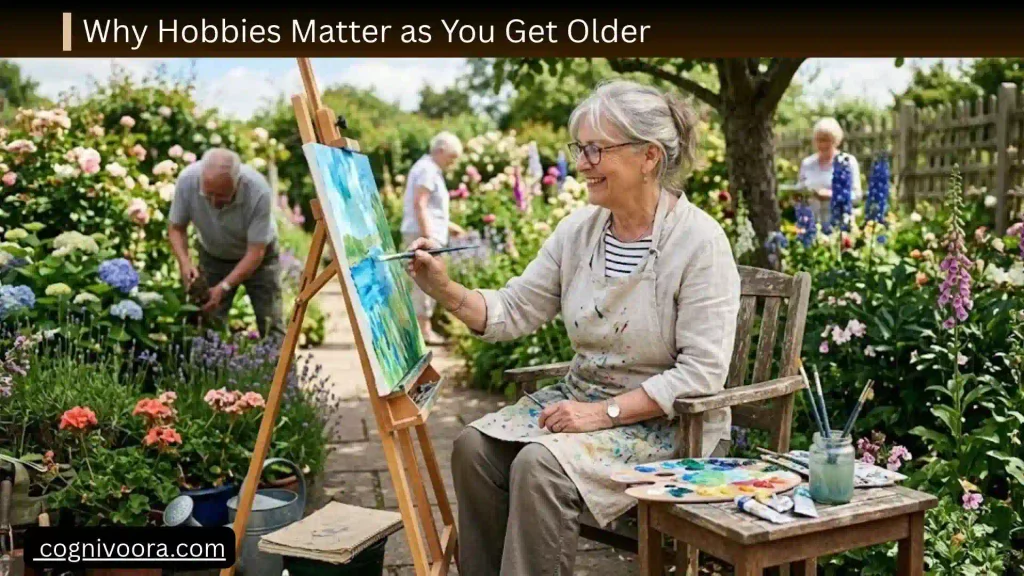
Retirement often brings more free time, making hobbies an important part of a healthy lifestyle.
Benefits include:
Keeping the Brain Active
Activities that involve learning, memory, creativity, or problem-solving can help keep the mind engaged. Reading, chess, puzzles, and learning a new language are excellent examples.
Supporting Physical Health
Gentle exercise hobbies like gardening, walking, swimming, tai chi, and dancing encourage regular movement that supports balance, flexibility, and overall fitness.
Reducing Stress
Creative hobbies allow people to relax and focus on enjoyable tasks instead of everyday worries.
Building Social Connections
Joining clubs, community groups, or hobby classes creates opportunities to meet new people and maintain friendships.
Creating Purpose
Many retirees enjoy having meaningful goals, whether that’s growing vegetables, finishing a quilt, writing family stories, or volunteering.
How to Choose the Right Hobby
Before starting something new, ask yourself a few simple questions.
Consider Your Physical Ability
Choose hobbies that match your mobility and fitness level. Some activities require little physical effort, while others involve regular movement.
Think About Your Interests
Enjoyment is the biggest factor in sticking with a hobby. Consider activities you’ve always wanted to try or interests you had earlier in life.
Set a Budget
Many hobbies cost very little.
Affordable hobbies include:
- Reading
- Walking
- Journaling
- Sketching
- Birdwatching
- Baking
- Photography with a smartphone
Others, like woodworking or golf, may require a larger investment.
Decide Whether You Prefer Social or Solo Activities
Some people enjoy peaceful hobbies at home, while others thrive in group environments.
Indoor Old People Hobbies
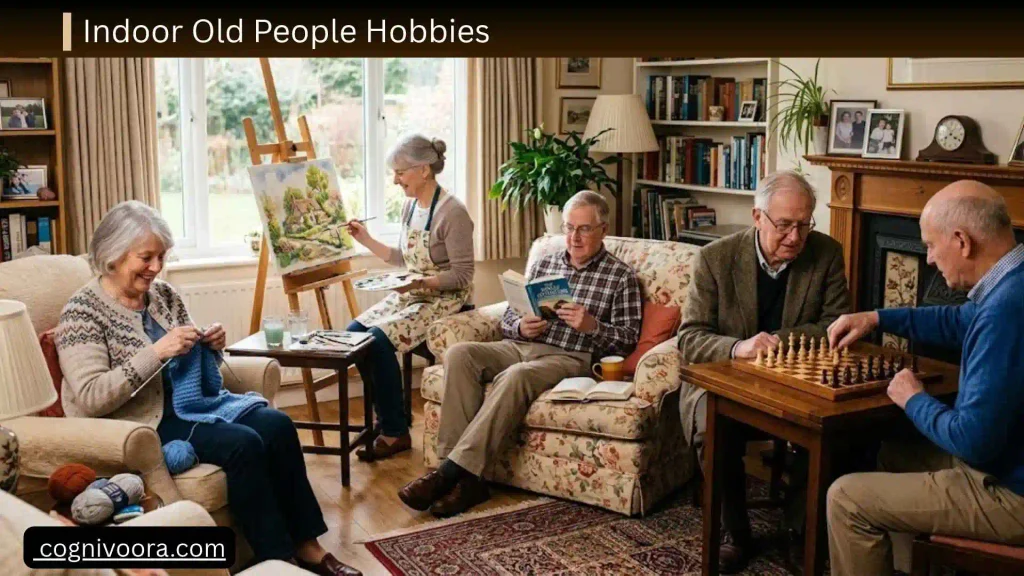
Indoor hobbies are perfect during bad weather or for those who prefer staying at home.
Reading
Books provide entertainment while expanding knowledge. Many public libraries also offer free digital books and audiobooks.
Try exploring:
- Historical fiction
- Mystery novels
- Biographies
- Travel books
- Gardening guides
Jigsaw Puzzles
Puzzles encourage concentration, patience, and problem-solving.
They come in many difficulty levels, making them suitable for beginners and experienced puzzle lovers alike.
Knitting and Crocheting
Needle crafts remain among the most popular hobbies for seniors.
Benefits include:
- Relaxation
- Creativity
- Handmade gifts
- Improved hand coordination
Finished items can also be donated to hospitals or charities.
Painting
Painting allows complete creative freedom.
Popular styles include:
- Watercolor
- Acrylic
- Oil painting
- Abstract art
- Landscape painting
No artistic experience is necessary.
Adult Coloring Books
Coloring isn’t just for children.
Many adults enjoy detailed coloring books featuring:
- Nature
- Animals
- Mandalas
- Landscapes
- Famous cities
It offers a calming, mindful activity.
Writing
Writing can become a lifelong hobby.
Ideas include:
- Personal journals
- Memoirs
- Poetry
- Short stories
- Family history
- Blogs
Recording family memories creates something valuable for future generations.
Learning a Musical Instrument
Many people learn music after retirement.
Popular beginner instruments include:
- Piano
- Ukulele
- Keyboard
- Harmonica
- Acoustic guitar
Learning music challenges the brain while providing a rewarding sense of progress.
Outdoor Hobbies for Seniors
Fresh air and sunshine can improve both mood and physical health.
Gardening
Gardening combines gentle exercise with creativity.
People enjoy growing:
- Flowers
- Vegetables
- Herbs
- Fruit trees
- Indoor plants
Harvesting homegrown vegetables is especially rewarding.
Walking
Walking remains one of the easiest hobbies to start.
Benefits include:
- Better cardiovascular health
- Stress reduction
- Improved balance
- Increased energy
Many communities have walking clubs where members explore local parks together.
Birdwatching
Birdwatching encourages observation and appreciation of nature.
All you need is:
- Binoculars
- Bird identification guide
- Notebook
- Local park or backyard
Many enthusiasts also photograph birds and keep life lists of species they’ve seen.
Fishing
Fishing combines patience, relaxation, and time outdoors.
Some people enjoy freshwater lakes while others prefer rivers or coastal fishing.
Photography
Photography encourages people to notice beauty in everyday life.
Subjects include:
- Wildlife
- Landscapes
- Gardens
- Architecture
- Family events
Modern smartphones make photography accessible without expensive equipment.
Hiking
For active seniors, hiking offers more adventure than regular walking.
Choose trails that match your fitness level and always bring water, appropriate footwear, and weather-appropriate clothing.
Creative Hobbies That Keep the Mind Engage
Creative activities provide opportunities to learn, experiment, and express yourself.
Sewing
Sewing can include:
- Clothing repairs
- Quilts
- Pillows
- Bags
- Holiday decorations
Many seniors enjoy creating handmade gifts for family members.
Pottery
Working with clay develops creativity and fine motor skills.
Community art centers often offer beginner classes for adults.
Woodworking
Woodworking combines creativity with practical skills.
Projects may include:
- Birdhouses
- Shelves
- Picture frames
- Small furniture
- Garden decorations
Safety equipment and proper instruction are essential for beginners.
Candle Making
Homemade candles make enjoyable gifts and home decorations.
People can experiment with:
- Different scents
- Colors
- Containers
- Seasonal themes
Scrapbooking
Scrapbooks preserve family memories using photographs, letters, tickets, and keepsakes.
It’s a meaningful hobby that can be shared with children and grandchildren.
Active Hobbies That Promote Healthy Aging
Staying physically active doesn’t always require intense exercise.
Many hobbies naturally encourage movement.
Yoga
Gentle yoga improves:
- Flexibility
- Balance
- Breathing
- Relaxation
Chair yoga is an excellent option for people with limited mobility.
Tai Chi
Tai Chi uses slow, controlled movements that improve balance and coordination.
Many community centers offer classes specifically designed for older adults.
Dancing
Dance styles suitable for seniors include:
- Ballroom
- Line dancing
- Square dancing
- Social dancing
Besides exercise, dancing provides valuable social interaction.
Swimming
Swimming places little stress on joints while providing a full-body workout.
Water aerobics classes are another popular option for older adults.
Cycling
Many seniors enjoy cycling on paved trails or using stationary exercise bikes for indoor workouts.
Electric bicycles have also made cycling more accessible for people who want assistance on hills or longer rides.
Social Hobbies for Older Adults
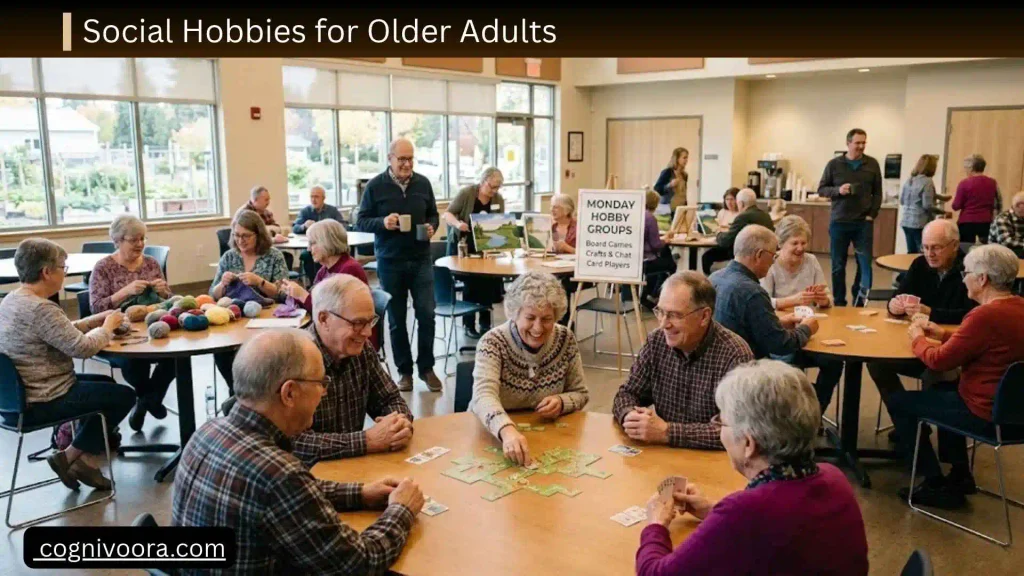
Many seniors enjoy hobbies that create opportunities to meet people and build friendships. Staying socially connected can make retirement more enjoyable and reduce feelings of isolation.
Join a Book Club
Book clubs combine reading with meaningful conversations. Members often discover new authors and genres while making new friends.
Play Card Games
Classic games such as bridge, rummy, poker (for fun), canasta, and hearts remain popular among older adults. Local senior centers and community groups often organize regular game nights.
Board Games
Board games are enjoyable with family, grandchildren, or friends.
Popular choices include:
- Chess
- Checkers
- Scrabble
- Dominoes
- Backgammon
- Ticket to Ride
- Catan
These games encourage strategic thinking and social interaction.
Community Classes
Learning in a group setting keeps life interesting.
Consider classes such as:
- Painting
- Pottery
- Cooking
- Photography
- Language learning
- Computer skills
- Dance lessons
Many libraries, community colleges, and recreation centers offer affordable programs for seniors.
Hobbies for Seniors with Limited Mobility
Limited mobility doesn’t mean giving up hobbies. Many enjoyable activities can be done from home or while seated.
Excellent options include:
- Reading books
- Audiobooks
- Crossword puzzles
- Sudoku
- Painting
- Knitting
- Crocheting
- Embroidery
- Journaling
- Digital photography editing
- Family genealogy research
- Adult coloring books
- Watching educational documentaries
- Learning a language online
- Meditation
- Collecting coins or stamps
These hobbies stimulate the mind while requiring little physical effort.
Hobbies That Can Earn Extra Income
Some hobbies naturally grow into side businesses after retirement. While earning money shouldn’t be the only goal, it’s a welcome bonus for many people.
Potential income-generating hobbies include:
Selling Handmade Crafts
Items such as knitted blankets, quilts, candles, jewelry, pottery, and woodworking projects can be sold at local craft fairs or online marketplaces.
Photography
Experienced photographers may sell landscape prints, family portraits, or stock photos.
Gardening
Growing herbs, vegetables, flowers, or seedlings can create seasonal income through local farmers’ markets.
Baking
Homemade cookies, cakes, breads, or specialty treats may be sold where local laws allow.
Writing
Retired professionals often write books, blogs, memoirs, or educational materials based on their life experience.
Volunteer Activities That Feel Like Hobbies
Volunteering offers purpose while allowing seniors to use their knowledge and skills.
Ideas include:
- Reading to children
- Helping at libraries
- Assisting animal shelters
- Community gardening
- Food banks
- Museum guides
- Church programs
- Mentoring young professionals
- Hospital volunteer programs
Volunteering combines meaningful work with valuable social interaction.
Hobby Ideas for Couples
Many retired couples enjoy spending quality time together through shared interests.
Popular couple hobbies include:
- Traveling
- RV camping
- Gardening
- Dancing
- Cooking together
- Birdwatching
- Hiking
- Fishing
- Wine appreciation (where appropriate)
- Photography
- Puzzle solving
- Home improvement projects
Trying new activities together keeps relationships active and creates lasting memories.
Budget-Friendly Old People Hobbies
You don’t need an expensive hobby to enjoy retirement.
Affordable ideas include:
| Hobby | Estimated Cost |
| Walking | Free |
| Reading from the library | Free |
| Birdwatching | Low |
| Journaling | Low |
| Gardening | Low to Moderate |
| Adult coloring | Low |
| Photography with a smartphone | Free |
| Yoga videos | Free to Low |
| Chess | Low |
| Baking | Moderate |
| Knitting | Moderate |
| Volunteering | Free |
Hobby Ideas by Interest
If You Enjoy Nature
- Gardening
- Hiking
- Fishing
- Birdwatching
- Nature photography
- Camping
- Stargazing
You Like Being Creative
- Painting
- Drawing
- Sewing
- Pottery
- Writing
- Woodworking
- Candle making
- Scrapbooking
You Enjoy Learning
- Learning a language
- History research
- Genealogy
- Reading nonfiction
- Online courses
- Learning a musical instrument
If You Prefer Social Activities
- Dance clubs
- Volunteer work
- Book clubs
- Card games
- Community classes
- Walking groups
Tips for Starting a New Hobby
Beginning something new can feel challenging, but it doesn’t have to be.
- Start with one hobby rather than several at once.
- Set realistic goals.
- Choose activities you genuinely enjoy.
- Be patient while learning.
- Join local or online communities for support.
- Don’t worry about becoming an expert—focus on having fun.
- Try different hobbies until you find one that suits your lifestyle.
Remember, hobbies should reduce stress, not create it.
Common Mistakes to Avoid
When choosing a hobby, avoid these common pitfalls:
- Picking a hobby only because it’s popular.
- Spending too much money before trying it.
- Choosing activities that don’t match your physical abilities.
- Giving up after a few attempts.
- Comparing your progress with others.
- Ignoring safety guidelines for tools or outdoor activities.
The best hobby is one you’ll enjoy for years, not one that impresses other people.
Frequently Asked Questions
What are the best old people hobbies for staying active?
Walking, gardening, swimming, tai chi, yoga, cycling, dancing, and hiking are among the best hobbies for maintaining physical activity while enjoying retirement.
Which hobbies improve memory?
Reading, puzzles, chess, learning a language, playing musical instruments, and writing can help keep the brain engaged and encourage lifelong learning.
What are inexpensive hobbies for seniors?
Walking, reading library books, journaling, birdwatching, photography with a smartphone, volunteering, and gardening are all affordable options.
Can hobbies reduce loneliness?
Yes. Joining clubs, volunteering, taking classes, or participating in community activities can help older adults build friendships and stay socially connected.
Is it too late to start a new hobby after retirement?
Not at all. Retirement often provides the time and flexibility to explore interests that were difficult to pursue during a busy career.
What hobbies are suitable for seniors with alternative?
Chair yoga, swimming, painting, knitting, puzzles, reading, birdwatching, photography, and gardening with adaptive tools are popular options. People with ongoing health concerns should discuss new physical activities with their healthcare provider.
Final Thoughts
The best old people’s hobbies are those that bring joy, encourage lifelong learning, and support a healthy, fulfilling lifestyle. Whether you enjoy quiet activities at home, outdoor adventures, creative projects, or spending time with others, there is a hobby to match every personality and ability.
Instead of focusing on age, focus on curiosity. Retirement is an opportunity to explore interests you’ve never had time for, reconnect with passions from earlier in life, and continue growing as a person.
You don’t need expensive equipment or special skills to get started. Pick one activity that excites you, take the first step, and enjoy the journey. The right hobby can add purpose, confidence, friendships, and happiness to every stage of life.

I’m Olivia Bennett, a passionate writer who loves exploring ideas, learning new concepts, and sharing knowledge in a straightforward way. I write for Cognivoora with the goal of making useful topics easier to understand without unnecessary complexity. My approach combines research, clarity, and a reader-first perspective.
Books:
- Think Clearly, Live Better
- The Curious Reader’s Guide