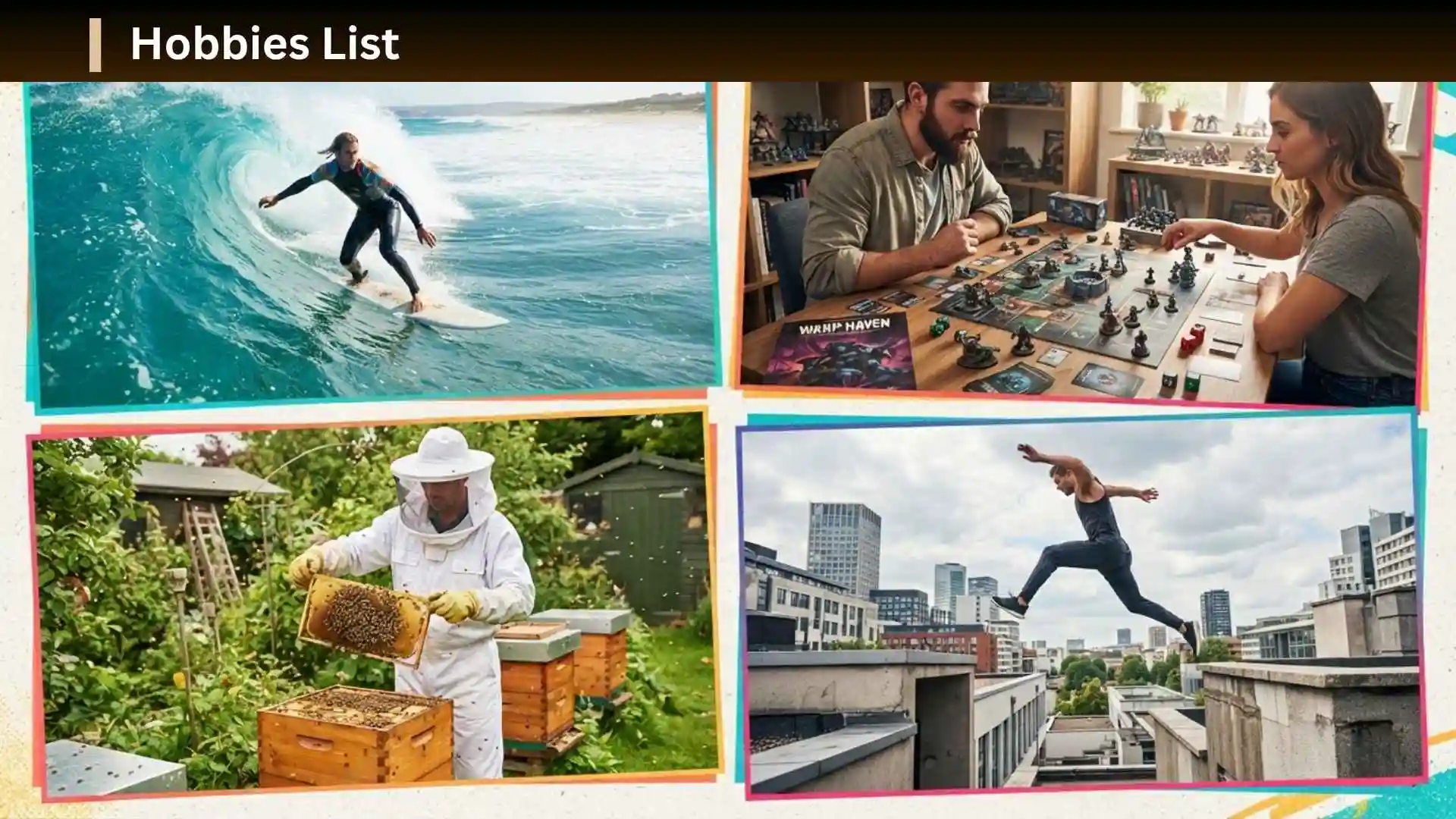
If you are looking for a hobbies list because you want something enjoyable, creative, relaxing, active, or simply different to do in your free time, there are hundreds of possibilities. The best hobby depends on your interests, available time, budget, and whether you prefer doing things alone or with other people.
From painting and gardening to hiking, photography, cooking, collecting, gaming, and learning new skills, this list of hobbies includes options for different personalities, lifestyles, and experience levels.
Hobbies List: 100+ Ideas to Explore

Here is a broad list of hobbies organized into categories so you can quickly find ideas that match your interests.
Creative Hobbies
Creative hobbies are ideal if you enjoy making, designing, drawing, writing, or expressing ideas.
- Drawing
- Sketching
- Painting
- Watercolor painting
- Acrylic painting
- Oil painting
- Digital art
- Calligraphy
- Hand lettering
- Photography
- Creative writing
- Poetry writing
- Journaling
- Scrapbooking
- Collage making
- Origami
- Paper crafting
- Card making
- Coloring
- Diamond painting
Arts and Crafts Hobbies
Arts and crafts can provide hands-on activities that are easy to adapt to different skill levels.
- Knitting
- Crocheting
- Embroidery
- Cross-stitch
- Sewing
- Quilting
- Candle making
- Soap making
- Jewelry making
- Beading
- Pottery
- Clay modeling
- Wood carving
- Woodworking
- Leather crafting
- Macramé
- Basket weaving
- Resin crafting
- Model building
- DIY home crafts
Outdoor Hobbies
If you would rather spend your free time outside, outdoor hobbies offer plenty of ways to explore your surroundings.
- Hiking
- Camping
- Backpacking
- Birdwatching
- Fishing
- Gardening
- Vegetable gardening
- Flower gardening
- Nature photography
- Rock collecting
- Geocaching
- Cycling
- Mountain biking
- Kayaking
- Canoeing
- Stargazing
- Wildlife observation
- Outdoor sketching
- Walking
- Foraging
Sports and Fitness Hobbies
Sports and fitness hobbies can combine recreation with physical activity.
- Running
- Jogging
- Swimming
- Tennis
- Pickleball
- Golf
- Bowling
- Soccer
- Basketball
- Volleyball
- Table tennis
- Badminton
- Martial arts
- Yoga
- Pilates
- Dance
- Rock climbing
- Skateboarding
- Roller skating
- Archery
Indoor Hobbies
Indoor hobbies are useful when you want something to do at home or prefer activities that do not depend on the weather.
- Reading
- Board games
- Card games
- Chess
- Puzzles
- Jigsaw puzzles
- Video gaming
- Cooking
- Baking
- Home brewing of non-alcoholic beverages
- Learning a language
- Playing an instrument
- Listening to and studying music
- Genealogy
- Meditation
- Home organization
- Interior decorating
- Film appreciation
- Aquarium keeping
- Houseplant care
Collecting Hobbies
Collecting can turn an everyday interest into a long-term hobby.
- Coin collecting
- Stamp collecting
- Book collecting
- Vinyl record collecting
- Postcard collecting
- Comic book collecting
- Trading card collecting
- Antique collecting
- Rock and mineral collecting
- Sports memorabilia collecting
- Toy collecting
- LEGO collecting
Learning and Skill-Building Hobbies
Some hobbies are particularly appealing when your goal is to learn something new.
- Learning a foreign language
- Astronomy
- History research
- Genealogy
- Creative writing
- Coding
- Graphic design
- Public speaking
- Cooking new cuisines
- Music theory
- DIY repair
- Electronics projects
- Sewing
- Photography
- Woodworking
- Map reading
- Calligraphy
- Speed reading
How to Choose a Hobby
Having a long list of hobbies is useful, but choosing one can be harder than finding ideas. Start by thinking about what you want the hobby to add to your free time.
If You Want a Relaxing Hobby
Consider activities that allow you to slow down and concentrate on one thing at a time.
Good options include:
- Reading
- Coloring
- Gardening
- Knitting
- Crocheting
- Journaling
- Puzzles
- Painting
- Calligraphy
- Birdwatching
If You Want a Creative Hobby
Look for hobbies where you produce something or express your ideas.
Try:
- Drawing
- Painting
- Photography
- Writing
- Pottery
- Jewelry making
- Sewing
- Woodworking
- Digital art
- Scrapbooking
If You Want an Active Hobby
Choose an activity that naturally gets you moving.
Popular choices include:
- Hiking
- Cycling
- Swimming
- Running
- Tennis
- Pickleball
- Dancing
- Golf
- Kayaking
- Rock climbing
If You Want an Affordable Hobby
You do not necessarily need expensive equipment to start a hobby. Many activities can begin with items you already have.
Consider:
- Walking
- Reading
- Journaling
- Drawing
- Writing
- Birdwatching
- Stargazing
- Cooking
- Gardening with existing supplies
- Bodyweight exercise
If You Want a Social Hobby
If meeting people is part of your goal, consider activities that naturally involve groups or clubs.
Examples include:
- Pickleball
- Bowling
- Board games
- Book clubs
- Community gardening
- Group hiking
- Dancing
- Team sports
- Photography groups
- Craft groups
Best Hobbies for Different Interests
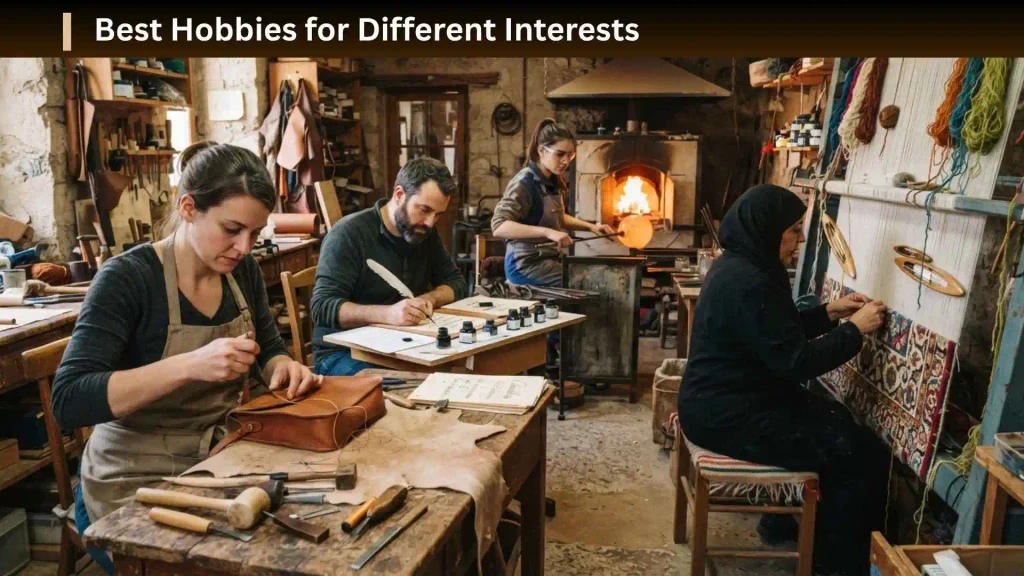
| If you enjoy… | Hobbies to consider |
| Creativity | Painting, drawing, writing, photography |
| Nature | Hiking, gardening, birdwatching, camping |
| Fitness | Running, swimming, cycling, yoga |
| Learning | Languages, history, astronomy, coding |
| Making things | Woodworking, pottery, sewing, crafts |
| Collecting | Coins, stamps, books, cards |
| Relaxation | Reading, journaling, puzzles, knitting |
| Social activities | Pickleball, board games, dancing, clubs |
| Technology | Coding, digital art, video games |
| Food | Cooking, baking, recipe development |
Hobbies for Adults
Adults often choose hobbies based on limited free time, personal interests, and the desire to develop or maintain skills.
Some particularly flexible options include:
- Reading
- Gardening
- Photography
- Cooking
- Baking
- Hiking
- Painting
- Writing
- Woodworking
- Sewing
- Golf
- Cycling
- Yoga
- Playing music
- Collecting
- Genealogy
- Home DIY projects
A hobby does not have to be productive to be worthwhile. It can simply give you something enjoyable to look forward to outside work and everyday responsibilities.
Hobbies for Beginners
If you are new to hobbies, choose something with a low barrier to entry. You do not need to become highly skilled immediately.
For example, someone interested in photography can start with a smartphone rather than buying a dedicated camera. Someone interested in drawing can begin with a pencil and notebook. A person interested in gardening can start with a few easy-to-manage plants.
The goal at the beginning is to discover whether you enjoy the activity before investing heavily in equipment or classes.
How Much Should You Spend on a New Hobby?
There is no universal amount you need to spend. Costs vary dramatically between hobbies.
A useful approach is to establish a small starting budget and use basic equipment until you know whether you genuinely enjoy the activity.
For example:
- Low-cost: walking, writing, reading, drawing, journaling
- Moderate-cost: photography, gardening, crafts, cycling, cooking
- Higher-cost: golf, woodworking, camping, musical instruments, certain water sports
Buying the most expensive equipment at the beginning is rarely necessary. Start with the basics, learn the fundamentals, and upgrade only when your interests become clearer.
How to Turn a Hobby Into a Regular Habit
Finding a hobby is only the first step. The activity becomes more rewarding when you actually make time for it.
Try these simple approaches:
- Start small. Spend 15–30 minutes on the activity rather than waiting for a completely free day.
- Keep supplies accessible. You are more likely to practice when your equipment is easy to reach.
- Choose a realistic schedule. A hobby you can enjoy once or twice a week may be more sustainable than one requiring daily commitment.
- Track your progress. Keep photographs, notes, completed projects, or other records of what you accomplish.
- Avoid perfectionism. Early mistakes are part of learning.
- Change hobbies when necessary. You are allowed to try something and decide it is not for you.
How to Find a Hobby You Will Actually Enjoy
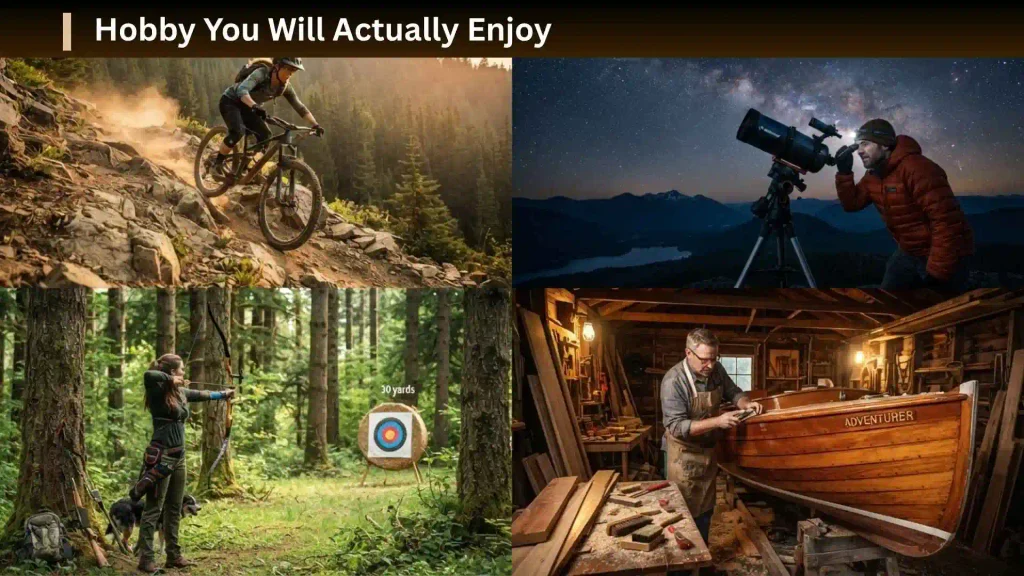
A good hobby usually matches at least one of your existing interests.
Ask yourself:
- Do I prefer being indoors or outdoors?
- Do I like making things?
- Do I want something active or relaxing?
- Do I enjoy learning new skills?
- Do I prefer spending time alone or with others?
- How much money am I comfortable spending?
- How much time can I realistically dedicate to it?
- Do I want a hobby with a finished product?
- Do I want something I can do year-round?
Your answers can narrow a huge list of hobbies into a few realistic choices.
Is It Okay to Have More Than One Hobby?
Yes. Different hobbies can serve different purposes.
For example, you might choose hiking for outdoor activity, reading for quiet evenings, and cooking as a creative activity. Having several interests can also prevent your free time from becoming repetitive.
However, you do not need a large collection of hobbies. One activity that you genuinely enjoy can be enough.
FAQs About Hobbies
What are some good hobbies to start with?
Reading, walking, drawing, gardening, cooking, photography, journaling, puzzles, and hiking are accessible starting points. The best choice depends on your interests, budget, available time, and preferred environment.
What is the most popular hobby?
There is no single hobby that is universally the most popular. Reading, cooking, gardening, sports, gaming, crafts, collecting, and outdoor activities are among the many hobbies enjoyed by people in the United States.
What are some hobbies I can do at home?
You can read, write, paint, draw, knit, crochet, sew, bake, cook, play games, practice an instrument, solve puzzles, care for houseplants, learn a language, or work on DIY projects at home.
What are some cheap hobbies?
Walking, writing, reading, drawing, journaling, birdwatching, basic gardening, puzzles, and many forms of exercise can be started with relatively little equipment.
What hobbies can help me learn new skills?
Coding, photography, cooking, woodworking, sewing, playing an instrument, learning a language, gardening, calligraphy, and creative writing can all involve developing new skills.
What are good hobbies for people who get bored easily?
Try hobbies with variety or progressive challenges, such as photography, cooking, hiking, learning languages, gaming, crafting, music, or collecting. Activities that offer different projects or goals can provide more variety.
Can a hobby become a career?
Some hobbies can eventually develop into businesses or careers, although turning a hobby into income requires additional skills, planning, and market demand. Photography, writing, crafts, cooking, design, and woodworking are examples of hobbies that some people develop professionally.
Conclusion
This hobbies list shows how many different ways there are to spend your free time. You can choose a creative activity such as painting or writing, an outdoor pursuit such as hiking or gardening, an active hobby such as swimming or cycling, or a relaxing pastime such as reading or puzzles.
The best hobby is not necessarily the most popular or impressive one. It is the activity that fits your interests, lifestyle, budget, and available time well enough that you genuinely want to keep doing it. Start with one idea, keep the initial commitment simple, and give yourself permission to experiment until you find something that feels right.

I’m Ethan Mitchell, a curious writer who enjoys turning complex ideas into simple, useful information. At Cognivoora, I focus on creating clear and engaging content that readers can understand and apply in everyday life. I believe good writing should educate, answer real questions, and leave readers with something valuable to remember.
Books:
- The Everyday Mind
- Simple Ideas, Better Thinking