Turning 40 can be a great time to explore hobbies that fit your current interests, schedule, personality, and goals. The best hobbies for women over 40 do not need to be expensive, complicated, or highly productive. They can be creative, active, relaxing, social, educational, or simply enjoyable.
Whether you want something to do at home, meet new people, stay active, develop a skill, or have more time for yourself, there are plenty of options to explore.
What Are Good Hobbies for Women Over 40( Quick Answer)
Some of the best hobbies for women over 40 include:
- Gardening
- Reading
- Painting or drawing
- Photography
- Sewing and quilting
- Knitting or crocheting
- Cooking and baking
- Hiking and nature walks
- Yoga
- Dancing
- Pickleball
- Birdwatching
- Journaling
- Creative writing
- Pottery
- Learning a musical instrument
- Genealogy
- Puzzles and board games
- Volunteering
- Traveling and travel planning
- Home DIY projects
- Jewelry making
- Flower arranging
- Book clubs
- Learning a new language
The right choice depends less on age and more on what you want the hobby to add to your life—creativity, movement, relaxation, social connection, learning, or personal expression.
How to Choose a Hobby After 40

A hobby is more likely to become a lasting part of your life when it fits your real circumstances.
Before choosing one, consider these questions:
Do You Want a Relaxing or Active Hobby?
If your main goal is to unwind, consider reading, knitting, gardening, watercolor painting, puzzles, journaling, or birdwatching.
If you prefer movement, hiking, dancing, cycling, swimming, yoga, pickleball, or walking can be worth exploring.
You do not have to choose only one category. Many people enjoy having an active hobby and a quiet hobby for different parts of the week.
Do You Prefer Hobbies at Home?
Home-based hobbies can be especially convenient when your schedule is unpredictable.
Good options include:
- Reading
- Painting
- Drawing
- Crochet
- Knitting
- Sewing
- Baking
- Cooking
- Journaling
- Scrapbooking
- Puzzles
- Playing an instrument
- Creative writing
- Indoor gardening
- Online learning
These hobbies can often be started in short sessions without requiring travel.
Do You Want to Meet New People?
If social connection is part of your goal, choose an activity that naturally creates opportunities to interact.
Consider:
- Book clubs
- Community gardening
- Dance classes
- Group fitness classes
- Hiking groups
- Craft groups
- Photography clubs
- Volunteer organizations
- Pickleball groups
- Cooking classes
- Art classes
- Language groups
A social hobby can make the activity itself more enjoyable while giving you a reason to regularly connect with other people.
Do You Want to Learn Something New?
Your 40s can be an excellent time to become a beginner again. You do not need to choose a hobby because you are already good at it.
Try:
- A new language
- Piano or guitar
- Photography
- Pottery
- Painting
- Creative writing
- Calligraphy
- Sewing
- Woodworking
- Bird identification
- Genealogy
- Cooking a new cuisine
- Digital illustration
The learning process can be part of the enjoyment.
Best Hobbies for Women Over 40
1. Gardening
Gardening combines creativity, planning, and time outdoors. You can grow flowers, herbs, vegetables, houseplants, or a mixture of all four.
You do not need a large yard. Container gardening can work on patios, balconies, porches, and other small spaces.
Good for: Nature lovers, creative people, and anyone who enjoys hands-on projects.
Getting started: Begin with a few easy-to-manage plants rather than creating a large garden immediately.
2. Reading
Reading is one of the simplest hobbies to start because you can choose almost any subject that interests you.
You might read:
- Fiction
- Memoirs
- Historical books
- Mysteries
- Romance
- Biographies
- Personal development books
- Travel writing
- Cookbooks
- Hobby-related books
A library can make reading an inexpensive hobby, while joining a book club adds a social element.
Good for: Quiet evenings, relaxation, learning, and escaping into a story.
3. Painting
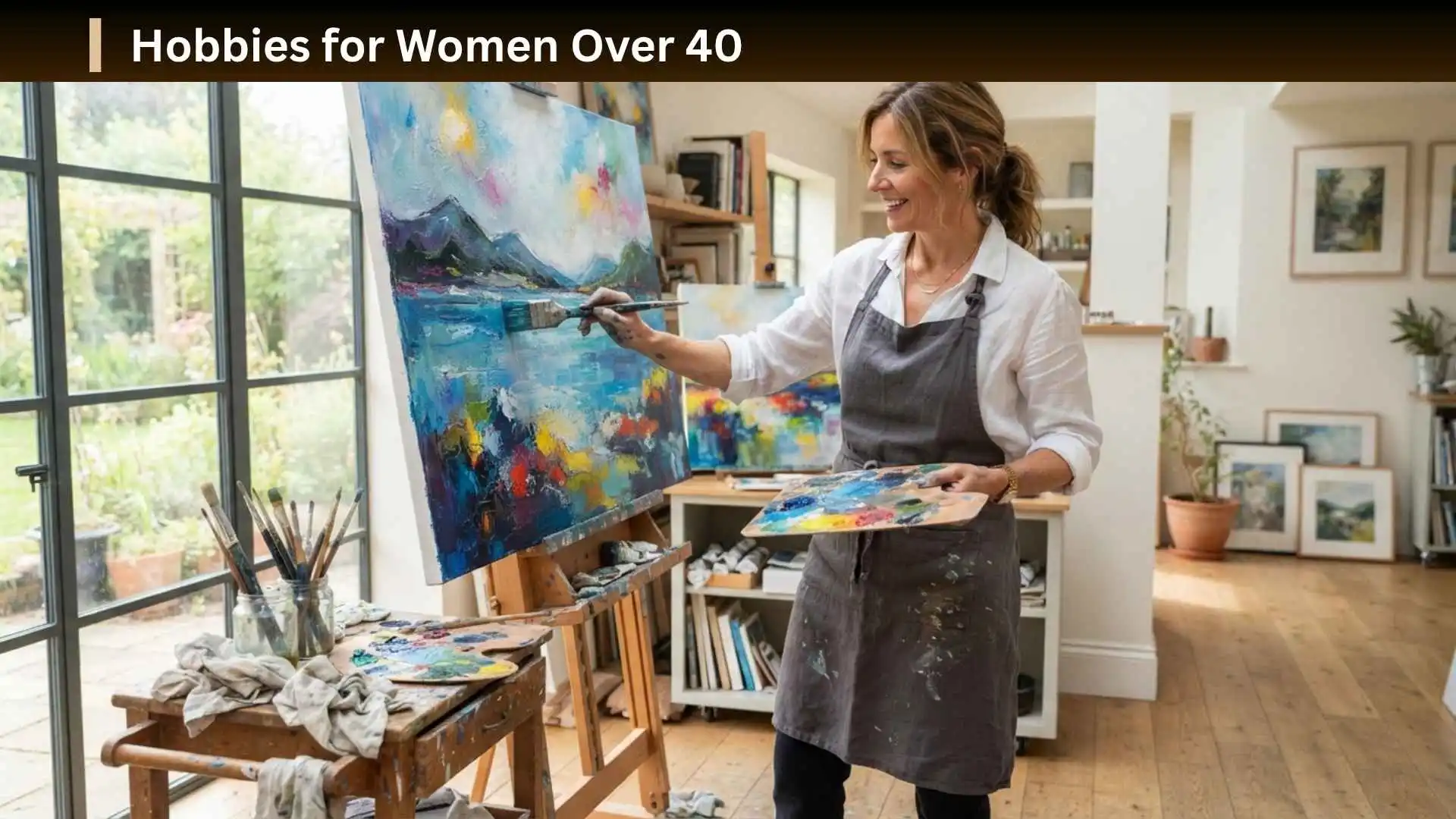
Painting does not require you to become a professional artist. The process itself can be the hobby.
You can experiment with watercolor, acrylics, gouache, or other media and start with simple subjects such as flowers, landscapes, household objects, or abstract designs.
Good for: Creative expression and people who enjoy visual projects.
4. Photography
Photography turns ordinary surroundings into opportunities to notice details.
You can begin with a smartphone rather than immediately buying a dedicated camera. Try photographing nature, architecture, food, family events, local places, or everyday objects.
As your skills develop, you can explore composition, lighting, editing, portraits, landscapes, or wildlife photography.
Good for: People who enjoy exploring, observation, and creativity.
5. Knitting or Crocheting
Knitting and crocheting are portable hobbies that can be practiced at home while listening to music, podcasts, or audiobooks.
Beginners can start with simple projects such as scarves, dishcloths, blankets, hats, or small decorative pieces.
Good for: Creative people who enjoy repetitive, hands-on activities.
6. Sewing and Quilting
Sewing can range from simple repairs to creating clothing, accessories, home decorations, and quilts.
Quilting can become a particularly absorbing long-term hobby because there are countless combinations of fabrics, patterns, colors, and techniques to explore.
Good for: People who enjoy detailed projects and making useful objects.
7. Cooking and Baking
Cooking becomes a hobby when you move beyond simply preparing meals and start experimenting with recipes, ingredients, techniques, and cuisines.
You could focus on:
- Bread baking
- Cake decorating
- Homemade pasta
- International cuisines
- Vegetarian cooking
- Regional American recipes
- Fermentation
- Dessert making
- Food photography
Choose a specific area rather than trying to master everything at once.
8. Hiking and Nature Walks
Hiking can turn time outdoors into a regular hobby. It can be as simple as exploring local trails or walking through parks and nature areas.
For beginners, start with routes appropriate for your current fitness level and conditions. Comfortable footwear, water, weather-appropriate clothing, and basic trail awareness are useful starting considerations.
Good for: People who enjoy the outdoors and want an active hobby.
9. Yoga
Yoga can be practiced in classes, at home, or in community settings. Different styles and classes offer different experiences, so beginners may want to explore options rather than assuming every class will feel the same.
If you have an injury, medical condition, or other physical limitation, consider asking an appropriate healthcare professional about activities that are suitable for you.
Good for: People looking for a movement-based hobby with a slower or more mindful approach.
10. Dancing
Dancing offers both learning and movement, and there are many styles to choose from.
Options include:
- Ballroom
- Salsa
- Swing
- Line dancing
- Tap
- Ballet
- Jazz
- Country dancing
A beginner class can make dancing more approachable because you learn progressively instead of trying to figure everything out alone.
Good for: People who want an energetic and potentially social hobby.
11. Pickleball
Pickleball has become a popular recreational sport in the United States. It can provide a structured reason to get active and socialize.
If you are new to the sport, beginner instruction or playing with people at a similar skill level can make the learning process easier.
Good for: Women who want an active, social hobby with a game-based format.
12. Birdwatching
Birdwatching is a hobby that can be enjoyed almost anywhere, from a backyard to a local park or nature preserve.
You can start simply by learning to recognize common birds in your area. A pair of binoculars can be useful, but they are not required to begin observing birds.
Keeping a bird journal or photographing birds can add another creative dimension.
Good for: Nature lovers, photographers, and people who enjoy observation.
13. Journaling
Journaling can take many forms. It does not have to mean writing several pages every day.
You might keep:
- A gratitude journal
- A reading journal
- A travel journal
- A garden journal
- A creative writing journal
- A daily reflection journal
- A goal journal
- A memory journal
The key is choosing a format you genuinely enjoy using.
14. Creative Writing
Creative writing can be a rewarding hobby even if you never intend to publish anything.
You could write:
- Short stories
- Poetry
- Personal essays
- Fiction
- Family stories
- Character sketches
- Travel memories
- Children’s stories
Writing can also pair naturally with reading, journaling, history, or genealogy.
15. Pottery and Ceramics
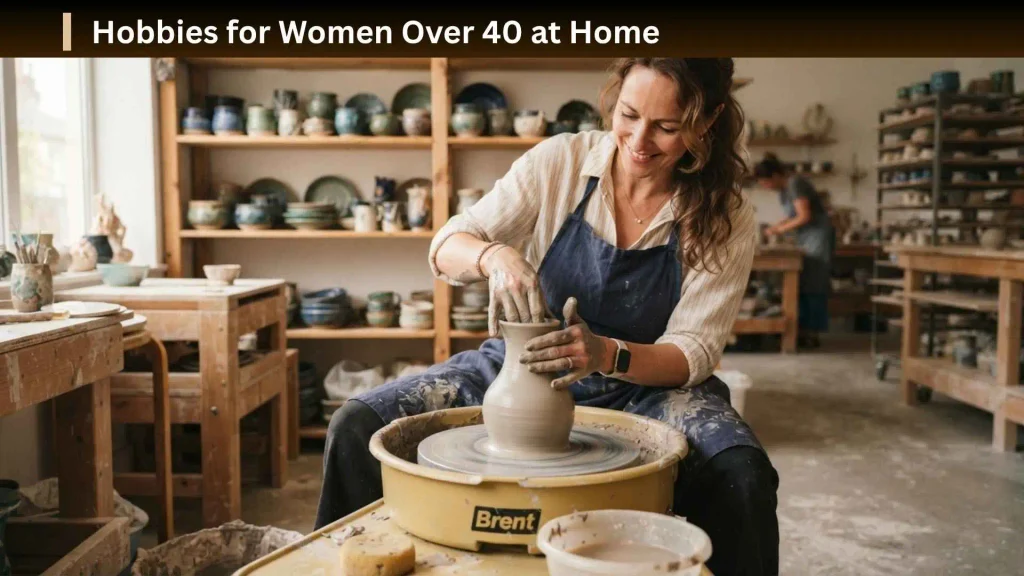
Pottery provides a hands-on creative experience and can be particularly appealing if you enjoy working with physical materials.
A local studio or community art center can be a practical place to learn because pottery involves equipment and materials that may be inconvenient to purchase for home use.
Good for: Hands-on creators who enjoy making physical objects.
16. Learning a Musical Instrument
It is never necessary to have started an instrument as a child to enjoy playing one as an adult.
Consider:
- Piano
- Guitar
- Ukulele
- Violin
- Keyboard
- Hand percussion
Start with an instrument that genuinely appeals to you. Regular short practice sessions are often easier to maintain than occasional marathon sessions.
17. Genealogy
Genealogy involves researching family history, relationships, locations, records, and historical context.
It can become a deep research hobby involving:
- Family trees
- Historical documents
- Old photographs
- Census records
- Immigration records
- Family interviews
- Local history
Be careful when recording personal information about living relatives and respect their privacy.
18. Puzzles and Board Games
Puzzles offer a simple way to spend quiet time, while board games can turn the same interest into a social activity.
Options include:
- Jigsaw puzzles
- Crossword puzzles
- Sudoku
- Logic puzzles
- Strategy games
- Word games
- Card games
This is especially useful if you want a hobby that requires little preparation.
19. Volunteering
Volunteering can turn an interest into meaningful community involvement.
Possible areas include:
- Libraries
- Animal shelters
- Food assistance organizations
- Community events
- Museums
- Schools and literacy programs
- Environmental projects
- Community gardens
Choose a cause that genuinely interests you rather than volunteering simply because an opportunity happens to be available.
20. Travel Planning
Travel itself can be expensive, but travel planning can become a hobby independently of how frequently you take trips.
You can research:
- National parks
- Small towns
- Museums
- Historical sites
- Scenic drives
- Food destinations
- Weekend getaways
- Cultural attractions
Creating itineraries, comparing destinations, learning local history, and organizing photography plans can all become part of the hobby.
Hobbies for Women Over 40 at Home
If you prefer not to travel to classes or clubs, there are plenty of hobbies that work well at home.
| Hobby | Starting Cost | Space Needed | Creative? | Social Potential |
| Reading | Low | Very little | Sometimes | High through book clubs |
| Journaling | Low | Very little | Yes | Low |
| Crochet | Low | Very little | Yes | High through craft groups |
| Painting | Low to moderate | Small area | Yes | Moderate |
| Baking | Low to moderate | Kitchen | Yes | High |
| Gardening | Low to moderate | Varies | Yes | Moderate |
| Photography | Low if using a phone | Little | Yes | High |
| Puzzles | Low | Small table | Somewhat | Moderate |
| Creative writing | Low | Very little | Yes | Moderate |
| Learning an instrument | Varies | Varies | Yes | Moderate |
Costs depend heavily on the equipment and level you choose, so these categories should be treated as general starting points rather than fixed prices.
Creative Hobbies for Women Over 40
Creative hobbies can be particularly appealing when you want to make something rather than simply consume entertainment.
Consider:
- Painting
- Drawing
- Pottery
- Jewelry making
- Sewing
- Quilting
- Crochet
- Knitting
- Embroidery
- Calligraphy
- Scrapbooking
- Flower arranging
- Photography
- Creative writing
- Cake decorating
- DIY home projects
A useful approach is to select a hobby based on the type of creativity you enjoy. Someone who likes working with fabric may prefer quilting, while someone who likes words may prefer writing.
Relaxing Hobbies for Women Over 40
If your main goal is to create more peaceful personal time, consider hobbies that can be done at your own pace.
Good choices include:
- Reading
- Gardening
- Coloring
- Knitting
- Crochet
- Journaling
- Birdwatching
- Watercolor painting
- Puzzles
- Listening to music
- Calligraphy
- Baking
- Collecting and organizing photographs
The best relaxing hobby is not necessarily the one that looks most peaceful. It is the one that helps you become absorbed in an activity you actually enjoy.
Active Hobbies for Women Over 40
If you want your hobby to include regular physical activity, possibilities include:
- Walking
- Hiking
- Swimming
- Cycling
- Dancing
- Pickleball
- Tennis
- Yoga
- Recreational kayaking
- Gardening
- Golf
Choose an activity that matches your current abilities and interests. If you are returning to exercise after a long break or have health concerns, getting appropriate professional guidance can help you choose a suitable starting point.
Social Hobbies for Women Over 40
A hobby can also become a way to expand your social circle.
Try a Book Club
Book clubs combine reading with conversation. You can find groups through libraries, community organizations, bookstores, or online communities.
Join a Craft Group
Knitting, crochet, quilting, sewing, and other craft groups often provide opportunities to learn techniques while spending time with other hobbyists.
Take a Class
Local community centers, studios, colleges, and recreational programs may offer classes in art, cooking, dance, music, fitness, or other interests.
Volunteer
Volunteering creates regular interaction while allowing you to contribute to something meaningful.
Join a Recreational Sports Group
Sports such as pickleball, tennis, golf, and other recreational activities can combine physical activity with social interaction.
Inexpensive Hobbies for Women Over 40
You do not need a large budget to develop a fulfilling hobby.
Some inexpensive options include:
- Reading library books
- Walking in local parks
- Journaling
- Birdwatching without specialized equipment
- Photography with a smartphone
- Drawing with basic supplies
- Writing
- Puzzles
- Gardening from seeds or cuttings
- Learning through free educational resources
- Cooking new recipes with ingredients you already have
- Geocaching
- Exploring local history
- Decluttering and organizing as a creative project
- Stargazing
A useful rule is to start with what you already own. Buy specialized equipment only after you know you enjoy the activity.
Hobbies That Can Become Side Projects
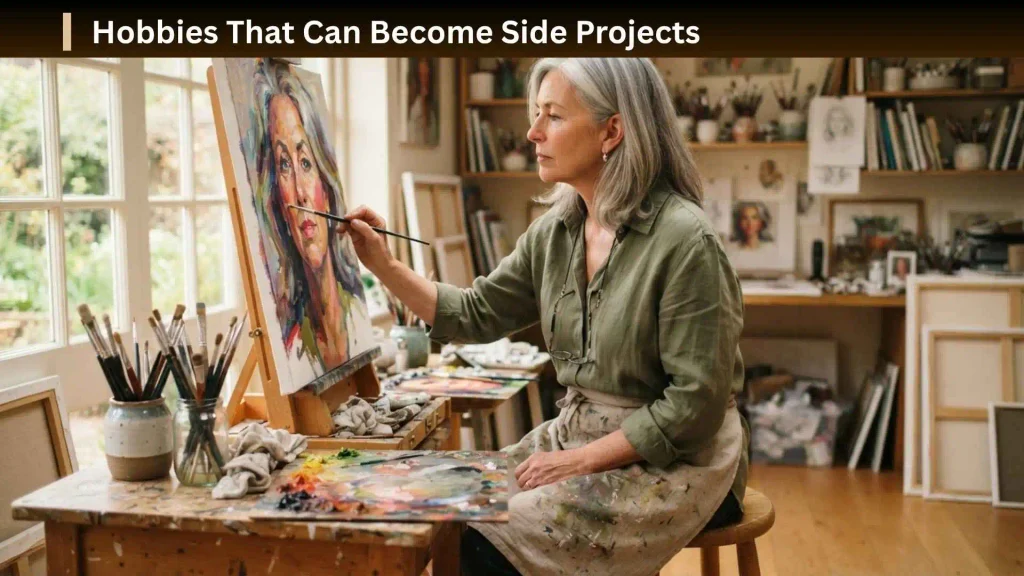
Some hobbies can eventually develop into small creative or entrepreneurial projects, although they should still be enjoyable rather than becoming another source of pressure.
Potential examples include:
- Photography
- Baking
- Sewing
- Quilting
- Jewelry making
- Painting
- Illustration
- Writing
- Handmade crafts
- Gardening
- Teaching a skill
- Creating digital designs
If you eventually sell products or services, treat that as a separate decision involving pricing, taxes, licensing, platform fees, and other practical considerations.
How to Start a New Hobby Without Getting Overwhelmed
One of the biggest mistakes beginners make is buying everything before discovering whether they actually like the hobby.
Instead, use a simple process.
Start Small
Choose the smallest realistic version of the hobby.
For example, instead of planning a large vegetable garden, grow a few containers. Instead of buying extensive art supplies, start with one medium.
Give It a Trial Period
Try the hobby several times before deciding whether it suits you.
A first session can feel awkward simply because everything is unfamiliar.
Set a Realistic Schedule
A hobby does not need to occupy hours every day.
Even a regular 20–30 minute session can give you something enjoyable to look forward to.
Avoid Comparing Your Beginning With Someone Else’s Middle
Online communities often showcase finished projects and advanced skills. Your first painting, quilt, garden, or photograph does not need to resemble an experienced hobbyist’s work.
Learning is part of the hobby.
Let Your Interests Change
You are not required to keep a hobby forever.
If you try pottery and discover that you prefer photography, moving on is not failure. It is useful information about what you enjoy.
A Simple Hobby Matching Guide
If you are unsure where to start, match the hobby to what you want more of in your life.
| If You Want More… | Consider… |
| Creativity | Painting, pottery, sewing, photography |
| Relaxation | Reading, knitting, gardening, puzzles |
| Movement | Hiking, dancing, swimming, pickleball |
| Social connection | Book clubs, classes, volunteering, group sports |
| Learning | Languages, music, genealogy, photography |
| Time outdoors | Gardening, hiking, birdwatching |
| Hands-on projects | Pottery, woodworking, crafts, gardening |
| Quiet personal time | Journaling, reading, drawing, writing |
| Adventure | Hiking, travel planning, kayaking, photography |
| Mental challenge | Chess, puzzles, genealogy, learning an instrument |
What Makes a Hobby Worth Keeping?
A good hobby does not have to produce anything valuable, improve your career, or become a business.
It may simply give you something to anticipate during the week.
A hobby is worth keeping if it fits reasonably well into your life and you find the activity itself rewarding. You may also discover secondary benefits such as learning, creativity, social connection, or spending more time outdoors.
Most importantly, there is no requirement to justify a hobby through productivity.
FAQs About Hobbies for Women Over 40
What are the best hobbies for women over 40?
The best hobbies depend on individual interests and circumstances. Popular choices include gardening, reading, painting, photography, sewing, knitting, hiking, yoga, dancing, cooking, birdwatching, creative writing, genealogy, and learning a musical instrument.
What is a good hobby for a 40 year old woman?
A good hobby is one that fits her interests, schedule, budget, and preferred level of activity. Reading, photography, gardening, painting, dancing, hiking, cooking, and learning an instrument are flexible options that can be adapted to different lifestyles.
What are some hobbies for women over 40 at home?
Good home-based hobbies include reading, painting, drawing, crochet, knitting, sewing, baking, cooking, journaling, puzzles, creative writing, indoor gardening, photography, and learning an instrument.
What are inexpensive hobbies for women over 40?
Reading through a library, walking, journaling, writing, drawing, smartphone photography, birdwatching, puzzles, gardening with seeds or cuttings, and exploring local history can all be started relatively inexpensively.
What hobbies help women over 40 meet people?
Book clubs, craft groups, dance classes, recreational sports, hiking groups, cooking classes, art classes, language groups, and volunteering can all create opportunities for regular social interaction.
Are hobbies still worth starting after 40?
Absolutely. A hobby does not have an age limit. Starting later can also mean you have a clearer understanding of your interests and can choose activities that fit your current lifestyle.
How many hobbies should a woman over 40 have?
There is no ideal number. One meaningful hobby can be enough. Some people prefer one main hobby, while others enjoy having different activities for creativity, exercise, relaxation, and social time.
Conclusion
The best hobbies for women over 40 are not necessarily the most impressive or productive ones. They are the activities that make you curious, relaxed, creative, active, connected, or simply happy to spend time doing them.
Start with one hobby that genuinely interests you. Keep the initial investment small, give yourself time to learn, and do not worry about being immediately good at it. Whether you choose gardening, painting, hiking, reading, dancing, crafting, photography, or something completely different, the goal is to create more room in your life for something you enjoy.

I’m Ethan Mitchell, a curious writer who enjoys turning complex ideas into simple, useful information. At Cognivoora, I focus on creating clear and engaging content that readers can understand and apply in everyday life. I believe good writing should educate, answer real questions, and leave readers with something valuable to remember.
Books:
- The Everyday Mind
- Simple Ideas, Better Thinking