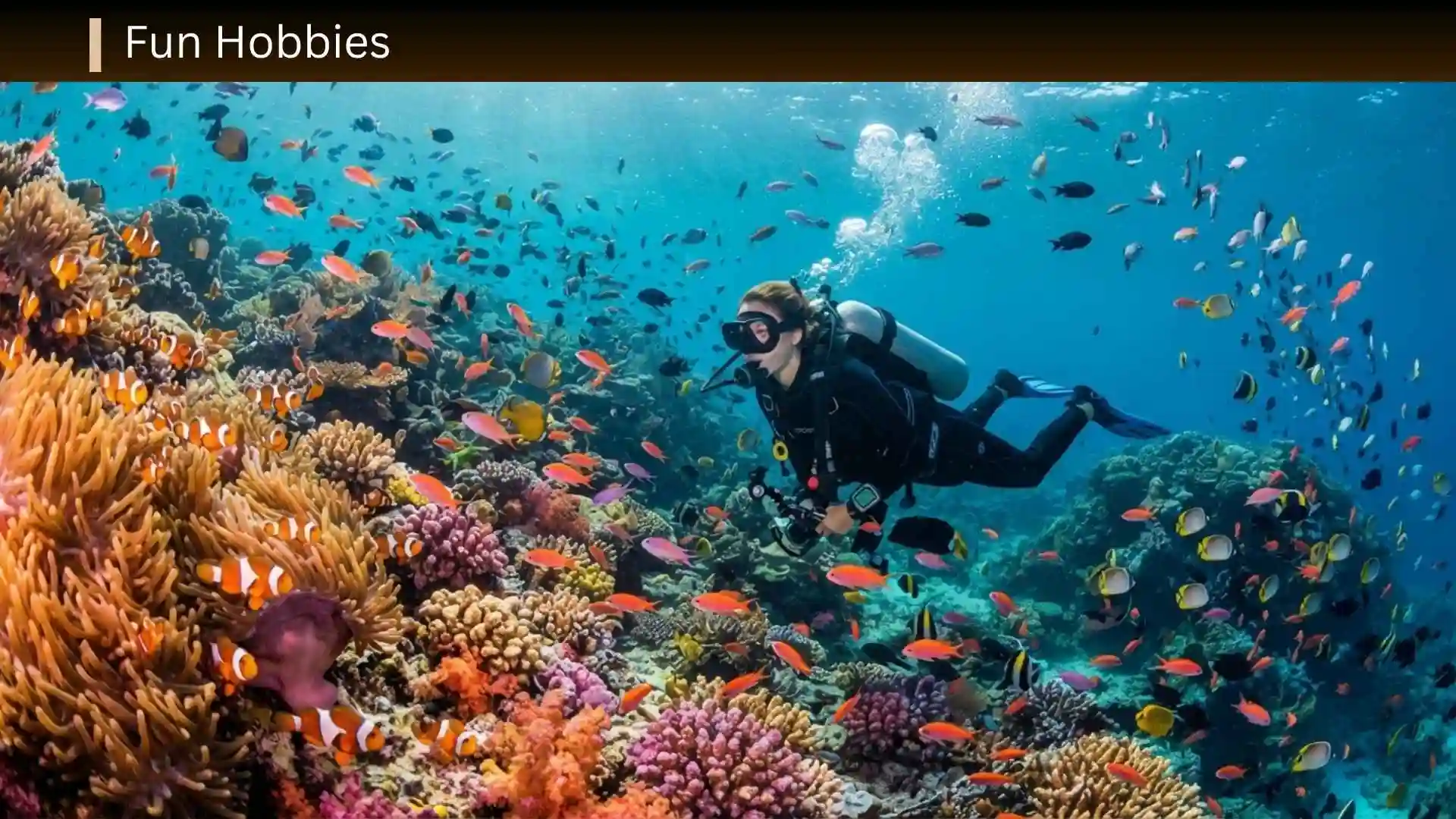
Have you ever wanted to try something new but had no idea where to start? I believe fun hobbies can turn an ordinary day into something exciting, creative, and meaningful. Whether you want to relax after a busy day, learn a new skill, meet new people, or simply enjoy your free time, there is a hobby waiting for you.
In this guide, you’ll discover a variety of fun hobbies for different interests, personalities, budgets, and lifestyles so you can find something that genuinely makes you look forward to your free time.
50+ Fun Hobbies to Try

Here are hobby ideas organized by the kind of experience they offer, making it easier to find something that actually matches what you enjoy.
1. Photography
Photography turns ordinary moments into creative projects. You can start with a smartphone and experiment with landscapes, portraits, architecture, food, wildlife, or street scenes.
Best for: Creative people, visual learners, and beginners who want a low-barrier hobby.
2. Drawing
Drawing is a flexible hobby that requires very little equipment. Start with pencils and paper, then explore sketching, portraits, cartoons, landscapes, or digital illustration.
3. Painting
Painting offers more room for experimentation than simple sketching. Watercolor, acrylic, and oil painting each create a different experience, so beginners can choose a medium that matches their preferred style.
4. Creative Writing
Creative writing can include short stories, poetry, journaling, fiction, scripts, or personal essays. It is especially appealing if you enjoy creating characters, exploring ideas, or playing with language.
5. Reading
Reading is one of the easiest hobbies to fit into a busy schedule. You can explore novels, biographies, history, science, mysteries, fantasy, personal development, or virtually any subject that interests you.
6. Gardening
Gardening combines hands-on activity with patience and observation. If you do not have a large yard, container gardening, herbs, houseplants, and balcony gardening can provide smaller-scale alternatives.
7. Baking
Baking is both creative and practical. Beginners can start with cookies, muffins, brownies, or simple breads before moving toward more technical recipes.
8. Cooking
Cooking can become a hobby rather than simply a daily responsibility when you use it to explore cuisines, ingredients, techniques, and recipes.
Try choosing one cuisine at a time and learning several dishes from it.
9. Hiking
Hiking is a straightforward way to spend time outdoors while exploring trails and natural areas. The difficulty can range from easy walks to demanding mountain routes, so choose trails appropriate for your experience and conditions.
10. Cycling
Cycling can be a recreational hobby, an outdoor exploration activity, or a way to discover nearby areas. You can ride casually around your neighborhood or gradually explore longer routes.
11. Birdwatching
Birdwatching encourages you to pay attention to wildlife and your surroundings. A basic field guide or bird-identification app can help beginners learn to recognize different species.
12. Stargazing
Stargazing is an accessible hobby that encourages curiosity about the night sky. You can begin by learning major constellations and identifying visible planets before considering binoculars or a telescope.
13. Fishing
Fishing combines outdoor time, patience, and technique. Local rules, licensing requirements, seasons, and permitted locations vary, so beginners should check applicable regulations before fishing.
14. Camping
Camping can range from a simple overnight trip at an established campground to more advanced backcountry experiences. Beginners can make the activity easier by starting with car camping and familiar facilities.
15. Kayaking
Kayaking offers a different way to explore lakes, calm rivers, and other suitable waterways. Beginners should learn basic water safety and choose conditions appropriate for their experience.
16. Geocaching
Geocaching turns outdoor exploration into a treasure-hunting game. Participants use GPS-enabled devices to locate hidden containers and follow clues.
It is particularly appealing if you enjoy exploration but want more structure than simply going for a walk.
17. Knitting
Knitting is a portable craft that can produce useful items such as scarves, hats, blankets, and clothing. Beginners can start with basic stitches and gradually learn more complicated patterns.
18. Crocheting
Crochet is another fiber craft with a relatively small equipment requirement. A hook and yarn are enough to begin practicing basic stitches and making simple projects.
19. Sewing
Sewing can be both creative and practical. You can make clothing, accessories, decorations, costumes, or household items while gradually learning how fabrics, patterns, and machines work.
20. Embroidery
Embroidery allows you to decorate fabric using different stitches and thread colors. It is a good option if you want a small, portable craft that can be practiced in short sessions.
21. Pottery
Pottery involves shaping clay into functional or decorative objects. Local studios and community art centers can be useful starting points because beginners may be able to use shared equipment rather than purchasing everything immediately.
22. Woodworking
Woodworking combines creativity, measurement, planning, and hands-on construction. Projects can range from simple shelves and boxes to more advanced furniture.
Because tools can cause injuries when used incorrectly, beginners should learn proper tool handling and workshop safety before attempting complex projects.
23. DIY Projects
DIY can cover home decoration, repairs, crafts, furniture projects, organization, and upcycling. The broad range makes it easy to choose projects based on your existing skills and available tools.
24. Model Building
Model building includes cars, aircraft, ships, architecture, miniatures, and other subjects. It appeals to people who enjoy detailed work and seeing a project gradually take shape.
25. LEGO Building
Building with LEGO can be more than a childhood activity. Adults can follow existing sets, design original structures, create displays, or participate in themed building communities.
26. Puzzles
Jigsaw puzzles offer a quiet challenge that can be completed alone or with others. Puzzle difficulty can be adjusted through piece count, image complexity, and puzzle type.
27. Chess
Chess provides a structured mental challenge and offers virtually unlimited opportunities for improvement. Beginners can learn the rules first, then practice tactics and complete games against other players or computer opponents.
28. Board Games
Modern board games cover strategy, cooperation, deduction, storytelling, wordplay, and competition. If you want a social hobby, choosing games designed for your preferred group size can make getting started easier.
29. Card Games
Card games are inexpensive compared with many specialized hobbies and can be played in different settings. You can explore traditional games, strategy-based games, collectible card games, or casual party games.
30. Jigsaw Puzzle Collecting
If completing puzzles becomes a favorite pastime, collecting puzzles can add another dimension to the hobby. You can focus on particular artists, themes, difficulty levels, or piece counts.
31. Playing a Musical Instrument
Learning guitar, piano, keyboard, drums, ukulele, or another instrument can become a long-term hobby. Beginners usually benefit from choosing one instrument rather than trying to learn several simultaneously.
32. Singing
Singing can be practiced privately or socially. You can sing for enjoyment, learn songs, participate in a choir, or develop vocal technique through structured lessons.
33. Music Production
Music production lets you create recordings using digital audio software and instruments. Beginners can experiment with beats, melodies, sampling, arrangement, and basic mixing.
34. Dancing
Dancing offers many styles, including hip-hop, salsa, ballroom, swing, contemporary, and line dancing. Classes can provide structure, while online lessons can offer a more private starting point.
35. Podcasting
Podcasting combines storytelling, research, conversation, and audio production. You do not need to start with a professional studio; beginners can first learn recording, editing, and topic development.
36. Learning a Language
Learning another language can become a long-term intellectual hobby. You can combine apps, books, videos, conversation practice, music, and reading to keep the learning experience varied.
37. Calligraphy
Calligraphy turns handwriting into a deliberate art form. Beginners can practice letterforms and spacing before moving into more advanced styles and projects.
38. Origami
Origami uses paper folding to create shapes and figures. It requires little space and equipment, making it particularly convenient for people who want a compact hobby.
39. Scrapbooking
Scrapbooking combines photographs, paper, layouts, lettering, and decorative elements. It can be used to preserve memories or simply create themed visual pages.
40. Candle Making
Candle making can be a creative craft involving containers, scents, colors, and decorative designs. Beginners should follow the safety guidance supplied with their materials and equipment.
41. Collecting
Collecting can center on almost anything that genuinely interests you, including books, coins, stamps, postcards, sports memorabilia, art, or vintage objects.
The most sustainable collections usually have a clear personal interest rather than being driven solely by the expectation that items will increase in value.
42. Thrifting
Thrifting can turn shopping into a hobby focused on finding unusual clothing, books, furniture, decorations, or vintage objects. You can also combine it with upcycling or restoration.
43. Antique Hunting
If you enjoy history and unusual objects, exploring antique stores, estate sales, flea markets, and auctions can be an engaging pastime. Learning how to identify styles, makers, materials, and condition adds depth to the hobby.
44. Volunteering
Volunteering can be a meaningful hobby for people who enjoy helping others and participating in community activities. Opportunities vary widely, from animal shelters and food banks to environmental projects and community organizations.
45. Yoga
Yoga can be practiced as a movement and mindfulness-oriented hobby. Beginners should choose instruction appropriate to their experience and physical abilities rather than assuming every style or pose is suitable for everyone.
46. Running
Running can be a simple recreational activity because it requires relatively little specialized equipment. Beginners can start gradually with walking and running intervals if that suits their current fitness level.
47. Swimming
Swimming can be recreational, skill-based, or competitive. It also offers different directions for progression, such as learning new strokes, improving technique, or participating in aquatic activities.
48. Roller Skating
Roller skating combines movement, coordination, and practice. You can skate recreationally, learn tricks, or participate in organized skating communities.
49. Golf
Golf can become a long-term hobby centered on technique, strategy, outdoor recreation, and social interaction. Beginners can start with practice facilities before investing heavily in equipment.
50. Miniature Painting
Miniature painting is a detail-oriented hobby involving small models, brushes, paints, and careful techniques. It is particularly suited to people who enjoy patient, highly focused creative work.
51. Photography Editing
If you already enjoy taking pictures, editing can become a separate creative hobby. You can learn cropping, exposure adjustments, color correction, organization, and more advanced editing techniques.
52. Digital Art
Digital art provides many possibilities, from illustration and concept art to graphic design and animation. A drawing tablet can be useful, but beginners can also experiment with software using a mouse or touchscreen.
53. Home Brewing of Non-Alcoholic Drinks
Experimenting with coffee, tea, homemade lemonade, flavored sparkling water, or specialty mocktails can turn everyday beverages into a creative hobby. It is a simple way to experiment with ingredients and presentation without requiring a large workspace.
54. Interior Decorating
Interior decorating can become a hobby focused on color, furniture arrangement, lighting, organization, and visual design. You can practice by improving one room or creating digital room concepts before buying anything.
55. Voluntary Citizen Science
Citizen science projects allow people to contribute observations or data to organized scientific projects. Depending on the project, activities may involve observing wildlife, recording environmental conditions, or identifying astronomical objects.
Fun Hobbies by Personality and Interest
A long list is useful, but choosing becomes easier when you start with the experience you want.
| If you want… | Hobbies to consider |
| A creative outlet | Drawing, painting, photography, writing, pottery |
| A quiet solo activity | Reading, puzzles, knitting, stargazing |
| Something social | Board games, dancing, volunteering, golf |
| Outdoor exploration | Hiking, cycling, camping, birdwatching |
| A hands-on project | Woodworking, sewing, DIY, model building |
| A mental challenge | Chess, puzzles, language learning |
| Physical activity | Swimming, running, dancing, kayaking |
| A low-equipment hobby | Reading, drawing, writing, walking, origami |
| A detail-oriented hobby | Miniature painting, embroidery, model building |
| A skill you can develop long-term | Music, photography, cooking, woodworking |
How to Choose a Fun Hobby You’ll Actually Keep Doing

The best hobby is not necessarily the most impressive one. It is the one you are likely to return to.
Start with the experience you want
Ask yourself what you want from your free time.
Do you want to:
- Make something?
- Learn something?
- Move your body?
- Spend time outdoors?
- Meet people?
- Relax alone?
- Challenge yourself?
- Explore a new interest?
Your answer can immediately narrow down your options.
Consider your available space
Someone living in a small apartment may prefer reading, drawing, photography, language learning, origami, or digital art.
Someone with a garage or workshop may have more room for woodworking, larger DIY projects, or model building.
Match the hobby to your schedule
If you have only 15–30 minutes at a time, choose something that can be started and stopped easily.
Reading, sketching, knitting, puzzles, language practice, and photography can work well for short sessions.
If you have several uninterrupted hours on weekends, consider hiking, camping, woodworking, pottery, cycling, or longer creative projects.
Decide how much equipment you want
Some hobbies can begin with items you already own.
For example:
- Smartphone: photography, video, language learning, digital research
- Paper and pencil: drawing, writing, origami
- Books: reading
- Basic kitchen equipment: cooking and baking
- Outdoor shoes: walking and exploring
Other hobbies become more equipment-intensive as your interest grows.
Starting small lets you discover whether you actually enjoy the activity before making a major investment.
Think about social energy
If you want to meet people, consider group-oriented hobbies such as dancing, volunteering, board games, team activities, or clubs.
If you prefer independence, reading, drawing, writing, gardening, puzzles, photography, and many crafts can be practiced alone.
You can also choose a hobby that works both ways. Photography, for example, can be enjoyed independently or through photography groups and workshops.
Low Cost Fun Hobbies
You do not need a large budget to develop an interesting hobby.
Some relatively inexpensive starting points include:
- Reading
- Walking
- Drawing
- Creative writing
- Photography with a smartphone
- Origami
- Birdwatching
- Stargazing
- Language learning
- Puzzles
- Journaling
- Geocaching
- Cooking with ingredients you already use
- Digital art using accessible software
- Volunteering
The important distinction is between starting cost and long-term cost. A hobby may be inexpensive initially but become more expensive if you later purchase specialized equipment.
Fun Hobbies for People Who Get Bored Easily

If you lose interest quickly, choose hobbies with variety or built-in progression.
Good possibilities include:
- Photography
- Cooking
- DIY projects
- Hiking
- Learning languages
- Music
- Geocaching
- Gardening
- Board games
- Creative writing
- Model building
These activities can change from project to project, which may make them more engaging than a hobby based on repeating exactly the same task.
Fun Hobbies You Can Do at Home
When you want something that does not require leaving home, consider:
- Reading
- Baking
- Cooking
- Painting
- Drawing
- Creative writing
- Knitting
- Crocheting
- Sewing
- Puzzles
- Chess
- Board games
- Digital art
- Music
- Podcasting
- Calligraphy
- Origami
- Model building
- Indoor gardening
- Miniature painting
The best choice depends on whether you want your home hobby to be relaxing, creative, intellectual, social, or hands-on.
Fun Outdoor Hobbies
For people who want their hobby to get them outside, options include:
- Hiking
- Cycling
- Camping
- Fishing
- Birdwatching
- Stargazing
- Gardening
- Kayaking
- Golf
- Running
- Swimming
- Geocaching
- Photography
- Wildlife observation
Outdoor hobbies vary substantially in equipment, physical demands, skill requirements, and environmental conditions. Start with activities appropriate for your experience and local conditions.
How to Turn Trying Hobbies Into a Habit
Choosing a hobby is easier than maintaining one.
A practical approach is to make the first step extremely small.
Instead of deciding to “learn photography,” try taking five intentional photographs this week.
Instead of deciding to “become a painter,” complete one small painting.
Instead of deciding to “learn guitar,” practice one simple chord progression for 10 minutes.
Small projects give you an opportunity to determine whether you genuinely enjoy the activity before committing more time or money.
Another useful strategy is to define a beginner project. A specific goal creates a clearer starting point than an abstract goal such as “get better at drawing.”
Common Mistakes When Choosing a Hobby
Choosing based only on popularity
A hobby can be popular without being right for you. Your available time, personality, budget, and interests matter more.
Buying too much equipment immediately
You may discover that you do not enjoy an activity after a few attempts. Start with basic equipment whenever possible and upgrade after you have established genuine interest.
Expecting to be good immediately
Most skills feel awkward during the beginner stage. Judge a hobby by whether you enjoy learning it, not only by the quality of your first attempts.
Choosing something that creates unwanted pressure
A hobby does not need to become a business, competition, or productivity project.
If your goal is relaxation, you can keep it recreational.
Trying too many hobbies at once
Exploration is useful, but spreading your attention across too many activities can make it difficult to develop any of them. Try several options, then keep the ones you naturally want to return to.
Frequently Asked Questions
What are the most fun hobbies to try?
Popular options include photography, cooking, hiking, gaming, reading, painting, gardening, music, dancing, cycling, crafts, puzzles, and creative writing. The best choice depends on whether you prefer creative, social, physical, intellectual, or relaxing activities.
What is a fun hobby that is easy to start?
Reading, drawing, writing, walking, smartphone photography, origami, puzzles, and language learning can be easy starting points because they generally require little specialized equipment.
What are fun hobbies for adults?
Adults can explore virtually any hobby, including cooking, gardening, photography, woodworking, music, hiking, painting, cycling, collecting, volunteering, board games, and creative writing.
What are fun hobbies to do alone?
Reading, photography, drawing, painting, writing, gardening, puzzles, stargazing, knitting, model building, cooking, and digital art can all be practiced independently.
What are fun hobbies that involve other people?
Dancing, board games, volunteering, group hiking, community gardening, sports, choirs, book clubs, and hobby classes can provide opportunities for social interaction.
What is a good hobby if I don’t have much money?
Start with activities that use equipment you already have. Reading, walking, writing, drawing, smartphone photography, free learning resources, origami, and volunteering are examples of hobbies that can often be started with minimal expense.
How do I find a hobby I actually enjoy?
Think about activities you naturally enjoy watching, learning about, or discussing. Then test several options through small beginner projects before spending significant money or committing to a long-term plan.
Conclusion
The best fun hobby is one that fits naturally into your life and gives you a reason to come back to it. You might prefer creating art, exploring the outdoors, learning a skill, working with your hands, playing games, or simply enjoying a quiet activity at home.
Start with one or two options that genuinely interest you. Keep the initial commitment small, learn through practice, and give yourself permission to move on if a hobby does not suit you. The goal is not to collect hobbies it is to find activities that make your free time more satisfying.

I’m Sophia Carter, a writer who enjoys discovering interesting ideas and transforming them into helpful content. At Cognivoora, I write with a simple goal: to make information clearer, more accessible, and genuinely useful for readers. I value thoughtful research, easy explanations, and content that people can trust and return to whenever they need it.
Books:
- The Knowledge Journey
- Understanding the World Around Us