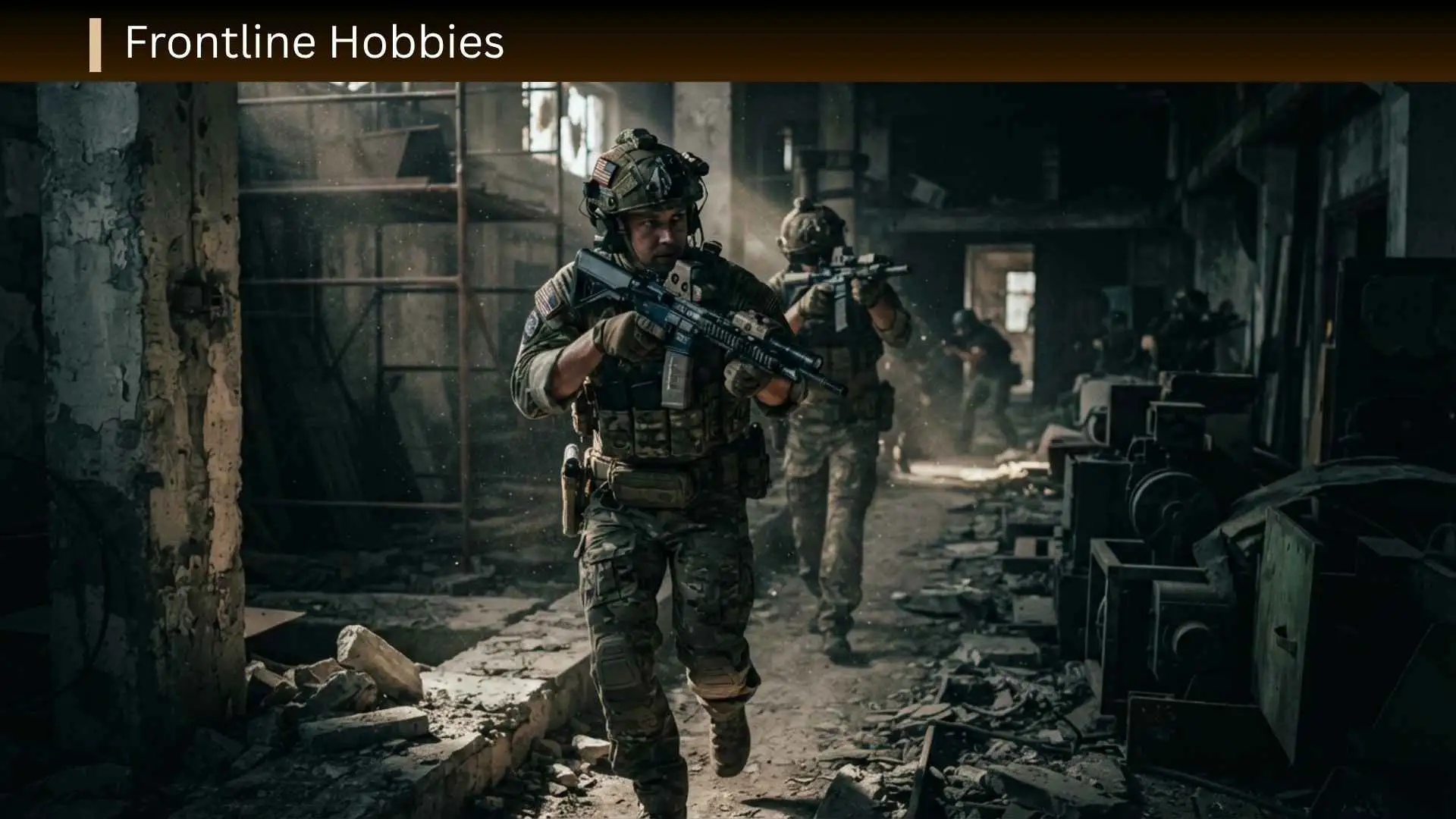
If you’re curious about Frontline Hobbies, you’re probably looking for more than just another way to spend your free time. I believe the right hobby can give you something to look forward to, help you discover new skills, and make ordinary days more interesting.
Whether you enjoy collecting, building, creating, learning, or exploring something completely new, you can find a hobby that matches your personality and interests. In this guide, I’ll explore Frontline Hobbies and the kinds of activities and ideas that can help you find something genuinely enjoyable.
What Are Frontline Hobbies?
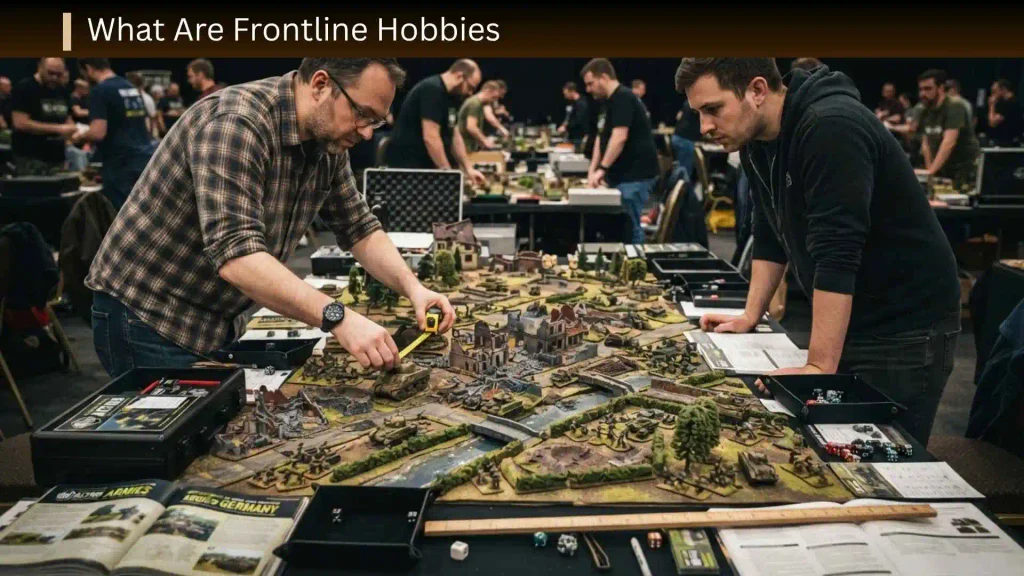
Frontline hobbies are recreational activities that fit the lifestyle, interests, or practical needs of people who work in demanding frontline roles or who enjoy activities associated with resilience, field skills, physical activity, creativity, or preparedness.
The term is broad rather than a formal hobby category. A frontline worker might prefer a quiet hobby that helps create separation from work, while someone interested in field-oriented activities might prefer hiking, photography, woodworking, camping, or other hands-on pursuits.
The best hobby depends less on the label and more on what you want the activity to provide.
Best Frontline Hobby Ideas
Here are some hobby categories that can suit people looking for practical, active, creative, or restorative activities.
Hiking and Nature Exploration
Hiking is a flexible hobby that can range from short local walks to longer trail adventures. It can appeal to people who spend much of their working time indoors and want time outside, as well as people who simply enjoy exploring natural environments.
You can start with basic walking shoes and gradually explore different trails as your experience grows.
Best for: Outdoor enthusiasts and people who enjoy independent activities.
Starting needs: Comfortable footwear, suitable clothing, water, and basic trail planning.
Photography
Photography provides a creative way to document landscapes, architecture, wildlife, travel, or everyday life. You do not necessarily need a dedicated camera because a smartphone can be enough for learning composition, lighting, framing, and editing.
For someone with an unpredictable schedule, photography is also convenient because individual sessions can be as short or long as your free time allows.
Best for: Creative people who enjoy observation and visual storytelling.
Camping
Camping combines outdoor recreation with planning, cooking, navigation, and practical problem-solving. It can be pursued casually at established campgrounds or developed into a more advanced outdoor hobby.
Beginners should start with straightforward trips and learn basic outdoor safety before attempting more demanding environments.
Best for: People who enjoy nature, practical skills, and weekend adventures.
Fishing
Fishing is often attractive to people who want a slower-paced outdoor hobby. It can provide time outdoors without requiring constant physical activity, although local rules, seasons, permits, and access requirements can vary.
A beginner can start by learning the regulations for a nearby fishing location and choosing simple equipment appropriate for that type of fishing.
Best for: People who enjoy patience, nature, and quiet outdoor time.
Gardening
Gardening is a practical hobby that can be adapted to the amount of space available. A backyard is not essential; containers, raised beds, and other small-space approaches can work for many plants.
It also gives you a hobby that develops gradually. You can begin with a few easy-to-manage plants rather than creating a large garden immediately.
Best for: People who enjoy hands-on projects and working with plants.
Woodworking
Woodworking offers a combination of creativity, precision, and practical skill development. Projects can range from simple household items to more complex furniture.
Because woodworking involves tools and machinery, beginners should learn proper tool handling and use appropriate protective equipment.
Best for: Hands-on learners who enjoy making physical objects.
Cooking and Grilling
Cooking can be an especially practical hobby because the skills can be used regularly rather than only during dedicated hobby sessions.
You can focus on a specific area such as grilling, baking, international cuisine, bread making, meal preparation, or learning knife skills. This makes it possible to keep the hobby interesting without constantly buying new equipment.
Best for: People who enjoy practical skills and experimenting with food.
Fitness Training
Exercise can become a recreational interest when approached as a personal skill or performance goal rather than simply as a routine obligation.
Possible interests include running, strength training, cycling, swimming, hiking, or recreational sports. The appropriate activity depends on individual fitness, preferences, available facilities, and any relevant health considerations.
Best for: People who enjoy measurable goals and physical activity.
Running
Running requires relatively little equipment compared with many other hobbies and can be adapted to different schedules.
A beginner can start with manageable distances and gradually build consistency rather than immediately attempting long-distance training.
Best for: People who prefer simple, individual activities with flexible scheduling.
Cycling
Cycling can combine exercise, transportation, exploration, and recreation. Riders can choose between casual neighborhood cycling, road riding, mountain biking, or other forms depending on their interests and local environment.
Safety equipment and awareness of local traffic and trail rules are important.
Best for: People who want an active hobby that also allows exploration.
Drawing and Sketching
Drawing is an accessible creative hobby that can be practiced almost anywhere. A notebook and pencil are enough to begin.
You can sketch people, objects, landscapes, buildings, or scenes from everyday life. Digital drawing is another option for people who prefer working with a tablet.
Best for: People who want a quiet, portable creative hobby.
Reading
Reading is particularly easy to fit around irregular schedules because it does not require a specific location or long uninterrupted sessions.
You can choose fiction, history, biographies, science, travel, philosophy, technical subjects, or any other topic that genuinely interests you.
Best for: People who want a low-cost hobby with flexible time requirements.
Writing
Writing can take many forms, including journaling, short stories, poetry, blogging, creative nonfiction, or personal essays.
It can also be practiced in short sessions, making it suitable for people whose schedules change frequently.
Best for: People who enjoy ideas, storytelling, reflection, or communication.
Model Building
Model building involves assembling and sometimes painting miniature vehicles, aircraft, buildings, figures, or other subjects.
It rewards patience and attention to detail. Beginners can start with relatively simple kits before moving toward more complicated projects.
Best for: Detail-oriented people who enjoy focused, hands-on work.
Fishing and Outdoor Skills
People interested in a more practical outdoor hobby can combine fishing, camping, navigation, hiking, and nature observation.
Rather than treating these as one activity, you can build a collection of related skills over time. This creates variety while keeping the overall hobby centered around outdoor recreation.
Best for: People who enjoy learning practical outdoor skills.
Collecting
Collecting can be built around almost any legitimate interest, including books, stamps, coins, sports memorabilia, vintage items, postcards, models, or art.
The key is to choose a collecting theme that interests you rather than collecting simply because an item is popular.
Best for: People who enjoy research, organization, history, and discovering unusual items.
Playing a Musical Instrument
Learning guitar, piano, drums, or another instrument combines practice with creativity. It can be especially rewarding for someone who wants a hobby that develops progressively.
A beginner does not need to become highly skilled immediately. Consistent short practice sessions can be more manageable than occasional long sessions.
Best for: Creative people who enjoy structured learning.
Frontline Hobbies by Lifestyle
Different hobbies make sense for different schedules and environments.
| Hobby | Activity Level | Space Needed | Starting Cost | Good For |
| Reading | Low | Very little | Low | Flexible schedules |
| Drawing | Low | Very little | Low | Creative interests |
| Photography | Low–Moderate | Little | Low–High | Visual creativity |
| Hiking | Moderate | None at home | Low–Moderate | Outdoor exploration |
| Gardening | Low–Moderate | Some | Low–Moderate | Hands-on projects |
| Cooking | Low–Moderate | Kitchen | Low–Moderate | Practical skills |
| Running | Moderate–High | None | Low–Moderate | Fitness goals |
| Cycling | Moderate–High | Storage helpful | Moderate | Exploration |
| Woodworking | Moderate | Workshop helpful | Moderate–High | Making things |
| Camping | Moderate | Storage helpful | Moderate | Outdoor recreation |
Costs vary substantially depending on the equipment you already own, the quality of gear you choose, and how far you take the hobby.
How to Choose the Right Frontline Hobby
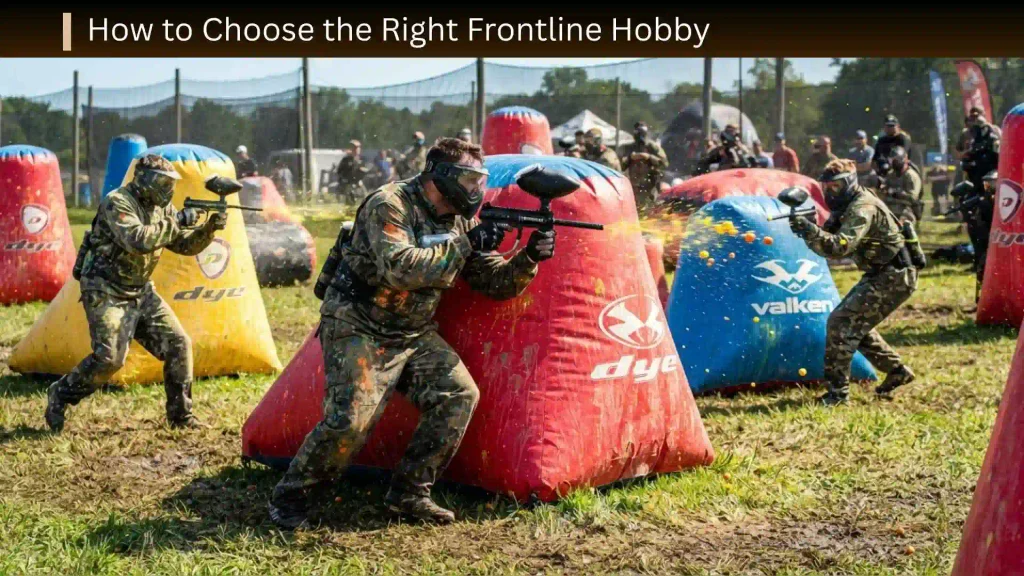
Instead of choosing a hobby simply because it sounds interesting, consider what you need from your free time.
If You Have Very Little Free Time
Choose activities that can be paused and resumed easily.
Good options include:
- Reading
- Drawing
- Photography
- Writing
- Cooking
- Musical instruments
These can often be practiced in relatively short sessions.
If You Want to Spend More Time Outdoors
Consider:
- Hiking
- Camping
- Fishing
- Cycling
- Gardening
- Nature photography
Outdoor hobbies can provide a clear change of environment from work and everyday responsibilities.
If You Prefer Practical Skills
Look at hobbies where you create, repair, grow, prepare, or build something.
Examples include:
- Woodworking
- Cooking
- Gardening
- Model building
- DIY projects
- Outdoor skills
These activities provide a tangible result, which can be an important part of their appeal.
If You Want a Quiet Hobby
Not every hobby needs to be physically demanding or social.
Consider:
- Reading
- Drawing
- Writing
- Photography
- Model building
- Collecting
These options can be particularly convenient when you want something that requires concentration rather than social interaction.
If You Want a Social Hobby
Some activities naturally create opportunities to meet other people.
Consider:
- Recreational sports
- Group hiking
- Cycling clubs
- Community gardening
- Music groups
- Photography groups
- Cooking classes
The social element can be as important as the activity itself for someone looking to build connections outside work.
What Makes a Good Hobby for a Demanding Schedule?
A good hobby does not necessarily need to be productive, physically challenging, or impressive.
For someone with a demanding schedule, a practical hobby should ideally fit the time and energy actually available.
Consider these factors:
Time: Can you enjoy it during a short break in your schedule, or does it require an entire day?
Recovery: Does the activity give you a different type of experience from your work, or does it feel like another obligation?
Cost: Can you participate comfortably without constantly buying additional equipment?
Accessibility: Can you practice it where you live?
Progress: Does the hobby offer enough variety or skill development to keep your interest?
Enjoyment: Most importantly, do you actually want to do it?
A hobby does not have to be useful in an economic sense. Its value can simply come from providing meaningful leisure.
Hobbies That Can Develop Useful Skills
Some hobbies naturally develop transferable skills while remaining recreational.
| Hobby | Skills You May Develop |
| Photography | Observation, composition, editing |
| Cooking | Planning, preparation, technique |
| Woodworking | Measurement, precision, tool use |
| Gardening | Planning, patience, plant care |
| Writing | Communication, research, creativity |
| Music | Practice, coordination, listening |
| Hiking | Planning, navigation, outdoor awareness |
| Model building | Patience, precision, attention to detail |
These skills should be viewed as potential outcomes of the hobby rather than guaranteed professional qualifications.
Should a Hobby Be Productive?
No. A hobby does not need to produce money, improve your career, or create a measurable achievement.
There is nothing wrong with choosing an activity simply because you enjoy it.
For example, someone might choose photography because they enjoy noticing interesting scenes, while another person might choose woodworking because they like making objects. Neither hobby needs to become a business to be worthwhile.
If you eventually decide to monetize a hobby, that is a separate decision and should be evaluated based on demand, skill, costs, pricing, and consistency.
How to Start Without Spending Too Much
The easiest way to avoid unnecessary spending is to begin with what you already have.
For example:
- Use a smartphone before buying a dedicated camera.
- Borrow books before building a large personal library.
- Grow a few plants before installing a large garden.
- Try basic cooking techniques before purchasing specialized equipment.
- Take short local hikes before investing heavily in outdoor gear.
- Use basic drawing materials before buying advanced art supplies.
After you determine that you genuinely enjoy the hobby, you can gradually invest in better equipment.
This approach also prevents a common beginner mistake: buying expensive gear before developing enough interest or experience to use it effectively.
Common Mistakes When Choosing a Hobby
Choosing a Hobby Because It Is Popular
A popular hobby is not automatically a good match for you. Your available time, personality, budget, environment, and interests matter more.
Buying Too Much Equipment
Equipment can become part of the hobby, but it should not replace actually practicing the activity.
Making the Hobby Another Job
If your free-time activity becomes dominated by schedules, performance targets, expenses, and obligations, it may stop providing the experience you wanted.
Starting Too Intensely
Beginners sometimes attempt an advanced version immediately. Starting smaller gives you time to learn whether the activity genuinely suits you.
Ignoring Your Actual Schedule
A hobby that requires three uninterrupted hours every weekend may not be practical for someone whose schedule rarely allows that much free time.
Frequently Asked Questions
What are frontline hobbies?
Frontline hobbies are recreational activities that can suit people with demanding frontline lifestyles or people interested in active, practical, outdoor, creative, or resilience-oriented activities. The term does not describe one official category of hobbies.
What is a good hobby for someone with a busy schedule?
Reading, photography, drawing, writing, cooking, and musical instruments can work well because they can often be practiced in flexible sessions.
What are good outdoor frontline hobbies?
Hiking, camping, fishing, cycling, gardening, and nature photography are useful options for people who enjoy spending their free time outdoors.
What are inexpensive hobbies to start?
Reading, drawing, writing, walking, basic photography with a smartphone, and gardening with a few inexpensive plants can be started without a large initial investment.
Which hobbies are good for learning practical skills?
Cooking, woodworking, gardening, DIY projects, model building, photography, and outdoor skills can all involve practical learning.
Does a hobby have to be productive?
No. A hobby can simply be an enjoyable use of free time. It does not need to produce income, improve your career, or result in a measurable achievement.
Conclusion
The best frontline hobby is not necessarily the most challenging or impressive activity. It is the one that fits your real schedule, interests, budget, energy level, and preferred environment.
For outdoor recreation, hiking, camping, fishing, cycling, and nature photography are strong choices. For quiet or flexible activities, reading, drawing, writing, and collecting may work better. If you prefer practical skills, cooking, gardening, woodworking, and model building offer hands-on alternatives.
Start small, use equipment you already have when possible, and give yourself enough time to discover what you genuinely enjoy.
I’m Ethan Mitchell, a curious writer who enjoys turning complex ideas into simple, useful information. At Cognivoora, I focus on creating clear and engaging content that readers can understand and apply in everyday life. I believe good writing should educate, answer real questions, and leave readers with something valuable to remember.
Books:
- The Everyday Mind
- Simple Ideas, Better Thinking