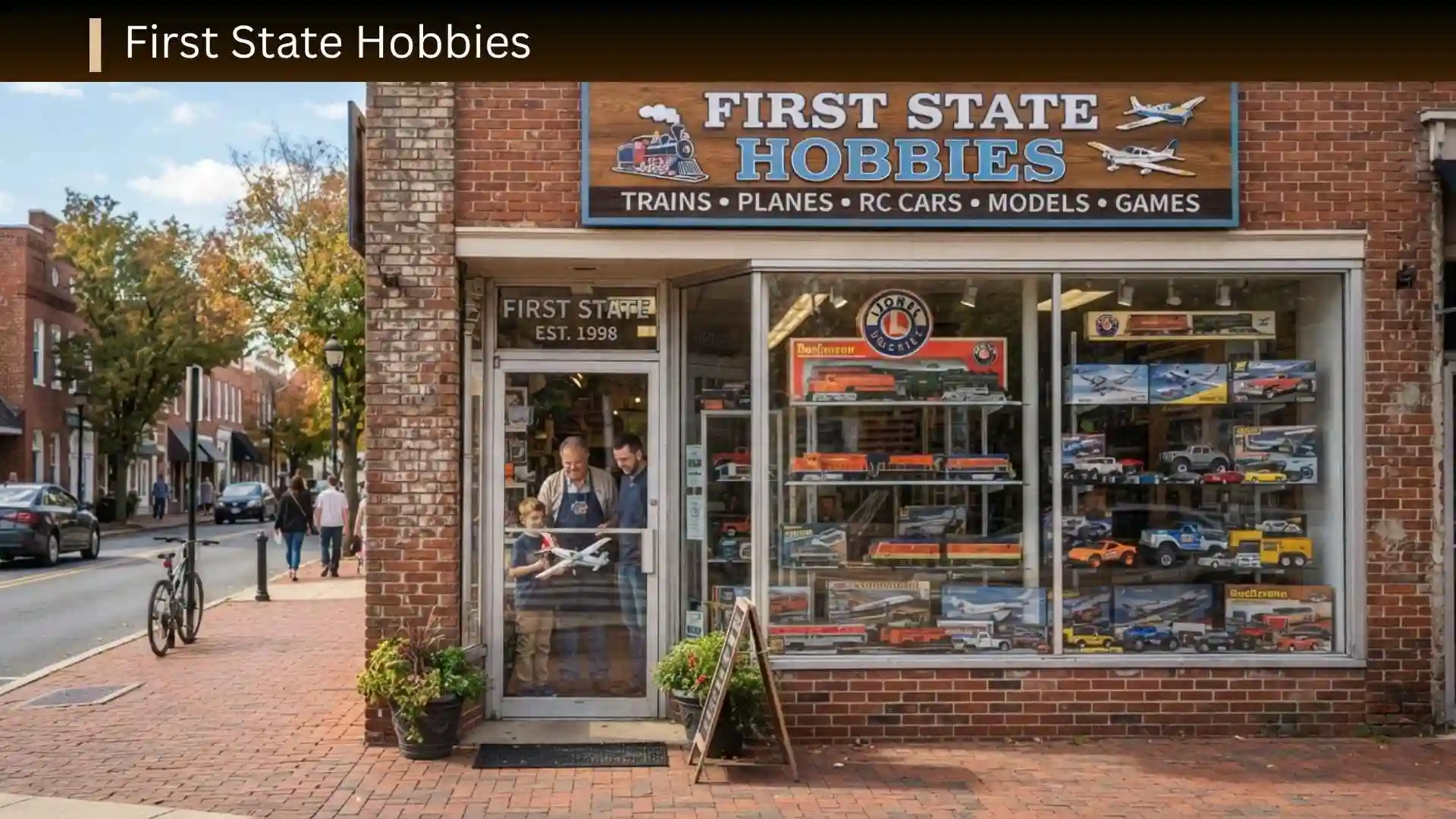
If you’re curious about First State Hobbies, you may be wondering what makes hobbies connected to Delaware, the “First State,” interesting and worth exploring.
I believe hobbies can tell you a lot about a place, its culture, and the people who live there. Whether you’re looking for a new activity, researching Delaware inspired interests, or simply want fresh hobby ideas, you can discover plenty of ways to turn your curiosity into something enjoyable. In this guide, I’ll explore First State Hobbies and help you find ideas that you can connect with, enjoy, and make your own.
What Does “First State Hobbies” Mean?
“First State” is Delaware’s nickname because Delaware was the first state to ratify the U.S. Constitution on December 7, 1787. The phrase first state hobbies can therefore refer to hobbies enjoyed in Delaware, particularly activities that fit the state’s geography, history, culture, and recreational opportunities.
Some hobbies have a particularly strong connection to Delaware because of its coastline, waterways, parks, historic sites, agricultural areas, and small-town communities.
Popular First State Hobbies to Try
1. Beachcombing
Delaware’s Atlantic coastline makes beachcombing a simple hobby for people who enjoy spending time outdoors.
Beachcombing involves walking along the shore while looking for interesting shells, stones, driftwood, sea glass, or other naturally occurring finds. It requires very little equipment and can be done alone or with family.
For beginners, a comfortable pair of walking shoes and a small collection bag are usually enough. Always follow local rules about collecting natural materials and protected wildlife.
2. Fishing
Fishing is a natural fit for Delaware because the state has access to rivers, bays, ponds, streams, and coastal waters.
The hobby can range from casual freshwater fishing to more specialized saltwater fishing. Beginners can start with basic equipment and learn fundamental skills such as casting, bait selection, knot tying, and responsible fish handling.
Before fishing, check current Delaware regulations, licensing requirements, seasons, and location-specific rules.
3. Birdwatching
Birdwatching is a good choice for people who want a quiet outdoor hobby.
Delaware’s wetlands, forests, beaches, agricultural areas, and waterways provide different habitats for birds. A beginner can start simply by observing birds from a backyard, local park, or nature area.
A pair of binoculars and a bird identification guide or app can make the hobby more engaging, but expensive equipment is not necessary.
4. Hiking
Hiking combines exercise, nature observation, and exploration.
Delaware has trails ranging from relatively easy walks to more demanding routes. Beginners should choose trails based on distance, terrain, weather, and their own experience rather than assuming that a short trail will always be easy.
Hiking can also pair naturally with other hobbies, including photography, birdwatching, nature journaling, and wildlife observation.
5. Nature Photography
Nature photography is an accessible creative hobby that works particularly well with Delaware’s varied landscapes.
You can photograph:
- Beaches and coastal scenery
- Birds and wildlife
- Forests
- Flowers and gardens
- Sunrises and sunsets
- Historic landscapes
- Local architecture
You do not need a professional camera to begin. A smartphone can be enough to learn composition, lighting, framing, and basic editing.
6. Gardening
Gardening is a practical hobby that can be adapted to different spaces.
People with yards can grow flowers, vegetables, herbs, or native plants. Those with limited outdoor space can try container gardening, raised planters, or smaller herb gardens.
A useful beginner approach is to start with a small number of plants rather than creating a large garden immediately. Learning how much sunlight, water, and space each plant needs will make the hobby easier to manage.
7. Kayaking and Canoeing
Water-based hobbies can be appealing for people who enjoy outdoor recreation from a different perspective.
Kayaking and canoeing allow participants to explore suitable waterways while developing paddling skills and learning basic water safety.
Beginners should choose appropriate waterways for their experience level, check weather and water conditions, and use properly fitted safety equipment. Conditions can change quickly, so preparation matters more than simply choosing a scenic location.
8. Cycling
Cycling can function as both recreation and a practical way to explore an area.
You can choose between casual neighborhood riding, road cycling, trail riding, or longer recreational rides depending on your interests and local routes.
A beginner does not need an expensive bicycle. The more important considerations are choosing a suitable bike, wearing a properly fitted helmet, maintaining the bicycle, and learning basic traffic and trail etiquette.
9. Historical Research
Delaware’s history provides plenty of material for people who enjoy research and learning.
A history-focused hobby could involve researching:
- Delaware communities
- Family history
- Historic buildings
- Local industries
- Colonial-era history
- Military history
- Old maps and photographs
- Genealogy
Genealogy can be especially rewarding for people who enjoy connecting historical records with family stories.
10. Genealogy
Genealogy turns family history into an ongoing research project.
Beginners can start by recording information they already know about parents, grandparents, and other relatives. From there, they can investigate public records, newspapers, photographs, cemetery information, and historical documents.
The most useful approach is to document sources carefully rather than accepting every online family tree as accurate.
11. Crafting
Craft hobbies are useful for people who prefer indoor, hands-on activities.
Possibilities include:
- Knitting
- Crochet
- Sewing
- Scrapbooking
- Woodworking
- Paper crafts
- Jewelry making
- Painting
- Model building
The advantage of crafting is that you can choose an activity based on your available space, budget, and desired level of complexity.
12. Painting and Drawing
Drawing and painting offer creative outlets without requiring a large setup.
Beginners can start with pencil sketching, watercolor, acrylic painting, or digital drawing. Local scenery can also provide an endless source of subjects.
You can practice by drawing familiar objects before progressing to landscapes, architecture, portraits, or more advanced compositions.
13. Cooking and Baking
Cooking is a hobby with a practical result: you get to use what you create.
Someone new to the hobby can focus on one area rather than trying to master everything at once. For example, you might learn bread baking, regional recipes, desserts, grilling, vegetarian cooking, or homemade sauces.
Keeping notes about recipes, ingredient changes, and results can help you improve over time.
14. Collecting
Collecting can turn an ordinary interest into a structured hobby.
Possible collections include:
- Postcards
- Coins
- Stamps
- Books
- Vintage photographs
- Local memorabilia
- Sports cards
- Maps
A focused collection is usually easier to manage than buying anything that appears interesting. Consider storage, authenticity, condition, and long-term cost before collecting valuable items.
15. Volunteering as a Hobby
For people who enjoy social interaction and community involvement, volunteering can become a meaningful regular activity.
Potential opportunities may include environmental projects, historical organizations, animal-related organizations, libraries, community events, or local nonprofits.
Unlike many hobbies, volunteering can combine personal interests with a contribution to the local community.
First State Hobbies by Interest
| Hobby | Best For | Starting Cost | Activity Level |
| Beachcombing | Outdoor exploration | Low | Low–Moderate |
| Fishing | Nature and patience | Low–Moderate | Low–Moderate |
| Birdwatching | Quiet observation | Low–Moderate | Low |
| Hiking | Nature and walking | Low | Moderate |
| Photography | Creative exploration | Low–High | Low–Moderate |
| Gardening | Plants and hands-on work | Low–Moderate | Moderate |
| Kayaking | Water recreation | Moderate | Moderate |
| Cycling | Exercise and exploration | Moderate | Moderate–High |
| Genealogy | History and research | Low–Moderate | Low |
| Crafting | Creative indoor activities | Low–Moderate | Low |
| Cooking | Practical creativity | Low–Moderate | Low–Moderate |
| Collecting | Focused interests | Varies | Low |
Costs vary considerably depending on equipment, quality, and how deeply you pursue the hobby. The table is intended as a starting comparison rather than a fixed price guide.
How to Choose the Right First State Hobby
Instead of choosing a hobby simply because it is popular, consider what you actually want from the activity.
If You Want a Low Cost Hobby
Start with activities that use things you already have.
Walking, hiking, sketching, birdwatching without specialized equipment, writing, gardening with a few containers, and basic photography can often be started without a major investment.
If You Want an Outdoor Hobby
Consider hiking, fishing, birdwatching, cycling, beachcombing, kayaking, gardening, or nature photography.
Think about how much physical activity you want and whether you prefer land, water, wildlife, or scenery.
If You Prefer Quiet Hobbies
Genealogy, reading, drawing, painting, collecting, photography, gardening, and birdwatching can be good choices for someone who prefers independent activities.
If You Want a Social Hobby
Look for activities that naturally involve other people, such as community gardening, group cycling, fishing groups, crafting circles, volunteering, local history organizations, or classes.
The social element often comes from the community surrounding a hobby rather than the activity itself.
If You Want a Creative Hobby
Painting, drawing, photography, writing, crafting, cooking, woodworking, and sewing provide opportunities to make something rather than simply consume entertainment.
How to Start a New Hobby Without Overspending
A common mistake is purchasing advanced equipment before determining whether you actually enjoy the activity.
A better approach is to:
- Choose one hobby.
- Learn the basic skills first.
- Start with inexpensive or existing equipment.
- Practice consistently for a few weeks.
- Identify what limits your progress.
- Upgrade equipment only when it solves a real problem.
For example, someone interested in photography can begin with a smartphone. If they eventually discover that they enjoy wildlife photography, investing in specialized equipment may make more sense.
First State Hobbies for Families
Families can choose hobbies that accommodate different ages and interests.
Good possibilities include:
- Beachcombing
- Gardening
- Easy hiking
- Birdwatching
- Cooking
- Photography
- Fishing where appropriate
- Craft projects
- Local history exploration
- Cycling on suitable routes
For younger children, prioritize age-appropriate activities and supervision where needed. Outdoor hobbies should also be adjusted for weather, terrain, and individual abilities.
First State Hobbies for Adults
Adults have the advantage of being able to select hobbies based on a specific personal goal.
Someone looking for relaxation might choose gardening, painting, reading, or birdwatching. Someone wanting physical activity might prefer hiking, cycling, kayaking, or fishing. Someone interested in learning could explore genealogy, photography, cooking, or local history.
A hobby does not need to be productive to be worthwhile. Its value can simply come from providing an engaging activity outside routine responsibilities.
Hobbies Connected to Delaware’s Identity
Some hobbies have an especially natural connection to the First State because they allow people to explore its geography and history.
Coastal activities connect with Delaware’s shoreline and waterways. Gardening and nature observation fit its varied outdoor environments. Genealogy and historical research allow hobbyists to explore the state’s role in American history.
This does not mean these activities are exclusive to Delaware. Rather, Delaware provides a local setting in which these interests can become especially relevant.
Frequently Asked Questions
What are the best first state hobbies?
Some of the most accessible choices include hiking, fishing, birdwatching, beachcombing, gardening, photography, cycling, crafting, cooking, and genealogy. The best option depends on whether you prefer outdoor, creative, social, or quiet activities.
Why is Delaware called the First State?
Delaware is called the First State because it was the first state to ratify the U.S. Constitution, doing so on December 7, 1787.
What are inexpensive hobbies to start in Delaware?
Walking, hiking, birdwatching, sketching, reading, photography with a smartphone, genealogy, and some forms of gardening can be started relatively inexpensively.
What are good outdoor hobbies in Delaware?
Hiking, fishing, birdwatching, beachcombing, cycling, kayaking, gardening, and nature photography are all possibilities, depending on location, conditions, equipment, and applicable local rules.
What hobbies are good for people who prefer to be alone?
Genealogy, reading, drawing, painting, photography, gardening, collecting, writing, and birdwatching can all work well as independent hobbies.
Do hobbies in Delaware require special equipment?
Some do, but many do not. A beginner can often start with basic equipment and determine whether the hobby is a good fit before spending more money.
Conclusion
First state hobbies can range from simple activities such as walking, reading, gardening, and photography to more specialized interests such as fishing, kayaking, genealogy, and historical research.
The best choice is not necessarily the most expensive or impressive hobby. Start with something that fits your interests, available time, budget, and preferred environment. If you live in or regularly visit Delaware, the state’s beaches, waterways, natural areas, communities, and history provide plenty of opportunities to turn a casual interest into a lasting hobby.

I’m Sophia Carter, a writer who enjoys discovering interesting ideas and transforming them into helpful content. At Cognivoora, I write with a simple goal: to make information clearer, more accessible, and genuinely useful for readers. I value thoughtful research, easy explanations, and content that people can trust and return to whenever they need it.
Books:
- The Knowledge Journey
- Understanding the World Around Us