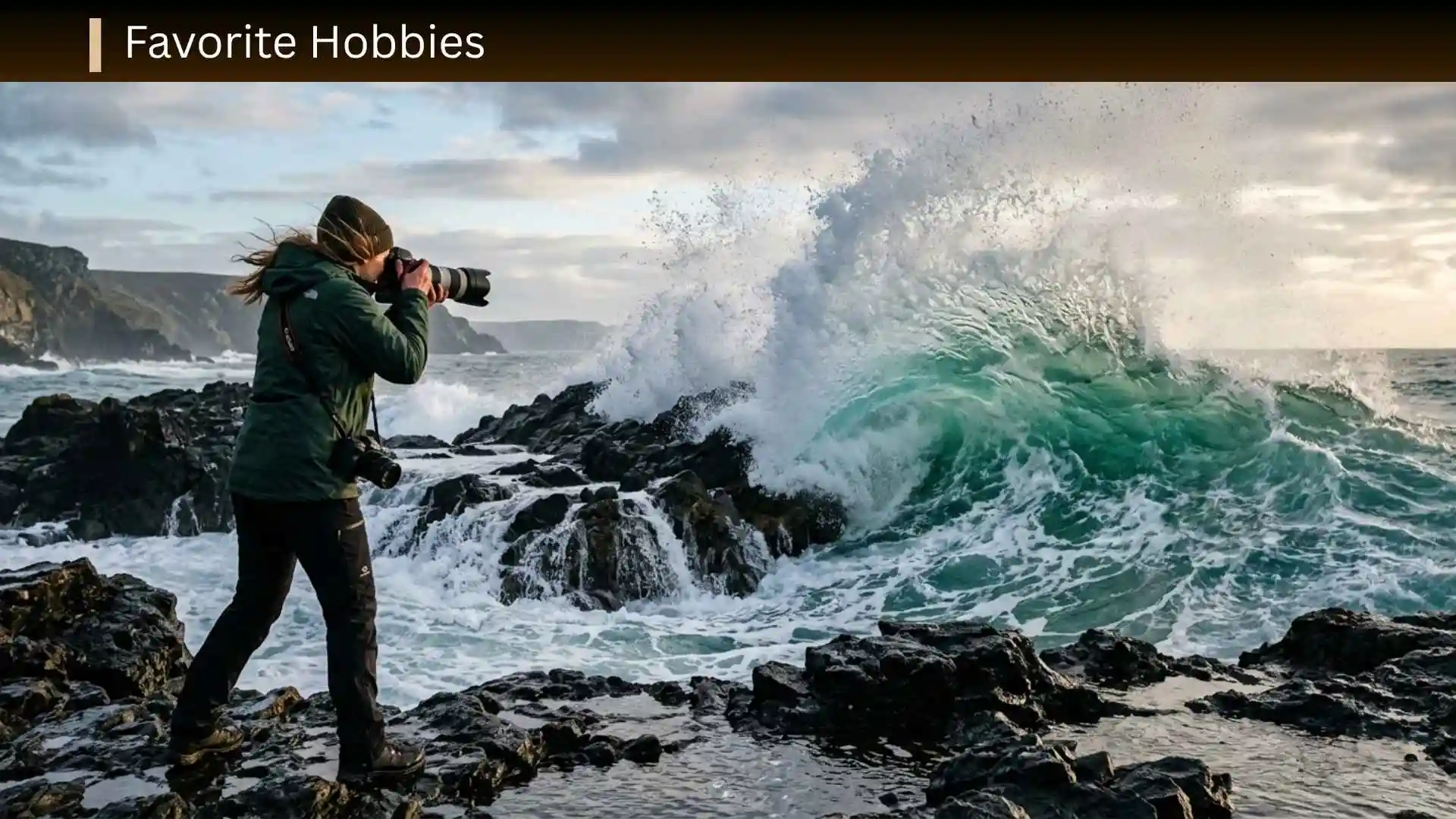
When I think about favorite hobbies, I think about the little activities that make life more enjoyable and give you something to look forward to. Your favorite hobby does not have to be impressive, expensive, or productive; it simply needs to make you feel happy, relaxed, curious, or excited.
I’ve found that the right hobby can also help you discover new interests and make your free time more meaningful. Whether you enjoy reading, cooking, gardening, photography, gaming, crafting, fitness, or learning something new, there are countless possibilities to explore. In this guide, you’ll discover different favorite hobbies and how you can find one that truly fits your personality, interests, and lifestyle.
What Are the Most Popular Favorite Hobbies?
Popular hobbies include reading, gardening, cooking, photography, drawing, painting, hiking, fitness, baking, writing, music, crafting, gaming, fishing, and traveling.
The right choice depends on what you want from your free time. Someone looking for relaxation may prefer reading or gardening, while someone who wants a challenge might enjoy learning an instrument, woodworking, coding, or photography.
Here are some of the most useful categories to consider:
| Hobby Category | Examples | Best For |
| Creative | Drawing, painting, writing, crafts | Self-expression |
| Active | Hiking, cycling, swimming, fitness | Movement and outdoor time |
| Relaxing | Reading, puzzles, journaling, knitting | Quiet downtime |
| Social | Dancing, volunteering, clubs, team sports | Meeting people |
| Skill-based | Cooking, photography, coding, woodworking | Learning something useful |
| Outdoor | Gardening, fishing, camping, birdwatching | Nature lovers |
| Collecting | Books, coins, stamps, records | People who enjoy discovery |
| Technology | Gaming, programming, digital art | Tech enthusiasts |
50+ Favorite Hobbies to Explore

There is no single best hobby for everyone. The options below are organized by the type of experience they provide, making it easier to find activities that match your personality and goals.
1. Reading
Reading is one of the simplest hobbies to start because it requires relatively little equipment. You can explore novels, biographies, history, science, mysteries, personal development, or almost any other subject.
It is especially suitable for people who enjoy quiet, independent activities and want a hobby they can do almost anywhere.
2. Gardening
Gardening combines planning, hands-on work, and an interest in plants. You can grow flowers, vegetables, herbs, houseplants, or container gardens.
You do not need a large yard to begin. A few containers on a balcony, patio, or sunny windowsill can provide a starting point.
3. Photography
Photography turns ordinary surroundings into opportunities for creative exploration. Beginners can start with a smartphone before investing in dedicated camera equipment.
You might specialize in landscapes, wildlife, architecture, portraits, street photography, food, or nature.
4. Cooking
Cooking is both a hobby and a practical life skill. You can experiment with recipes, cuisines, ingredients, presentation, or different cooking techniques.
A good beginner approach is to choose a cuisine or type of food you already enjoy and gradually expand your skills.
5. Baking
Baking appeals to people who enjoy following processes while still having room for creativity. Bread, cookies, cakes, pies, pastries, and other baked goods offer different levels of difficulty.
It can also be a satisfying hobby for people who like making something tangible at the end of a project.
6. Drawing
Drawing is an accessible creative hobby because you can begin with basic paper and pencils. You can practice portraits, landscapes, animals, cartoons, architecture, or abstract designs.
Improvement generally comes from regular practice rather than expensive equipment.
7. Painting
Painting provides several directions to explore, including watercolor, acrylic, oil, and other media.
Beginners do not need to create complicated artwork immediately. Learning basic concepts such as shapes, color, composition, and light can provide a foundation for more advanced work.
8. Writing
Writing can take many forms, including journaling, poetry, short stories, essays, blogging, or creative fiction.
It is particularly suitable for people who enjoy expressing ideas, observing everyday life, or creating stories.
9. Journaling
Journaling is a flexible hobby that can be as simple as writing a few sentences about your day.
You can also use specialized journals for ideas, goals, observations, travel memories, reading notes, or creative writing.
10. Learning a Musical Instrument
Learning guitar, piano, keyboard, drums, violin, or another instrument combines practice with creativity.
A beginner should choose an instrument they genuinely want to play rather than simply choosing one because it is considered popular.
11. Singing
Singing can be practiced casually or developed as a serious skill. You can sing for personal enjoyment, join a choir, practice specific songs, or work on vocal technique.
The hobby requires little equipment to begin.
12. Listening to and Exploring Music
Music can become a hobby beyond simply listening to favorite songs. You can explore new genres, study artists, compare recordings, learn about music history, or build themed playlists.
This is a good low-cost option for people who enjoy discovering new sounds.
13. Hiking
Hiking provides an opportunity to explore trails while getting outside. The activity can range from short local walks to longer day hikes.
Beginners should choose routes appropriate for their fitness, experience, weather conditions, and available equipment.
14. Cycling
Cycling can be recreational, social, or fitness-oriented. Some people enjoy casual rides around their neighborhood, while others prefer longer road or trail routes.
The right bicycle depends heavily on where and how you plan to ride.
15. Swimming
Swimming is both a recreational activity and a skill that can be developed over time. Some people enjoy casual swimming, while others work on technique, endurance, or structured workouts.
Access to a suitable pool or swimming area is the main practical consideration.
16. Walking
Walking is an extremely flexible hobby. You can explore neighborhoods, parks, trails, museums, shopping districts, or scenic areas.
It is also easy to combine with photography, birdwatching, podcasts, or nature observation.
17. Running
Running can begin with short sessions and gradually become more structured. Some people enjoy running alone, while others prefer organized events or running groups.
Comfortable footwear and a gradual approach are more important for beginners than immediately pursuing long distances.
18. Yoga
Yoga can be practiced in different settings and at different levels of intensity. Some people approach it as movement and flexibility practice, while others appreciate its slower, more mindful elements.
Beginners should choose instructions appropriate to their experience and physical abilities.
19. Dancing
Dancing combines movement, music, and skill development. Options include ballroom, salsa, hip-hop, swing, ballet, contemporary dance, and many others.
Classes can also make dancing a social hobby.
20. Fishing
Fishing is often appealing to people who enjoy spending time outdoors at a slower pace. It can involve learning about equipment, local fish species, locations, weather, and techniques.
Local fishing rules, licenses, and seasonal restrictions may apply depending on where you fish.
21. Camping
Camping provides an opportunity to spend extended time outdoors. Beginners can start with established campgrounds rather than immediately attempting remote trips.
Basic planning should account for weather, food, water, shelter, navigation, and local regulations.
22. Birdwatching
Birdwatching combines outdoor exploration with observation and identification. You can begin in a backyard, local park, or nearby natural area.
A pair of binoculars can be useful, but beginners can also start by learning to identify birds visually and by their calls.
23. Stargazing
Stargazing is a hobby centered on observing the night sky. You can start by learning major constellations and visible celestial objects without buying a telescope.
A telescope can be added later if your interest grows.
24. Fishing and Nature Photography
Combining hobbies can make them more engaging. For example, nature photography can be paired with hiking, birdwatching, camping, or fishing.
This approach gives you multiple reasons to explore the outdoors rather than treating each hobby as a completely separate activity.
25. Knitting
Knitting is a portable craft that allows you to create scarves, hats, blankets, garments, and decorative items.
Beginners can start with simple stitches and small projects before moving toward more complicated patterns.
26. Crocheting
Crocheting uses a hook rather than knitting needles and offers many possible projects, including blankets, accessories, decorations, and clothing.
It is a practical choice for people who enjoy repetitive handwork and visible progress.
27. Sewing
Sewing can range from basic repairs to garment making and creative textile projects.
Beginners can learn essential skills such as threading a machine, understanding patterns, measuring fabric, and making simple seams.
28. Woodworking
Woodworking can become a highly practical hobby involving furniture, shelves, boxes, decorations, and other projects.
Because tools can be powerful and potentially hazardous, beginners should learn proper tool handling and safety before attempting complex projects.
29. Pottery
Pottery combines creativity with hands-on craftsmanship. You can work with clay to create functional objects or decorative pieces.
Access to a studio or appropriate equipment can make pottery more expensive and less convenient than hobbies that require only basic supplies.
30. Jewelry Making
Jewelry making can include beading, wirework, metalwork, polymer clay, and other techniques.
It works well for people who enjoy detailed projects and small-scale creative work.
31. Origami
Origami turns paper into structured shapes through folding. It is inexpensive to start and can progress from simple designs to highly intricate models.
It is particularly suitable for people who enjoy precision and focused activities.
32. Puzzles
Jigsaw puzzles, crossword puzzles, logic puzzles, and other puzzle formats offer different kinds of challenges.
They can be especially appealing when you want an activity that requires concentration without requiring a large time commitment.
33. Board Games
Board games range from casual family games to complex strategy games. They are a strong option for people who want a hobby that naturally creates opportunities for social interaction.
The best game depends on the number of players, preferred complexity, and available time.
34. Video Games
Gaming includes an enormous range of genres, including strategy, simulation, role-playing, sports, adventure, puzzle, and cooperative games.
It can be a casual pastime or a deeper hobby involving learning game systems, completing challenges, or participating in gaming communities.
35. Chess
Chess offers a structured intellectual challenge and can be played casually or studied deeply.
Beginners can learn the rules first, then gradually explore basic tactics, opening principles, and endgame concepts.
36. Collecting Books
Book collecting can focus on first editions, particular authors, genres, subjects, editions, or simply books you personally value.
Unlike reading alone, collecting adds an element of research, organization, and discovery.
37. Coin Collecting
Coin collecting involves discovering, identifying, organizing, and researching coins.
Collectors may focus on particular countries, periods, denominations, designs, or historical themes.
38. Stamp Collecting
Stamp collecting offers a similar combination of history, geography, design, and organization.
You can specialize by country, period, theme, printing variety, or another category that interests you.
39. Model Building
Model building can involve vehicles, aircraft, ships, buildings, miniatures, or fictional subjects.
It suits people who enjoy detailed, patient projects and want a hobby with a clear finished product.
40. Calligraphy
Calligraphy focuses on decorative and carefully controlled handwriting. Different styles offer different levels of difficulty.
It can be combined with card making, journaling, invitations, or artwork.
41. Learning a Language
Learning another language can become a long-term hobby rather than a short-term goal.
You can combine vocabulary practice with books, films, music, conversation, writing, and cultural learning.
42. Coding
Coding can be a hobby for people who enjoy technology, problem-solving, and building things.
Beginners might start by creating a simple website, automation, game, small program, or interactive project.
43. Digital Art
Digital art provides many creative possibilities using drawing tablets, computers, or other digital tools.
You can explore illustration, concept art, photo manipulation, animation, or graphic design.
44. Video Editing
Video editing can turn raw clips into short films, travel videos, family projects, educational content, or creative productions.
A smartphone and basic editing software can be enough to begin.
45. Home DIY Projects
DIY projects can include painting furniture, organizing spaces, repairing household items, building simple objects, or improving a room.
The most suitable projects depend on your tools, experience, and comfort level with practical work.
46. Volunteering
Volunteering can become a meaningful recurring hobby when you find a cause or organization that interests you.
Possible opportunities include community programs, animal shelters, environmental projects, libraries, cultural organizations, and local events.
47. Cooking Different Cuisines
Instead of treating cooking as one broad hobby, you can focus on exploring specific cuisines such as Mexican, Italian, Japanese, Indian, Mediterranean, or regional American cooking.
This gives the hobby a clear direction and creates an ongoing learning challenge.
48. Travel Planning
You do not need to travel constantly to enjoy travel as a hobby. Some people enjoy researching destinations, building itineraries, learning about geography, comparing transportation options, and discovering cultural attractions.
It can also pair naturally with photography and writing.
49. Genealogy
Genealogy involves researching family history using documents, records, family stories, photographs, and other historical sources.
Because records can contain incomplete or conflicting information, careful documentation and source checking are important.
50. Home Brewing and Food Fermentation
Food-focused hobbies can include learning about fermentation, pickling, bread making, or other traditional preparation methods.
When working with food fermentation or preservation, follow reliable food-safety guidance rather than relying on guesswork.
51. Origami and Paper Crafts
Paper crafts can include origami, scrapbooking, card making, paper models, and decorative projects.
They are useful options when you want creative activities that do not require much space.
52. Interior Decorating
Interior decorating can become a creative hobby even when you are not renovating an entire home.
You can experiment with layouts, colors, furniture arrangements, lighting, artwork, and decorative objects.
How to Choose a Favorite Hobby
If you have too many options, start by identifying what you want your hobby to do for you.
Choose a hobby based on your goal
| If you want to… | Consider… |
| Relax alone | Reading, puzzles, journaling, knitting |
| Be more creative | Drawing, painting, photography, writing |
| Spend time outdoors | Hiking, gardening, birdwatching, camping |
| Stay active | Cycling, swimming, running, dancing |
| Meet people | Dancing, volunteering, clubs, team activities |
| Learn a practical skill | Cooking, sewing, woodworking, coding |
| Make things | Pottery, crafts, model building, woodworking |
| Challenge yourself | Chess, programming, language learning |
| Explore interests | Collecting, genealogy, photography |
| Keep costs low | Walking, reading, writing, drawing, birdwatching |
Consider how much time you actually have
A hobby does not need to consume an entire weekend.
If you have only 15–30 minutes available, reading, drawing, journaling, puzzles, language practice, or music practice may be easier to maintain.
If you have several hours on weekends, hobbies such as hiking, woodworking, gardening, photography, camping, or cycling may be more suitable.
Consider your available space
Space can significantly influence your choice.
Someone living in a small apartment may find reading, drawing, digital art, chess, writing, cooking, or indoor plants easier than woodworking or large-scale gardening.
If you have access to a garage, yard, workshop, or studio, you have more options for equipment-heavy hobbies.
Consider your budget
Some hobbies can be started with things you already own. Others become considerably more expensive as you advance.
A useful approach is to start small before buying specialized equipment. Spend enough to participate comfortably, then invest further once you know the hobby genuinely interests you.
Decide whether you want a solo or social hobby
A hobby can also fill a social need.
If you prefer independent time, consider reading, photography, drawing, writing, gardening, collecting, puzzles, or coding.
If you want to meet people, consider dancing, volunteering, team sports, clubs, group classes, board games, or community activities.
You can also combine both. Photography, for example, can be practiced alone but also provides opportunities to join photography groups.
What Makes a Hobby Worth Continuing?
A hobby is more likely to become a lasting part of your routine when it fits your actual life.
Look for an activity that:
- You are genuinely curious about
- You can access without excessive effort
- Fits your budget
- Works with your available space
- Matches your preferred level of social interaction
- Offers room to improve
- Does not require unrealistic amounts of free time
- Gives you a reason to return to it
The hobby does not need to be productive. Reading a novel, building a model, painting, playing a game, or watching birds can be worthwhile simply because you enjoy the activity.
Should You Have More Than One Hobby?
Yes. Different hobbies can serve different purposes.
For example, you might have:
- A relaxing hobby: reading
- A creative hobby: photography
- An active hobby: hiking
- A social hobby: dancing
- A skill-building hobby: cooking
Having several interests can also prevent you from feeling that every hobby needs to satisfy the same purpose.
However, having too many hobbies at once can make it difficult to develop any of them. A better approach is to explore several activities casually and then invest more time in the ones that continue to hold your attention.
How to Start a New Hobby Without Overspending
You do not need to become an expert before you begin.
Start with the simplest version of the activity. Borrow equipment where practical, use beginner resources, buy only essential supplies, and choose a small first project.
For example:
- Try smartphone photography before buying a camera.
- Read library books before building a large personal collection.
- Try container gardening before planning a large garden.
- Practice drawing with basic pencils before buying a full art setup.
- Learn basic cooking techniques before purchasing specialized kitchen equipment.
- Try simple DIY projects before investing in an extensive tool collection.
This approach lets you determine whether you actually enjoy the hobby before making a larger commitment.
Favorite Hobbies by Personality and Preference
For creative people
Consider drawing, painting, writing, photography, crafts, pottery, calligraphy, sewing, jewelry making, or digital art.
For people who enjoy nature
Gardening, hiking, birdwatching, fishing, camping, photography, cycling, and stargazing are strong choices.
For people who prefer quiet hobbies
Reading, journaling, puzzles, knitting, drawing, collecting, chess, model building, and writing can provide focused individual time.
For social people
Dancing, board games, volunteering, community groups, team sports, classes, and clubs can make the hobby itself a social experience.
For people who like learning
Languages, cooking, coding, genealogy, music, photography, chess, and history-focused collecting provide plenty of opportunities for continued learning.
For people who like making things
Woodworking, baking, pottery, sewing, model building, crafts, gardening, and DIY projects offer tangible results.
How to Turn a Hobby Into a Long Term Interest
The easiest way to make a hobby sustainable is to avoid making it unnecessarily complicated.
Choose a manageable starting point and give yourself permission to remain a beginner.
A simple progression might look like this:
Explore → Practice → Complete small projects → Learn more → Invest selectively → Develop your own style
You do not have to monetize the hobby, become highly skilled, or turn it into a side business for it to be worthwhile.
If you eventually become highly skilled, some hobbies can potentially lead to other opportunities. Photography, writing, crafts, coding, cooking, music, and woodworking, for example, can sometimes develop into freelance or business activities. However, income is never automatic and depends on factors such as skill, demand, pricing, competition, and consistency.
Frequently Asked Questions
What are the most common favorite hobbies?
Popular hobbies include reading, cooking, gardening, photography, hiking, fitness, gaming, writing, music, crafts, painting, and collecting. Personal preference matters more than popularity when choosing a hobby to continue long term.
What is a good hobby for someone who has never had a hobby?
Start with something inexpensive and easy to access, such as reading, walking, cooking, drawing, photography with a smartphone, puzzles, journaling, or gardening with a few containers. The goal is to explore rather than immediately commit to expensive equipment.
What hobbies can I do at home?
Good at-home hobbies include reading, writing, drawing, painting, cooking, baking, knitting, crocheting, puzzles, gaming, coding, digital art, music, model building, collecting, and indoor gardening.
What are good hobbies for meeting new people?
Dancing, volunteering, team sports, board-game groups, hobby clubs, classes, community activities, and group outdoor activities can create natural opportunities to interact with other people.
What are inexpensive hobbies to start?
Reading, walking, writing, drawing, journaling, stargazing, basic photography with a smartphone, puzzles, language learning, and many paper crafts can be started with relatively little spending.
Can a hobby become a source of income?
Some hobbies can potentially be monetized, particularly when they develop into valuable skills. Examples include photography, writing, crafts, coding, music, cooking, and woodworking. However, turning a hobby into income requires demand, marketable skills, appropriate pricing, and consistent effort.
How do I know which hobby is right for me?
Consider your interests, available time, budget, space, preferred social environment, and what you want from the activity. If you are unsure, try several low-cost hobbies for a short period and notice which one you naturally want to return to.
Conclusion
Your favorite hobby does not have to be impressive, productive, expensive, or popular. It simply needs to fit your interests and the way you want to spend your free time.
If you want something quiet, try reading, writing, puzzles, or crafts. If you want creativity, explore photography, painting, drawing, or music. For outdoor experiences, consider hiking, gardening, birdwatching, or cycling. And if you want to learn, hobbies such as cooking, coding, languages, genealogy, or chess can provide an ongoing challenge.
The best place to start is with one activity that genuinely interests you and is easy enough to try this week. You can always explore another hobby later if the first one does not suit you.

I’m Olivia Bennett, a passionate writer who loves exploring ideas, learning new concepts, and sharing knowledge in a straightforward way. I write for Cognivoora with the goal of making useful topics easier to understand without unnecessary complexity. My approach combines research, clarity, and a reader-first perspective.
Books:
- Think Clearly, Live Better
- The Curious Reader’s Guide