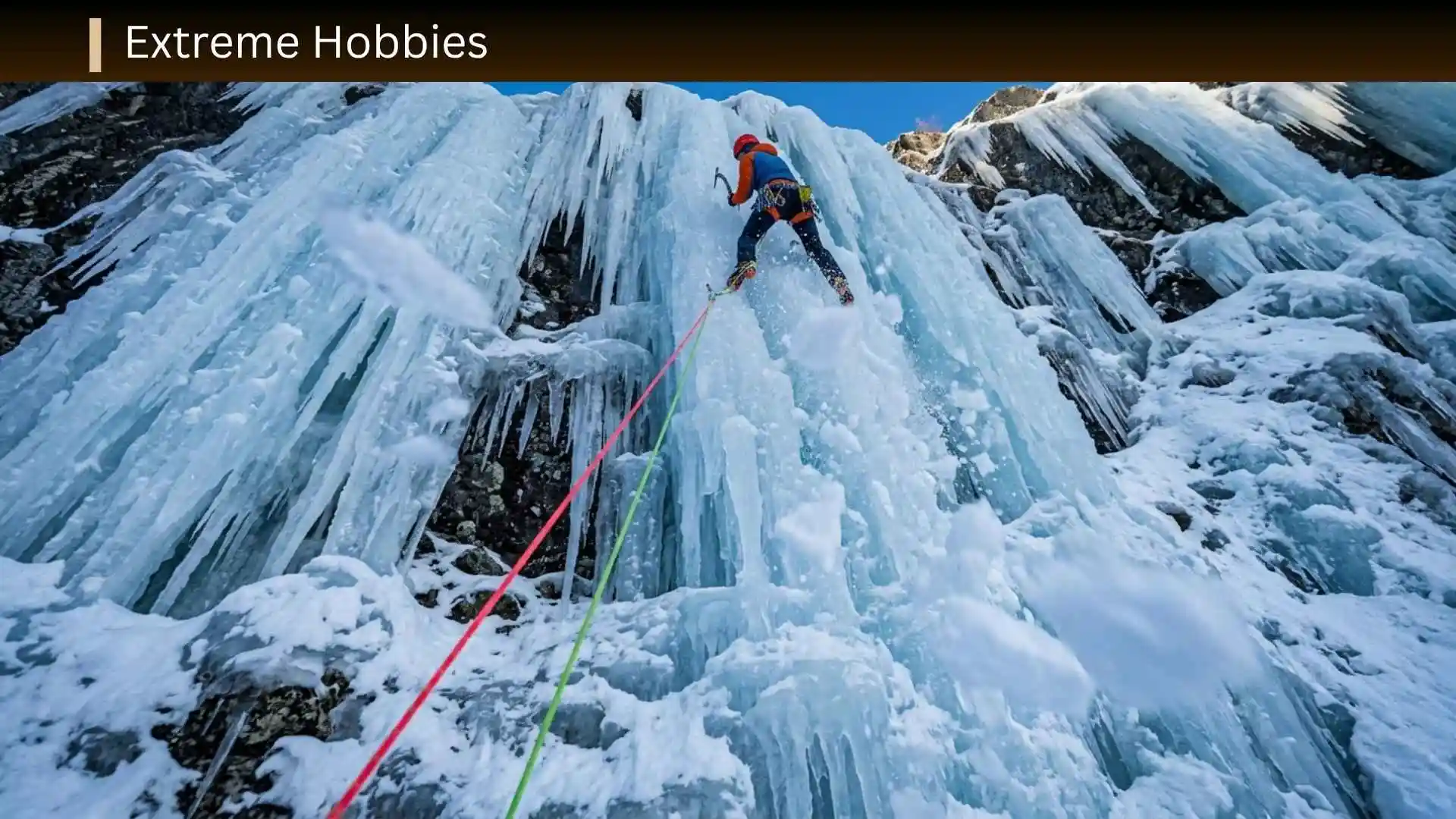
I’ve always believed that a hobby doesn’t have to be quiet, predictable, or ordinary. Sometimes, you want something that makes your heart race, challenges your limits, and gives you a story you’ll never forget. That’s where extreme hobbies come in.
If you’re tired of doing the same activities every weekend and want to step outside your comfort zone, you’re in the right place. You might be drawn to adrenaline, adventure, speed, heights, or simply the excitement of learning something most people wouldn’t try. In this guide, you’ll discover extreme hobbies that can challenge you physically and mentally while giving you new experiences to look forward to.
Whether you’re a complete beginner or already consider yourself an adventure lover, you can find an extreme hobby that matches your interests and comfort level. I’ll help you explore different options, what they involve, what you may need to get started, and how to approach them responsibly. So, if you’re ready to trade an ordinary routine for something more thrilling, let’s explore the world of extreme hobbies.
What Are Extreme Hobbies?
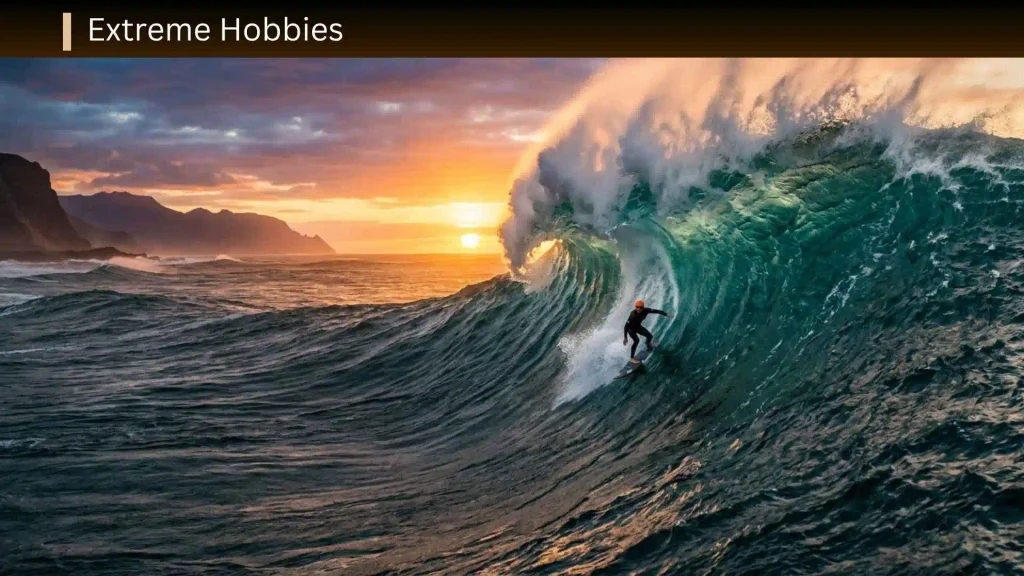
Extreme hobbies are recreational activities that typically involve unusually high levels of physical challenge, speed, height, environmental exposure, technical skill, or perceived risk compared with conventional hobbies.
The term is broad. Skydiving, for example, is extreme because it involves human flight and freefall, while technical diving is challenging because of depth, specialized equipment, planning, and demanding underwater environments. Mountaineering can be extreme because of altitude, weather, terrain, and remoteness.
Being an extreme hobby does not mean deliberately taking unnecessary risks. In many established adventure sports, training, equipment, planning, and conservative decision-making are central parts of participation.
25 Extreme Hobbies to Try
1. Skydiving
Skydiving combines aircraft flight, freefall, parachute flight, and precise landing skills. For newcomers, a tandem jump provides a supervised introduction without requiring the participant to become an independent skydiver immediately.
For people who continue with the sport, skydiving can develop into a technical hobby involving different disciplines, formations, canopy skills, and eventually more advanced forms of flying.
The United States Parachute Association (USPA) emphasizes training, equipment preparation, judgment, and emergency procedures. Its current Skydiver’s Information Manual also covers student progression and advanced disciplines such as wingsuit flying and advanced canopy piloting.
Best for: People attracted to heights, flying, and structured progression.
Beginner approach: Start with a reputable drop zone and qualified instructors rather than attempting independent jumps.
2. BASE Jumping
BASE jumping involves parachuting from fixed objects rather than an aircraft. The acronym refers to four broad categories of launch points: buildings, antennas, spans, and earth.
It is considerably less forgiving than many introductory adventure activities because the available altitude and time for responding to problems can be limited.
Best for: Highly experienced skydivers seeking a specialized discipline.
Beginner approach: Treat it as an advanced progression rather than a first step into parachuting.
3. Wingsuit Flying
Wingsuit flying uses a specialized suit that increases the body’s aerodynamic surface area, allowing a trained skydiver to glide through the air before deploying a parachute.
It is often associated with spectacular mountain and aerial footage, but the visual appeal can hide the amount of experience involved. USPA includes wingsuit flying among advanced skydiving activities in its Skydiver’s Information Manual.
Best for: Experienced skydivers interested in advanced aerial movement.
Beginner approach: Build substantial conventional skydiving experience and pursue formal progression before considering wingsuiting.
4. Paragliding
Paragliding involves launching a flexible wing and using rising air to remain airborne. Unlike skydiving, the emphasis is generally on sustained flight, navigation, weather awareness, and controlling the wing.
The United States Hang Gliding and Paragliding Association (USHPA) highlights weather, equipment, pilot judgment, and decision-making as important components of managing risk.
Best for: People who want human-powered-feeling flight and long periods in the air.
Beginner approach: Learn through a recognized training program rather than attempting to teach yourself from videos.
5. Hang Gliding
Hang gliding uses a rigid-framed aircraft controlled primarily through the pilot’s body position. It provides a very different flying experience from paragliding and can involve soaring on rising air currents.
The activity requires careful attention to weather, equipment, launch conditions, and pilot judgment. USHPA specifically stresses the importance of appropriate weather and thorough equipment checks.
Best for: Adventure seekers interested in aviation and soaring.
Beginner approach: Begin with qualified instruction and supervised flights.
6. Rock Climbing
Rock climbing ranges from indoor climbing to outdoor routes on natural rock. More advanced forms can involve significant exposure, multi-pitch routes, and complex route planning.
It is one of the more accessible extreme hobbies because beginners can start indoors and gradually develop movement, rope, and safety skills.
The National Park Service advises climbers to stay within their ability level, obtain appropriate training, and use suitable equipment for the route and conditions.
Best for: People who enjoy problem-solving, strength, balance, and vertical movement.
Beginner approach: Indoor climbing is a practical starting point before moving outdoors.
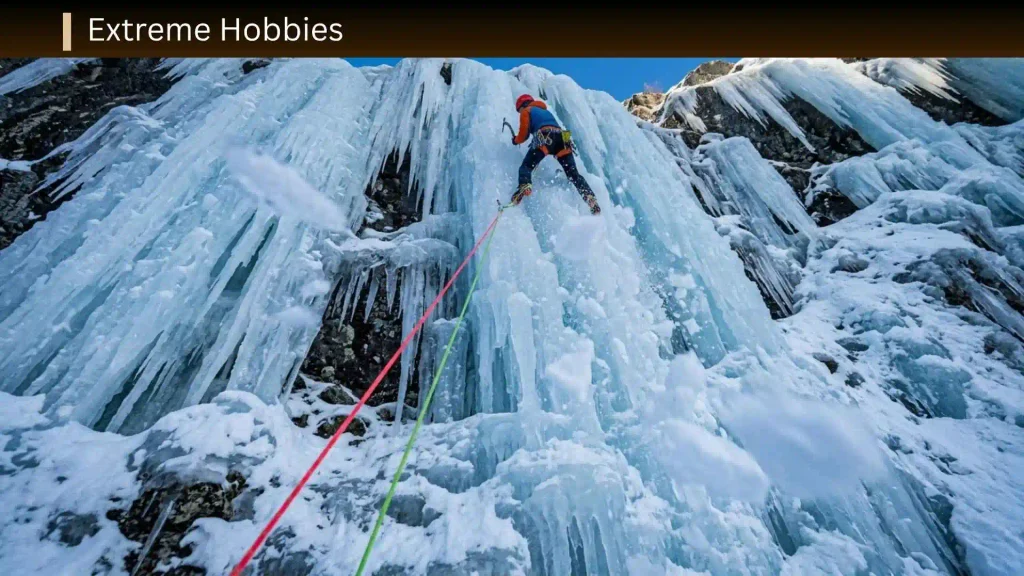
7. Ice Climbing
Ice climbing involves ascending frozen waterfalls, ice formations, or other suitable frozen terrain using specialized climbing equipment.
Compared with ordinary rock climbing, conditions can be more variable because ice structure, temperature, weather, and route conditions matter.
Best for: Experienced climbers who enjoy winter environments and technical challenges.
Beginner approach: Learn with an experienced instructor or guide rather than treating ordinary climbing experience as sufficient preparation.
8. Mountaineering
Mountaineering combines hiking, climbing, route finding, weather management, and sometimes glacier or snow travel.
The difficulty can range dramatically. A straightforward mountain ascent is very different from a technical expedition involving glaciers, steep snow, rock, or high altitude.
The National Park Service recommends developing appropriate mountaineering skills before attempting glacier travel and notes hazards such as hidden crevasses, changing weather, and difficult self-rescue situations.
Best for: People who want a long-term outdoor pursuit with multiple skills to master.
Beginner approach: Start with easier mountains, guided instruction, navigation, and foundational mountain skills.
9. Canyoneering
Canyoneering combines hiking, scrambling, climbing, rappelling, and water travel while moving through canyons.
A route may be relatively straightforward or involve remote terrain and complicated obstacles. Conditions can also change quickly in canyon environments.
Best for: People who like combining several outdoor skills into one activity.
Beginner approach: Choose an appropriate beginner route with experienced partners or a qualified guide.
10. Cave Exploration
Caving involves exploring underground passages and geological formations. It can range from relatively accessible caves to technically demanding systems requiring specialized equipment and navigation skills.
The appeal comes from exploration rather than simply physical exertion. Darkness, confined spaces, mud, water, and difficult navigation can make some cave environments demanding.
Best for: Explorers who enjoy geology, underground environments, and navigation.
Beginner approach: Start with a local caving organization or guided trip.
11. Cave Diving
Cave diving combines scuba diving with an overhead underwater environment. Unlike ordinary open-water diving, a diver cannot simply swim vertically to the surface when something goes wrong.
It therefore requires specialized training, equipment, planning, and discipline. PADI’s technical-diving guidance includes cave and wreck environments among advanced diving applications and emphasizes specialized skills and equipment.
Best for: Experienced divers fascinated by underwater exploration.
Beginner approach: Build foundational diving experience and pursue appropriate technical and overhead-environment training.
12. Technical Diving
Technical diving extends beyond ordinary recreational scuba limits and may involve deeper dives, decompression procedures, specialized gas mixtures, rebreathers, wrecks, or caves.
PADI describes technical diving as an advanced discipline requiring additional knowledge, planning, equipment, and training.
Best for: Experienced divers who enjoy technical problem-solving and underwater exploration.
Beginner approach: Progress through recognized diving certifications instead of treating technical equipment as a shortcut to advanced diving.
13. Freediving
Freediving involves exploring underwater while holding your breath rather than breathing from a scuba cylinder. It can be practiced recreationally, competitively, or as a form of underwater exploration.
One of its defining challenges is managing breath-hold limits. Divers Alert Network warns that blackout is a serious concern and recommends formal training and direct supervision by a trained buddy.
Best for: People interested in underwater movement, breath-hold discipline, and minimal equipment.
Beginner approach: Learn from a recognized freediving instructor and never practice challenging breath-holds alone.
14. Whitewater Kayaking
Whitewater kayaking involves navigating moving rivers and rapids in a specialized kayak. It combines boat control, reading water, balance, and decision-making.
American Whitewater notes that rivers contain inherent hazards but emphasizes that knowledge, preparation, and humility can help mitigate risk.
Best for: People who enjoy water, technical movement, and rapidly changing environments.
Beginner approach: Start on appropriate beginner water with qualified instruction and progress gradually.
15. Big-Wave Surfing
Big-wave surfing takes conventional surfing into much larger and more powerful ocean conditions.
The challenge is not simply standing on a larger wave. Surfers must understand ocean conditions, positioning, equipment, rescue considerations, and the consequences of being held underwater.
Best for: Experienced surfers who want to pursue advanced ocean conditions.
Beginner approach: Build strong fundamental surfing and ocean-awareness skills before considering larger waves.
16. Kiteboarding
Kiteboarding uses a large controllable kite to generate power while the participant rides across water on a board.
It combines wind awareness, kite control, board skills, and environmental judgment. Conditions can change substantially, making proper instruction particularly important.
Best for: People who enjoy wind sports and want a combination of board riding and aerial movement.
Beginner approach: Take professional lessons before attempting independent sessions.
17. Downhill Mountain Biking
Downhill mountain biking focuses on descending steep, technical terrain at speed. Compared with ordinary recreational cycling, the emphasis is much more on line choice, braking, body position, obstacles, and bike control.
Best for: Cyclists who enjoy speed, technical terrain, and skill progression.
Beginner approach: Start on beginner-friendly trails and develop braking and cornering skills before moving onto more difficult terrain.
18. Motocross
Motocross is off-road motorcycle racing on purpose-built courses featuring jumps, turns, changing terrain, and other obstacles.
It requires physical fitness, motorcycle control, reaction speed, and disciplined equipment use. Organized motorsports also have formal safety standards and protective-equipment requirements; the FIA, for example, maintains detailed standards for helmets, protective clothing, seats, harnesses, and other racing equipment.
Best for: People who enjoy motorcycles, competition, and high-speed skill development.
Beginner approach: Learn through a structured riding program and use appropriate protective equipment.
19. Rally Racing
Rally racing involves driving modified vehicles through timed stages on surfaces that may include gravel, dirt, snow, or pavement.
Unlike ordinary track racing, rallying can demand constant adaptation to changing terrain and conditions.
Best for: Motorsport enthusiasts who enjoy precision driving and changing environments.
Beginner approach: Start with controlled motorsport experiences or entry-level competition rather than immediately attempting advanced rally stages.
20. Kart Racing
Kart racing is one of the more approachable ways to experience motorsport. Competitive karting can still become extremely demanding because it requires precise braking, cornering, racecraft, and concentration.
It is particularly useful for someone interested in motorsports but not ready to invest in a full-size racing vehicle.
Best for: Beginners who want a relatively accessible introduction to racing.
Beginner approach: Start at a reputable karting facility and progress toward organized competition if you enjoy it.
21. Highlining
Highlining involves walking or balancing on a tensioned line positioned high above the ground or another surface.
It combines balance, concentration, and equipment management. Although the visual challenge is dramatic, properly managed highlightingy relies heavily on specialized safety systems and disciplined setup.
Best for: Climbers, balance enthusiasts, and people who enjoy focused technical challenges.
Beginner approach: Learn basic slacklining first and progress only through experienced communities and appropriate safety systems.
22. Backcountry Skiing and Snowboarding
Backcountry skiing and snowboarding take participants away from maintained ski-resort terrain into natural mountain environments.
The attraction is access to untouched terrain and a more self-directed mountain experience. The trade-off is that participants must manage navigation, weather, snow conditions, equipment, and avalanche hazards.
The National Park Service recommends formal avalanche education before winter backcountry travel because avalanche forecasting and terrain assessment require specialized knowledge.
Best for: Experienced skiers and snowboarders who want greater exploration and independence.
Beginner approach: Learn avalanche awareness, backcountry travel, and rescue skills before going into complex terrain.
23. Snowkiting
Snowkiting combines skiing or snowboarding with a controllable traction kite, allowing riders to travel across snow and sometimes gain short periods of lift.
It requires two separate skill sets: board or ski control and kite handling.
Best for: Experienced winter-sports enthusiasts who enjoy wind-powered activities.
Beginner approach: Learn kite control under professional supervision before combining it with skiing or snowboarding.
24. Speedflying
Speedflying uses a smaller wing designed for fast, dynamic flight close to terrain. It is related to paragliding but has a distinctly different performance profile.
USHPA identifies speedflying alongside paragliding and hang gliding as an aviation sport in which weather, equipment, and pilot judgment are critical considerations.
Best for: Highly experienced pilots interested in a specialized form of aerial sport.
Beginner approach: It should not be treated as a beginner shortcut into flight.
25. Volcano and Extreme Terrain Adventure Sports
Extreme-terrain adventure activities can include specialized pursuits such as volcano trekking, technical desert exploration, or other unusual environments where terrain and remoteness create the challenge.
These activities vary enormously by location. Some may be suitable for ordinary hikers, while others require mountaineering, navigation, climbing, or environmental expertise.
Best for: Experienced outdoor enthusiasts who want unusual environments rather than simply higher speeds.
Beginner approach: Evaluate the specific destination and activity instead of assuming that every extreme-terrain experience has the same requirements.
Extreme Hobbies Compared
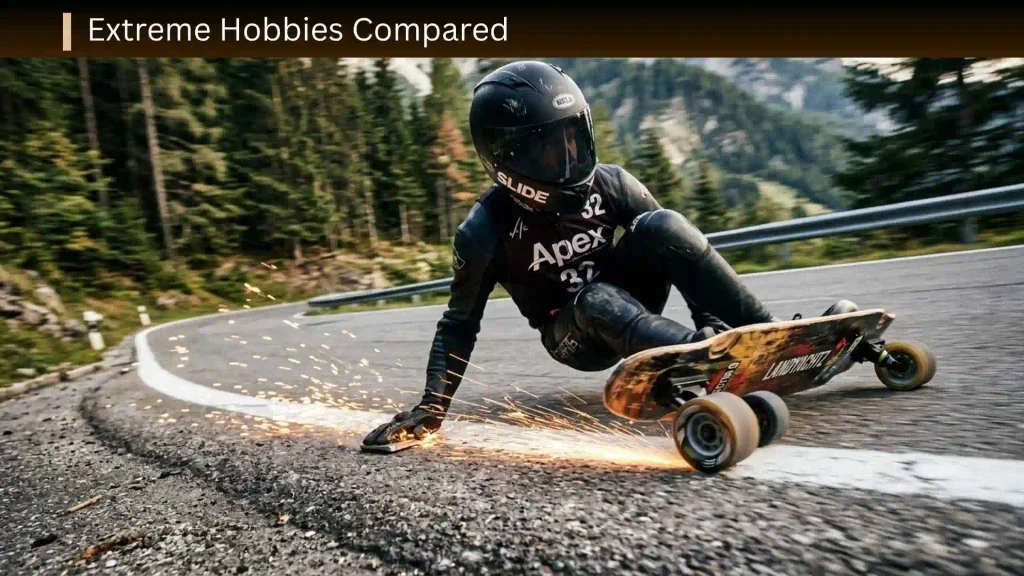
There is a major difference between extreme hobbies based on what actually makes them challenging. Some emphasize height, others speed, technical skill, remoteness, or environmental conditions.
| Hobby | Main Challenge | Beginner Accessibility | Typical Cost |
| Skydiving | Height and freefall | Moderate with instruction | Moderate–High |
| Rock climbing | Vertical terrain and technique | High through indoor climbing | Low–Moderate |
| Mountaineering | Terrain, weather, endurance | Low–Moderate | Moderate–High |
| Paragliding | Flight and weather | Moderate with training | High |
| Freediving | Breath-hold and underwater limits | Moderate with training | Low–Moderate |
| Whitewater kayaking | Moving water and boat control | Moderate | Moderate |
| Downhill MTB | Speed and technical terrain | Moderate | Moderate–High |
| Motocross | Speed, jumps, and control | Moderate | High |
| Technical diving | Depth and specialized procedures | Low | High |
| BASE jumping | Fixed-object flight and limited margins | Very low | High |
| Highlining | Balance and exposure | Moderate with supervision | Low–Moderate |
| Backcountry skiing | Snow, terrain, and avalanche risk | Low–Moderate | High |
Costs vary considerably depending on whether you need to purchase equipment, rent it, pay for instruction, travel to suitable locations, or join an organized club.
Which Extreme Hobby Is Best for Beginners?
The best extreme hobby for a beginner is usually not the most dangerous-looking one. A better starting point is an activity that offers a clear progression from basic skills to advanced participation.
Consider these entry points:
- Want height? Try an introductory climbing program or tandem skydiving.
- Want speed? Consider karting or beginner mountain biking.
- Want water? Try supervised whitewater instruction or introductory freediving.
- Want mountains? Start with hiking and basic climbing skills before technical mountaineering.
- Want flight? Explore structured paragliding or hang-gliding instruction.
- Want motorsports? Karting provides a comparatively accessible starting point.
- Want underwater exploration? Begin with recreational scuba training before technical diving.
- Want balance and exposure? Start with ordinary slacklining before highlining.
The key is to choose an activity where training and gradual progression are built into the culture of the sport.
How to Choose an Extreme Hobby
Consider Your Risk Tolerance
Different people define “extreme” differently. Someone may find heights intimidating but enjoy high-speed cycling, while another person may prefer climbing because the movement is slower and more deliberate.
Think about what type of challenge you actually want:
- Height
- Speed
- Physical exertion
- Technical complexity
- Remote environments
- Water
- Exposure
- Competition
- Exploration
Look at the Learning Curve
Some hobbies can be sampled quickly, while others require months or years of skill development.
For example, indoor rock climbing can provide an immediate introduction to climbing movement, while technical diving requires a progression through diving knowledge, experience, and specialized training.
A steep learning curve is not necessarily a disadvantage. It can make the hobby more rewarding for someone who enjoys long-term skill development.
Check the Training Path
Before choosing an extreme hobby, find out:
- Whether formal instruction is available.
- What experience is expected before advanced participation.
- Whether recognized organizations provide training standards.
- What equipment is required.
- Whether local clubs or instructors are available.
- What environmental conditions affect participation.
A legitimate training pathway is one of the strongest signs that an activity can be approached responsibly.
Consider the Total Cost
The entry price can be misleading.
A hobby may appear inexpensive until you account for:
- Instruction
- Equipment
- Protective gear
- Travel
- Memberships
- Maintenance
- Facility or site fees
- Insurance where applicable
- Replacement equipment
Rock climbing, for example, can begin relatively inexpensively at an indoor gym, while mountaineering or technical diving can require substantially more specialized equipment and travel.
Think About Access
An extreme hobby is easier to maintain when suitable locations are reasonably accessible.
A person living near mountains may have convenient access to climbing, skiing, or mountaineering. Someone living far from mountains may find water sports, climbing gyms, karting, or cycling easier to pursue regularly.
The best hobby is often the one you can realistically practice rather than the one that looks most impressive.
Extreme Hobbies by Difficulty
Difficulty depends on the specific discipline, location, instructor, conditions, and experience level, but a broad progression can help.
More Accessible Starting Points
- Indoor rock climbing
- Kart racing
- Mountain biking
- Introductory skydiving
- Supervised whitewater activities
- Beginner paragliding instruction
These can provide an introduction to extreme-sport environments without requiring advanced independent skills from day one.
Intermediate Activities
- Outdoor climbing
- Whitewater kayaking
- Downhill mountain biking
- Canyoneering
- Hang gliding
- Advanced surfing
- Motocross
These generally require more developed technical and environmental judgment.
Advanced Activities
- Mountaineering
- Technical diving
- Cave diving
- Freediving at advanced levels
- Backcountry skiing
- Ice climbing
- Highlining
- Wingsuit flying
- Speedflying
These activities can involve significant consequences for poor decisions and should be approached through appropriate training and gradual progression.
Highly Specialized Activities
- BASE jumping
- Advanced wingsuit disciplines
- Complex technical diving
- Highly technical mountaineering
- Specialized speedflying
These are better viewed as long-term disciplines rather than casual hobbies for someone simply looking for an exciting weekend activity.
Are Extreme Hobbies Dangerous?
Some extreme hobbies involve genuine hazards, but “extreme” does not mean that participants should seek unnecessary danger.
Risk depends on the activity, environment, experience, equipment, weather, decision-making, and supervision. The goal of responsible participation is to understand those factors and manage them rather than deliberately maximize them.
For example, the National Park Service advises climbers to stay within their abilities, use suitable equipment, check conditions, and seek professional training when necessary.
Similarly, USHPA identifies weather, equipment, judgment, and decision-making as major considerations in hang gliding, paragliding, and speedflying.
For whitewater sports, American Whitewater emphasizes preparation, knowledge, and humility as important components of managing river hazards.
For freediving, Divers Alert Network specifically recommends formal training and never diving alone because underwater blackout can occur without adequate supervision.
The practical lesson is simple: choose an extreme hobby for the challenge and skill development, not for unnecessary exposure to danger.
How to Start an Extreme Hobby Safely
A sensible starting process is:
1. Start With Instruction
Learn fundamental techniques from a qualified instructor, established club, or reputable training organization.
2. Begin Below Your Maximum
Your first goal should be learning the activity, not setting a personal record.
3. Use Appropriate Equipment
Protective and technical equipment should match the activity and your level of experience. In organized motorsport, for example, the FIA maintains specific standards covering equipment such as helmets and protective clothing.
4. Learn Environmental Conditions
Weather, water conditions, snowpack, terrain, and visibility can transform an activity from manageable to unsuitable.
5. Practice Emergency Skills
Knowing what to do when something goes wrong is part of responsible participation in many extreme sports.
6. Avoid Progression Based on Ego
Moving to a harder route, bigger wave, deeper dive, higher jump, or faster speed simply because someone else is doing it can create unnecessary risk.
Progress should be based on competence, preparation, and conditions.
Frequently Asked Questions
What are the most extreme hobbies?
Some of the most demanding extreme hobbies include BASE jumping, wingsuit flying, technical diving, cave diving, highlining, advanced mountaineering, speedflying, and advanced freediving. Their difficulty comes from different combinations of height, speed, technical skill, environmental exposure, and limited margins for error.
What is a good extreme hobby for beginners?
Indoor rock climbing, karting, mountain biking, introductory skydiving, and professionally taught paragliding or whitewater activities can provide structured entry points. The best choice depends on whether you prefer heights, speed, water, technical skills, or endurance.
What is the cheapest extreme hobby?
Some extreme hobbies can be started relatively inexpensively if equipment can be rented. Running-based adventure activities, basic mountain biking, indoor climbing, and some forms of hiking or scrambling may require less initial investment than technical diving, motorsports, or aviation sports.
Are extreme hobbies only for highly athletic people?
No. Physical requirements vary substantially. Some activities emphasize strength and endurance, while others rely more heavily on balance, concentration, coordination, technical knowledge, or decision-making. Beginners should choose an activity appropriate to their current ability and progress gradually.
Can extreme hobbies become competitive sports?
Yes. Many began as recreational pursuits and developed organized competitions, clubs, ranking systems, or professional circuits. Examples include climbing, skydiving, motocross, karting, surfing, mountain biking, skiing, and freediving.
What extreme hobby involves the most technical skill?
There is no single answer because different activities require different kinds of expertise. Technical diving, mountaineering, wingsuit flying, speedflying, and motorsports can all involve substantial specialized knowledge and skill. Difficulty should be evaluated by the specific discipline rather than by appearance alone.
How do I choose an extreme hobby?
Choose based on the type of challenge you enjoy, your current skills, budget, access to suitable locations, training availability, and the amount of time you can commit. A hobby with a clear beginner-to-advanced progression is usually a better starting point than an activity that requires substantial prior experience.
Conclusion
Extreme hobbies offer far more variety than simply jumping from high places or traveling at high speeds. They can involve climbing, flying, diving, racing, surfing, mountain travel, balance, exploration, or mastering demanding technical skills.
For beginners, the smartest choice is usually an activity with a clear training pathway, accessible entry level, appropriate equipment, and opportunities for gradual progression. Indoor climbing, karting, mountain biking, introductory skydiving, and professionally supervised water or air sports can all provide starting points.

I’m Sophia Carter, a writer who enjoys discovering interesting ideas and transforming them into helpful content. At Cognivoora, I write with a simple goal: to make information clearer, more accessible, and genuinely useful for readers. I value thoughtful research, easy explanations, and content that people can trust and return to whenever they need it.
Books:
- The Knowledge Journey
- Understanding the World Around Us