
Have you ever wished your free time could feel more exciting, creative, and meaningful? I believe the right hobby can completely change how you experience your everyday life. Dynamic hobbies give you the chance to try something new, challenge yourself, stay active, and keep learning instead of doing the same routine day after day.
Whether you want to explore a new passion, develop useful skills, meet like-minded people, or simply have more fun, you can find a dynamic hobby that fits your personality and lifestyle. In this guide, I’ll help you discover exciting options and show you how you can choose a hobby that keeps you curious, engaged, and motivated.
What Are Dynamic Hobbies?
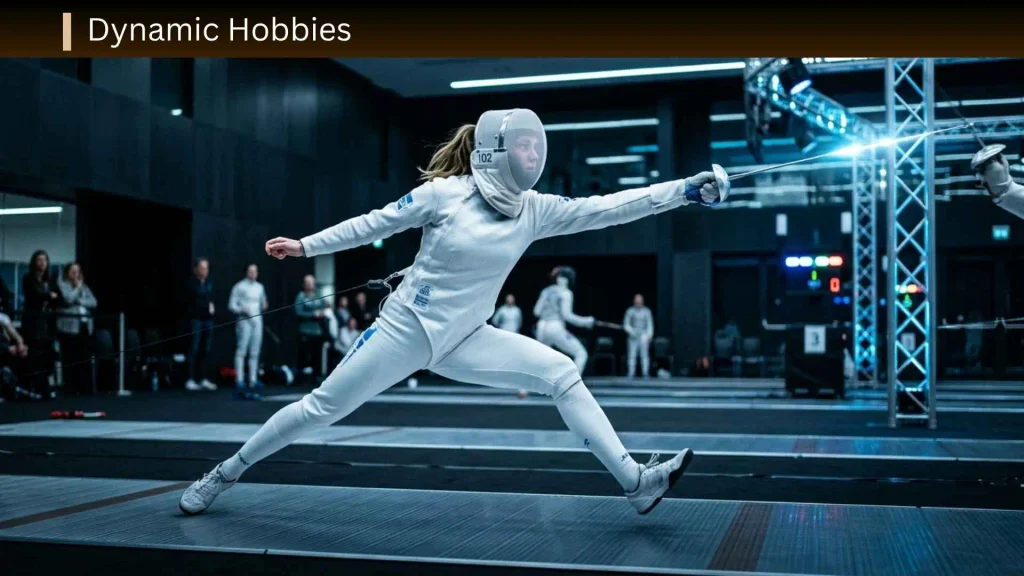
Dynamic hobbies are leisure activities that involve ongoing participation, movement, changing challenges, decision-making, creativity, or interaction with an environment or other people.
Unlike a hobby that mainly involves passive consumption, a dynamic hobby usually asks you to do something, respond to something, build a skill, or adapt as you go.
For example:
- Cycling involves movement, route selection, navigation, and changing terrain.
- Rock climbing combines physical coordination with route planning and problem-solving.
- Photography involves observing changing light, subjects, composition, and surroundings.
- Cooking requires decisions about ingredients, timing, techniques, and adjustments.
- Dancing combines movement, rhythm, coordination, and learning.
- Gardening changes continuously as plants grow and conditions change.
- Improv theater requires participants to react creatively to unexpected situations.
The word “dynamic” therefore refers more to the nature of participation than to a strict list of qualifying hobbies.
Dynamic vs. Static Hobbies: What’s the Difference?
The distinction is useful when choosing a hobby, but it is not absolute. Many hobbies can be both active and relaxed depending on how you practice them.
| Dynamic hobbies | More static hobbies |
| Often involve movement or active participation | Often involve limited physical movement |
| May involve changing environments or challenges | May provide a more predictable experience |
| Frequently require hands-on learning | Can emphasize observation, concentration, or relaxation |
| Often develop through practice and progression | May also involve substantial skill development |
| Examples include cycling, dancing, climbing, and team sports | Examples can include reading, collecting, and some forms of puzzle-solving |
A hobby does not need to be physically intense to be dynamic. A photographer walking around a city, a cook experimenting with recipes, or a model builder solving construction problems can all be actively engaged without participating in strenuous exercise.
Research on hobby preferences also uses “dynamic” in contrast with more static leisure activities, with exercise and travel serving as examples of dynamic activities.
25 Dynamic Hobbies to Try
The best dynamic hobby depends on what you want from your free time. Some activities are highly physical, while others are dynamic because they involve creativity, changing environments, technical skills, or social interaction.
1. Cycling
Cycling is a versatile hobby that can be as casual or challenging as you want.
You can ride around your neighborhood, explore bike paths, join recreational groups, or eventually take longer road or trail rides. The experience changes with the route, weather, terrain, and distance.
Best for: People who enjoy movement, exploration, and gradual skill development.
Getting started: A suitable bicycle, helmet, and a safe place to ride are enough for many beginners.
2. Hiking
Hiking combines physical activity with exploration. Even familiar trails can feel different depending on weather, season, distance, and route.
It can also be adapted to different experience levels, from short local walks to more demanding backcountry routes.
Best for: Nature lovers and people who want an outdoor hobby without needing a competitive environment.
Beginner tip: Start with shorter, well-established trails and gradually increase distance and difficulty.
3. Dancing
Dancing is dynamic because your body, rhythm, music, and movements are constantly interacting.
You can choose from ballroom, salsa, swing, hip-hop, contemporary dance, line dancing, or many other styles. Some forms are highly social, while others can be practiced independently.
Best for: People who enjoy music, movement, creativity, or social activities.
4. Photography
Photography can turn an ordinary walk into an active creative exercise.
Instead of simply looking at your surroundings, you begin searching for interesting subjects, lighting, perspectives, textures, patterns, and moments. Smartphone photography can provide an accessible starting point, while dedicated cameras offer additional control.
Best for: Creative people who enjoy observation and exploration.
5. Gardening
Gardening is dynamic in a different way. Plants develop over time, and your work changes with the season, weather, plant growth, and garden conditions.
You might grow vegetables, herbs, flowers, native plants, or container gardens.
Best for: People who enjoy hands-on projects, nature, and gradual results.
6. Cooking
Cooking is an active hobby because you continuously make decisions and adjust your process.
You can learn basic techniques first and gradually experiment with cuisines, baking, sauces, fermentation, presentation, or recipe development.
Best for: People who like practical skills and creative experimentation.
Low-cost starting point: Begin with ingredients and equipment you already have rather than buying specialized tools immediately.
7. Rock Climbing
Rock climbing requires physical coordination as well as problem-solving. Indoor climbing gyms can provide a controlled environment for learning basic techniques before progressing to more advanced forms of climbing.
Because routes vary, the challenge can change even when you visit the same facility.
Best for: People who enjoy physical challenges and solving movement-based problems.
Safety: Learn from qualified instruction and use appropriate equipment and established climbing facilities or routes.
8. Martial Arts
Martial arts combine technique, coordination, movement, discipline, and progressive learning.
Different disciplines emphasize different skills. Brazilian jiu-jitsu, judo, karate, taekwondo, boxing, and other martial arts can provide very different experiences.
Best for: People who prefer structured learning and measurable skill progression.
Choose a reputable school and prioritize instruction, appropriate protective equipment, and safe training practices.
9. Swimming
Swimming can be both recreational and skill-oriented. You can focus on improving technique, learning different strokes, swimming laps, or simply spending active time in the water.
Best for: People who enjoy water-based activities and want an adaptable hobby.
Swimming ability and water safety are important considerations, particularly for beginners.
10. Kayaking
Kayaking adds exploration and environmental interaction to an active outdoor hobby.
Depending on the setting, you may paddle on calm lakes, slow-moving waterways, or other appropriate locations. Conditions can change quickly, so beginners should choose suitable environments and learn basic water safety.
Best for: People who enjoy water, nature, and exploration.
11. Skateboarding
Skateboarding offers a progression from basic balance and movement to increasingly technical skills.
It can be practiced recreationally or developed into a serious skill-based pursuit.
Best for: People who enjoy movement, experimentation, and learning through repetition.
Start in an appropriate area and use suitable protective equipment, particularly while learning.
12. Running
Running is straightforward to begin but offers substantial room for progression.
You can run for recreation, explore different routes, participate in organized events, or work toward personal distance goals.
Best for: People who want a simple hobby with flexible scheduling.
You do not need to begin with long distances. A gradual approach can make the hobby easier to maintain.
13. Disc Golf
Disc golf combines outdoor walking with throwing technique and strategic decision-making.
Players navigate a course while attempting to complete each hole in as few throws as possible. The combination of movement, technique, and changing course conditions makes each round different.
Best for: People who want an outdoor activity that combines recreation and skill.
14. Tennis
Tennis provides a mixture of movement, coordination, strategy, and competition.
You can practice with a partner, take lessons, play recreational matches, or simply work on individual skills.
Best for: People who enjoy sports with clear skill progression and social opportunities.
15. Pickleball
Pickleball offers many of the elements people enjoy about racquet sports while being played on a smaller court.
It can be practiced casually or competitively and often provides opportunities for social play.
Best for: Beginners looking for an accessible racquet-sport-style hobby and people who enjoy playing with others.
16. Birdwatching
Birdwatching may not look highly active at first, but it can become a surprisingly dynamic hobby when combined with outdoor exploration.
You may walk through parks, wetlands, forests, or other suitable habitats while identifying birds by appearance, behavior, calls, or location.
Best for: Nature enthusiasts who enjoy observation and exploration.
A pair of binoculars can be useful, but they are not essential for getting started.
17. Geocaching
Geocaching turns outdoor exploration into a location-based treasure hunt.
Participants use coordinates and clues to find hidden caches. The activity can encourage you to explore parks, neighborhoods, trails, and other public locations you might otherwise overlook.
Best for: People who enjoy exploration, puzzles, and technology.
Always follow local rules and respect private property and environmental restrictions.
18. Rockhounding
Rockhounding involves searching for and learning about rocks, minerals, fossils, or other geological specimens where collecting is permitted.
It can turn a hike or outdoor trip into an observational and educational activity.
Best for: People interested in geology, nature, collecting, and exploration.
Research local regulations and land-management rules before collecting anything.
19. DIY Projects
DIY projects can make almost any free afternoon into a hands-on challenge.
Projects might include furniture improvements, woodworking, home organization, repairs, decorative items, or small construction projects.
Best for: People who like making, fixing, and learning practical skills.
Choose projects appropriate for your skill level and use tools according to their safety instructions.
20. Woodworking
Woodworking is a more specialized form of DIY that combines design, measurement, material selection, cutting, assembly, and finishing.
It can begin with simple projects and develop into advanced furniture-making or other forms of craftsmanship.
Best for: Patient, hands-on learners who enjoy creating physical objects.
A safe workspace and appropriate tool knowledge are essential.
21. Pottery and Ceramics
Working with clay is a tactile and creative hobby that involves shaping, refining, decorating, and sometimes glazing and firing finished pieces.
The process can be highly hands-on and offers continuous opportunities to learn new techniques.
Best for: Creative people who enjoy making tangible objects.
A community studio or beginner class can be easier than purchasing a full setup at home.
22. Sewing and Textile Crafts
Sewing can become dynamic when you move beyond simple repairs into clothing, accessories, costumes, quilts, or design projects.
Each project presents different choices involving fabric, patterns, measurements, construction, and finishing.
Best for: People who enjoy detailed handwork and creative projects.
23. Model Building
Model building combines creativity, planning, fine motor skills, and problem-solving.
You might build scale vehicles, aircraft, ships, architectural models, dioramas, or other subjects.
Best for: Detail-oriented hobbyists who prefer indoor projects with tangible results.
24. Robotics and Electronics
Robotics and electronics can turn a hobby into an ongoing learning project.
Instead of simply using technology, you learn how components work together and create or modify functional projects.
Best for: Curious people who enjoy technology, troubleshooting, programming, and building.
This hobby can range from simple beginner kits to increasingly complex projects.
25. Improv Theater
Improv is dynamic because participants must respond to changing situations rather than follow a completely predetermined performance.
It can involve storytelling, listening, communication, creativity, and quick responses.
Best for: People who enjoy performance, collaboration, humor, and spontaneous creative challenges.
How to Choose the Right Dynamic Hobby

There are many possibilities, so choosing based on your preferred type of engagement is more useful than simply picking the most exciting activity on a list.
Consider these five questions.
Do You Want Physical Activity?
If movement is your main priority, consider:
- Cycling
- Hiking
- Dancing
- Running
- Swimming
- Tennis
- Pickleball
- Climbing
- Martial arts
If you want something active without making exercise the central purpose, hiking, photography, gardening, birdwatching, or geocaching may provide a better balance.
Do You Prefer Indoor or Outdoor Activities?
Indoor choices include:
- Cooking
- Ceramics
- Sewing
- Model building
- Robotics
- Improv
- Martial arts
- Indoor climbing
Outdoor choices include:
- Hiking
- Cycling
- Kayaking
- Birdwatching
- Geocaching
- Disc golf
- Rockhounding
Some hobbies work well in either environment. Photography, for example, can be practiced almost anywhere.
Do You Want a Social Hobby?
For regular interaction with other people, consider:
- Dancing
- Tennis
- Pickleball
- Martial arts
- Improv theater
- Group cycling
- Recreational sports
If you prefer independence, photography, gardening, running, woodworking, model building, and rockhounding may offer more control over your schedule.
Do You Want to Make Something?
Choose a hobby with a tangible creative outcome if that is what motivates you.
Good options include:
- Cooking
- Woodworking
- Pottery
- Sewing
- Model building
- DIY projects
- Robotics
- Photography
These hobbies can be particularly satisfying if you enjoy seeing a project develop from an idea into a finished result.
What Is Your Budget?
You do not need an expensive hobby to have a dynamic experience.
Some activities can be started with equipment you already own. Walking-based exploration, photography with a smartphone, gardening with containers, running, and cooking are examples where the initial investment can be relatively modest.
Other hobbies can become substantially more expensive because of specialized equipment, facilities, transportation, instruction, or ongoing supplies.
A useful approach is to test the hobby at its simplest level before investing heavily.
Best Dynamic Hobbies by Goal
| Your goal | Hobbies worth considering |
| Get outdoors | Hiking, cycling, birdwatching, geocaching |
| Learn physical skills | Climbing, martial arts, dancing, tennis |
| Be creative | Photography, pottery, sewing, cooking |
| Build things | Woodworking, DIY, model building, robotics |
| Meet people | Dancing, pickleball, improv, martial arts |
| Explore | Hiking, kayaking, cycling, geocaching |
| Keep costs relatively manageable | Running, photography with a phone, hiking, cooking |
| Work on a long-term skill | Woodworking, ceramics, photography, martial arts |
| Combine movement and strategy | Tennis, disc golf, climbing, cycling |
The table is a starting point rather than a ranking. Costs, equipment, access, and difficulty can vary considerably depending on how seriously you pursue each hobby.
Are Dynamic Hobbies Always Physically Active?

No.
This is one of the most important distinctions to understand.
A dynamic hobby can be physically active, but physical intensity is not the defining requirement. A hobby can be dynamic because it requires continuous mental decisions, creative responses, changing environmental awareness, or hands-on problem-solving.
For example, photography can involve walking and physical activity, but its dynamic element can also come from changing light and subjects. Cooking involves relatively little movement compared with running, yet the process involves continuous decisions and adjustments.
This broader definition makes dynamic hobbies suitable for people with very different interests and activity preferences.
How to Start a Dynamic Hobby Without Overcommitting
Starting small is usually more practical than buying everything you might eventually need.
1. Choose one activity
Pick the option that fits your current interests rather than trying to start several hobbies simultaneously.
2. Try the beginner version
Look for introductory classes, rental equipment, public facilities, basic kits, or simple projects when available.
3. Set a small first goal
Your first goal might be completing a short hike, cooking one unfamiliar recipe, taking 20 photographs, attending one beginner class, or completing a simple DIY project.
4. Evaluate the experience
After several sessions, ask yourself:
- Did I look forward to doing it?
- Did I enjoy the learning process?
- Was the cost reasonable?
- Does it fit my schedule?
- Do I want to become better at it?
5. Invest gradually
If you genuinely enjoy the activity, then consider better equipment, instruction, memberships, or more advanced projects.
This prevents a common mistake: spending heavily on a hobby before knowing whether you actually enjoy practicing it.
Common Mistakes When Choosing a Dynamic Hobby
Choosing an activity because it looks exciting
An activity can look impressive while being a poor personal fit. Consider the actual routine involved, not just the most exciting moments.
Ignoring practical access
A hobby is difficult to maintain if the nearest facility is far away, the required environment is unavailable, or scheduling is incompatible with your life.
Buying specialized equipment too early
Start with the minimum practical equipment whenever possible. Upgrade after you understand what you actually need.
Confusing intensity with enjoyment
A hobby does not have to be exhausting to be worthwhile. The right level of challenge is the one that keeps you interested without making participation unrealistic.
Picking too many hobbies at once
Trying several activities briefly can help with exploration, but committing to too many hobbies simultaneously can make it difficult to develop meaningful skill in any of them.
Frequently Asked Questions
What are dynamic hobbies?
Dynamic hobbies are activities involving active participation, changing challenges, movement, creativity, decision-making, skill development, or interaction with an environment or other people. The term is broad rather than an official hobby category.
What is the difference between dynamic and static hobbies?
Dynamic hobbies generally involve more active participation, changing conditions, movement, or interaction. Static hobbies typically involve less physical movement or a more predictable environment, although many hobbies can have elements of both.
What are some good dynamic hobbies for beginners?
Hiking, photography, cooking, gardening, running, cycling, dancing, birdwatching, and simple DIY projects can be approachable starting points. The best option depends on your interests, budget, fitness level, available space, and access to facilities.
Are dynamic hobbies expensive?
Not necessarily. Some can begin with little equipment, while others require specialized gear, instruction, facilities, or transportation. Starting with a basic version of an activity can help you determine whether additional spending is worthwhile.
Can a hobby be dynamic without being a sport?
Yes. Cooking, photography, gardening, woodworking, pottery, robotics, sewing, and improv theater can all be dynamic because they involve active participation, changing decisions, creativity, or hands-on problem-solving.
What is a good dynamic hobby for meeting people?
Dancing, pickleball, tennis, martial arts, improv theater, recreational sports, and group cycling can provide regular opportunities to interact with other participants. Classes and clubs can be especially useful for beginners.
How do I choose the best dynamic hobby for me?
Start by deciding what you want from the activity: physical movement, creativity, exploration, social interaction, skill development, or hands-on making. Then consider your budget, schedule, available space, and access before trying a beginner-level version.
Conclusion
Dynamic hobbies are best understood as activities that keep you actively engaged through movement, creativity, learning, problem-solving, exploration, or interaction. They do not have to be extreme or physically demanding to qualify.
Whether you choose hiking, cycling, photography, cooking, dancing, climbing, gardening, woodworking, robotics, or another activity, the most useful hobby is the one that fits naturally into your life and gives you a reason to keep participating.
Start with one accessible option, try it at a beginner level, and let your interests determine how far you take it.

I’m Sophia Carter, a writer who enjoys discovering interesting ideas and transforming them into helpful content. At Cognivoora, I write with a simple goal: to make information clearer, more accessible, and genuinely useful for readers. I value thoughtful research, easy explanations, and content that people can trust and return to whenever they need it.
Books:
- The Knowledge Journey
- Understanding the World Around Us