If you’re looking for something fun, creative, and a little more adorable to add to your free time, cute hobbies can be the perfect place to start. I believe a hobby doesn’t have to be complicated or expensive to make you smile,it can be as simple as decorating a journal, making tiny crafts, caring for plants, or creating something that reflects your personality. You can choose a hobby that fits your mood, your space, and the kind of creativity you enjoy.
Whether you want a relaxing activity after a busy day, a creative way to express yourself, or simply something cute to look forward to, there are plenty of ideas to explore. In this guide, I’ll help you discover cute hobbies that are enjoyable, beginner-friendly, and easy to make your own.
What Are Cute Hobbies?
Cute hobbies are activities that have an appealing, cozy, playful, decorative, whimsical, or aesthetically pleasing quality. The word “cute” describes the style or experience of the hobby rather than a specific category.
For example, someone might turn an ordinary hobby into a cute hobby by creating pastel artwork, decorating a journal, making miniature objects, growing small plants in decorative pots, or collecting character-themed items.
Cute hobbies can be:
- Creative or artistic
- Cozy and relaxing
- Indoor or outdoor
- Solo or social
- Practical or purely recreational
- Low-cost or equipment-intensive
- Short activities or long-term projects
That flexibility makes the category broad enough for many different interests.
35 Cute Hobbies to Try
1. Cute Journaling
Journaling becomes a cute creative hobby when you combine writing with decorations, illustrations, stickers, washi tape, colored pens, photographs, or small keepsakes.
You can keep a daily journal, gratitude journal, reading journal, travel journal, or simple memory book. There are no strict rules, so beginners can start with a notebook and a pen rather than buying a large collection of stationery.
Best for: Writers, planners, stationery lovers, and people who enjoy personal creative projects.
2. Scrapbooking
Scrapbooking lets you turn photographs, tickets, notes, paper decorations, and other small memories into organized pages.
It works particularly well if you enjoy preserving experiences rather than simply storing photographs digitally. You can choose a specific theme, such as vacations, birthdays, family memories, pets, or seasonal events.
Starting cost: Low to moderate, depending on the materials you choose.
3. Sticker Collecting
Sticker collecting is simple, portable, and easy to personalize.
You can collect stickers based on animals, food, plants, characters, travel, illustrations, or particular artists. Instead of keeping them unused, you can also create a sticker album or use selected stickers in journals and crafts.
4. Making Friendship Bracelets
Friendship bracelets are colorful handmade accessories that can be made for yourself or given to friends.
Basic bracelets can be made with embroidery floss and relatively simple knotting techniques. As your skills improve, you can experiment with more complicated patterns, color combinations, and personalized designs.
Best for: Beginners, teens, social hobbyists, and people who like handmade gifts.
5. Crochet
Crochet can become an especially cute hobby when you make small objects such as flowers, animals, pouches, hearts, mushrooms, tiny accessories, or miniature decorations.
You only need a crochet hook, yarn, and an appropriate beginner pattern to start. More complicated projects can wait until you are comfortable with basic stitches.
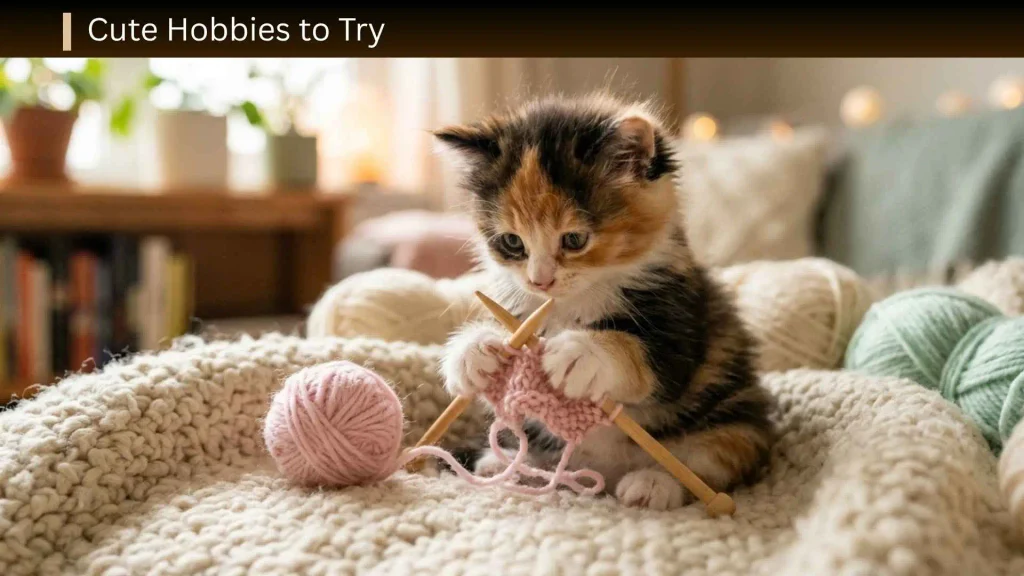
6. Knitting
Knitting offers another way to create cozy handmade items.
Beginners can start with simple projects before progressing to hats, scarves, small toys, sweaters, or decorative pieces. Choosing soft yarn and an appealing color can make the process more enjoyable without changing the basic technique.
7. Making Miniature Crafts
Miniature crafting involves creating tiny versions of rooms, furniture, food, plants, decorations, or other objects.
The appeal comes from the detail. A miniature project can be as simple as a tiny clay object or as elaborate as a complete miniature room.
Best for: Patient people, detail-oriented hobbyists, crafters, and model makers.
8. Dollhouse Decorating
Dollhouses can become creative design projects rather than simply collectibles.
You can decorate rooms, arrange miniature furniture, create tiny accessories, make miniature food, and develop a consistent theme for the entire house.
This hobby can be expanded gradually, making it suitable for someone who wants a long-term project.
9. Polymer Clay
Polymer clay can be shaped into small decorative objects and then hardened according to the product’s instructions.
Cute beginner projects might include miniature food, simple charms, tiny animals, decorative magnets, or small figurines.
Because clay projects can involve tools and heating, follow the manufacturer’s instructions and use appropriate ventilation and handling practices.
10. Amigurumi
Amigurumi is the practice of crocheting or knitting small stuffed figures, often animals, characters, food, or other whimsical objects.
It can be particularly appealing if you like cute characters and want to create physical objects from yarn.
The main challenge is that some patterns require techniques beyond basic crochet, so beginners may want to start with a simple design.
11. Cute Drawing
Drawing does not require a particular artistic style.
If you enjoy cute aesthetics, you might practice drawing simple animals, plants, food, characters, faces, household objects, or imaginary creatures.
A small sketchbook can become a place to build a collection of recurring characters or experiment with different styles.
12. Watercolor Painting
Watercolor is useful for people who want a softer, lighter visual style.
You can paint flowers, landscapes, food illustrations, animals, stationery designs, or small decorative scenes. Because watercolor supplies can be relatively compact, it can also work well for people with limited workspace.
13. Digital Art
Digital art provides a flexible creative hobby if you enjoy drawing on a tablet or computer.
You can create illustrations, icons, wallpapers, character designs, stickers, or digital journal decorations. The amount of equipment required varies depending on the device and software you choose.
14. Hand Lettering
Hand lettering focuses on creating decorative text rather than simply writing words.
You can practice lettering for greeting cards, journals, signs, gift tags, or digital designs. Beginners can start with ordinary pens and gradually experiment with brush pens or other lettering tools.
15. Making Greeting Cards
Handmade cards turn a simple piece of paper into a personalized gift.
You can combine drawing, paper cutting, lettering, stickers, stamps, collage, and other techniques. Holiday cards, birthday cards, thank-you cards, and friendship cards are all easy themes to explore.
16. Origami
Origami involves folding paper into shapes and objects.
Animals, flowers, boxes, stars, hearts, and other designs can make especially appealing beginner projects. One advantage is that you can start with ordinary paper before investing in specialized origami sheets.
17. Pressed-Flower Art
Pressed flowers can be incorporated into bookmarks, cards, framed artwork, journals, and other decorative projects.
The hobby requires patience because flowers and leaves need time to dry and flatten properly. It also provides a reason to pay closer attention to seasonal plants and natural shapes.
18. Nature Journaling
Nature journaling combines observation, writing, drawing, and outdoor exploration.
You can record plants, birds, insects, weather observations, leaves, landscapes, or seasonal changes. It does not require scientific-level drawing skills; the purpose can simply be documenting what you notice.
Best for: Nature lovers, writers, artists, and people who enjoy quiet outdoor activities.
19. Gardening With Small Plants
Growing small plants can turn a windowsill, balcony, patio, or indoor corner into a miniature garden.
You can explore herbs, succulents, houseplants, flowers, or other plants appropriate for your environment. Decorative pots and plant labels can add a creative element without being necessary for successful gardening.
20. Terrarium Making
Terrariums are miniature planted environments arranged inside suitable containers.
Creating one combines plant care with visual composition because you have to think about the plants, container, substrate, decoration, and available space.
Choose plants and containers that are compatible with the type of terrarium you are making rather than selecting them only for appearance.
21. Baking Cute Treats
Baking can become a highly creative hobby when you focus on decoration and presentation.
You might experiment with decorated cookies, cupcakes, small cakes, shaped breads, or themed desserts.
The creative part can involve colors, shapes, piping, sprinkles, edible decorations, and presentation.
22. Cake Decorating
Cake decorating is a natural choice if you enjoy turning food into visual art.
You can learn basic piping, frosting techniques, simple shapes, and decorative arrangements before moving into more elaborate designs.
A beginner does not need professional decorating equipment. Start with a small set of basic tools and learn one technique at a time.
23. Making Homemade Candles
Candle making combines fragrance, containers, colors, labels, and visual design.
However, this hobby involves hot wax and an open flame during use, so appropriate handling and the manufacturer’s safety instructions are important.
If your main interest is the aesthetic side, you can also explore decorative containers and labeling without immediately attempting complex designs.
24. Soap Crafting
Handmade soap can be both creative and practical.
There are different soap-making methods with different levels of complexity and safety considerations. Beginners should understand the method they are using and follow reliable instructions rather than improvising with ingredients.
If you are primarily interested in cute designs, simple decorative soap projects can provide a starting point.
25. Making Beaded Jewelry
Beading can be used to make bracelets, necklaces, earrings, phone charms, keychains, and decorative accessories.
You can experiment with different bead shapes, colors, letters, charms, and patterns. Because small projects can be completed relatively quickly, beading is convenient for people who prefer short creative sessions.
26. Making Phone Charms
Phone charms combine several cute hobbies into one project.
You can use beads, cords, charms, letters, or small decorative components to create a personalized accessory. They can also be adapted into bag charms or zipper pulls.
27. Cute Sewing Projects
Sewing does not have to mean making complete clothing.
Beginners can work on small projects such as fabric pouches, scrunchies, simple accessories, small decorations, or basic stuffed objects.
This makes sewing more approachable if you want to learn gradually without immediately dealing with complicated garment construction.
28. Plushie Collecting
Plushies can become a themed collecting hobby.
Instead of buying random items, you might focus on a particular animal, character, brand, color, size, or design style. A collecting theme gives your collection more direction and can make finding new pieces more meaningful.
29. Miniature Food Collecting
Miniature food can be collected, displayed, photographed, or used in dollhouse scenes.
This hobby can overlap with miniature crafting, dollhouse decoration, and collecting. If you enjoy tiny details, it can be especially satisfying to compare different designs and create small displays.
30. Cute Stationery Collecting
Stationery collecting can include notebooks, pens, stickers, memo pads, sticky notes, washi tape, stamps, folders, and other paper goods.
A useful approach is to choose a theme or practical purpose so the collection does not become a pile of unused supplies.
31. Photography
Photography can be made cute through the subjects you choose.
You could photograph flowers, pets, miniature objects, cafés, seasonal decorations, crafts, food, colorful buildings, or everyday objects arranged in visually appealing ways.
You can start with a smartphone and learn composition and lighting before deciding whether you want a dedicated camera.
32. Pet Photography
If you enjoy animals and photography, pet photography combines the two.
You can practice with your own pets or photograph animals belonging to friends and family when appropriate. Learning to work patiently around an animal is just as important as understanding camera settings.
Avoid using unfamiliar animals as photography subjects without the owner’s permission and without considering the animal’s comfort.
33. Geocaching
Geocaching adds a treasure-hunt element to outdoor exploration.
Participants use geographic information to locate hidden caches. It can become a cute hobby when you enjoy collecting small finds, documenting discoveries, decorating logs, or combining the activity with photography.
Always follow the rules associated with the locations you visit and avoid disturbing protected areas.
34. Reading Cute or Cozy Books
Reading can be a cozy hobby without requiring any special creative skills.
You can create a themed reading list, decorate a reading journal, collect favorite editions, or combine reading with tea, music, or a comfortable reading space.
The hobby can remain completely simple: choose books you genuinely want to read and give yourself a regular time for them.
35. Making a Cozy Hobby Corner
Instead of choosing one activity, you can create a small dedicated hobby space.
A hobby corner might include a sketchbook, books, craft supplies, plants, puzzles, stationery, yarn, or other materials connected to your interests.
The important part is functionality. Keep frequently used supplies accessible and avoid buying decorations that leave you without enough space to actually practice your hobby.
Cute Hobbies by Personality
Different cute hobbies appeal to different kinds of hobbyists.
| If You Enjoy… | Try… | Why It Fits |
| Drawing and visual creativity | Watercolor, drawing, digital art | Focuses on illustration and design |
| Tiny details | Miniatures, dollhouses, beadwork | Rewards patience and precision |
| Cozy indoor activities | Reading, journaling, crochet | Easy to practice at home |
| Nature | Gardening, terrariums, nature journaling | Combines creativity with plants or outdoor observation |
| Handmade gifts | Bracelets, cards, baking | Produces things you can share |
| Collecting | Plushies, stickers, stationery | Builds a themed personal collection |
| Animals | Amigurumi, pet photography, birdwatching | Connects the hobby with animal interests |
| Fashion and accessories | Jewelry, sewing, charms | Lets you create wearable or decorative items |
Cute Hobbies You Can Start on a Small Budget
You do not need an elaborate collection of supplies to begin.
Some inexpensive starting points include:
- Drawing
- Journaling
- Origami
- Reading
- Nature journaling
- Friendship bracelets
- Simple paper crafts
- Smartphone photography
- Basic gardening
- Puzzles
The smartest approach is to buy only the supplies required for your first project. If you continue enjoying the hobby, you can gradually improve your tools and materials.
Cute Hobbies for Small Spaces
If you live in an apartment, dorm, or small home, storage can be more important than the hobby itself.
Good space-efficient options include:
- Journaling
- Drawing
- Watercolor
- Reading
- Origami
- Hand lettering
- Crochet
- Knitting
- Beading
- Digital art
- Sticker collecting
- Photography
- Small plant gardening
Miniatures can also work in small spaces, but large dollhouse layouts and extensive collections may eventually require dedicated storage.
Cute Hobbies You Can Do With Friends
Some hobbies become more enjoyable when shared.
Consider:
- Friendship bracelet making
- Baking
- Painting
- Scrapbooking
- Craft nights
- Jewelry making
- Photography walks
- Gardening
- Book clubs
- Board games
- Origami sessions
- DIY card making
A shared hobby does not need to be competitive. The purpose can simply be spending time together while everyone works on their own project.
Cute Hobbies for Adults
Cute hobbies are not limited to children or teenagers. Adults can enjoy them as creative, collectible, practical, or relaxing pursuits.
Good choices include:
- Miniature crafting
- Gardening
- Journaling
- Photography
- Baking
- Cake decorating
- Crochet
- Knitting
- Sewing
- Watercolor
- Collecting
- Terrariums
- Jewelry making
- Reading
- Digital art
The important distinction is that “cute” describes the aesthetic or character of the activity. The hobby itself can still involve substantial skill and creativity.
How to Choose the Right Cute Hobby
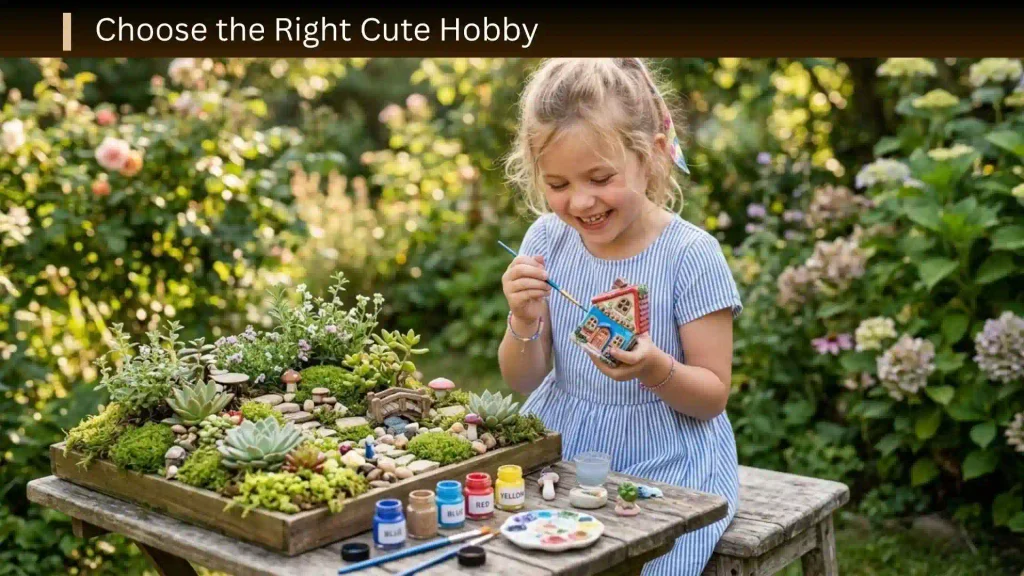
If you have too many choices, narrow them down using four questions.
Do you want to make something?
Choose crafting, crochet, knitting, painting, drawing, jewelry making, sewing, baking, or miniatures.
Do you want something relaxing?
Consider reading, journaling, coloring, gardening, crochet, puzzles, or nature observation.
Do you want something you can display?
Miniatures, paintings, plants, terrariums, collectibles, handmade decorations, and crafts are good choices.
Do you want something practical?
Cooking, baking, sewing, gardening, and handmade gifts can produce useful results as well as provide a creative experience.
How to Start Without Buying Too Much
A common mistake with creative hobbies is buying a large amount of equipment before discovering whether you actually enjoy the activity.
Instead:
- Pick one hobby that genuinely interests you.
- Find a beginner-level project.
- Buy only the basic supplies needed for that project.
- Spend a few sessions learning the fundamentals.
- Decide what part of the hobby you enjoy most.
- Upgrade or expand your supplies gradually.
For example, someone interested in watercolor does not need dozens of paints immediately. Someone interested in crochet does not need a huge yarn collection. Someone interested in journaling does not need an entire stationery store.
Starting small makes it easier to discover your actual preferences.
How to Turn a Cute Hobby Into a Long Term Interest
A hobby becomes more sustainable when you give it some direction.
You could:
- Create monthly projects.
- Keep a record of what you make.
- Develop a recognizable personal style.
- Learn progressively harder techniques.
- Join a community related to the hobby.
- Exchange handmade items with friends.
- Create themed collections.
- Set up a dedicated workspace.
- Photograph completed projects.
- Learn from books, classes, or reputable tutorials.
The goal is not to make the hobby complicated. It is to give yourself enough variety and progression that you continue finding something interesting to explore.
Frequently Asked Questions About Cute Hobbies
What are some really cute hobbies?
Some especially cute hobby ideas include journaling, sticker collecting, crochet, amigurumi, miniature crafting, dollhouse decorating, terrariums, friendship bracelets, beading, watercolor, plushie collecting, baking, and cute stationery collecting.
What is a cute hobby for someone who is a beginner?
Journaling, drawing, origami, reading, simple bracelet making, smartphone photography, and basic paper crafts are approachable starting points because they do not require advanced skills.
What cute hobbies can I do at home?
You can try journaling, drawing, painting, crochet, knitting, reading, baking, miniature crafting, puzzles, collecting, digital art, sewing, beading, and stationery-based crafts at home.
What are cute hobbies that do not cost much?
Reading, drawing, writing, origami, nature journaling, basic journaling, and smartphone photography can often be started with little additional spending. The eventual cost depends on how extensively you develop the hobby.
What are cute hobbies for adults?
Adults can enjoy miniature crafting, gardening, photography, journaling, baking, crochet, knitting, painting, sewing, collecting, terrarium making, jewelry making, and many other creative hobbies.
What cute hobbies can I do with friends?
Friendship bracelets, baking, painting, scrapbooking, jewelry making, craft nights, photography walks, book clubs, and gardening projects can all work well as shared activities.
What is a cute hobby for someone who loves animals?
Amigurumi, pet photography, wildlife photography, birdwatching, animal illustration, and animal-themed collecting are possible choices. The best option depends on whether you prefer creating, observing, photographing, or collecting.
How do I start a cute hobby without spending a lot?
Choose a hobby that uses supplies you already have, begin with one simple project, and purchase only the materials required for it. Wait until you know you enjoy the hobby before investing in specialized equipment or large collections.
Conclusion
Cute hobbies can be much more than an aesthetic trend. They can give you a way to create things, learn skills, document memories, explore nature, build collections, or simply spend your free time doing something that feels personal.
If you want an easy starting point, try journaling, drawing, origami, reading, friendship bracelets, or smartphone photography. If you prefer detailed projects, explore miniatures, dollhouse decorating, crochet, sewing, terrariums, or jewelry making.
The best choice is the one that matches your interests, available space, budget, and preferred level of effort. Start with one small project, see what you enjoy about the process, and let the hobby develop naturally from there.

I’m James Anderson, a dedicated writer and lifelong learner who enjoys researching topics and explaining them in a practical way. Through my work at Cognivoora, I aim to give readers reliable, easy-to-follow information that helps them learn something new. I always try to keep my writing natural, useful, and focused on the questions readers actually have.
Books:
- A Practical Guide to Better Thinking
- Questions Worth Asking