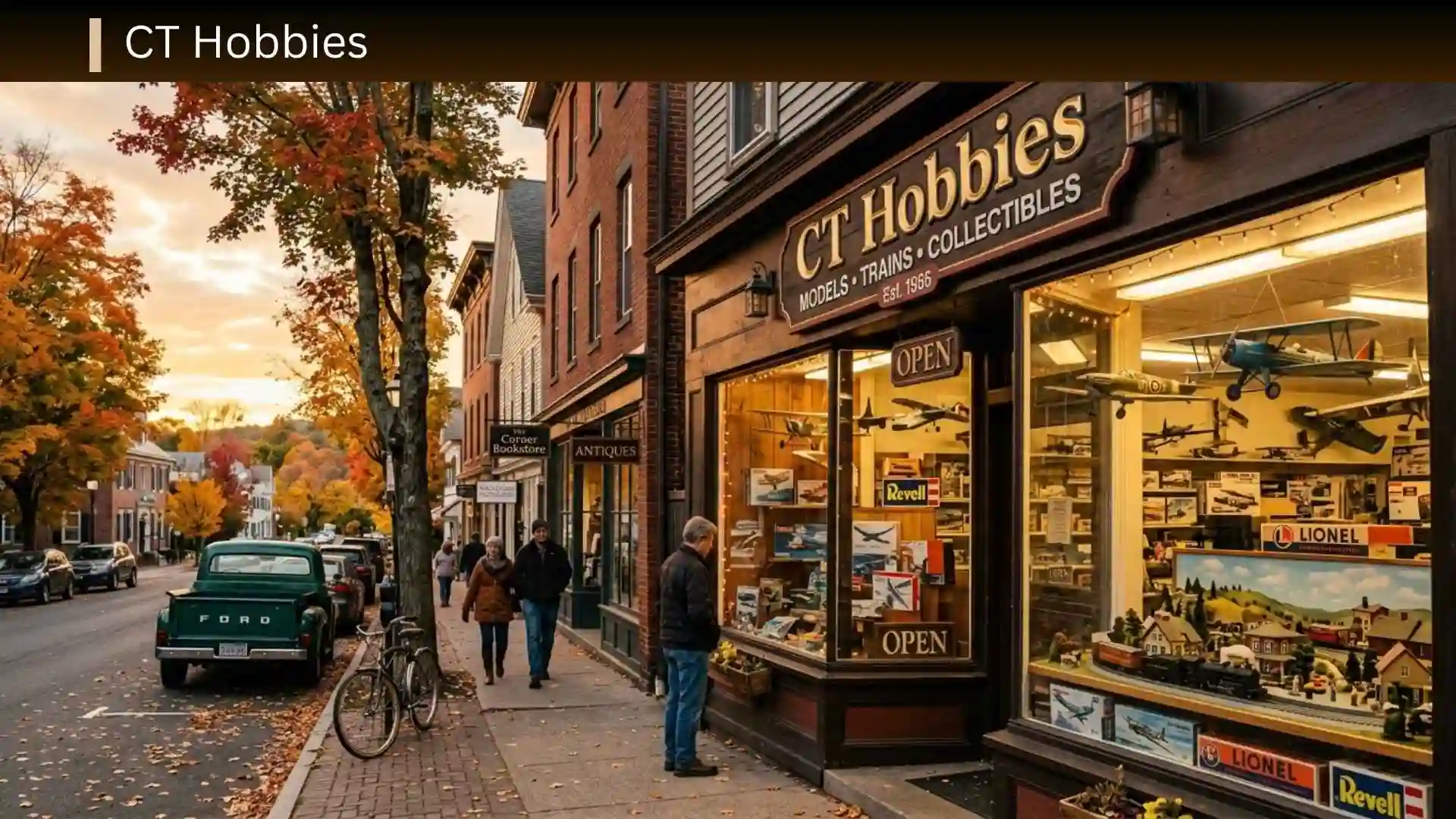
When you hear the phrase CT hobbies, you might wonder what kinds of hobbies fit your interests, lifestyle, and personality. I believe a good hobby should be more than just a way to pass the time—it should give you something to look forward to, help you explore your interests, and make your free time more enjoyable.
Whether you live in Connecticut (CT) or are simply looking for new activities to try, you have plenty of options to explore. From creative crafts and outdoor adventures to collecting, sports, photography, and relaxing indoor activities, you can find a hobby that matches your interests and schedule. In this guide, I’ll help you explore different CT hobbies so you can discover ideas that make your free time more meaningful, enjoyable, and fun.
What Are the Best Hobbies to Try in Connecticut?
Some of the best hobbies in Connecticut include:
- Hiking
- Birdwatching
- Fishing
- Kayaking
- Canoeing
- Camping
- Cycling
- Photography
- Gardening
- Geocaching
- Letterboxing
- Painting
- Drawing
- Reading
- Writing
- Knitting
- Crochet
- Sewing
- Woodworking
- Model building
- Model railroading
- Collecting
- Cooking
- Baking
- Stargazing
- Puzzles
- Board games
- Chess
- Volunteering
- Nature journaling
- Crafting
- Running
- Swimming
- Skiing
- Ice skating
The right choice depends on whether you want an indoor or outdoor hobby, a solo or social activity, a creative pursuit, a physical challenge, or a skill you can develop over time.
Outdoor CT Hobbies
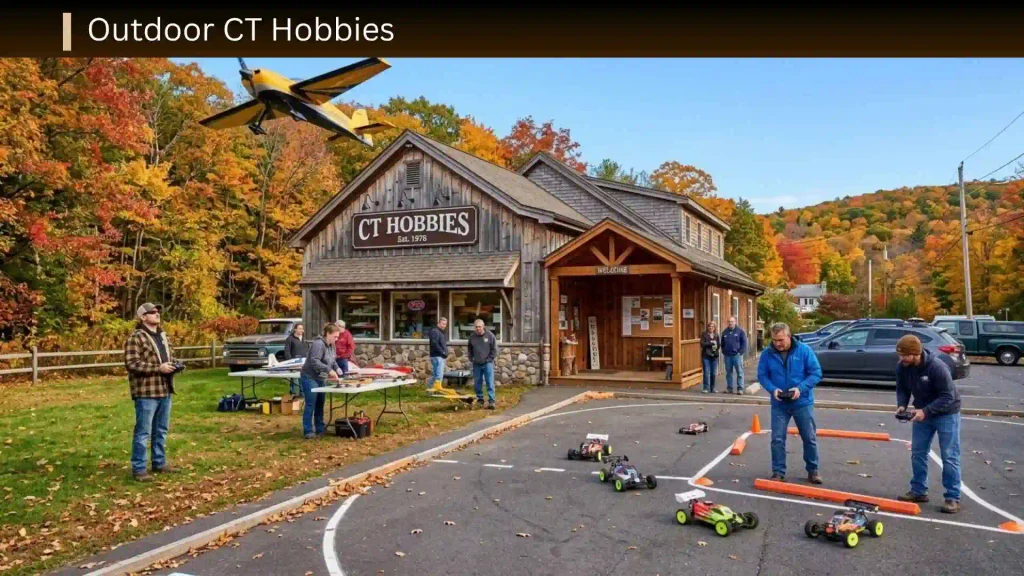
Connecticut is a strong place for outdoor hobbies because you can find forests, trails, lakes, rivers, coastal areas, and seasonal recreation. The state’s outdoor recreation resources include activities such as hiking, biking, birding, camping, fishing, kayaking, canoeing, horseback riding, letterboxing, mountain biking, skiing, and swimming.
Here are some of the most accessible outdoor hobbies to consider.
1. Hiking
Hiking is one of the easiest outdoor hobbies to start because it can be adapted to almost any fitness level.
You can begin with short walks on relatively easy trails and gradually move toward longer hikes as your confidence grows. Hiking can also become more than exercise: you can combine it with photography, birdwatching, nature identification, or simply exploring different parts of the state.
Best for: Nature lovers, active beginners, solo hobbyists, families, and people who want a flexible outdoor activity.
What you need: Comfortable footwear, water, weather-appropriate clothing, and a way to navigate your route.
2. Birdwatching
Birdwatching, or birding, is ideal if you enjoy wildlife but prefer a quieter outdoor experience.
You can practice it in parks, forests, wetlands, backyards, and other suitable habitats. A smartphone can be enough to begin, although binoculars and a field guide can make identification easier.
One advantage of birding is that it can develop gradually. You might start by identifying common birds and later learn about migration, habitats, bird behavior, and photography.
Best for: Quiet observers, nature enthusiasts, photographers, and people who enjoy learning.
3. Fishing
Fishing can be a relaxing hobby, a technical skill, or a social activity depending on how you approach it.
Connecticut provides freshwater and saltwater fishing opportunities, but anglers should always check current state licensing requirements, seasons, size limits, catch limits, and location-specific regulations before fishing.
You can keep the hobby simple or gradually learn about different species, bait, tackle, casting techniques, and fishing environments.
Best for: People who enjoy patience, nature, outdoor relaxation, and skill development.
4. Kayaking
Kayaking gives you a different way to experience Connecticut’s waterways.
Unlike hiking, kayaking requires specialized equipment and greater attention to water conditions. Beginners should learn basic paddling and safety skills and use appropriate personal flotation equipment.
You do not need to begin with long trips. Short outings on suitable, calm water can provide an introduction to the activity.
Best for: Water lovers, explorers, and people who want an active outdoor hobby.
5. Canoeing
Canoeing is another way to explore lakes and suitable waterways.
It can be particularly appealing if you want to share an outdoor activity with another person because canoes can accommodate more than one paddler. As with kayaking, beginners should choose appropriate conditions and use proper safety equipment.
6. Camping
Camping can become a hobby rather than an occasional vacation.
You can experiment with different forms of camping, from simple overnight trips to more elaborate setups. Camping also combines naturally with hiking, fishing, photography, birding, cooking, and stargazing.
If you are new to camping, start with a simple trip rather than purchasing a large collection of specialized gear immediately.
Best for: Families, couples, friends, outdoor enthusiasts, and people who enjoy unplugging from routine.
7. Cycling
Cycling offers a wide range of possibilities.
You can ride casually around your community, explore longer routes, use cycling for fitness, or eventually explore more specialized forms such as mountain biking.
Your equipment requirements will depend heavily on the kind of cycling you want to do. A casual rider does not necessarily need the same bicycle or accessories as someone pursuing technical off-road riding.
8. Running
Running is easy to understand but can become surprisingly varied as a hobby.
Some people enjoy short recreational runs, while others become interested in longer distances, organized races, trail running, or structured training.
A beginner can focus on consistency rather than speed. Comfortable footwear and a gradual approach are more useful than immediately trying to run long distances.
9. Gardening
Gardening allows you to spend time outdoors while creating something you can continue caring for throughout the season.
You can grow flowers, herbs, vegetables, native plants, or container plants depending on your available space.
You do not need a large yard. Container gardening can make the hobby accessible to people with balconies, patios, or small outdoor areas.
Best for: Plant lovers, patient hobbyists, home gardeners, and people who enjoy hands-on work.
10. Geocaching
Geocaching turns outdoor exploration into a search-and-discovery activity.
Instead of simply walking a trail, you have a specific objective: finding a hidden cache by following geographic information and clues.
It can make familiar outdoor areas feel different because you begin looking at your surroundings from the perspective of exploration.
Best for: Families, technology enthusiasts, explorers, and people who enjoy puzzles.
11. Letterboxing
Letterboxing is another clue-based outdoor hobby that combines exploration with discovery and creativity.
Connecticut’s state recreation resources include letterboxing among the activities available in its parks and forests.
The activity can appeal to people who enjoy hiking but want an additional objective during their outing.
12. Horseback Riding
Horseback riding combines physical activity, animal care, outdoor exploration, and skill development.
It requires more commitment than many beginner hobbies because proper instruction, suitable facilities, and responsible interaction with horses are important.
For someone who has a genuine interest in horses, however, it can become a long-term pursuit rather than a casual pastime.
13. Skiing and Snowboarding
Winter opens another category of hobbies in Connecticut and nearby areas.
Skiing and snowboarding require equipment, instruction, and suitable conditions, so they have a higher entry barrier than activities such as walking or reading.
For beginners, lessons can be a better starting point than attempting to learn entirely independently.
14. Ice Skating
Ice skating is a seasonal activity that can be recreational, social, or skill-oriented.
You can skate casually or eventually explore more structured forms of skating.
Because conditions and rink schedules vary, check local facilities before planning a session.
Creative CT Hobbies
Creative hobbies are useful if you prefer making, designing, writing, or experimenting rather than simply consuming entertainment.
15. Photography
Photography is one of the most versatile hobbies because you can practice almost anywhere.
You can begin with a smartphone and explore composition, lighting, perspective, and editing before deciding whether you want dedicated camera equipment.
Connecticut gives photographers many different subjects, including landscapes, architecture, wildlife, gardens, seasonal scenery, and community events.
Best for: Creative people, travelers, nature lovers, and detail-oriented observers.
16. Drawing
Drawing requires very little equipment and can develop into many different directions.
You might practice:
- Pencil sketching
- Portraits
- Landscapes
- Architectural drawing
- Illustration
- Character design
- Nature sketching
A simple sketchbook gives you a portable hobby that you can take almost anywhere.
17. Painting
Painting provides more options for experimentation.
Beginners can explore watercolor, acrylics, gouache, oils, or other media. You can paint from photographs, real-life subjects, imagination, or structured exercises.
Acrylics are often convenient for beginners because they are versatile and generally straightforward to work with.
18. Writing
Writing can be both a creative outlet and a structured hobby.
You might write:
- Short stories
- Poetry
- Journals
- Essays
- Personal reflections
- Fiction
- Creative nonfiction
- Travel writing
You can write entirely for yourself without any intention of publishing.
19. Knitting
Knitting combines creativity with repetitive, hands-on work.
Once basic stitches are understood, you can move into projects such as scarves, hats, blankets, garments, and decorative items.
The main challenge is patience: beginners may need time to become comfortable maintaining consistent tension and following patterns.
20. Crochet
Crochet is similar to knitting in that it turns yarn into useful or decorative objects, but the techniques and tools are different.
A beginner can start with a hook, yarn, and a simple project before moving into more complicated patterns.
21. Sewing
Sewing can range from simple repairs to clothing construction and creative textile projects.
You can begin by learning basic stitches and machine operation, then gradually explore alterations, quilting, costumes, bags, or home decorations.
The hobby becomes especially useful when you enjoy creating functional objects rather than purely decorative ones.
22. Woodworking
Woodworking is a hands-on hobby that can produce furniture, decorations, storage solutions, toys, and other objects.
It requires more space, tools, and safety awareness than drawing or knitting. Beginners should learn how to use tools properly rather than immediately attempting complicated projects.
A small project is often a better introduction than starting with a large piece of furniture.
23. Crafting
Crafting is an umbrella hobby rather than a single activity.
Possible projects include:
- Paper crafts
- Scrapbooking
- Jewelry making
- Decorative crafts
- Handmade cards
- Seasonal decorations
- Textile projects
- DIY gifts
Its biggest advantage is flexibility. You can switch between projects depending on your interests, available materials, and time.
Hobby Collecting in Connecticut
Collecting can turn an interest in a particular subject into a long-term hobby.
24. Coin Collecting
Coin collecting combines history, design, organization, and research.
A beginner does not need to immediately purchase expensive or rare coins. Learning how coins are categorized, stored, dated, and researched is more important at the beginning.
25. Stamp Collecting
Stamp collecting provides a similar combination of history and visual detail.
Collectors may focus on particular countries, periods, themes, printing varieties, or other characteristics.
26. Trading Cards
Trading cards can include sports cards and various entertainment or collectible card categories.
A collector may focus on a particular player, team, set, era, or theme.
If monetary value matters to you, remember that collectible prices can fluctuate and condition, authenticity, demand, rarity, and market interest can all influence value.
27. Antique and Vintage Collecting
You can build a collection around almost any category that interests you, including toys, books, household objects, advertising materials, furniture, or memorabilia.
The most sustainable collecting hobbies usually have a clear focus. A defined collecting theme helps prevent random purchases and makes researching the items more interesting.
28. Model Railroading
Model railroading combines collecting, construction, design, scenery, electrical systems, and storytelling.
It can be a small tabletop activity or grow into a much larger project depending on your available space and budget.
Connecticut tourism resources highlight several model-train-related destinations and hobby stores, demonstrating that the state has an established community around the hobby.
Best for: Detail-oriented hobbyists, builders, collectors, engineers, and people who enjoy long-term projects.
Learning Based CT Hobbies
Some people want a hobby that continuously teaches them something new.
29. Stargazing
Stargazing encourages you to learn about the night sky, constellations, planets, seasonal changes, and astronomy.
You can start without a telescope. Learning to identify prominent objects and constellations can provide a foundation before deciding whether specialized equipment is worthwhile.
Light pollution can affect what you can see, so darker locations can provide different observing opportunities than bright urban areas.
30. Cooking
Cooking is both a practical skill and a hobby.
Instead of attempting complicated recipes immediately, choose a category you genuinely enjoy and learn its fundamentals.
For example, you might focus on:
- Bread
- Pasta
- Grilling
- Soups
- Baking
- International cuisines
- Vegetarian cooking
- Desserts
The advantage is that your practice produces something useful at the end.
31. Baking
Baking appeals to people who enjoy precision and experimentation.
Unlike many forms of cooking, baking often depends heavily on measurements, temperature, timing, and technique.
You can progress from simple cookies and quick breads to more complicated cakes, pastries, and yeast breads.
32. Chess
Chess provides a structured hobby for people who enjoy strategy and problem solving.
You can play online, with friends, or through organized groups and clubs.
A beginner does not need to memorize hundreds of openings. Understanding basic principles and regularly playing complete games provides a more practical foundation.
33. Puzzles
Jigsaw puzzles, logic puzzles, crossword puzzles, and other puzzle formats offer different types of mental challenges.
They are particularly convenient when you want an activity that can be done indoors without a complicated setup.
Social CT Hobbies
If your main goal is meeting people, choose a hobby where interaction naturally happens rather than trying to force a social component into a solitary activity.
Good choices include:
- Book clubs
- Hiking groups
- Photography clubs
- Craft groups
- Board-game groups
- Chess clubs
- Community theater
- Dance classes
- Art classes
- Cycling groups
- Volunteer organizations
- Gardening groups
Local community groups can also make it easier to stay consistent because you have a regular activity and other people expect you to participate.
Meetup, for example, lists sports and hobby groups in Connecticut communities, giving people another way to discover local interest groups.
Best CT Hobbies by Budget
Cost can vary dramatically within the same hobby, but this broad comparison can help you narrow your choices.
| Budget Level | Hobby Examples | Why They Fit |
| Low | Reading, walking, drawing, writing | Minimal equipment |
| Low | Hiking, birdwatching | Can begin with basic gear |
| Low–Moderate | Gardening, crafts, fishing | Equipment grows with involvement |
| Moderate | Photography, cycling, model building | Equipment choices affect cost |
| Moderate | Kayaking, woodworking | Requires specialized equipment |
| Moderate–High | Model railroading | Layouts and equipment can expand |
| Higher commitment | Horseback riding | Instruction, facilities, and ongoing care matter |
These are starting categories rather than fixed price ranges. Almost any hobby can become more expensive as you become more serious about it.
Best CT Hobbies for Small Spaces
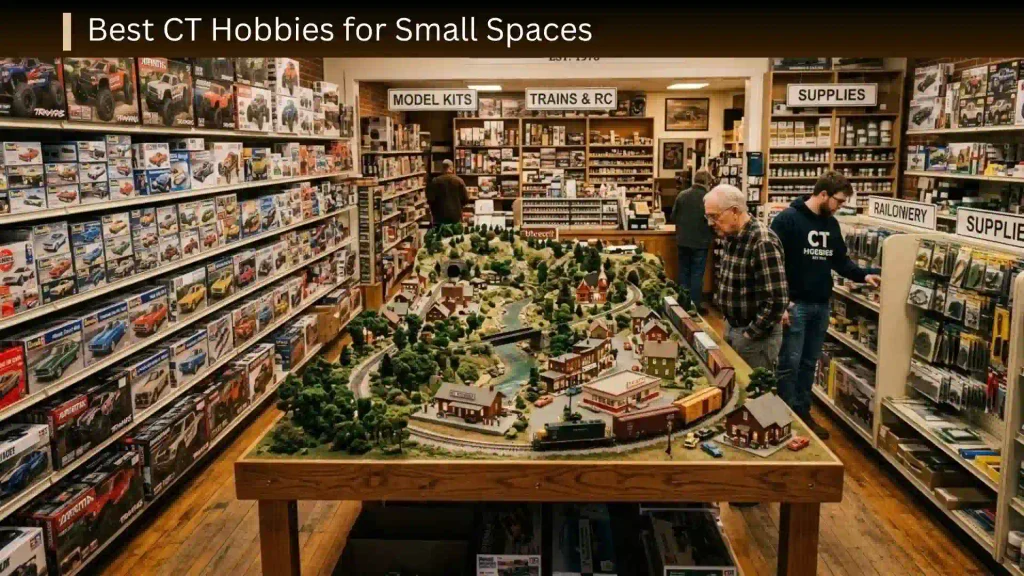
If you live in an apartment or have limited workspace, consider hobbies that do not require permanent equipment or a large storage area.
Good options include:
- Reading
- Drawing
- Writing
- Photography
- Knitting
- Crochet
- Small crafts
- Puzzles
- Chess
- Digital art
- Birdwatching
- Walking
- Hiking
By contrast, woodworking, large-scale model railroading, extensive collecting, and certain craft projects can require considerably more room.
Best CT Hobbies for Families
If you want a hobby that parents and children can enjoy together, consider activities where the difficulty can be adjusted for different ages.
Good choices include:
- Hiking
- Camping
- Fishing
- Geocaching
- Letterboxing
- Gardening
- Photography
- Crafts
- Baking
- Puzzles
- Board games
- Birdwatching
For children, choose activities according to age, supervision needs, equipment, and environmental conditions.
Best CT Hobbies for People Who Prefer Solitude
Not every hobby needs a group.
If you enjoy spending time independently, consider:
- Reading
- Writing
- Drawing
- Painting
- Photography
- Gardening
- Model building
- Collecting
- Birdwatching
- Fishing
- Hiking
- Puzzles
- Stargazing
These activities let you control your own schedule and pace.
How to Choose a Hobby That You Will Actually Keep Doing
The biggest mistake beginners make is choosing a hobby based on what sounds impressive rather than what fits their everyday life.
Use these questions to narrow your options.
Do you want to leave the house?
If yes, prioritize hiking, fishing, cycling, photography, birdwatching, kayaking, camping, or other outdoor activities.
If no, consider reading, painting, drawing, crafts, model building, puzzles, cooking, or writing.
Do you want to create something?
Choose painting, drawing, woodworking, sewing, knitting, crochet, crafts, cooking, baking, or model building.
Do you want to learn continuously?
Photography, astronomy, cooking, chess, collecting, gardening, birding, and model railroading all offer opportunities to develop deeper knowledge.
Do you want to meet people?
Choose a hobby with a built-in community, such as a club, class, group activity, organized sport, or volunteer organization.
Do you want physical activity?
Hiking, cycling, running, kayaking, skiing, skating, and horseback riding can provide a more active hobby experience.
Do you have very little free time?
Choose something that can be practiced in short sessions.
Reading, drawing, puzzles, photography, gardening tasks, knitting, and writing can often be divided into manageable sessions.
How to Start a New Hobby Without Overspending
You do not need to purchase professional equipment on day one.
A sensible approach is:
- Pick one hobby that genuinely interests you.
- Learn the basic rules and terminology.
- Use equipment you already own when practical.
- Try a beginner-level project or activity.
- Decide what you actually enjoy before upgrading equipment.
- Look for local clubs, classes, libraries, community organizations, or hobby groups.
- Increase your spending only when the hobby proves worthwhile to you.
This approach is particularly useful for hobbies such as photography, woodworking, fishing, model building, cycling, and crafting, where equipment choices can quickly become expensive.
Where to Find Hobby Communities in Connecticut
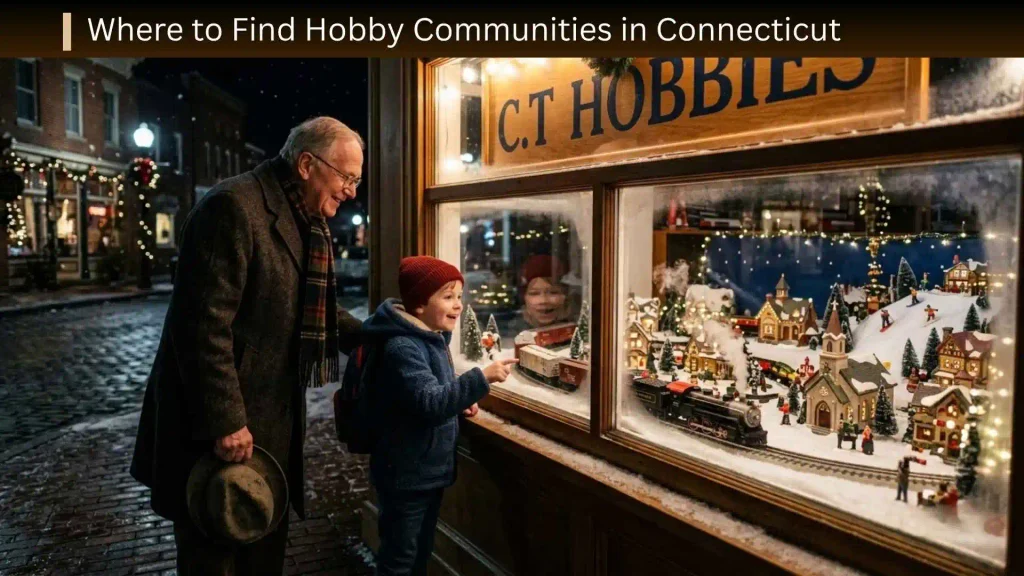
Local communities can make a hobby much easier to sustain.
Depending on your interest, look for:
- Public library programs
- Community centers
- Recreation departments
- Local hobby stores
- Nature organizations
- Art organizations
- Hiking groups
- Sports clubs
- Gardening groups
- Photography clubs
- Model railroad communities
- Online-to-local meetup groups
For example, Connecticut tourism resources highlight model-train destinations and hobby stores, while online community platforms list local sports and hobby groups.
The best source will depend on the activity you are trying to pursue.
Safety Considerations for Outdoor CT Hobbies
Outdoor hobbies are generally accessible, but conditions can change quickly.
Before heading out:
- Check the weather and local conditions.
- Know where you are going.
- Carry appropriate water and clothing.
- Follow posted rules.
- Use appropriate safety equipment.
- Tell someone where you will be if you are going somewhere remote.
- For water activities, use appropriate flotation equipment and understand the conditions.
- For fishing, check current regulations and licensing requirements.
- For winter activities, make sure your equipment and clothing match the conditions.
The goal is not to make recreation complicated. A little preparation helps you spend more time enjoying the activity and less time dealing with preventable problems.
Frequently Asked Questions About CT Hobbies
What are the most popular hobbies in Connecticut?
There is no single hobby that is best for everyone, but Connecticut offers many opportunities for hiking, fishing, boating, camping, cycling, birdwatching, photography, gardening, crafts, model building, collecting, and other indoor and outdoor interests.
What are the best free or inexpensive CT hobbies?
Walking, hiking, reading, writing, drawing, basic birdwatching, photography with a smartphone, and exploring local parks can be relatively inexpensive ways to begin. Costs depend on the equipment you eventually choose.
What are good hobbies for adults in Connecticut?
Adults can choose from active hobbies such as hiking and cycling, creative hobbies such as painting and photography, practical hobbies such as cooking and gardening, or detailed interests such as model building and collecting.
What are good outdoor hobbies in CT?
Hiking, fishing, birdwatching, kayaking, canoeing, camping, cycling, geocaching, letterboxing, horseback riding, skiing, and ice skating are among the many outdoor recreation options available in Connecticut.
What are good indoor hobbies in Connecticut?
Reading, writing, painting, drawing, crafts, knitting, crochet, sewing, model building, model railroading, collecting, cooking, baking, puzzles, chess, and digital creative work are all suitable indoor options.
Are there hobby groups in Connecticut?
Yes. Local clubs, classes, community organizations, hobby stores, libraries, recreation programs, and online platforms can help people find others who share their interests.
What is a good hobby to start with little money?
Reading, writing, drawing, walking, hiking, and smartphone photography are good places to start because you can often begin with equipment you already have or with a relatively small initial investment.
How do I choose the right hobby for me?
Start with your available time, budget, space, preferred environment, and desired level of social interaction. Then decide whether you want your hobby to be creative, physical, educational, relaxing, collectible, or project-based.
Conclusion
The best CT hobbies are the ones that fit naturally into your life. Connecticut provides options for people who want outdoor adventure, creative expression, quiet solo time, social interaction, hands-on projects, collecting, or continuous learning.
If you want a simple starting point, try hiking, reading, photography, gardening, drawing, birdwatching, or a basic craft. If you prefer a deeper long-term project, consider model railroading, woodworking, collecting, fishing, photography, or another skill-based hobby.
Rather than trying to find the perfect hobby immediately, choose one that interests you, start at a manageable level, and give yourself enough time to discover whether you enjoy the process.

I’m Olivia Bennett, a passionate writer who loves exploring ideas, learning new concepts, and sharing knowledge in a straightforward way. I write for Cognivoora with the goal of making useful topics easier to understand without unnecessary complexity. My approach combines research, clarity, and a reader-first perspective.
Books:
- Think Clearly, Live Better
- The Curious Reader’s Guide