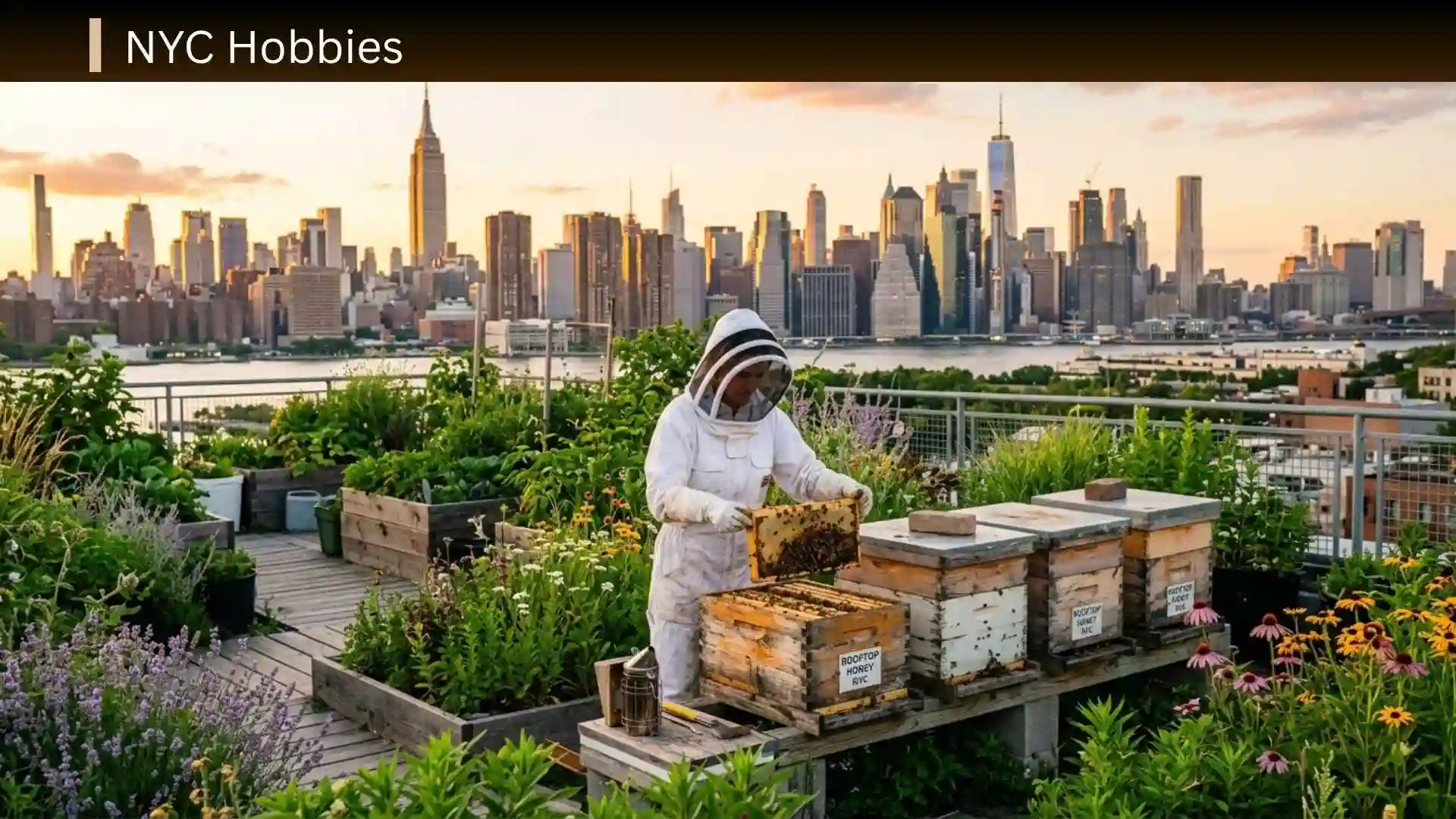
New York City is one of the easiest places to turn an interest into a regular hobby. With five boroughs, extensive parks, libraries, community centers, creative studios, cultural institutions, and maker spaces, you can find activities ranging from pottery and photography to running, gardening, dancing, and urban exploration.
The best NYC hobbies are not necessarily expensive or complicated. Some can be started with little more than comfortable shoes, a notebook, or a phone, while others are better suited to people who want structured classes and specialized equipment.
What Are the Best NYC Hobbies(Quick Answer)
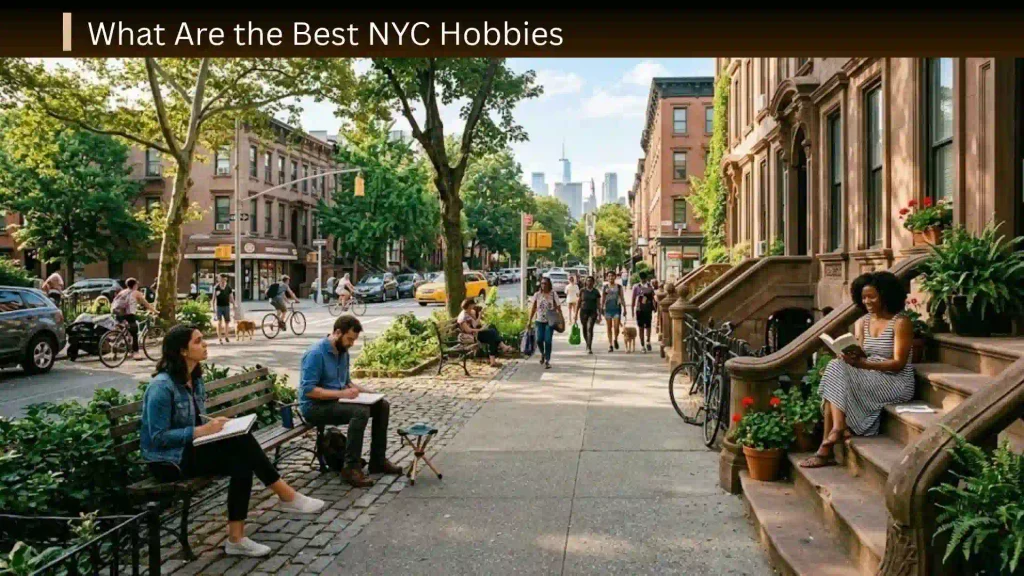
Some of the best hobbies to try in New York City include:
- Photography
- Walking and urban exploration
- Running
- Cycling
- Pottery and ceramics
- Drawing and sketching
- Painting
- Reading
- Creative writing
- Cooking
- Gardening
- Birdwatching
- Stargazing
- Dancing
- Yoga
- Rock climbing
- Fishing
- Sewing and embroidery
- Woodworking
- 3D printing and making
- Playing chess or board games
- Volunteering
- Learning a musical instrument
- Museum and art exploration
- Genealogy and local history
The right choice depends on whether you want a social, creative, active, relaxing, inexpensive, or skill-building hobby.
1. Photography
Photography is especially well suited to New York City because the city constantly provides new subjects.
You can photograph:
- Architecture
- Street scenes
- Bridges
- Parks
- Neighborhoods
- Public art
- People and everyday life
- Seasonal changes
- City skylines
- Transit and infrastructure
You do not need an expensive camera to begin. A smartphone is enough to practice composition, lighting, perspective, and storytelling.
A useful way to make photography a real hobby rather than occasional sightseeing is to choose a theme. For example, you might photograph one neighborhood each month or focus exclusively on doors, architecture, reflections, or street signs.
2. Walking and Urban Exploration

Walking is one of the simplest NYC hobbies because the city itself becomes the setting.
Instead of simply walking for transportation, create personal routes around subjects that interest you. You might explore historic neighborhoods, waterfronts, bridges, public art, bookstores, architecture, or different types of streetscapes.
Try setting a goal such as:
Explore one unfamiliar neighborhood every two weeks.
Bring a phone or notebook and record interesting places you discover. This turns an ordinary walk into an ongoing urban exploration project.
3. Running
Running works particularly well for people who want a hobby that requires minimal equipment.
You can run:
- In parks
- Along waterfront paths
- Around neighborhood streets
- On dedicated recreational routes
- With a local running group
The key advantage is flexibility. You can run alone when you want quiet time or join a group when you want a stronger social element.
Start with a manageable distance and gradually build your routine rather than treating every run as a competition.
4. Cycling
Cycling can combine exercise, exploration, and transportation.
For a hobby, you can create different goals:
- Explore new neighborhoods
- Ride along waterfront areas
- Photograph interesting locations
- Plan weekend cycling routes
- Learn basic bicycle maintenance
- Join group rides
If you ride regularly in the city, learn local traffic and cycling rules and use appropriate safety equipment.
5. Pottery and Ceramics
Pottery is a strong choice if you want a hands-on creative hobby.
You can learn techniques such as:
- Wheel throwing
- Hand building
- Glazing
- Trimming
- Sculpting
New York has specialized ceramics studios where beginners can take introductory classes. For example, Off Center Ceramics in Brooklyn currently offers both beginner courses and one-time introductory wheel-throwing sessions.
Pottery can also be a good option if you prefer making physical objects instead of creating primarily digital work.
6. Drawing and Urban Sketching
You do not need to consider yourself an artist to enjoy drawing.
Urban sketching gives you a particularly useful way to combine creativity with exploration. Carry a small sketchbook and draw:
- Buildings
- Cafés
- Parks
- Subway stations
- Bridges
- Storefronts
- People in public spaces
- City views
The goal does not have to be producing professional artwork. Regular practice can simply help you notice details that you would normally walk past.
7. Painting
Painting can be practiced at home or through organized classes and workshops.
Popular directions include:
- Watercolor
- Acrylic painting
- Oil painting
- Gouache
- Abstract painting
- Landscape painting
- Portrait painting
If you live in a small apartment, watercolor or gouache may be easier to manage than a larger painting setup.
For beginners, a small sketchbook and basic materials are often enough to determine whether painting is something you genuinely enjoy before investing in more supplies.
8. Reading
Reading is one of the most accessible hobbies in New York City.
You can make it more interesting by creating a personal reading challenge, such as:
- One book from every borough
- New York City novels
- American history
- Biography
- Architecture
- Travel writing
- Science fiction
- Mystery novels
- Books translated from other languages
Libraries can also turn reading into a social hobby through book discussions, educational programming, and community events.
9. Creative Writing
New York can provide endless material for writers.
You could focus on:
- Short stories
- Poetry
- Personal essays
- Journaling
- Fiction
- Screenwriting
- Travel writing
- Urban observations
A simple practice is to write for 15–20 minutes several times a week. Choose one location, object, conversation, memory, or observation and turn it into a short piece of writing.
The city’s neighborhoods, characters, history, and constant movement can provide plenty of inspiration without requiring you to invent a setting from scratch.
10. Cooking
Cooking is a practical hobby because you gain a useful skill while creating something you can actually eat.
Instead of trying to master everything at once, choose a specialty:
- Bread
- Pasta
- Pizza
- Desserts
- Vegetarian cooking
- Regional cuisines
- Fermentation
- Knife skills
- Meal preparation
You can also turn cooking into a cultural hobby by learning the background of a cuisine while practicing its dishes.
11. Gardening
Gardening may seem difficult in a dense city, but you do not need a traditional backyard.
Possible approaches include:
- Windowsill herbs
- Container gardening
- Balcony plants
- Indoor plants
- Community gardening
- Native plants
- Small vegetable gardens
NYC Parks also offers educational opportunities related to gardening, nature, and urban environments, including volunteer activities.
Gardening is particularly appealing if you want a hobby that slows down your routine and gives you something living to care for.
12. Birdwatching
Birdwatching is an excellent NYC hobby for people who enjoy nature but do not want to leave the city.
You can begin with:
- A pair of binoculars
- A bird identification app or guide
- A notebook
- Comfortable walking shoes
Parks, waterfronts, gardens, and other green spaces can provide opportunities to observe different birds.
The hobby becomes more rewarding when you learn to identify birds by behavior, habitat, calls, and appearance rather than simply photographing them.
13. Stargazing
You might not immediately associate New York City with astronomy, but organized stargazing opportunities do exist.
NYC Parks currently lists astronomy-related programming, including recurring stargazing events on the High Line and other locations.
Urban light pollution makes observing some celestial objects more difficult than it would be in a rural area, but the hobby can still introduce you to:
- The Moon
- Bright planets
- Major constellations
- Meteor showers
- Basic astronomy
- Night-sky observation
A beginner does not necessarily need a telescope. Start by learning the night sky with your eyes and a suitable star map or astronomy app.
14. Dancing
Dancing can combine exercise, music, creativity, and social interaction.
Depending on your interests, you could explore:
- Salsa
- Bachata
- Swing
- Ballroom
- Hip-hop
- Contemporary dance
- Ballet
- Line dancing
Classes can be particularly useful for beginners because you have a scheduled time, an instructor, and other people learning at approximately the same level.
If social interaction is important to you, dance can be more naturally community-oriented than many solitary hobbies.
15. Yoga
Yoga can be a good hobby if you want a structured activity that combines movement with relaxation.
You can practice at home or attend classes.
When choosing a class, consider:
- Your experience level
- Class intensity
- Travel time
- Cost
- Class size
- Schedule
- Whether you prefer group or individual practice
The most sustainable routine is usually one that fits naturally into your weekly schedule.
16. Rock Climbing
Rock climbing offers a more skill-focused form of exercise.
Indoor climbing can introduce beginners to techniques such as:
- Foot placement
- Balance
- Grip management
- Route reading
- Movement efficiency
- Problem solving
It can also be social because climbers often work on routes together or exchange advice.
If you are completely new, begin with instruction and learn the safety procedures of the facility before attempting more advanced climbing.
17. Sewing and Embroidery
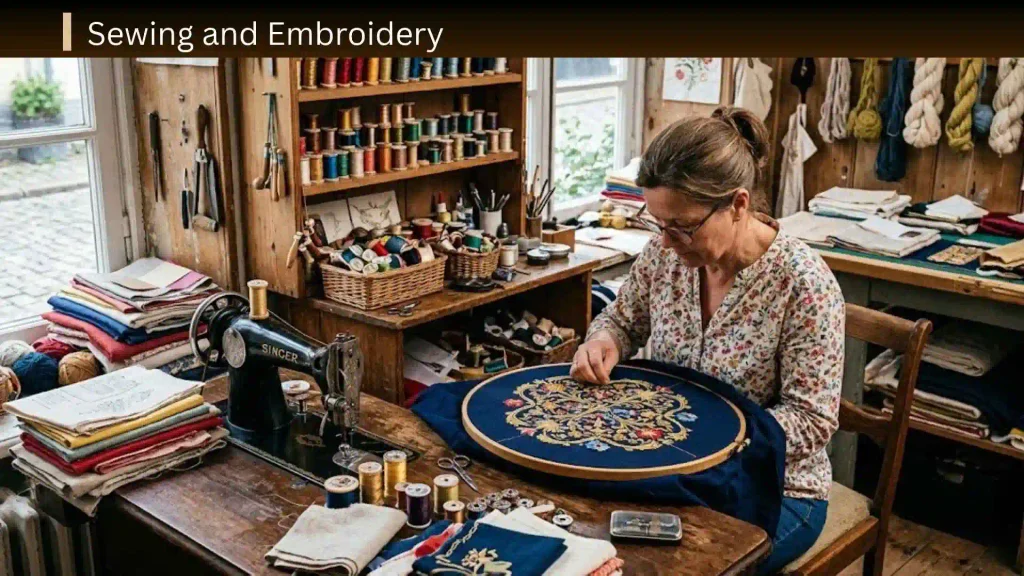
Sewing is a practical creative hobby that can eventually become a useful life skill.
You can start with simple projects such as:
- Tote bags
- Pillow covers
- Clothing repairs
- Simple garments
- Embroidery designs
- Fabric decorations
New York also has maker spaces where people can learn hands-on skills. MakerSpace NYC, for example, lists sewing alongside woodworking, pottery, welding, 3D printing, and other classes.
18. Woodworking
Woodworking is a good choice if you enjoy building tangible objects.
Beginner projects might include:
- Small shelves
- Boxes
- Frames
- Simple furniture
- Decorative objects
Because woodworking requires tools and workspace, it is less convenient to practice in a typical apartment. A community workshop or makerspace can solve that problem.
MakerSpace NYC offers woodworking classes and workspace access, including facilities at the Brooklyn Army Terminal.
19. 3D Printing and Making
For people interested in technology and creativity, 3D printing can turn digital designs into physical objects.
You can learn:
- Basic 3D modeling
- Slicing
- Printer operation
- Material selection
- Prototyping
- Design iteration
It is especially appealing if you enjoy solving practical problems. You can design organizers, replacement parts, models, decorations, or experimental objects.
Community makerspaces can be a practical way to learn without immediately purchasing your own printer.
20. Chess and Board Games
Chess is an inexpensive hobby with a strong social component.
You can play:
- In person
- Online
- At clubs
- With friends
- In organized competitions
If chess is not your preferred game, explore modern board games instead. Strategy, cooperative, card-based, deduction, and party games provide very different experiences.
The important distinction is that board gaming can become a regular social hobby when you find a consistent group.
21. Fishing
Fishing provides a very different pace from the usual energy of NYC.
It can be appealing if you enjoy:
- Being outdoors
- Learning practical skills
- Spending time near the water
- Patience and observation
- Weekend activities
Before fishing, check the current New York State rules, licensing requirements, permitted locations, and seasonal restrictions applicable to your situation.
22. Volunteering
Volunteering can function as a hobby when you choose a cause or activity you genuinely enjoy and participate consistently.
Possible interests include:
- Parks
- Community gardens
- Environmental projects
- Animal welfare
- Food programs
- Neighborhood organizations
- Cultural organizations
NYC Parks lists volunteer and educational opportunities, including activities connected with urban nature and environmental projects.
Volunteering is particularly useful for people who want their free time to involve community participation rather than purely personal entertainment.
23. Learning a Musical Instrument
Learning an instrument is a long-term hobby that rewards consistent practice.
Good beginner choices depend on your living situation and preferences.
For example:
| Instrument | Beginner Consideration |
| Ukulele | Small and relatively easy to store |
| Keyboard | Versatile and available in compact forms |
| Guitar | Broad range of learning resources |
| Violin | Requires focused technique practice |
| Harmonica | Very portable |
| Drums | Fun but potentially challenging in an apartment |
If noise is a concern, headphones and electronic instruments can sometimes make practice easier in an apartment setting.
24. Museum and Art Exploration
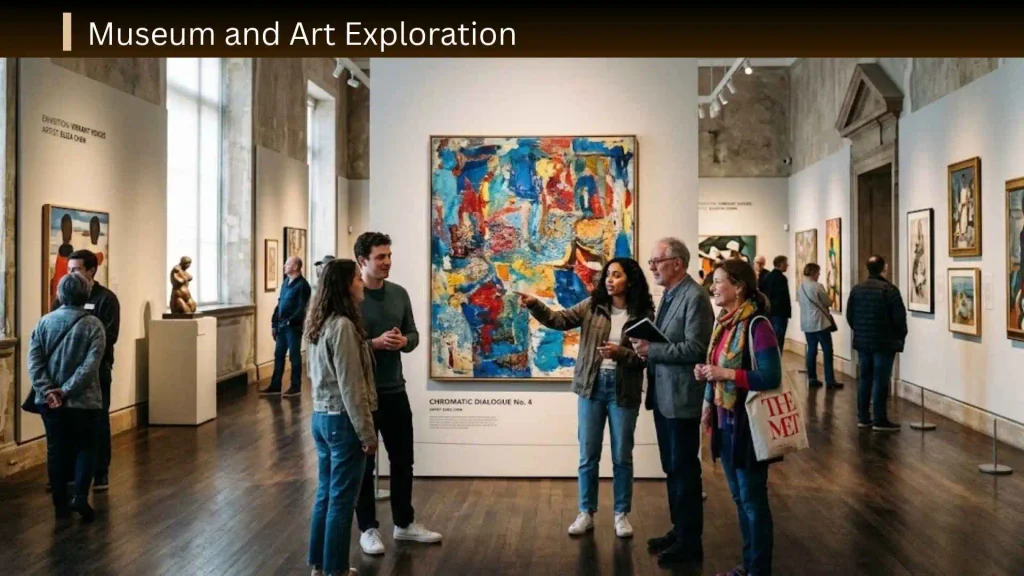
You do not have to be an art expert to make museums part of your hobby life.
Instead of trying to visit every major institution, choose a subject that interests you:
- Modern art
- Photography
- Ancient history
- Design
- Fashion
- Natural history
- American history
- Architecture
You can keep a museum notebook and record the works, artists, objects, or ideas that interest you.
This turns museum visits from occasional sightseeing into an ongoing learning hobby.
25. Local History and Genealogy
New York City’s long history makes it a fascinating place for people interested in genealogy and historical research.
You could investigate:
- Your family history
- Historic neighborhoods
- Old buildings
- Immigration history
- Former industries
- Transit history
- Local businesses
- Historic maps
- Neighborhood development
This hobby can combine reading, archival research, photography, walking, and interviews with relatives.
Best NYC Hobbies by Interest
Not every hobby fits every personality. Use the following guide to narrow your choices.
| If you want… | Consider… |
| A low-cost hobby | Walking, reading, sketching, photography |
| A creative hobby | Painting, pottery, writing, sewing |
| A social hobby | Dancing, chess, board games, volunteering |
| Exercise | Running, cycling, yoga, climbing |
| A relaxing hobby | Gardening, reading, sketching, fishing |
| A technology hobby | 3D printing, electronics, photography |
| A hands-on hobby | Pottery, woodworking, sewing, cooking |
| A nature hobby | Birdwatching, gardening, stargazing |
| A learning-focused hobby | Local history, genealogy, astronomy |
| A weekend hobby | Cycling, museums, photography, fishing |
| An apartment-friendly hobby | Reading, writing, drawing, cooking |
| A community-oriented hobby | Volunteering, classes, dance, clubs |
Free and Low Cost NYC Hobbies
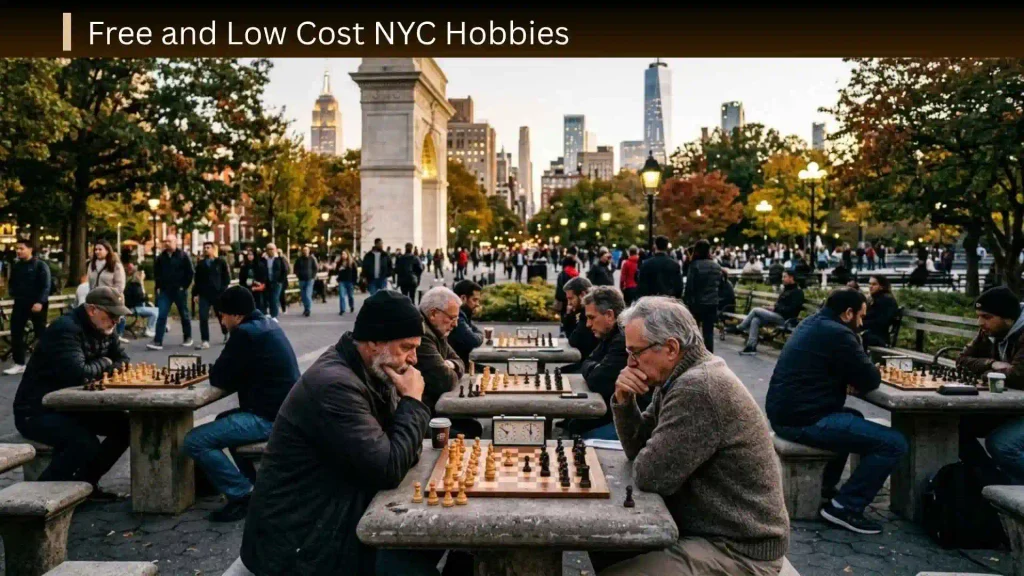
If cost is your main concern, start with hobbies that require little specialized equipment.
Good options include:
- Walking
- Running
- Urban photography with a smartphone
- Reading
- Journaling
- Sketching
- Birdwatching
- Exploring public parks
- Local history research
- Volunteering
- Stargazing
- Free community events
NYC Parks is particularly useful for finding educational and recreational programming. Its current listings include free opportunities involving nature, history, gardening, arts and crafts, and astronomy.
The city’s community-center system is another avenue worth checking. DYCD says its adult programs can include recreation, physical activity, social interaction, and community engagement.
Best NYC Hobbies for Meeting New People
If your main goal is to make friends, choose a hobby that naturally creates repeated interaction.
Strong options include:
- Dance classes — You regularly interact with classmates.
- Running groups — Shared activity creates an easy conversation starter.
- Board-game groups — Games provide an immediate shared focus.
- Volunteering — You work toward a shared purpose.
- Pottery classes — Regular classes create a small community.
- Makerspaces — Projects create opportunities to exchange ideas.
- Photography groups — Group walks give you something to discuss.
- Climbing — The environment often encourages interaction and collaboration.
A useful rule is to prioritize recurring activities over one-time events if your objective is building friendships.
Best Hobbies for Small NYC Apartments
Limited space does not mean you need to give up hobbies.
Consider:
- Reading
- Writing
- Drawing
- Watercolor
- Digital photography
- Language learning
- Cooking
- Yoga
- Chess
- Playing a compact instrument
- Indoor gardening
- Embroidery
- Genealogy
For equipment-heavy interests such as woodworking, metalworking, or some forms of ceramics, a shared studio or makerspace can be more practical than trying to create a workshop at home.
How to Choose the Right NYC Hobby

Instead of choosing a hobby simply because it sounds interesting, consider five questions.
1. Do You Want to Be Alone or Social?
Choose reading, photography, writing, or drawing if you primarily want independent time.
Choose dancing, volunteering, board games, or group classes if meeting people matters.
2. How Much Space Do You Have?
Someone living in a small apartment may prefer photography, writing, sketching, or reading over woodworking.
Space should be part of your decision before buying equipment.
3. What Is Your Realistic Budget?
Start with the least expensive version of a hobby.
For example, try smartphone photography before buying a camera, or take a single introductory pottery class before committing to a multi-week course.
4. How Much Time Can You Consistently Give It?
A hobby does not need to consume your entire weekend.
A 20-minute drawing session three times a week can be more sustainable than planning an activity that requires several hours every weekend.
5. Do You Want a Skill or an Experience?
Some hobbies are primarily about enjoyment and relaxation.
Others develop skills over time.
Skill-building hobbies: woodworking, cooking, photography, musical instruments, pottery, climbing, sewing.
Experience-focused hobbies: walking, museum visits, sightseeing, casual photography, reading, stargazing.
Both are valid. The better choice is the one you will actually continue.
Where to Find Hobby Opportunities in NYC
New York City offers several types of places where you can discover hobbies.
NYC Parks
NYC Parks maintains event listings covering educational programs, arts and crafts, nature activities, recreation, and other community events.
Community Centers
NYC’s community-center programs can provide recreation and activities designed around social connection, community involvement, and physical activity.
Libraries
Libraries are useful places to look for reading-related activities, educational programs, community events, and opportunities to discover new interests.
Makerspaces
Makerspaces are especially useful when you want access to tools and equipment that would be impractical to own at home. MakerSpace NYC, for example, offers classes involving woodworking, sewing, pottery, welding, and 3D printing.
Local Studios and Clubs
Ceramics studios, dance schools, climbing gyms, running groups, art studios, music schools, and hobby clubs can provide structured environments for learning and meeting people.
How to Start a New Hobby Without Overspending
The easiest mistake is buying everything before determining whether you actually enjoy the hobby.
Instead:
- Choose one hobby.
- Try the beginner version first.
- Borrow or rent equipment when practical.
- Take a single introductory class if available.
- Practice consistently for a few weeks.
- Upgrade equipment only after you know what you need.
For example, someone interested in pottery could take an introductory class before purchasing equipment. Someone interested in photography could use a smartphone first. Someone interested in woodworking could take a makerspace class rather than immediately trying to create a workshop at home.
This approach reduces unnecessary spending and helps you identify hobbies that genuinely fit your lifestyle.
FAQs About NYC Hobbies
What are the best hobbies in NYC?
Some of the best NYC hobbies include photography, walking, running, cycling, pottery, drawing, painting, reading, cooking, gardening, dancing, birdwatching, volunteering, chess, and museum exploration. The best option depends on your budget, available time, interests, and whether you prefer solitary or social activities.
What are some free hobbies to do in NYC?
Walking, running, urban exploration, reading, sketching, smartphone photography, birdwatching, local-history research, volunteering, and exploring public parks can all be started with little or no hobby-specific spending.
What are good NYC hobbies for adults?
Adults can explore pottery, cooking, photography, dancing, running, cycling, woodworking, creative writing, gardening, climbing, chess, volunteering, and musical instruments. Community centers and specialized studios can also provide structured activities.
What are good hobbies in NYC for meeting people?
Dancing, running groups, climbing, board games, volunteering, pottery classes, makerspaces, photography groups, and other recurring classes are good choices because they create repeated opportunities to interact with the same people.
What hobbies can I do in a small NYC apartment?
Reading, writing, drawing, watercolor painting, photography, chess, embroidery, cooking, indoor gardening, yoga, language learning, and genealogy are generally easier to accommodate in limited space.
Are there free hobby activities in NYC?
Yes. NYC Parks lists free educational and recreational opportunities, including nature, history, gardening, arts and crafts, and astronomy-related activities. Availability varies by date and location.
Where can I learn hands-on hobbies in NYC?
Makerspaces and specialized studios are useful starting points. MakerSpace NYC currently offers classes in areas including woodworking, sewing, pottery, welding, and 3D printing.
Conclusion
The best NYC hobbies are the ones that fit naturally into your life. You do not need an expensive membership, a large apartment, or advanced skills to get started.
If you want something inexpensive, try walking, reading, sketching, photography, or exploring parks. If you want to meet people, consider dancing, volunteering, running groups, climbing, board games, or recurring classes. If you want to build a practical creative skill, pottery, cooking, sewing, woodworking, and 3D printing are strong options.
Start with one hobby, try the beginner version, and give yourself enough time to discover whether you genuinely enjoy it. New York City provides enough variety that you can experiment until you find an activity that makes your free time more rewarding.

I’m Ethan Mitchell, a curious writer who enjoys turning complex ideas into simple, useful information. At Cognivoora, I focus on creating clear and engaging content that readers can understand and apply in everyday life. I believe good writing should educate, answer real questions, and leave readers with something valuable to remember.
Books:
- The Everyday Mind
- Simple Ideas, Better Thinking