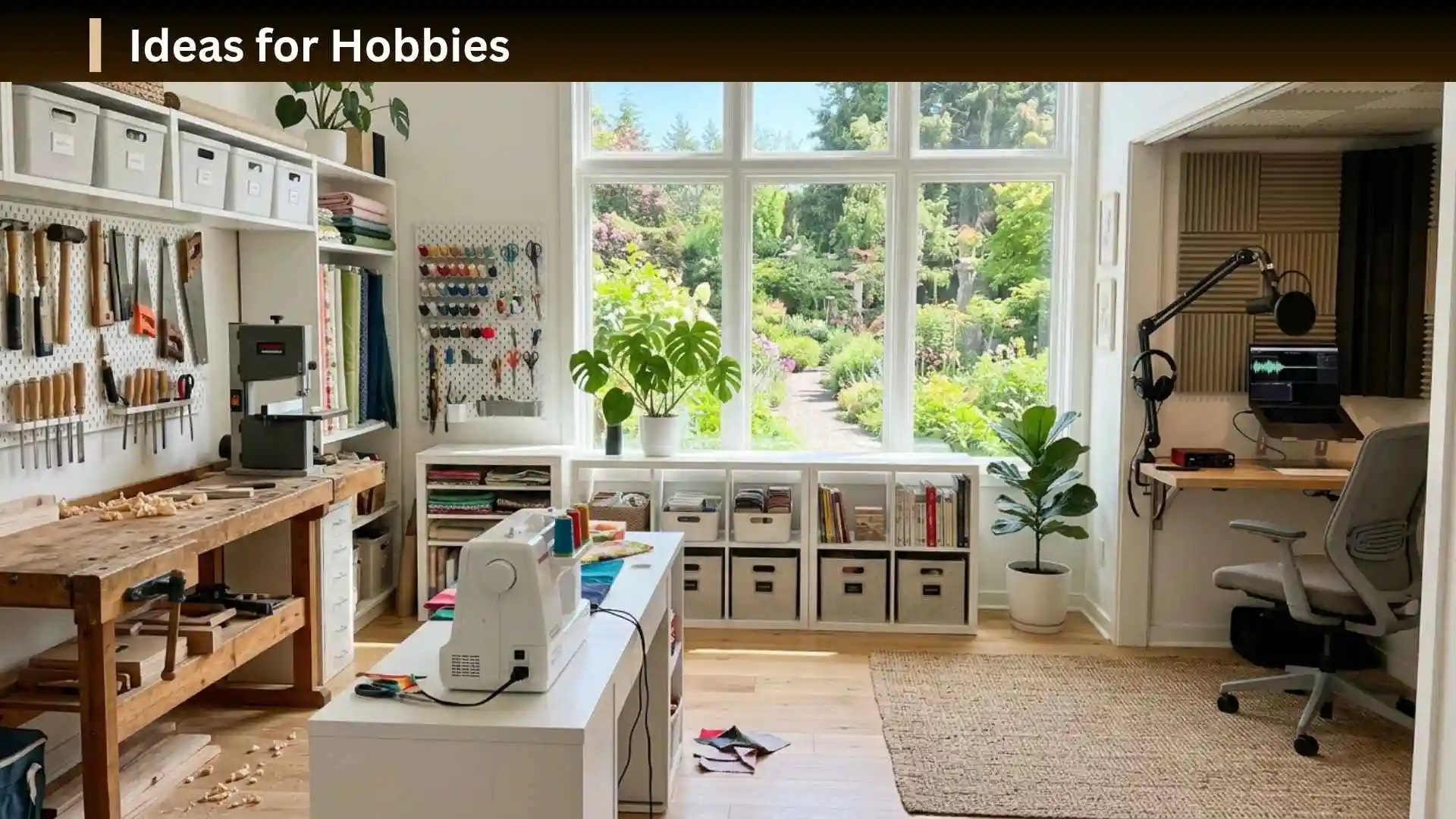
If you are searching for ideas for hobbies, the hardest part is often not finding something to do—it is finding something that actually fits your time, budget, energy level, personality, and interests. A good hobby should be enjoyable enough to return to, practical enough to fit your routine, and interesting enough to keep you curious.
The ideas below cover creative hobbies, hobbies you can do at home, outdoor activities, inexpensive options, social hobbies, skill-building pursuits, and unusual activities. You do not need to commit immediately. Pick one or two that sound genuinely interesting, try them on a small scale, and see what sticks.
What Are Some Good Hobby Ideas(Quick Answer )
Some versatile hobby ideas include:
- Reading
- Journaling
- Photography
- Drawing
- Painting
- Cooking
- Baking
- Gardening
- Hiking
- Walking
- Birdwatching
- Fishing
- Cycling
- Yoga
- Knitting
- Crochet
- Embroidery
- Sewing
- Woodworking
- Pottery
- Playing an instrument
- Learning a language
- Chess
- Puzzles
- Board games
- Scrapbooking
- Calligraphy
- Origami
- Model building
- Collecting
- Volunteering
- Book clubs
- Camping
- Geocaching
- Creative writing
- Podcasting
- Astronomy
- DIY projects
- Candle making
- Rock painting
- Genealogy
The best choice depends on what you want your free time to provide: creativity, movement, relaxation, learning, social connection, achievement, or simply fun.
How to Choose the Right Hobby
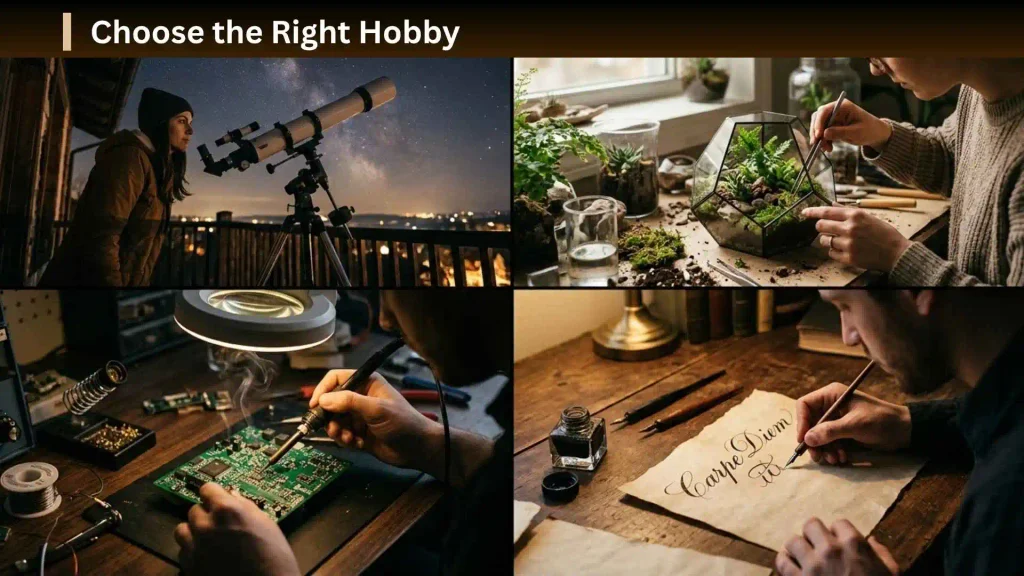
Before buying equipment or signing up for a class, consider four practical questions.
How much time do you realistically have?
A hobby does not need to consume an entire weekend. Reading, sketching, journaling, puzzles, language practice, and crochet can fit into short sessions.
If you only have 20 or 30 minutes available on most weekdays, choose something that can be started and stopped easily.
Do you want to be alone or around people?
Some hobbies are naturally solitary, such as reading, drawing, writing, collecting, and photography.
Others create opportunities to meet people. Examples include:
- Book clubs
- Community theater
- Running or walking groups
- Recreational sports
- Dance classes
- Volunteer work
- Choirs
- Craft groups
- Board-game groups
- Photography clubs
The National Institute on Aging specifically recommends meaningful activities and hobby groups as ways to stay engaged and connected, particularly as people get older.
What is your starting budget?
Some hobbies cost almost nothing to begin with. Others require specialized equipment or lessons.
For example, you can start writing, walking, reading through a library, sketching with basic supplies, or practicing photography with a phone without making a major purchase.
For equipment-heavy hobbies, start with the minimum needed to learn the basics rather than buying an advanced setup immediately.
What do you want from your hobby?
Think about the result you want.
| If you want… | Consider… |
| Creativity | Drawing, painting, writing, photography |
| Relaxation | Reading, gardening, puzzles, knitting |
| Exercise | Hiking, cycling, swimming, dancing |
| Social connection | Clubs, team sports, volunteering |
| Learning | Languages, cooking, astronomy, music |
| Hands-on work | Woodworking, pottery, sewing, DIY |
| Outdoor time | Birdwatching, camping, fishing, gardening |
| A low-cost option | Walking, journaling, reading, sketching |
| A collectible interest | Coins, stamps, books, records, postcards |
| A long-term skill | Musical instruments, cooking, coding, photography |
Creative Ideas for Hobbies
Creative hobbies are a good fit if you enjoy making, designing, decorating, writing, or experimenting.
1. Drawing
You can begin with a pencil and notebook. Practice simple objects, landscapes, faces, animals, or observational sketches.
2. Painting
Try watercolor, acrylic, gouache, or another medium. Beginners can start with small projects rather than attempting a large canvas immediately.
3. Photography
Photography turns everyday surroundings into opportunities for observation and creativity. You can begin with a smartphone before investing in a dedicated camera.
Try photographing:
- Architecture
- Food
- Nature
- Pets
- Local streets
- Landscapes
- Flowers
- Wildlife
- Everyday objects
4. Creative Writing
Write short stories, personal essays, poetry, fictional scenes, or character sketches. You can keep everything private or eventually share your work with a writing group.
5. Journaling
Journaling can be as simple as writing a few sentences about your day, recording ideas, documenting goals, or keeping a gratitude journal.
6. Calligraphy
Calligraphy combines lettering, patience, and visual design. Start with basic strokes and practice sheets before moving to complete projects.
7. Origami
Origami requires very little space and relatively few materials. Start with simple folds and gradually work toward more complicated designs.
8. Scrapbooking
Combine photographs, paper, memorabilia, captions, and decorative elements to preserve memories or document trips and special occasions.
9. Collage Making
Use magazines, printed photographs, paper scraps, fabric, or other materials to create visual compositions.
10. Digital Art
If you enjoy technology, digital illustration and graphic design can turn creativity into a screen-based hobby. You can begin with basic drawing software and gradually learn more advanced techniques.
Ideas for Hobbies You Can Do at Home
You do not need to leave the house to develop an interesting hobby.
11. Reading
Reading is one of the easiest hobbies to adapt to different budgets and interests. Public libraries can also provide access to books without requiring you to purchase every title.
Explore genres such as:
- Mystery
- Science fiction
- Fantasy
- Biography
- History
- Romance
- Memoir
- Personal development
- Travel
- Nonfiction
12. Cooking
Turn everyday meals into a learning project by exploring cuisines, techniques, ingredients, or specific cooking skills.
You could focus on:
- Bread
- Pasta
- Soups
- Regional cuisines
- Vegetarian cooking
- Grilling
- Sauces
- Meal presentation
- Baking
13. Baking
Baking gives you a measurable skill to practice because recipes provide clear ingredients, techniques, and results.
Start with cookies, muffins, simple breads, or cakes before attempting more complicated recipes.
14. Knitting
Knitting can begin with simple scarves, dishcloths, or other small projects. Once you understand basic stitches, you can progress to garments and more complex patterns.
15. Crochet
Crochet is another portable fiber craft. Small projects such as coasters, granny squares, and simple accessories make approachable starting points.
16. Embroidery
Embroidery allows you to decorate fabric with patterns, lettering, flowers, animals, and other designs. Beginner kits can simplify the first project by providing the basic materials together.
17. Sewing
Learn practical skills such as repairing clothing, hemming fabric, making simple bags, or eventually creating garments.
18. Puzzles
Jigsaw puzzles, crosswords, logic puzzles, and number puzzles provide different kinds of challenges. Choose the format that matches your preferred difficulty.
19. Model Building
Build scale models, miniature scenes, vehicles, buildings, or other subjects. Painting and detailing can become hobbies of their own.
20. Home DIY
Small DIY projects can combine creativity with practical skills. Start with manageable projects such as organizing storage, refinishing a small item, or making simple decorations.
21. Candle Making
Candle making can be a hands-on craft involving scents, containers, designs, and finishing techniques. Follow product-specific safety instructions carefully when working with heated wax.
22. Houseplant Care
Growing indoor plants can become a hobby rather than simply a household chore. Learn about different species, lighting conditions, watering needs, propagation, and container selection.
23. Collecting
Collecting can revolve around almost any subject that genuinely interests you.
Possible collections include:
- Coins
- Stamps
- Postcards
- Vinyl records
- Books
- Vintage cameras
- Sports cards
- Rocks and minerals
- Art prints
- Maps
- Movie memorabilia
A good collection does not need to be expensive. The enjoyment can come from researching, organizing, documenting, and finding unusual pieces.
Cheap and Free Ideas for Hobbies
If budget is your biggest concern, start with hobbies that use resources you already have.
24. Walking
Walking can be turned into a hobby by exploring different neighborhoods, parks, trails, or routes.
You can add a theme to make it more engaging, such as photographing interesting architecture or identifying plants along the way.
25. Reading From the Library
Your local public library can make reading, audiobooks, magazines, and other resources accessible without purchasing every item.
26. Journaling
All you need is something to write with and a place to record your thoughts.
27. Sketching
A basic pencil and paper are enough to begin.
28. Learning a Language
Use free introductory resources, library materials, conversation practice, and publicly available learning content before paying for a course.
29. Stargazing
You can begin by observing the night sky with your unaided eyes. Learn major constellations, bright stars, planets, and seasonal changes before deciding whether you need binoculars or a telescope.
30. Geocaching
Geocaching combines outdoor exploration with a location-based treasure-hunting concept. Before participating, learn the rules of the specific platform or community you use and respect private property and local regulations.
31. Birdwatching
Birdwatching can begin from a backyard, balcony, local park, or neighborhood. A notebook or phone can be enough to start recording observations.
32. People Watching and Urban Sketching
Visit an appropriate public location and sketch buildings, objects, or scenes around you. Focus on observation rather than producing perfect artwork.
33. Nature Journaling
Combine writing and outdoor observation by recording plants, weather, wildlife, sketches, and seasonal changes.
Outdoor Ideas for Hobbies
Outdoor hobbies can add exploration and movement to your free time.
34. Hiking
Hiking ranges from short local trails to longer backcountry adventures. Beginners should choose routes appropriate for their experience, weather conditions, and equipment.
35. Gardening
Grow herbs, flowers, vegetables, or container plants. You can adapt gardening to a backyard, patio, balcony, or indoor space.
36. Birdwatching
Birdwatching combines observation, nature, photography, and learning. As your knowledge improves, identifying species can become an ongoing challenge.
37. Fishing
Fishing can be both a recreational activity and a skill-based hobby. Before fishing in the U.S., check the regulations and licensing requirements for the state and location where you plan to fish.
38. Cycling
Cycling can range from casual neighborhood rides to road cycling, mountain biking, touring, or bikepacking.
39. Camping
Camping can be as simple as an organized campground trip or develop into a deeper interest in outdoor skills and trip planning.
40. Kayaking
Kayaking offers a combination of outdoor exploration and physical activity. Beginners should learn basic water safety and choose conditions appropriate for their skill level.
41. Nature Photography
Combine photography with walks, hikes, or visits to parks. You can focus on birds, flowers, landscapes, insects, weather, or seasonal changes.
42. Foraging
Foraging can be fascinating, but it requires significantly more knowledge than simply identifying attractive plants. Never eat a wild plant, mushroom, or other organism unless you can identify it confidently and have verified that it is safe and legal to collect in that location.
Active Ideas for Hobbies
If sitting indoors all day is not appealing, consider hobbies that naturally involve movement.
43. Swimming
Swimming can be recreational, skill-based, competitive, or simply a way to spend time in the water.
44. Dancing
Try ballroom dancing, salsa, swing, line dancing, hip-hop, or another style that interests you.
45. Yoga
Yoga can combine movement, balance, flexibility, and focused practice. Beginners should choose instructions appropriate to their abilities.
46. Running
You can make running a hobby by setting personal goals, exploring routes, joining a running group, or participating in organized events.
47. Pickleball
Pickleball offers a social recreational option that can be played casually or competitively. Beginners can learn the basic rules and techniques before deciding how seriously they want to pursue it.
48. Bowling
Bowling works particularly well as a social hobby because it can be enjoyed casually with friends or as part of a league.
49. Golf
Golf combines outdoor time, technique, practice, and social interaction. Beginners can start with basic instruction and a limited set of equipment.
50. Martial Arts
Martial arts can provide structured skill development and physical activity. Choose a reputable school with appropriate beginner instruction and safety practices.
Social Ideas for Hobbies
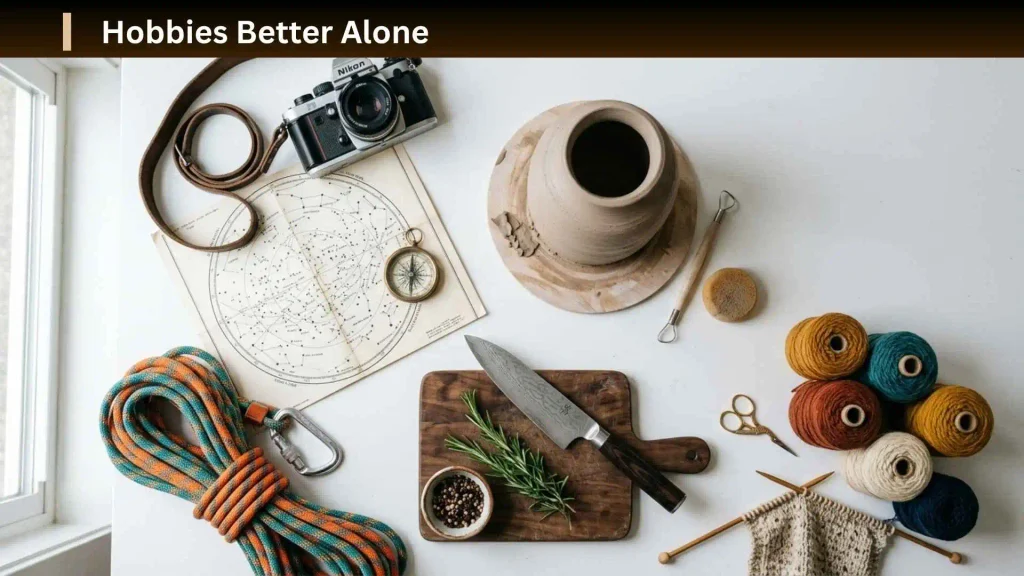
If your main goal is meeting people, choose an activity that creates natural opportunities for repeated interaction.
51. Join a Book Club
Book clubs provide a built-in topic for conversation and a regular meeting schedule.
52. Community Theater
Acting, stage management, costumes, set design, lighting, and other theater roles offer multiple ways to participate even if you do not want to perform.
53. Volunteer Work
Volunteering can become a meaningful long-term interest, especially when you choose an organization or cause that genuinely matters to you.
The National Institute on Aging lists volunteering, community activities, hobby groups, classes, and recreational activities among ways people can remain socially and meaningfully engaged.
54. Community Choir
If you enjoy music and meeting people, a local choir can combine both interests.
55. Board-Game Groups
Board games range from quick casual games to complex strategy games. Local game stores, libraries, community centers, and online communities may offer opportunities to find players.
56. Recreational Sports
Consider soccer, softball, volleyball, basketball, tennis, bowling, pickleball, or another sport available in your area.
57. Dance Classes
Regular classes give you a recurring social environment while allowing you to learn a skill.
58. Photography Clubs
Photography groups can turn an individual hobby into a social activity through photo walks, challenges, critiques, and shared projects.
Learning Based Ideas for Hobbies
A hobby does not have to produce an object. Learning itself can be the activity.
59. Learn a Musical Instrument
Try guitar, piano, ukulele, violin, drums, keyboard, or another instrument that appeals to you.
Start with a realistic practice schedule rather than expecting rapid mastery.
60. Learn a New Language
Choose a language connected to your interests, family background, travel plans, media preferences, or simple curiosity.
61. Astronomy
Learn about planets, stars, constellations, galaxies, and space exploration. You can begin without expensive equipment.
62. Genealogy
Research your family history using public records, historical documents, photographs, and interviews with relatives.
Keep careful records of sources and distinguish documented information from family stories that have not been verified.
63. History
Choose a period, country, event, invention, or historical figure and explore it through books, documentaries, museums, lectures, and primary sources.
64. Cooking as a Skill
Instead of simply preparing meals, study cooking techniques. You might focus on knife skills, sauces, fermentation, bread making, regional cuisines, or food preservation.
65. Coding
Coding can become a creative hobby through websites, games, automation, data projects, or small personal tools.
Begin with one beginner-friendly language or platform instead of trying to learn everything at once.
Unusual Ideas for Hobbies
If traditional hobbies do not appeal to you, try something more specialized.
66. Bonsai
Bonsai combines plant care, design, patience, and long-term observation.
67. Terrarium Building
Create miniature plant environments in suitable containers and learn how different plants respond to humidity, light, and growing conditions.
68. Miniature Painting
Paint miniature figures for tabletop games, displays, or personal collections. Fine detailing makes this a hobby you can continually improve.
69. Leathercraft
Learn basic leatherworking techniques and make small projects such as wallets, key holders, or simple accessories.
70. Wood Carving
Start with beginner-appropriate projects and learn safe tool handling before progressing to more advanced carving.
71. Calligraphy and Hand Lettering
Experiment with different lettering styles and create cards, signs, journals, or artwork.
72. Rock and Mineral Collecting
Explore geology through local rocks, minerals, specimens, and identification resources. Follow collection rules for public lands and protected areas.
73. Amateur Radio
Amateur radio combines technology, communication, electronics, and community. In the United States, operating privileges require following Federal Communications Commission rules, including applicable licensing requirements.
74. Model Railroading
Build miniature railway layouts, scenery, structures, and operating systems. It can develop into a detailed long-term project.
75. Historical Reenactment
Explore a particular historical period through clothing, crafts, research, events, and educational activities. Accuracy and respect for historical context can become an important part of the hobby.
Ideas for Hobbies Based on Your Personality
Sometimes it is easier to choose a hobby based on how you naturally spend your time.
If You Like Quiet Activities
Try:
- Reading
- Writing
- Drawing
- Puzzles
- Knitting
- Gardening
- Photography
- Astronomy
- Collecting
- Model building
If You Like Making Things
Try:
- Woodworking
- Sewing
- Crochet
- Pottery
- Painting
- Jewelry making
- Baking
- DIY projects
- Leathercraft
- Miniature painting
If You Like Competition
Try:
- Chess
- Tennis
- Pickleball
- Bowling
- Running
- Golf
- Table tennis
- Strategy games
- Esports
- Competitive photography challenges
If You Like Being Outdoors
Try:
- Hiking
- Camping
- Fishing
- Cycling
- Gardening
- Birdwatching
- Kayaking
- Nature photography
- Geocaching
- Stargazing
If You Like Meeting People
Try:
- Book clubs
- Dance classes
- Recreational sports
- Volunteer work
- Community theater
- Choir
- Board-game groups
- Photography clubs
- Cooking classes
- Language groups
How to Start a New Hobby Without Giving Up
Finding a hobby is only the first step. The bigger challenge is making it part of your life.
Start Smaller Than You Think
Instead of saying, “I am going to become a photographer,” make the first goal:
“I will take 10 interesting photographs this weekend.”
A small target creates less pressure and gives you a concrete way to test whether you enjoy the activity.
Try Before You Invest
Avoid buying the most expensive equipment immediately.
Borrow supplies, use what you already own, visit a class, try a library program, or purchase an inexpensive starter kit where appropriate.
You are testing the hobby—not proving that you are committed to it.
Give It More Than One Attempt
The first session may feel awkward because you are learning unfamiliar skills.
Give a promising hobby several attempts before deciding it is not for you.
At the same time, do not feel obligated to continue an activity you genuinely dislike.
Schedule It
A hobby that exists only as an intention is easy to postpone.
Put it on your calendar:
- Tuesday: 30 minutes of drawing
- Thursday: 20 minutes of language practice
- Saturday: one photography walk
Consistency matters more than marathon sessions.
Track Progress
Keep photographs of your projects, a practice log, reading list, garden journal, running records, or collection catalog.
Visible progress can make a hobby more rewarding.
Let Your Hobby Change
You may start with photography and discover that you actually prefer wildlife observation.
You may begin baking and realize you are more interested in bread.
You may try gardening and become fascinated by native plants.
A hobby does not need to remain exactly what you first imagined.
How Much Should You Spend on a Hobby?
There is no universally correct hobby budget.
A useful approach is to establish a small trial budget before buying equipment.
For example:
- Start with what you already own.
- Borrow or rent specialized equipment when practical.
- Buy basic supplies.
- Learn the fundamentals.
- Upgrade only when you understand what you actually need.
This prevents a common problem: spending heavily on a hobby before discovering whether you enjoy it.
Are Hobbies Better Alone or With Other People?
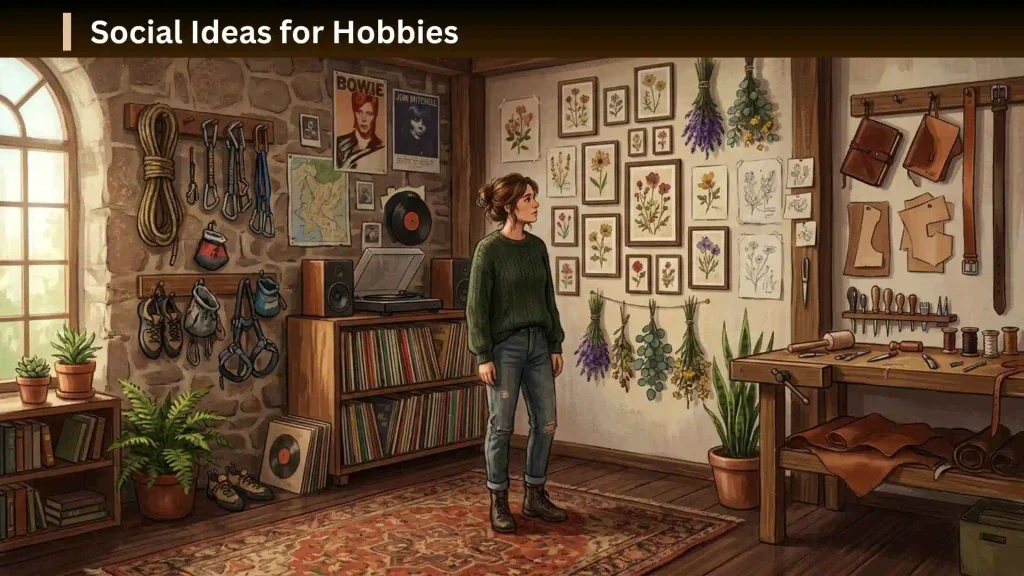
Neither is automatically better.
Solo hobbies can give you uninterrupted time to concentrate, create, read, or explore an interest at your own pace.
Social hobbies can provide community, accountability, conversation, and shared experiences.
You can also combine both.
For example, photography can be practiced alone but also through a photography club. Hiking can be solitary or social. Cooking can be a personal skill or a group activity.
The best arrangement is the one that matches your personality and current needs.
How Many Hobbies Should You Have?
There is no ideal number.
One hobby can be enough if it gives you something meaningful to look forward to.
Some people prefer several hobbies that serve different purposes:
- One creative hobby
- One active hobby
- One relaxing hobby
- One social hobby
This approach can provide variety without requiring every hobby to fit the same role.
The National Institute on Aging also recommends finding a balance that works for the individual rather than treating activities as a competition; enjoyable activities should be fun rather than stressful.
A Simple 7 Day Hobby Experiment
If you cannot decide what to try, use a one-week experiment.
Day 1: Pick Three Ideas
Choose three hobbies from different categories.
For example:
- Drawing
- Walking
- Cooking
Day 2: Try the Easiest One
Spend 20–30 minutes on the hobby requiring the least preparation.
Day 3: Try Something Active
Take a walk, cycle, dance, garden, or try another movement-based activity appropriate for you.
Day 4: Try Something Creative
Make, draw, write, photograph, cook, or build something.
Day 5: Try Something Social
Join an online or local group, attend a class, talk with someone who shares the interest, or participate in a community activity.
Day 6: Repeat Your Favorite
Return to whichever activity you enjoyed most.
Pay attention to whether you are curious to improve rather than simply whether you were immediately good at it.
Day 7: Choose One to Continue
Pick the hobby that best fits your:
- Interest
- Schedule
- Budget
- Energy
- Environment
- Desire to learn
- Desired level of social interaction
Then give it a month rather than constantly searching for another idea.
Common Mistakes When Choosing a Hobby
Choosing Based on What Looks Impressive
A hobby does not need to sound impressive at a dinner party.
If you love puzzles, gardening, baking, or collecting postcards, that is enough.
Buying Too Much Equipment
Expensive gear cannot make an uninteresting hobby enjoyable.
Start with basic equipment and upgrade based on actual needs.
Expecting Immediate Skill
Most hobbies become more enjoyable as you learn.
Being a beginner is part of the process.
Choosing Something That Does Not Fit Your Schedule
A hobby requiring three hours every weekend may fail if your schedule only allows short weekday sessions.
Match the hobby to the life you actually have.
Turning Every Hobby Into a Side Business
Not every enjoyable activity needs to become an income stream.
A hobby can simply be something you do because you like doing it.
FAQs About Ideas for Hobbies
What are some good hobby ideas for adults?
Good hobby ideas for adults include reading, cooking, gardening, photography, hiking, painting, writing, woodworking, knitting, cycling, learning a language, playing music, birdwatching, volunteering, puzzles, and collecting.
The best option depends on your available time, budget, interests, energy, and preference for solo or social activities.
What is a good hobby for someone who has no hobbies?
Start with something easy to test and inexpensive, such as walking, reading, cooking, photography with your phone, drawing, journaling, gardening, puzzles, or learning a language.
Try several activities rather than expecting to identify your perfect hobby immediately.
What are the best cheap hobby ideas?
Some inexpensive hobbies include walking, reading through a library, journaling, sketching, stargazing, birdwatching, photography with a smartphone, creative writing, language learning, and nature observation.
What hobbies can I do at home?
You can read, write, draw, paint, cook, bake, knit, crochet, embroider, sew, garden indoors, complete puzzles, build models, play instruments, learn languages, collect items, practice digital art, or work on DIY projects at home.
What are good hobbies for meeting people?
Book clubs, recreational sports, dance classes, volunteer work, community theater, choirs, photography clubs, board-game groups, cooking classes, and walking groups can all create opportunities for social interaction.
What hobbies can help me learn a useful skill?
Cooking, sewing, woodworking, gardening, photography, coding, public speaking, language learning, musical instruments, DIY projects, and financial or home-management skills can all become hobby-based learning projects.
What is a relaxing hobby?
Relaxing hobbies vary by person, but options include reading, gardening, drawing, knitting, crochet, puzzles, photography, journaling, fishing, birdwatching, and gentle nature walks.
A relaxing hobby should fit your energy level rather than create another source of pressure.
How do I know whether a hobby is right for me?
Ask yourself whether you look forward to doing it, whether it fits your schedule and budget, whether the learning process interests you, and whether you would willingly do it again.
You do not need to be naturally talented at a hobby for it to be worthwhile.
Conclusion
The best ideas for hobbies are not necessarily the most unusual, expensive, or impressive ones. They are the activities that fit naturally into your life and give you a reason to spend your free time doing something you genuinely enjoy.
If you are unsure where to begin, choose one creative activity, one active activity, and one social or learning-based activity. Try each without making a major investment. Then keep the one that makes you curious enough to come back.
A hobby can be as simple as reading for 20 minutes, growing herbs on a windowsill, taking photographs during a walk, learning a few chords on a guitar, or joining a local group. The important part is not finding the perfect hobby immediately—it is giving yourself permission to explore.

I’m James Anderson, a dedicated writer and lifelong learner who enjoys researching topics and explaining them in a practical way. Through my work at Cognivoora, I aim to give readers reliable, easy-to-follow information that helps them learn something new. I always try to keep my writing natural, useful, and focused on the questions readers actually have.
Books:
- A Practical Guide to Better Thinking
- Questions Worth Asking