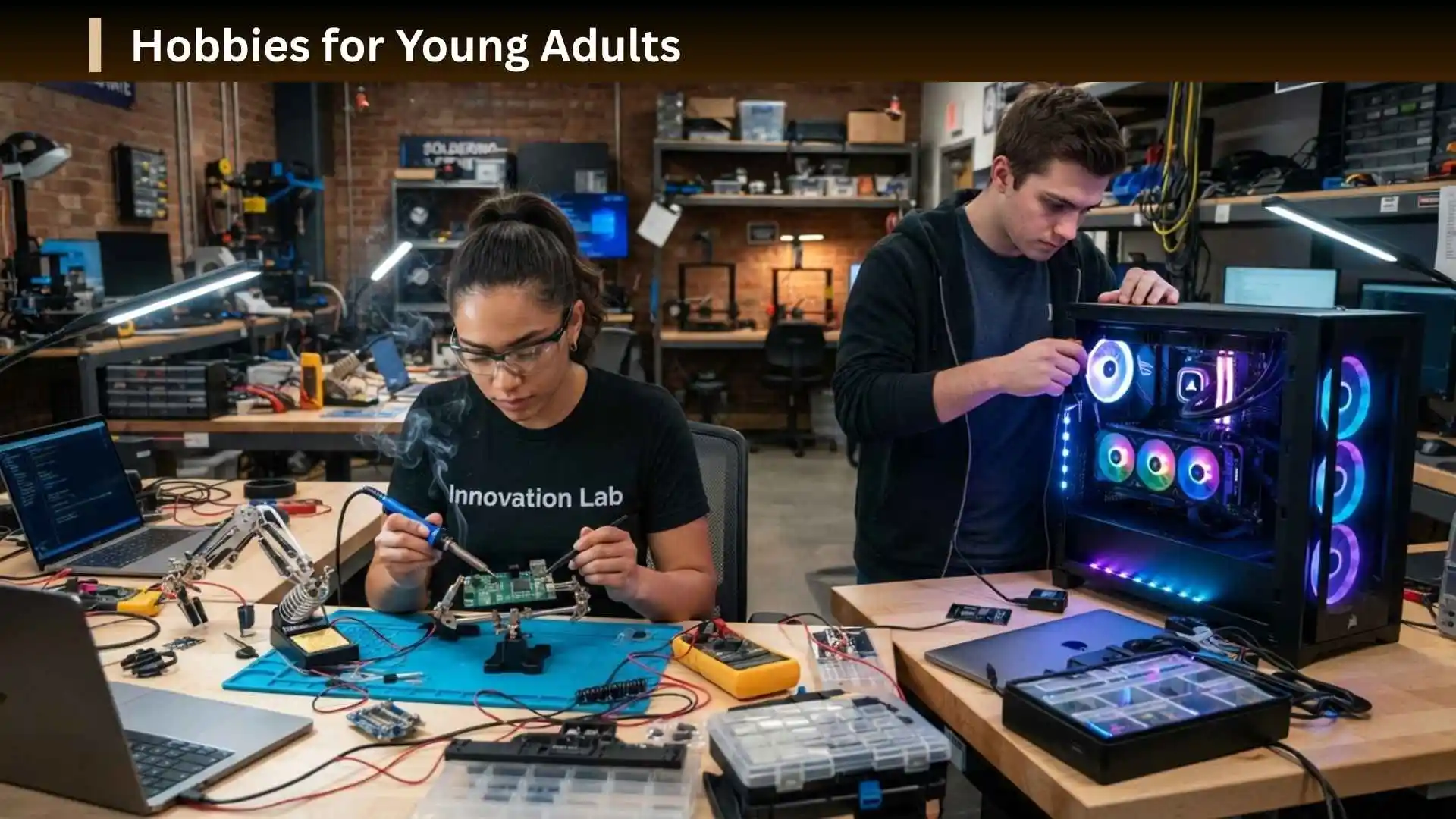
Young adulthood is a time when work, school, relationships, and responsibilities can make free time feel limited. The right hobbies for young adults can provide a healthy way to relax, explore interests, meet people, develop skills, or simply do something enjoyable outside of daily obligations.
The best hobby does not have to be expensive, impressive, or productive. It should fit your interests, available time, budget, and lifestyle. Whether you want something creative, active, social, relaxing, or useful, there are plenty of options to explore.
What Are Good Hobbies for Young Adults?
Good hobbies for young adults are activities that are enjoyable, accessible, and flexible enough to fit around work, college, relationships, and other responsibilities. Some popular choices include photography, hiking, cooking, reading, painting, gaming, gardening, fitness, music, crafts, volunteering, and learning new skills.
The best choice depends on what you want from your free time:
| If you want to… | Consider… |
| Relax after a busy day | Reading, journaling, drawing, puzzles |
| Get more active | Hiking, cycling, running, dancing |
| Meet people | Team sports, clubs, volunteering, classes |
| Be creative | Painting, photography, pottery, writing |
| Learn a useful skill | Cooking, coding, woodworking, sewing |
| Spend less money | Walking, reading, writing, sketching |
| Spend time outdoors | Hiking, gardening, birdwatching, camping |
| Enjoy technology | Gaming, digital art, photography, programming |
| Make something | Baking, crafts, woodworking, model building |
| Explore independently | Geocaching, photography, travel planning |
Best Hobbies for Young Adults

1. Photography
Photography is a versatile hobby because you can start with equipment you may already own, such as a smartphone. You can photograph nature, architecture, food, pets, people, or everyday scenes.
As your skills improve, you can learn about composition, lighting, exposure, editing, and visual storytelling.
Good for: Creative people, beginners, travelers, and anyone who enjoys exploring.
Starting point: A smartphone, free editing software, and regular practice are enough to begin.
2. Hiking
Hiking combines recreation, exploration, and physical activity. It can range from short local walks on maintained trails to longer day hikes.
You do not need to begin with difficult trails. Starting with routes appropriate for your experience and gradually increasing the distance can make the hobby more enjoyable.
Good for: People who enjoy nature, movement, and time away from screens.
Starting point: Comfortable footwear, water, weather-appropriate clothing, and a suitable local trail.
3. Reading
Reading is one of the easiest hobbies to fit into a busy schedule. You can choose fiction, biographies, history, science, personal development, mysteries, fantasy, or almost any subject that interests you.
Libraries and used bookstores can also make reading an inexpensive hobby.
Good for: Quiet evenings, learning, imagination, and relaxation.
Starting point: Choose one book that genuinely interests you rather than forcing yourself to read something because it is considered popular.
4. Cooking
Cooking is both a hobby and a practical life skill. Young adults can experiment with cuisines, baking, meal preparation, sauces, desserts, or specific techniques.
A useful approach is to master a few basic meals first and then gradually try more challenging recipes.
Good for: Creative people, food lovers, and anyone who wants a practical hobby.
Starting point: Learn basic knife skills, simple cooking methods, and a few reliable recipes.
5. Baking
Baking provides a more focused creative activity than everyday cooking. You can experiment with cookies, bread, cakes, pastries, muffins, and other baked goods.
It can also be a social hobby because homemade food can be shared with friends, family, or coworkers.
Good for: Creative people who enjoy following recipes and making tangible results.
Starting point: Begin with simple recipes that require basic kitchen equipment.
6. Drawing and Sketching
Drawing does not require expensive supplies. A pencil and sketchbook can be enough to start.
You can practice still life, landscapes, portraits, cartoons, architecture, or abstract designs. The hobby can be approached casually or developed into a serious artistic skill.
Good for: People who enjoy visual creativity and quiet activities.
Starting point: Practice simple shapes, shading, proportions, and objects around you.
7. Painting
Painting offers many directions, including watercolor, acrylic, oil, and other approaches. Beginners can start with inexpensive supplies before deciding whether they want to invest more heavily.
Painting can be particularly appealing when you want an activity that encourages focused, uninterrupted time.
Good for: Creative expression and experimenting with color and composition.
Starting point: Choose one medium and follow beginner projects instead of buying every type of art supply at once.
8. Journaling
Journaling can be as simple as writing about your day, recording ideas, planning goals, or keeping track of things you want to remember.
There is no requirement to write several pages every day. A few sentences can be enough.
Good for: People who enjoy writing, reflection, planning, or recording memories.
Starting point: Keep a notebook nearby and write whenever you have something worth recording.
9. Creative Writing
Creative writing allows young adults to experiment with short stories, poetry, essays, fictional characters, or personal narratives.
You do not need to plan an entire novel. Writing short pieces can make the hobby easier to maintain when you have limited free time.
Good for: People who enjoy storytelling, imagination, and language.
Starting point: Write a short scene, character description, poem, or one-page story.
10. Playing a Musical Instrument
Learning an instrument is a long-term hobby that can provide a sense of progress as you develop new abilities.
Guitar, piano, keyboard, drums, ukulele, and other instruments can all offer different learning experiences. Beginners can use structured lessons, books, or online educational resources.
Good for: Music lovers who enjoy practicing a skill over time.
Starting point: Choose an instrument you genuinely want to play and establish a manageable practice routine.
11. Singing
Singing can be practiced casually at home or developed through structured lessons, choirs, or community groups.
You can explore different genres and gradually work on pitch, breathing, rhythm, and vocal control.
Good for: Music enthusiasts and people who enjoy performing.
Starting point: Practice basic vocal exercises and sing songs within a comfortable range.
12. Dancing
Dancing can combine music, exercise, creativity, and social interaction. Options include hip-hop, salsa, ballroom, swing, contemporary dance, and many other styles.
You can learn independently or take classes, depending on your preference.
Good for: People who want an active and expressive hobby.
Starting point: Pick a style you enjoy and learn basic movements before progressing to longer routines.
13. Gardening
Gardening can be adapted to different living situations. You do not need a large backyard; containers, balconies, patios, or indoor spaces can support certain plants.
Herbs and other beginner-friendly plants can provide a manageable starting point.
Good for: Nature lovers and people who enjoy hands-on activities.
Starting point: Start with a small number of plants and learn about their light, water, and space requirements.
14. Houseplant Care
For young adults living in apartments or other smaller spaces, houseplant care can be more practical than traditional gardening.
The hobby involves choosing plants, learning their growing requirements, repotting when necessary, and monitoring their condition.
Good for: People who enjoy nature but have limited outdoor space.
Starting point: Choose plants suited to the amount of light available in your home.
15. Cycling
Cycling can be recreational, social, or fitness-oriented. You can ride on local paths, roads where appropriate, or designated cycling routes.
It can also become a way to explore areas around your community.
Good for: Active people and those who enjoy outdoor exploration.
Starting point: Use a properly maintained bicycle and appropriate safety equipment, and choose routes suitable for your experience.
16. Running
Running is accessible because you can often begin without joining a gym. A beginner can start with short walk-run sessions rather than immediately attempting long distances.
Some people eventually work toward recreational races or personal distance goals.
Good for: People who enjoy measurable physical goals and outdoor activity.
Starting point: Begin gradually and use comfortable, appropriate footwear.
17. Yoga
Yoga can be practiced at home or in classes and can range from gentle movement to more physically demanding sessions.
Different styles and instructors offer different experiences, so beginners may need to explore several approaches.
Good for: People seeking movement, flexibility practice, and a structured activity.
Starting point: Learn foundational poses and movements from reliable instruction.
18. Strength Training
Strength training can become a structured hobby rather than simply an exercise routine. You can learn about resistance exercises, technique, programming, and gradual progression.
Beginners should focus on learning proper form and selecting an appropriate level of resistance.
Good for: People who enjoy structured goals and physical training.
Starting point: Learn fundamental movement patterns and use manageable resistance.
19. Board Games
Board games provide a social alternative to passive entertainment. There are strategy games, cooperative games, party games, card-based games, and games designed for two players.
A regular game night can also become a simple way to spend time with friends.
Good for: Social groups, strategic thinkers, and people who enjoy interactive entertainment.
Starting point: Choose games based on the number of players and the amount of complexity your group enjoys.
20. Video Games
Gaming can be a hobby centered on storytelling, competition, strategy, exploration, creativity, or social interaction.
There are many genres, including role-playing games, simulation, strategy, puzzle, sports, adventure, and cooperative games.
Good for: People who enjoy interactive digital entertainment.
Starting point: Choose games based on the experience you want rather than simply following trends.
21. Puzzles
Jigsaw puzzles, logic puzzles, crossword puzzles, and other puzzle formats can provide a focused activity without requiring a large time commitment.
They are especially convenient when you want something quiet to do at home.
Good for: People who enjoy problem-solving and concentration.
Starting point: Select a difficulty level that feels challenging without becoming frustrating.
22. Geocaching
Geocaching combines outdoor exploration with a location-based treasure-hunting concept. Participants search for hidden containers or locations using coordinates and clues.
It can turn an ordinary walk into a more purposeful exploration activity.
Good for: People who enjoy exploration, puzzles, and outdoor activities.
Starting point: Learn the basic rules and begin with easier locations in your area.
23. Volunteering
Volunteering can turn free time into community involvement. Opportunities may include animal shelters, food programs, environmental projects, community events, libraries, and nonprofit organizations.
The right opportunity depends on local availability and your interests.
Good for: People who want a social, purposeful, or community-oriented hobby.
Starting point: Look for organizations whose activities match your schedule and interests.
24. Learning a New Language
Language learning can be approached as a hobby without requiring immediate fluency. You can focus on conversational practice, vocabulary, pronunciation, reading, or understanding another culture.
Regular short sessions are often easier to maintain than occasional long study sessions.
Good for: Travelers, language enthusiasts, and lifelong learners.
Starting point: Choose one language and establish a realistic weekly practice schedule.
25. Coding and Programming
Programming can become a highly engaging hobby for people interested in technology and problem-solving.
Beginners can experiment with websites, simple applications, automation, games, or data projects. You do not need to start with advanced computer science topics.
Good for: Problem-solvers and technology enthusiasts.
Starting point: Choose a beginner-friendly language or development environment and build small projects.
26. Digital Art
Digital art combines traditional artistic ideas with computer or tablet-based tools. You can create illustrations, character designs, concept art, graphics, or abstract work.
A drawing tablet is useful but is not always necessary for getting started.
Good for: Artists interested in digital tools and visual design.
Starting point: Learn basic digital brushes, layers, shapes, and composition.
27. Crafting
Crafting covers a broad range of activities, including paper crafts, crochet, knitting, embroidery, beadwork, candle-making, and decorative projects.
The variety makes it possible to find a craft that fits your personality and budget.
Good for: People who like making physical objects.
Starting point: Choose one craft and complete a small beginner project before purchasing a large collection of supplies.
28. Sewing
Sewing can be both creative and practical. Beginners can learn basic stitches, repairs, alterations, and simple projects before moving toward more complicated garments.
Over time, sewing can develop into a detailed creative skill.
Good for: Makers and people interested in clothing or textile crafts.
Starting point: Learn basic hand stitches or use a beginner-friendly sewing machine project.
29. Knitting or Crochet
Knitting and crochet are portable hobbies that can be practiced while listening to music or watching a show.
You can begin with simple scarves, small accessories, or basic decorative projects.
Good for: People who enjoy repetitive, hands-on creative activities.
Starting point: Learn a few basic stitches and complete a small project before attempting complicated patterns.
30. Model Building
Model building can include scale vehicles, miniature scenes, architecture, figurines, and other detailed projects.
The hobby rewards patience and attention to detail.
Good for: Detail-oriented people and anyone who enjoys constructing things.
Starting point: Pick a beginner-level kit and learn the basic assembly and finishing techniques.
Cheap Hobbies for Young Adults
If cost is a major consideration, you do not need an expensive hobby. Many activities can be started with items you already have.
Some low-cost options include:
- Reading through a public library
- Walking
- Hiking on accessible local trails
- Journaling
- Creative writing
- Sketching with basic pencils
- Photography with a smartphone
- Cooking with existing kitchen equipment
- Birdwatching
- Learning a language
- Puzzles
- Free online educational activities
- Volunteering
- Stargazing
- Exercising at home
- Gardening from seeds or cuttings when appropriate
A useful rule is to start with the minimum equipment required. Give yourself time to decide whether you genuinely enjoy an activity before buying specialized gear.
Hobbies for Young Adults at Home
Home-based hobbies are useful for people with busy schedules, limited transportation, or a preference for quiet activities.
Consider:
- Reading
- Baking
- Cooking
- Painting
- Drawing
- Digital art
- Journaling
- Creative writing
- Gaming
- Puzzles
- Knitting
- Crochet
- Sewing
- Learning an instrument
- Language learning
- Coding
- Photography editing
- Collecting
- Home gardening
- Model building
The biggest advantage of home hobbies is flexibility. Many can be practiced for 15 to 30 minutes instead of requiring an entire free afternoon.
Outdoor Hobbies for Young Adults

If you spend most of your day indoors, an outdoor hobby can provide a different type of experience.
Good choices include:
- Hiking
- Cycling
- Running
- Camping
- Fishing
- Gardening
- Photography
- Birdwatching
- Geocaching
- Stargazing
- Outdoor sketching
- Nature journaling
- Recreational sports
Choose activities based on your local environment, weather, transportation options, and experience level.
Social Hobbies for Young Adults
Some hobbies are especially useful for meeting people because they naturally involve groups.
Team Sports
Basketball, soccer, volleyball, softball, and other recreational sports can provide regular social interaction while keeping the activity centered on a shared goal.
Dance Classes
Dance classes provide a structured environment where you can learn something while interacting with other participants.
Board Game Groups
Local game stores, community organizations, libraries, and informal groups may offer opportunities for regular game sessions.
Volunteering
Volunteering can connect you with people who share an interest in a particular community cause or activity.
Clubs and Classes
Book clubs, photography groups, art classes, language groups, hiking clubs, and other interest-based communities can make socializing easier because conversation naturally starts around the shared activity.
Creative Hobbies for Young Adults
Creative hobbies are a good choice when you want to make, design, write, or express something rather than simply consume entertainment.
Consider:
- Drawing
- Painting
- Photography
- Creative writing
- Poetry
- Digital art
- Pottery
- Sewing
- Crochet
- Knitting
- Woodworking
- Jewelry making
- Music
- Baking
- Video editing
You do not have to consider yourself an “artist” to enjoy a creative hobby. The activity can be valuable simply because you enjoy the process.
Hobbies That Can Build Useful Skills
Some hobbies have a practical learning component that can carry into everyday life.
| Hobby | Skills you can practice |
| Cooking | Food preparation, planning, kitchen techniques |
| Sewing | Repairs, alterations, textile skills |
| Gardening | Plant care, planning, observation |
| Photography | Composition, lighting, editing |
| Coding | Logic, problem-solving, technical skills |
| Woodworking | Measuring, construction, tool use |
| Writing | Communication, storytelling, editing |
| Language learning | Vocabulary, communication, cultural knowledge |
| Music | Rhythm, coordination, practice habits |
| DIY projects | Planning, troubleshooting, making |
A hobby does not need to become a career to be useful. Learning something simply because you want to understand or create it is a legitimate reason to pursue it.
How to Choose the Right Hobby
With so many possibilities, the hardest part can be deciding where to start.
Think About Your Goal
Ask yourself what you want your hobby to provide.
Do you want to:
- Relax?
- Become more active?
- Meet people?
- Make something?
- Learn a skill?
- Spend more time outdoors?
- Reduce screen time?
- Explore a long-term interest?
- Have something enjoyable to look forward to?
Your answer can immediately narrow the choices.
Consider Your Schedule
A hobby that requires two hours of uninterrupted time may not work if your schedule is unpredictable.
If you have limited free time, choose something that can be done in short sessions, such as reading, sketching, journaling, puzzles, or language practice.
Set a Realistic Budget
Decide what you are comfortable spending before purchasing equipment.
Start with basic supplies whenever possible. If the hobby becomes a long-term interest, you can gradually invest in better equipment.
Decide Whether You Want Solitude or Social Interaction
Some people want their hobbies to provide alone time after a busy day. Others want hobbies that help them meet people.
Choose accordingly.
For more solitude: reading, drawing, writing, gardening, puzzles, gaming, photography.
For more social interaction: recreational sports, dance, volunteering, clubs, classes, group hiking, board games.
Try Before Committing
You do not have to identify your lifelong hobby immediately.
Try several activities for a few sessions each. Pay attention to which ones make you curious enough to continue without forcing yourself.
How to Start a New Hobby Without Overspending
Starting a hobby can become expensive when people buy equipment before learning whether they actually enjoy the activity.
A better approach is:
- Choose one activity.
- Identify the minimum supplies needed.
- Use what you already own whenever possible.
- Borrow or rent specialized equipment when practical.
- Learn basic techniques first.
- Complete a small beginner project.
- Decide whether you want to continue.
- Upgrade equipment gradually.
This approach keeps experimentation affordable and reduces clutter from hobbies you may not continue.
How to Make a Hobby Stick
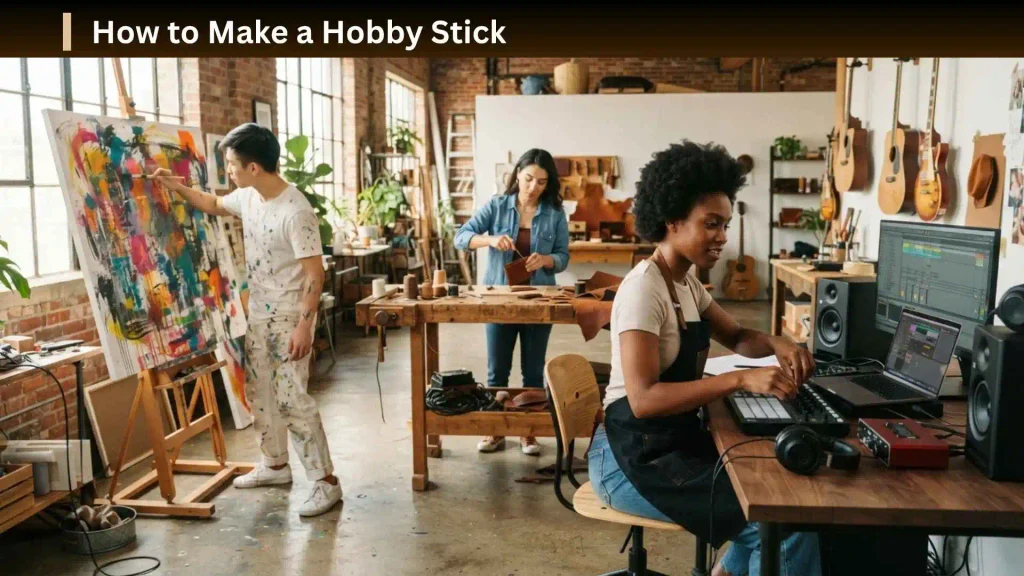
Starting is easy; maintaining an interest is often harder.
Keep the First Goal Small
Instead of deciding to become an expert, choose a simple first milestone.
For example:
- Read one book.
- Complete one painting.
- Cook one unfamiliar recipe.
- Walk one new trail.
- Learn one song.
- Finish one craft project.
- Take ten photographs you genuinely like.
Small accomplishments create a natural opportunity to continue.
Schedule Hobby Time
If you wait until you have “plenty of free time,” the hobby may rarely happen.
A short, consistent period can work better. Even 20 or 30 minutes on certain days can be enough for many hobbies.
Let Your Interests Change
A hobby does not have to last forever. Young adults often move through different interests as their schedules, social circles, living arrangements, and priorities change.
Trying something new is not a failure if you eventually decide it is not for you.
How Many Hobbies Should a Young Adult Have?
There is no ideal number of hobbies. One meaningful hobby may be enough, while another person may enjoy several activities.
A practical combination can be:
- One relaxing hobby for quiet downtime
- One active hobby for movement or outdoor time
- One creative or learning hobby for skill development
- One social hobby if meeting people is a priority
These categories can overlap. For example, photography can be creative and outdoors-oriented, while dancing can be active and social.
Are Hobbies Supposed to Be Productive?
No. A hobby does not need to improve your résumé, generate money, or teach a marketable skill.
Reading fiction, playing a game, collecting something, drawing casually, or spending time gardening can be worthwhile simply because you enjoy doing it.
Productive hobbies can be rewarding, but treating every leisure activity as self-improvement can make free time feel like another obligation.
What If You Don’t Know What You Enjoy?
Start with curiosity rather than trying to find the “perfect” hobby.
Think about activities you enjoyed as a child, subjects you naturally research, things you admire other people doing, or activities you have repeatedly wanted to try.
Then select one inexpensive option and give it a fair trial.
You may discover that you enjoy something completely different from what you expected. That is part of the process.
Frequently Asked Questions
What are the best hobbies for young adults?
The best hobbies depend on individual interests and schedules. Popular options include hiking, photography, reading, cooking, gaming, fitness, creative writing, painting, music, gardening, crafting, volunteering, and learning languages.
What are some hobbies for young adults with no money?
Free or very low-cost options include walking, reading through a library, writing, journaling, sketching with basic supplies, exercising at home, photography with a smartphone, volunteering, learning a language, exploring local areas, and spending time in nature.
What are good hobbies for young adults at home?
Reading, cooking, baking, drawing, painting, gaming, puzzles, journaling, writing, coding, music, language learning, crochet, sewing, digital art, and houseplant care can all work well at home.
What hobbies help young adults meet people?
Team sports, recreational leagues, dance classes, volunteering, book clubs, board game groups, hiking groups, language classes, art classes, and other community activities can provide opportunities for social interaction.
What are good hobbies for introverted young adults?
Quiet hobbies such as reading, writing, drawing, photography, gardening, puzzles, gaming, cooking, collecting, coding, and learning an instrument may appeal to people who prefer spending more time independently.
What are good hobbies for young adults who want to be more active?
Hiking, cycling, running, dancing, swimming, recreational sports, walking, climbing, and strength training are examples of active hobbies. The appropriate choice depends on fitness level, interests, access, and any relevant physical limitations.
Can a hobby become a side business?
Some hobbies can eventually lead to income, such as photography, crafts, baking, writing, art, coding, music, woodworking, or sewing. However, turning a hobby into a business changes the activity by adding customers, costs, deadlines, marketing, and other responsibilities. It can be useful to keep the hobby enjoyable rather than feeling pressure to monetize everything.
How do I find a hobby I actually enjoy?
Try several activities on a small scale instead of making a large investment immediately. Consider whether you enjoy the process itself, whether you look forward to doing it again, and whether it fits your available time and budget.
Conclusion
The best hobbies for young adults are not necessarily the most popular or impressive ones. A good hobby is one that fits your life and gives you a reason to spend your free time in a way you genuinely enjoy.
If you want something inexpensive, try reading, walking, writing, sketching, photography, or volunteering. If you want to meet people, consider sports, classes, clubs, dance, or group activities. For creativity, explore painting, music, crafts, cooking, photography, or digital art. If you want a practical skill, try cooking, gardening, sewing, coding, or woodworking.
Start small, avoid buying unnecessary equipment, and give yourself permission to experiment. You do not need to find one perfect lifelong hobby. Exploring different interests is itself part of discovering what makes your free time more enjoyable.

I’m James Anderson, a dedicated writer and lifelong learner who enjoys researching topics and explaining them in a practical way. Through my work at Cognivoora, I aim to give readers reliable, easy-to-follow information that helps them learn something new. I always try to keep my writing natural, useful, and focused on the questions readers actually have.
Books:
- A Practical Guide to Better Thinking
- Questions Worth Asking