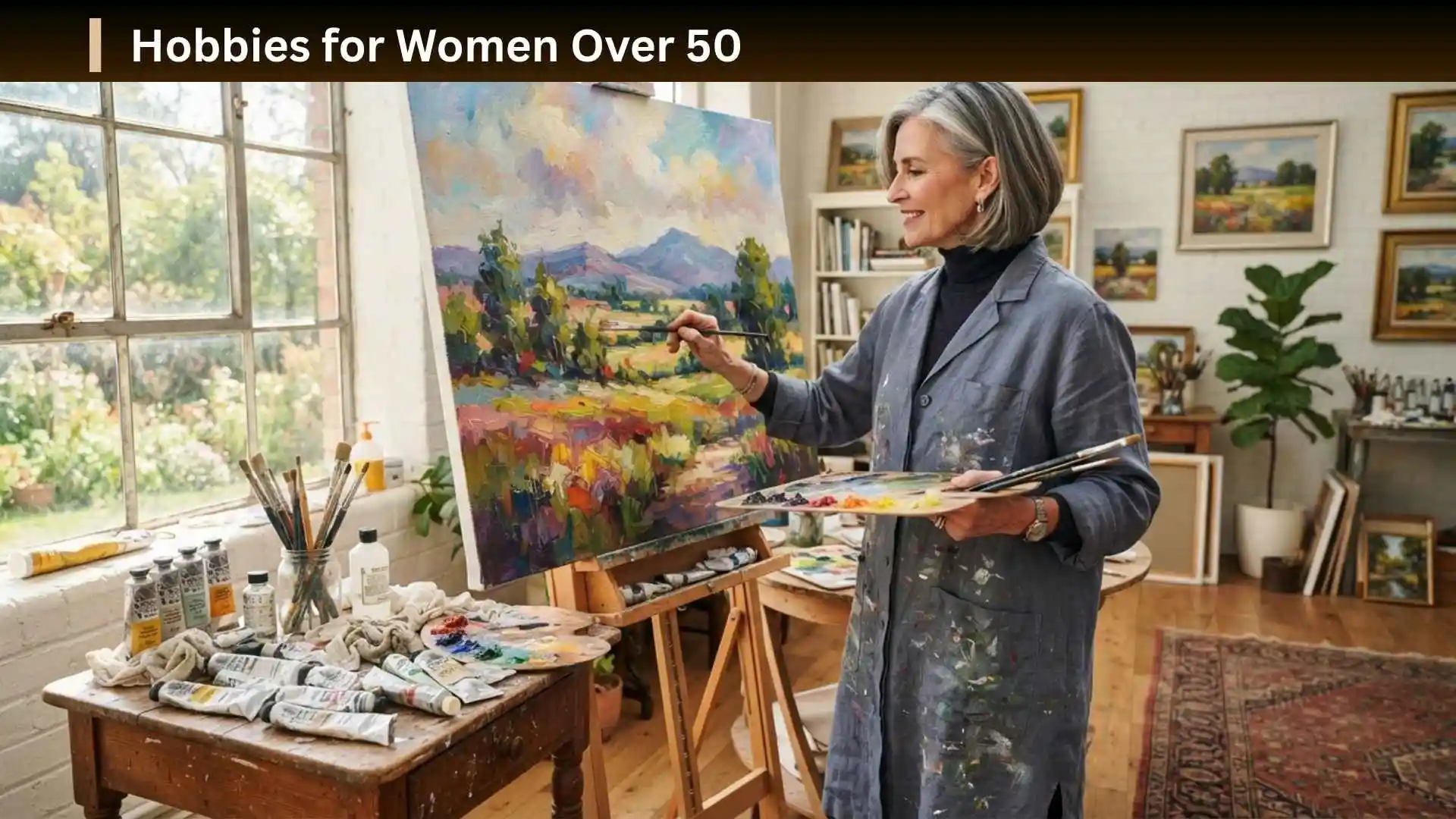
Turning 50 can be a great time to explore hobbies that fit your interests, schedule, budget, and lifestyle. The best hobbies for women over 50 are not limited to traditionally “creative” activities. They can include gardening, reading, walking, photography, crafting, volunteering, cooking, learning new skills, music, and many other pursuits.
Whether you want something relaxing to do at home, a way to stay socially connected, a creative outlet, or simply something new to look forward to each week, there are plenty of options to choose from.
What Are the Best Hobbies for Women Over 50?
The best hobby depends on what you want from your free time. Some women prefer quiet, independent activities, while others enjoy hobbies that involve friends, groups, travel, or learning.
Here are some popular options to consider:
| Hobby | Best For | Typical Setting | Cost to Start |
| Gardening | Nature lovers | Outdoors | Low to moderate |
| Reading | Relaxation and learning | Indoors | Low |
| Walking | Movement and fresh air | Outdoors | Low |
| Painting | Creative expression | Indoors | Low to moderate |
| Photography | Exploring and creativity | Indoor/outdoor | Low to high |
| Knitting | Relaxing handcraft | Indoors | Low to moderate |
| Baking | Food and creativity | Kitchen | Low to moderate |
| Birdwatching | Nature observation | Indoor/outdoor | Low to moderate |
| Journaling | Reflection and writing | Indoors | Very low |
| Volunteering | Community and connection | Community settings | Usually free |
| Genealogy | Family history | Indoors/online | Low to moderate |
| Sewing | Making and repairing | Indoors | Moderate |
| Learning an instrument | Music and learning | Indoors/groups | Moderate |
| Travel planning | Exploration | Anywhere | Low to start |
| Puzzles | Quiet mental activity | Indoors | Low |
The right choice is usually the one you are genuinely curious about and can realistically fit into your life.
Relaxing Hobbies for Women Over 50
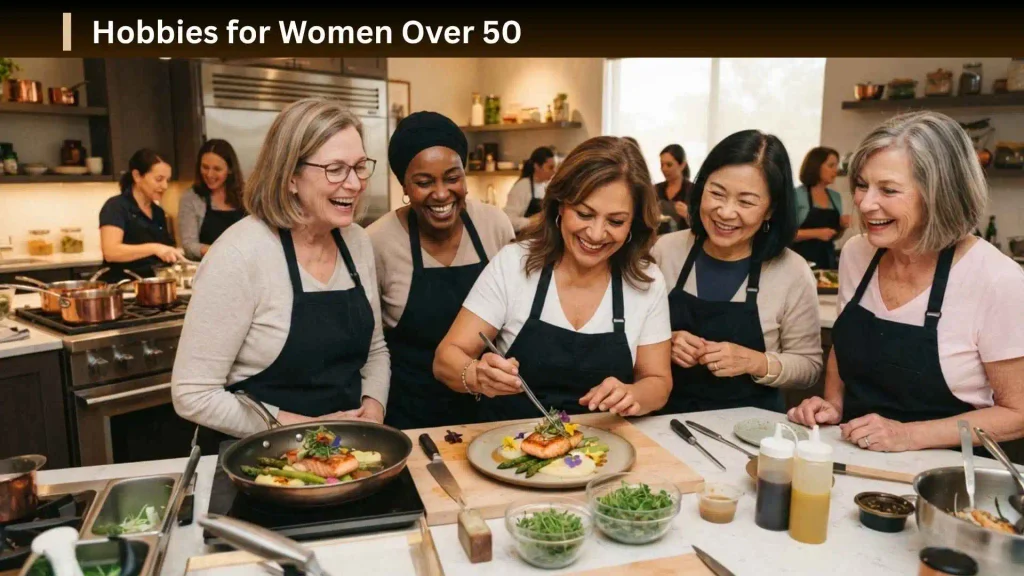
If your main goal is to slow down, enjoy your personal time, and have an activity that does not require a demanding schedule, consider hobbies with a calm and flexible pace.
Reading
Reading is an accessible hobby that can be adapted to almost any schedule. You might read novels, biographies, history, mysteries, memoirs, travel books, or nonfiction about subjects you want to understand better.
You can also make reading more social by joining a local or online book club.
Gardening
Gardening can combine time outdoors with a hands-on creative project. You do not need a large yard to begin. Container gardening, herbs, flowers, raised beds, and small vegetable gardens can all work in different spaces.
Start with a manageable number of plants rather than creating a garden that becomes difficult to maintain.
Journaling
Journaling can be as simple as writing for a few minutes about your day, recording ideas, keeping a gratitude list, documenting travel memories, or working on personal goals.
There is no requirement to write in a particular style. A notebook and pen are enough to begin.
Puzzles
Crossword puzzles, jigsaw puzzles, logic puzzles, word searches, and number puzzles provide quiet entertainment and can be enjoyed alone or with family and friends.
If you enjoy completing physical projects, jigsaw puzzles can also become a relaxing screen-free pastime.
Coloring
Adult coloring books provide an easy creative activity without requiring advanced artistic skills. Colored pencils, markers, or other suitable supplies can be combined with different styles of coloring books to create a simple hobby at home.
Creative Hobbies for Women Over 50
Creative hobbies can be especially appealing if you want to make something tangible rather than simply consume entertainment.
Painting
You can explore watercolor, acrylic painting, oil painting, or other approaches depending on your interests and workspace.
Beginners do not need a large collection of supplies. Starting with one medium can make learning easier and keep initial costs reasonable.
Drawing
Drawing is another flexible option. You can practice sketching objects around your home, landscapes, flowers, people, or illustrations.
A basic sketchbook and pencils are enough for many beginner exercises.
Knitting and Crochet
Knitting and crochet can produce practical or decorative items such as scarves, blankets, hats, dishcloths, and gifts.
They also offer plenty of room for progression. You can start with simple patterns and gradually learn more complicated stitches and techniques.
Sewing
Sewing can be both creative and practical. Beginners can start with straightforward projects such as pillow covers, simple bags, fabric accessories, or basic clothing repairs.
If you already have access to a sewing machine, you can begin without making a major equipment investment.
Quilting
Quilting offers a deeper long-term creative project for women who enjoy fabric, color, patterns, and detailed work.
A quilting project can be completed gradually, making it suitable for someone who prefers a hobby that develops over weeks or months.
Jewelry Making
Beading and jewelry making can be started with relatively small projects. You can experiment with beads, wire, findings, colors, and different design styles.
This hobby can also become a gift-making activity.
Scrapbooking
Scrapbooking can turn photographs, cards, travel memories, and family keepsakes into organized creative projects.
Digital scrapbooking is another option if you prefer working on a computer rather than with physical paper and supplies.
Hobbies to Do at Home
Not every hobby requires leaving the house. If you prefer activities that can be done in your own space, these are worth considering.
- Reading
- Writing
- Journaling
- Painting
- Drawing
- Knitting
- Crochet
- Sewing
- Quilting
- Baking
- Cooking
- Scrapbooking
- Puzzles
- Indoor gardening
- Learning a language
- Genealogy
- Playing an instrument
- Photography
- Collecting
- Online classes
One advantage of home-based hobbies is that you can often work on them for 15 or 20 minutes rather than needing to dedicate an entire afternoon.
Social Hobbies for Women Over 50
If you want a hobby that helps you meet people or spend more time with existing friends, look for activities that naturally create opportunities for conversation and shared projects.
Book Clubs
Book clubs combine reading with regular social interaction. You can join an established group through a library, community organization, bookstore, or online community.
Volunteering
Volunteering can turn an interest into a regular community activity. Possible areas include libraries, animal organizations, community programs, museums, food assistance organizations, schools, and local events.
Choose an organization whose mission and schedule suit you.
Group Classes
Local community centers, recreation programs, art studios, libraries, and educational organizations may offer classes in crafts, cooking, photography, dance, technology, or other subjects.
A class can be particularly useful if you enjoy learning alongside other beginners.
Walking Groups
A walking group can add a social component to an activity that might otherwise be done alone. Local parks, community organizations, and informal groups may provide opportunities to participate.
If you have health or mobility concerns, choose an activity level appropriate for you and follow advice from your healthcare professional when necessary.
Craft Groups
Knitting circles, quilting groups, sewing clubs, and other craft communities allow you to work on your own projects while sharing ideas with others.
The social aspect can be just as important as the craft itself.
Outdoor Hobbies for Women Over 50
Outdoor hobbies can provide a reason to explore parks, gardens, neighborhoods, and natural areas.
Birdwatching
Birdwatching can begin in your own backyard or a nearby park. Binoculars and a bird identification guide or app can help you learn to recognize different species.
The hobby can remain casual or become a detailed pursuit involving photography, species lists, and nature trips.
Nature Photography
Photography can turn walks and outdoor excursions into creative projects. You can photograph flowers, landscapes, wildlife, architecture, seasonal changes, or everyday details.
You do not necessarily need a dedicated camera; a smartphone can be enough to learn basic composition and develop your eye.
Hiking
For women who enjoy exploring nature, hiking can range from short, easy trails to more demanding routes.
Choose trails according to your current fitness, experience, weather conditions, and equipment. If you are new to hiking, starting with short, well-maintained trails can make the experience more manageable.
Kayaking
Kayaking can be an enjoyable outdoor hobby for people who have access to suitable waterways and instruction. Because conditions and equipment requirements vary, beginners should learn basic safety practices and understand local rules before going out.
Nature Sketching
Nature sketching combines outdoor observation with drawing. You can take a small sketchbook into a garden, park, or other suitable outdoor location and draw plants, birds, buildings, or landscapes.
Hobbies for Women Over 50 Who Want to Learn Something New
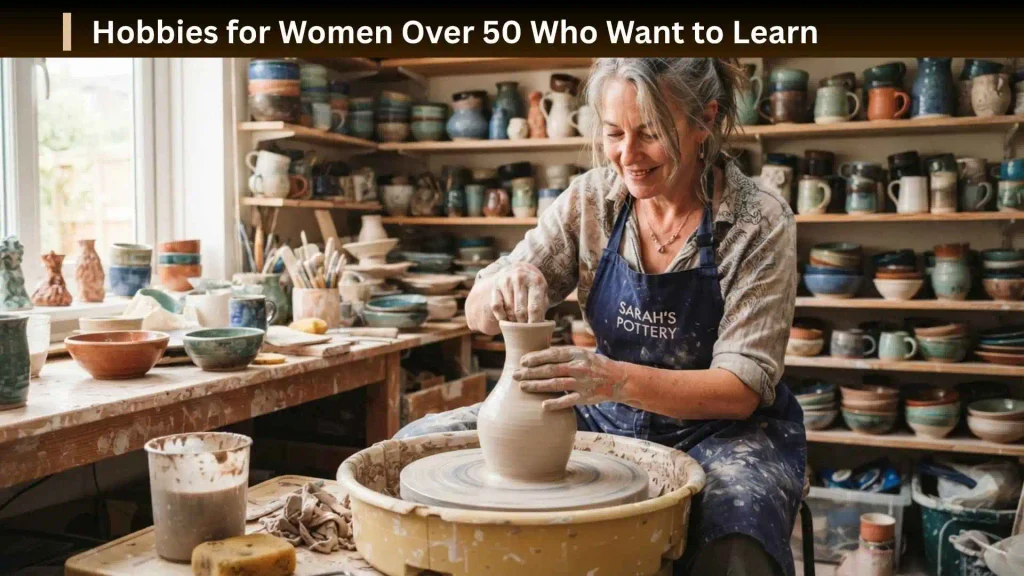
A hobby does not have to be something you already know how to do. In fact, learning can be the most interesting part.
Learn a New Language
Language learning can be approached through books, apps, classes, conversation groups, or a combination of methods.
Choose a language connected to something meaningful to you, such as travel, family heritage, literature, music, or a future trip.
Learn to Play an Instrument
You can learn piano, guitar, ukulele, keyboard, or another instrument according to your interests and circumstances.
Consider starting with an instrument that fits your available space and budget. Regular short practice sessions are often easier to maintain than occasional long sessions.
Take an Online Course
Online learning opens up subjects that may not be available locally. Possible topics include art, history, writing, photography, cooking, technology, design, literature, and languages.
Look for courses that match your current skill level and preferred learning style.
Study Family History
Genealogy can turn family stories and old photographs into a long-term research project.
You can organize documents, interview relatives, build a family tree, research historical records, and preserve photographs or stories for future generations.
Hobbies for Women Over 50 on a Budget
You do not need to spend a lot of money to develop an enjoyable hobby.
Some inexpensive choices include:
- Walking
- Reading library books
- Journaling
- Writing
- Drawing
- Nature observation
- Birdwatching
- Photography with a smartphone
- Puzzles
- Gardening from seeds
- Cooking
- Baking
- Learning through free educational resources
- Volunteering
- Local hiking
- Letter writing
Before buying specialized equipment, try the hobby using basic supplies or borrowed equipment when possible.
This is particularly useful for hobbies that can become expensive once you move beyond the beginner stage.
Hobbies That Can Be Done Alone
Some people genuinely enjoy solitary hobbies, especially when their daily lives already involve a lot of social interaction.
Good options include:
- Reading
- Writing
- Painting
- Drawing
- Photography
- Gardening
- Genealogy
- Sewing
- Knitting
- Crochet
- Baking
- Cooking
- Collecting
- Puzzles
- Birdwatching
- Journaling
- Learning a language
- Playing an instrument
A solitary hobby does not have to mean isolation. You can enjoy the activity independently and still discuss it with online communities, friends, or local groups.
Hobbies for Women Over 50 Who Want More Social Connection
If social connection is an important part of your goal, prioritize hobbies where people regularly meet.
Consider:
- Book clubs — Good for people who enjoy discussion and reading.
- Volunteer organizations — Useful if you want your hobby to contribute to your community.
- Craft groups — Suitable for people who enjoy making things while chatting.
- Dance classes — A structured way to learn and interact with others.
- Choirs — Combine music, practice, and group participation.
- Community classes — Offer opportunities to meet people with similar interests.
- Walking groups — Add a social element to outdoor activity.
- Travel groups — Can appeal to people who enjoy exploring with others.
The best social hobby is usually one where you will encounter the same people regularly. Repeated participation makes it easier to develop genuine connections.
Hobbies That Can Grow Into Side Projects
A hobby does not have to become a business, but some activities can eventually produce items or skills that you may choose to share or sell.
Potential examples include:
- Sewing
- Quilting
- Jewelry making
- Photography
- Baking
- Painting
- Handmade cards
- Crochet
- Knitting
- Writing
- Gardening
- Crafting
If you are considering selling something you make, treat the business side separately from the hobby itself. Think about material costs, equipment, time, packaging, platform fees, taxes, and realistic demand before assuming a hobby will generate profit.
How to Choose the Right Hobby
With so many options, choosing one can be harder than starting one. A simple way to narrow your choices is to consider five questions.
1. Do You Want Relaxation or Stimulation?
If you want something calming, consider reading, gardening, knitting, coloring, journaling, or puzzles.
If you want a challenge, consider genealogy, learning a language, photography, playing an instrument, or taking a structured course.
2. Do You Prefer Being Alone or With People?
For independent activities, look at reading, writing, painting, gardening, or puzzles.
For social activities, consider clubs, classes, volunteering, group crafts, dancing, or community activities.
3. How Much Time Do You Have?
A hobby should fit your actual schedule.
If you have limited free time, choose something you can easily pause and resume. If you have several free hours each week, you can consider projects that require more preparation.
4. What Is Your Budget?
Some hobbies cost almost nothing to start. Others require equipment, lessons, materials, or membership fees.
Set a starting budget before purchasing supplies, especially if you are experimenting with an unfamiliar hobby.
5. What Have You Always Wanted to Try?
Your 50s and beyond can be an opportunity to explore interests you previously postponed.
Think about activities you have admired in other people, places you have wanted to visit, skills you wished you had learned, or creative projects you have repeatedly considered.
How to Start a New Hobby Without Getting Overwhelmed

Starting too ambitiously can turn an enjoyable hobby into another obligation.
Try this approach:
Start With One Hobby
Choose one activity rather than attempting five new hobbies at once.
Give yourself enough time to discover whether you actually enjoy it.
Buy Only the Basics
Avoid purchasing a complete collection of supplies before you know whether the hobby suits you.
Start with the equipment needed for a simple beginner project.
Set a Small Goal
Instead of saying, “I want to become a painter,” choose a manageable first goal such as completing one simple painting.
Small accomplishments make it easier to continue.
Schedule Hobby Time
Put your hobby on your calendar if your days tend to become busy.
Even a short, consistent session can give the hobby a regular place in your routine.
Give Yourself Permission to Quit
Not every hobby will be a good fit.
If you try something several times and consistently dislike it, there is nothing wrong with moving on to another activity.
The purpose of a hobby is to add something worthwhile to your life—not create another source of pressure.
How to Turn a Hobby Into a Regular Part of Your Life
Finding a hobby is only the beginning. The challenge is often making it sustainable.
Choose a convenient location for your supplies so you can begin without extensive setup. Keep projects at a realistic difficulty level, and avoid turning every session into a productivity goal.
You can also create a simple rhythm, such as reading before bed, gardening on weekend mornings, attending a weekly class, or working on a craft project several evenings a week.
If motivation decreases, change the project rather than abandoning the entire hobby. For example, a gardener can try herbs instead of flowers, while a reader can switch from nonfiction to mysteries.
Frequently Asked Questions
What are good hobbies for women over 50?
Good hobbies include gardening, reading, walking, painting, photography, knitting, crochet, sewing, baking, birdwatching, journaling, genealogy, volunteering, puzzles, music, and learning new skills. The best option depends on your interests, available time, budget, and whether you prefer solitary or social activities.
What are inexpensive hobbies for women over 50?
Reading through a library, walking, journaling, drawing, writing, nature observation, smartphone photography, volunteering, puzzles, and learning through free resources can all be inexpensive ways to start a hobby.
What are good hobbies for women over 50 to do at home?
Reading, painting, drawing, knitting, crochet, sewing, quilting, baking, cooking, journaling, puzzles, genealogy, scrapbooking, playing an instrument, and learning a language can all be adapted to home use.
What are good social hobbies for women over 50?
Book clubs, volunteer activities, craft groups, community classes, walking groups, choirs, dance classes, and travel groups can provide regular opportunities to interact with other people.
What are creative hobbies for women over 50?
Painting, drawing, photography, sewing, quilting, knitting, crochet, jewelry making, scrapbooking, pottery, writing, and baking are examples of creative hobbies with different levels of cost and difficulty.
Can I start a new hobby after 50 even if I am a complete beginner?
Absolutely. Many hobbies can be learned from the beginning through books, classes, tutorials, practice groups, or guided lessons. Starting as a beginner can also help you choose an activity based on genuine interest rather than previous experience.
What is a good hobby for someone who wants to stay mentally engaged?
Reading, writing, genealogy, learning a language, playing an instrument, puzzles, photography, and taking educational courses can provide opportunities to learn, practice, solve problems, or develop new skills.
How do I choose between several hobbies?
Compare each option based on four practical factors: how interested you are, how much time it requires, what it costs to start, and whether it fits the way you prefer to spend your free time. If two options still seem appealing, try both on a small scale before investing heavily in either one.
Conclusion
The best hobbies for women over 50 are not defined by age. They are activities that fit your interests, circumstances, personality, and the kind of life you want to create.
You might choose gardening for time outdoors, reading for quiet enjoyment, painting for creativity, genealogy for family history, volunteering for community involvement, or a class or club for social connection. You can also experiment with several activities until you find one that genuinely holds your interest.
Start small, keep the commitment manageable, and choose something you look forward to doing. A good hobby does not need to be impressive or productive—it simply needs to make your time more enjoyable and meaningful.

I’m Ethan Mitchell, a curious writer who enjoys turning complex ideas into simple, useful information. At Cognivoora, I focus on creating clear and engaging content that readers can understand and apply in everyday life. I believe good writing should educate, answer real questions, and leave readers with something valuable to remember.
Books:
- The Everyday Mind
- Simple Ideas, Better Thinking