College is a busy time filled with classes, assignments, friendships, work, and new experiences. Having a hobby can give you something enjoyable to look forward to outside your academic responsibilities. The best hobbies for college girls are not necessarily expensive or complicated—they can be creative, relaxing, social, active, skill-building, or simply fun.
Whether you want a hobby you can enjoy in a dorm room, something to do with friends, a productive skill for your free time, or an activity that helps you unplug from your phone, there are plenty of options to explore.
What Are the Best Hobbies for College Girls(Quick Answer)
Some of the best hobbies for college girls include journaling, reading, photography, painting, drawing, baking, cooking, crocheting, knitting, yoga, hiking, dancing, gardening, learning an instrument, creative writing, volunteering, scrapbooking, thrift-flipping, fitness, and learning a new language.
The right hobby depends on what you want from your free time. If you want relaxation, try reading or journaling. If you want creativity, explore painting, photography, or crochet. If you want to meet people, consider dance classes, intramural sports, volunteering, or a campus club.
How to Choose a Hobby in College
Before choosing a hobby, think about what you want it to add to your life.
Consider Your Schedule
College schedules can change from semester to semester. A hobby that requires several hours every week may be difficult during midterms or finals.
Low-commitment hobbies such as reading, sketching, journaling, photography, or baking can be easier to fit around classes.
Think About Your Budget
Some hobbies require specialized equipment, while others cost almost nothing.
For a budget-friendly option, consider:
- Walking or hiking
- Journaling
- Reading library books
- Drawing
- Creative writing
- Meditation
- Photography with your phone
- Learning a language through free resources
- Volunteering
- Campus clubs
Decide Whether You Want to Be Alone or Social
Some students prefer hobbies that provide quiet time alone, while others want activities that help them make friends.
For a social hobby, try:
- Dance
- Intramural sports
- Book clubs
- Volunteering
- Campus organizations
- Cooking with friends
- Craft nights
- Photography groups
For more personal downtime, consider:
- Reading
- Journaling
- Painting
- Crochet
- Puzzles
- Baking
- Writing
- Gardening
35+ Hobbies for College Girls
1. Reading
Reading is an easy hobby to start because you can do it almost anywhere. You can read novels, memoirs, biographies, poetry, essays, graphic novels, or nonfiction.
A campus library can make reading especially affordable. You can also create a small personal reading challenge, such as finishing one book each month.
Best for: Relaxation, imagination, and quiet time
Cost: Free to low-cost
Equipment: A book or e-reader
2. Journaling
Journaling can be a simple way to document college life, organize your thoughts, record goals, or reflect on your experiences.
You do not need a complicated system. A notebook and pen are enough. You could write about your day, keep a gratitude journal, record memorable moments, or create a list of things you want to accomplish.
Best for: Reflection and creativity
Cost: Low
Equipment: Notebook and pen
3. Photography
Photography turns ordinary moments into opportunities to notice your surroundings. You do not need a professional camera to begin. A smartphone can be enough for learning basic composition and experimenting with different subjects.
Try photographing campus architecture, nature, food, friends, sunsets, events, or interesting details around your city.
Best for: Creativity and exploring your surroundings
Cost: Free to moderate
Equipment: Smartphone or camera
4. Painting
Painting can be a relaxing creative outlet after a long day of classes. Watercolors, acrylics, and gouache are all possibilities.
If you live in a dorm, small painting projects may be more practical than large canvases. You can also experiment with painting bookmarks, postcards, small canvases, or decorative objects.
Best for: Creative expression
Cost: Low to moderate
Equipment: Paint, brushes, and a suitable surface
5. Drawing or Sketching
Drawing is another hobby that requires relatively little space. Keep a small sketchbook in your backpack and draw whenever you have spare time.
You can practice portraits, buildings, plants, fashion sketches, cartoons, or simple everyday objects.
Best for: Artistic practice
Cost: Low
Equipment: Pencil and sketchbook
6. Creative Writing
If you enjoy storytelling, creative writing can become a rewarding college hobby.
You could write short stories, poetry, personal essays, fictional scenes, or even start a collection of ideas for a future novel. Joining a campus writing group can also make the hobby more social.
Best for: Storytelling and self-expression
Cost: Free to low-cost
Equipment: Notebook or computer
7. Baking
Baking can be both creative and practical. Try cookies, muffins, brownies, breads, cupcakes, or simple desserts.
If you live in a dorm without access to a full kitchen, check your residence rules and use shared kitchen facilities where available.
Best for: Creativity and sharing food
Cost: Low to moderate
Equipment: Kitchen access and basic ingredients
8. Cooking
Learning to cook during college can give you a useful lifelong skill while making everyday meals more interesting.
Start with simple recipes rather than trying to master complicated dishes immediately. You can gradually learn techniques such as roasting vegetables, making sauces, preparing rice and pasta, or cooking basic proteins.
Best for: Practical skills and creativity
Cost: Low to moderate
Equipment: Kitchen access and basic cookware
9. Crochet
Crochet is a portable craft that can be practiced in a dorm room, apartment, or while relaxing between activities.
Beginners can start with simple projects such as scarves, coasters, small bags, headbands, or granny squares.
Best for: Relaxing creative projects
Cost: Low
Equipment: Crochet hook and yarn
10. Knitting
Knitting is another fiber craft that can become both relaxing and creative.
You can begin with basic stitches and eventually make scarves, hats, sweaters, blankets, or other handmade items.
Best for: Patience and creativity
Cost: Low to moderate
Equipment: Knitting needles and yarn
11. Embroidery
Embroidery lets you decorate fabric using thread and simple stitches. It is especially suitable if you enjoy detailed crafts but do not have much space.
Small embroidery projects can also become personalized gifts for friends and family.
Best for: Detailed crafts
Cost: Low
Equipment: Embroidery hoop, fabric, needles, and thread
12. Scrapbooking
College creates plenty of memories worth preserving. Scrapbooking gives you a creative way to organize photographs, tickets, notes, cards, and other small keepsakes.
You can create a traditional physical scrapbook or make digital memory books.
Best for: Preserving memories
Cost: Low to moderate
Equipment: Album, photos, and craft supplies
13. Digital Art
If you enjoy technology and art, digital illustration can be a great hobby.
You can experiment with illustration, character design, lettering, graphic compositions, or digital painting. A tablet can be useful, but you can also start with whatever creative software and hardware you already have.
Best for: Tech-focused creativity
Cost: Free to moderate
Equipment: Computer, tablet, or compatible device
14. Graphic Design
Learning basic graphic design can be both enjoyable and useful. You can experiment with typography, layouts, posters, social graphics, invitations, or personal projects.
Unlike a hobby that produces only entertainment, design can also help you develop a skill you may use for campus organizations or future projects.
Best for: Creativity and practical skill-building
Cost: Free to moderate
Equipment: Computer or tablet
15. Learning a Musical Instrument
Learning an instrument can be a fulfilling long-term hobby. Piano, guitar, ukulele, keyboard, violin, and other instruments offer different learning experiences.
If you live in a dorm, consider noise restrictions and whether headphones or an electronic instrument are appropriate.
Best for: Long-term skill development
Cost: Moderate to high
Equipment: Instrument and learning materials
16. Singing
You do not have to become a professional singer to enjoy singing. Try joining a campus choir, musical group, or casual singing community.
For those who prefer privacy, practicing quietly or using appropriate vocal exercises can make singing a personal hobby.
Best for: Musical expression and social connection
Cost: Free to low-cost
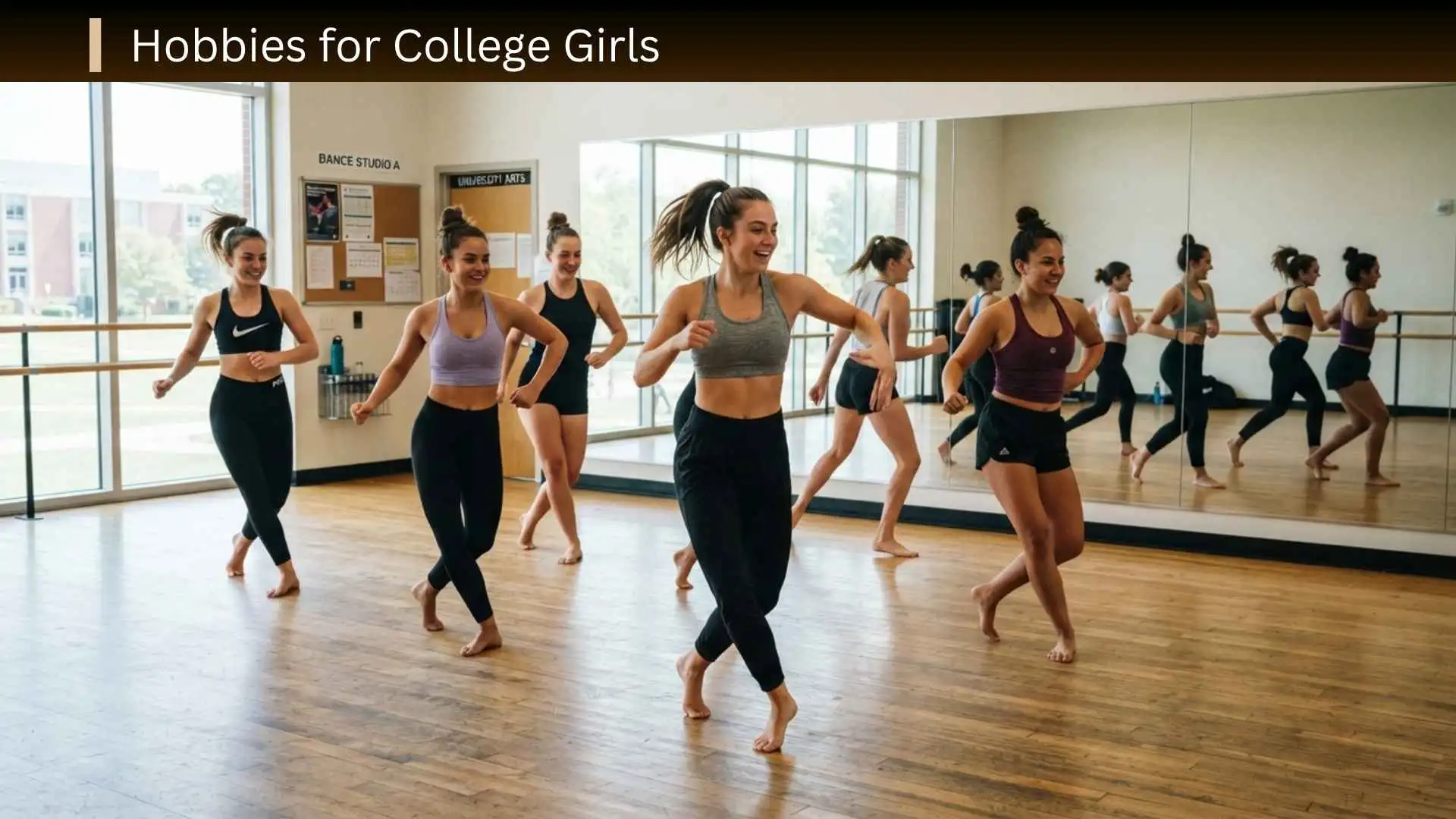
17. Dancing
Dancing combines movement, music, and creativity. You can learn through campus organizations, local classes, online lessons, or social dance events.
Explore styles such as hip-hop, contemporary, ballet, jazz, salsa, ballroom, or K-pop dance depending on your interests.
Best for: Movement and social activities
Cost: Free to moderate
18. Yoga
Yoga can be a convenient activity because it does not necessarily require a gym or extensive equipment.
A quiet space and a mat can be enough for many beginner routines. College students can choose short sessions when they have limited free time.
Best for: Movement, flexibility, and relaxation
Cost: Free to moderate
Equipment: Comfortable clothing and optionally a yoga mat
19. Hiking
If you enjoy being outdoors, hiking can be a great way to explore areas around your college town.
Look for established trails appropriate for your experience level, check conditions before going, and follow local trail guidance.
Best for: Outdoor recreation and exploration
Cost: Free to low-cost
Equipment: Comfortable shoes and appropriate outdoor clothing
20. Walking
Walking is one of the simplest hobbies to add to a college routine.
You can explore campus, discover local neighborhoods, listen to music or podcasts, take photographs, or simply enjoy some quiet time.
Best for: Low-cost outdoor time
Cost: Free
Equipment: Comfortable shoes
21. Running
Running can become a personal challenge or a social activity. You can begin with short distances and gradually build your routine.
Campus running clubs can also make the activity more social.
Best for: Fitness and personal goals
Cost: Low to moderate
Equipment: Comfortable running shoes
22. Cycling
Cycling can be both a hobby and a practical way to explore your surroundings.
You can ride around campus, use local trails, or explore suitable bike routes in your area. Always follow local cycling laws and use appropriate safety equipment.
Best for: Outdoor exploration
Cost: Moderate to high
Equipment: Bicycle and appropriate safety gear
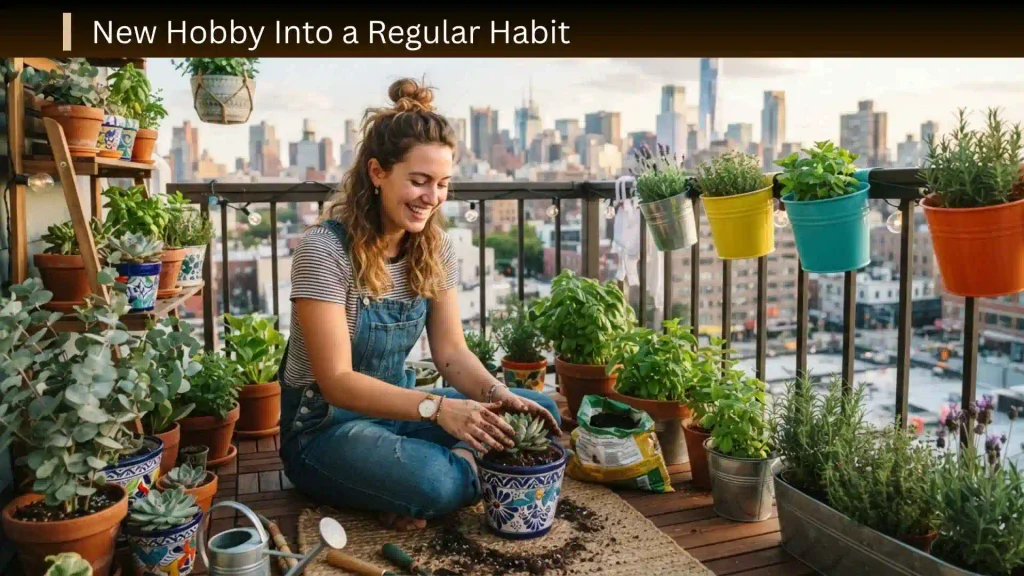
23. Gardening
You do not need a large backyard to enjoy gardening. Container gardening can work in appropriate outdoor or indoor spaces where permitted.
Try growing herbs, flowers, or small vegetables. Gardening can also give you a reason to spend time away from screens.
Best for: Nature and hands-on activities
Cost: Low to moderate
Equipment: Containers, soil, seeds, and basic gardening supplies
24. Plant Care
If gardening feels too ambitious, start with a few houseplants.
Learning how to care for different plants can become a surprisingly engaging hobby. Choose plants based on the light and conditions available in your living space.
Best for: Beginners who enjoy nature
Cost: Low to moderate
25. Thrifting
Thrifting can turn shopping into a treasure-hunting hobby. You can look for clothing, books, home décor, accessories, furniture, or unusual vintage items.
Set a spending limit so the hobby stays within your college budget.
Best for: Fashion, exploration, and finding unique items
Cost: Low to moderate
26. Upcycling Clothes
Instead of simply buying secondhand clothes, you can transform existing pieces.
Try basic alterations, patches, embroidery, fabric painting, or other beginner-friendly modifications. Start with inexpensive items before experimenting with something you particularly value.
Best for: Fashion and creativity
Cost: Low to moderate
27. Learning a New Language
Learning another language can be an enjoyable long-term project. You can practice vocabulary, pronunciation, reading, listening, and conversation.
Make it more interesting by watching appropriate shows, listening to music, reading simple stories, or connecting with language-learning communities.
Best for: Learning and cultural exploration
Cost: Free to moderate
28. Puzzles
Jigsaw puzzles, crossword puzzles, logic puzzles, and other brain games can provide screen-free entertainment.
If space is limited, choose smaller puzzles or digital alternatives.
Best for: Quiet entertainment
Cost: Low
29. Board Games
Board games can turn a free evening into a social activity. Keep a few games that work well with different group sizes and invite friends for a casual game night.
You can explore strategy games, party games, cooperative games, or classic card games.
Best for: Socializing
Cost: Low to moderate
30. Volunteering
Volunteering is a hobby with a strong community component. You can look for opportunities through campus organizations, local nonprofits, animal shelters, community programs, environmental groups, or other organizations.
Choose an activity that genuinely interests you rather than volunteering simply because it seems impressive.
Best for: Community involvement and meaningful experiences
Cost: Usually free
31. Learning Calligraphy or Hand Lettering
If you like beautiful handwriting and stationery, calligraphy or hand lettering can be a relaxing creative hobby.
Start with basic lettering exercises before moving into cards, signs, journal pages, or decorative projects.
Best for: Artistic lettering
Cost: Low
32. Candle or Soap Crafting
Crafting hobbies can be enjoyable when you have an appropriate workspace and understand the safety requirements of the materials involved.
Because some supplies involve heat or chemical ingredients, beginners should follow product instructions carefully and use a suitable workspace rather than attempting projects in an unsuitable dorm room.
Best for: Hands-on crafting
Cost: Moderate
33. Podcasting
If you enjoy conversations, storytelling, interviews, books, pop culture, college life, or another specific subject, podcasting can be a creative project.
You can begin by planning short episodes and learning basic recording and editing skills before investing in more equipment.
Best for: Communication and media creation
Cost: Free to moderate
34. Video Editing
Video editing can turn everyday footage into creative projects. You might make travel videos, study-related content, short films, campus projects, or personal montages.
It is also a useful digital skill that can develop over time.
Best for: Creative technology
Cost: Free to moderate
35. Stargazing
Stargazing can provide a peaceful break from campus routines. On suitable nights, find an appropriate location with a clear view and limited light pollution.
You can begin by learning a few easily recognizable constellations and gradually explore more about the night sky.
Best for: Quiet outdoor experiences
Cost: Free to low-cost
36. Learning About Coffee or Tea
If you enjoy beverages, you can turn that interest into a hobby by learning about different brewing methods, origins, flavors, and preparation techniques.
Keep the focus on exploration and enjoyment rather than expensive equipment.
Best for: Curious food and beverage enthusiasts
Cost: Low to moderate
37. Interior Decorating
You can explore interior design even if you live in a small dorm or apartment.
Experiment with organization, color combinations, layouts, removable décor, or mood boards while following your housing rules.
Best for: Creativity and personal spaces
Cost: Free to moderate
Best Hobbies for College Girls Based on Your Personality
There is no single hobby that is best for everyone. Your personality and goals can help narrow the choices.
| If You Want… | Hobbies to Consider |
| Something relaxing | Reading, journaling, crochet, puzzles |
| A creative outlet | Painting, drawing, photography, writing |
| More social interaction | Dancing, board games, volunteering, clubs |
| Outdoor activities | Hiking, walking, cycling, gardening |
| A useful skill | Cooking, graphic design, video editing, languages |
| Something inexpensive | Reading, walking, journaling, sketching |
| A screen-free activity | Gardening, baking, puzzles, crochet |
| A fitness-focused hobby | Running, yoga, cycling, dancing |
| A fashion-related hobby | Thrifting, clothing upcycling, sewing |
| A long-term challenge | Musical instruments, languages, writing |
Best Low-Cost Hobbies for College Students
If your college budget is tight, you do not need to spend much money to have an interesting hobby.
Some inexpensive choices include:
- Reading library books
- Walking
- Journaling
- Drawing
- Creative writing
- Photography with your phone
- Hiking
- Language learning
- Volunteering
- Yoga
- Stargazing
- Puzzles
- Learning basic digital skills
Campus resources can also reduce costs. Libraries, student organizations, recreation centers, art clubs, and community programs may provide access to activities or equipment.
Best Hobbies to Do in a Dorm Room
Dorm living can limit space, storage, and noise, so compact hobbies are often the easiest to manage.
Good options include:
- Reading
- Journaling
- Sketching
- Digital art
- Crochet
- Knitting
- Embroidery
- Hand lettering
- Creative writing
- Photography
- Language learning
- Puzzles
- Digital music practice with headphones
Before starting a craft involving heat, strong odors, tools, or potentially hazardous materials, check your residence hall’s rules and use an appropriate workspace.
Hobbies That Can Help You Meet New People
A hobby can be an easy way to interact with people who share your interests.
Consider:
Campus Clubs
College clubs are a natural place to find students interested in similar activities. Look for organizations related to photography, books, art, music, sports, culture, volunteering, gaming, or outdoor recreation.
Intramural Sports
If you enjoy being active but do not want the commitment of varsity athletics, intramural sports can provide a more recreational environment.
Volunteer Groups
Volunteering gives you a shared purpose while introducing you to people outside your immediate academic circle.
Classes and Workshops
Local studios, community organizations, and campus programs may offer workshops in cooking, art, dance, crafts, or other activities.
Hobbies That Can Become Useful Skills
Not every hobby needs to be productive, but some hobbies can naturally build transferable skills.
Cooking
You develop practical kitchen skills and learn how to prepare meals independently.
Photography
You can develop an eye for composition, lighting, and visual storytelling.
Graphic Design
You can practice visual communication, typography, layout, and digital tools.
Writing
You can strengthen communication, storytelling, and editing skills.
Video Editing
You can learn how to organize footage, tell stories visually, and work with digital media.
Learning a Language
You can practice communication while learning about another language and culture.
Sewing and Clothing Upcycling
You can develop practical skills while creating or modifying clothing.
How to Turn a New Hobby Into a Regular Habit
Starting a hobby is easy. Making time for it consistently can be harder.
Start Small
You do not need to spend an entire Saturday on your hobby. Ten or twenty minutes can be enough to get started.
Choose a Specific Time
Instead of saying, “I’ll read when I have time,” choose a realistic period such as reading before bed or practicing an instrument on certain evenings.
Keep Supplies Accessible
If your hobby requires several steps to set up, you may be less likely to use it. Keep frequently used materials organized and easy to reach.
Avoid Making It Another Assignment
A hobby should not always feel like another task on your college checklist. Let yourself enjoy activities without constantly measuring your progress.
Give Yourself Permission to Quit
You are allowed to try a hobby and discover that you do not enjoy it. Experimenting is part of finding activities that genuinely fit your personality and lifestyle.
How to Find a Hobby You Actually Enjoy
If none of the ideas immediately stand out, try the three-question method:
What am I curious about?
Think about activities you have wanted to try but never made time for.
What do I naturally enjoy?
If you already love music, fashion, books, food, nature, technology, or art, use that interest as a starting point.
What do I want more of in my life?
Maybe you want more creativity, movement, friendships, quiet time, adventure, or practical skills. Choose a hobby that gives you more of what you are missing.
You can also try one new hobby each month for a semester. By the end, you may have a better idea of which activities are worth continuing.
Frequently Asked Questions
What are some fun hobbies for college girls?
Fun hobbies include photography, dancing, baking, painting, thrifting, hiking, reading, crochet, board games, creative writing, cooking, and learning a musical instrument. The best choice depends on whether you prefer creative, social, active, or relaxing activities.
What are good hobbies for college girls in a dorm?
Reading, journaling, drawing, crochet, knitting, embroidery, digital art, creative writing, puzzles, photography, and language learning are generally convenient for limited living spaces. Always check your residence hall’s rules before using equipment or materials that could create noise, heat, odors, or other safety concerns.
What are inexpensive hobbies for college girls?
Walking, reading library books, journaling, drawing, creative writing, photography with a phone, volunteering, hiking, language learning, and stargazing can all be relatively inexpensive.
What hobby should I start if I am very busy with college?
Choose something that can be done in short sessions. Reading a few pages, journaling, sketching, walking, photography, or language practice can fit into small pockets of free time.
What hobbies can help college students make friends?
Dancing, intramural sports, volunteering, book clubs, board games, campus organizations, photography groups, and creative workshops can provide opportunities to meet people with similar interests.
What are creative hobbies for college girls?
Painting, drawing, photography, creative writing, crochet, knitting, embroidery, scrapbooking, digital art, graphic design, hand lettering, and clothing upcycling are all creative options.
What hobbies can I do alone?
Reading, journaling, drawing, painting, photography, writing, crochet, knitting, puzzles, gardening, language learning, cooking, and stargazing can all be enjoyed independently.
Can a hobby be useful for my future career?
Some hobbies can help you develop transferable skills. Writing can improve communication, photography can develop visual skills, graphic design can build digital creativity, cooking can develop practical independence, and video editing can strengthen media skills. However, a hobby does not need to have career value to be worthwhile.
Conclusion
The best hobbies for college girls are the ones that fit naturally into your life and give you something you genuinely enjoy. You might choose a relaxing hobby such as reading or journaling, a creative activity such as painting or photography, an active option such as hiking or dancing, or a practical skill such as cooking or graphic design.
You also do not have to choose just one. College is a good time to experiment. Try different activities, keep the ones that make you happy, and let go of the ones that feel like obligations.
A hobby does not have to be impressive, productive, or expensive. Sometimes the most valuable hobby is simply something that helps you enjoy your time outside of class.

I’m Olivia Bennett, a passionate writer who loves exploring ideas, learning new concepts, and sharing knowledge in a straightforward way. I write for Cognivoora with the goal of making useful topics easier to understand without unnecessary complexity. My approach combines research, clarity, and a reader-first perspective.
Books:
- Think Clearly, Live Better
- The Curious Reader’s Guide