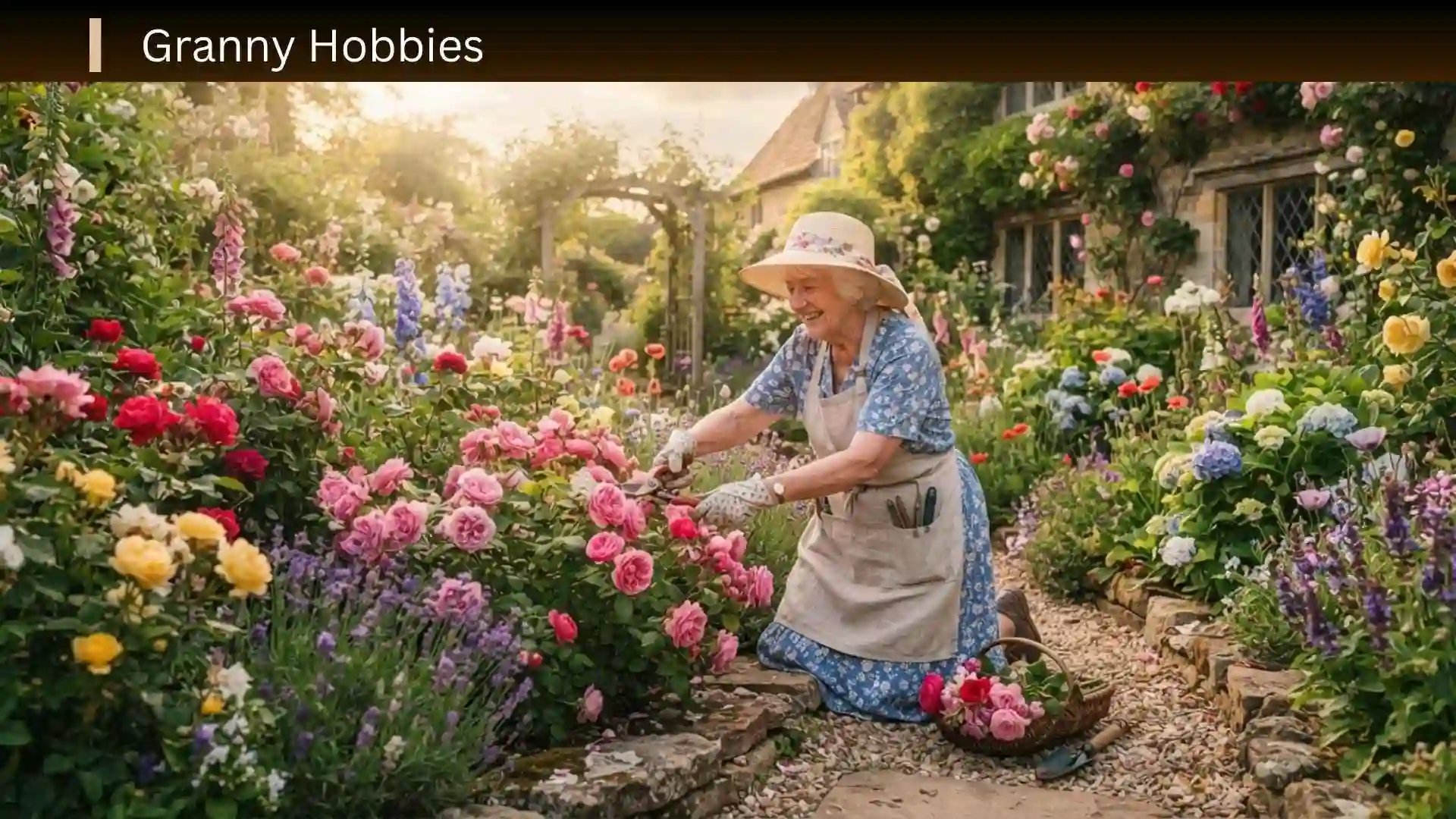
Getting older doesn’t mean life has to become less interesting. In fact, granny hobbies can open the door to creativity, relaxation, learning, and meaningful moments every day. I believe the best hobby is one that makes you smile, keeps your mind active, or simply gives you something enjoyable to look forward to.
Whether you love crafting, gardening, reading, cooking, puzzles, or trying something completely new, you can find a hobby that fits your personality and lifestyle. You don’t need to be an expert—you just need to be curious and willing to try.
What Are Good Hobbies for Grannies?
Good hobbies for grannies include activities that are enjoyable, accessible, meaningful, and easy to adapt to individual preferences. Popular choices include knitting, crocheting, gardening, reading, baking, painting, quilting, puzzles, birdwatching, photography, genealogy, journaling, cooking, and volunteering.
The right choice depends on what the person actually enjoys. Someone who loves working with their hands may prefer crafts, while a curious lifelong learner might enjoy genealogy, language learning, or history.
25 Granny Hobbies to Try
1. Knitting
Knitting is a classic hobby because it combines creativity with a practical result. A beginner can start with simple projects such as scarves, dishcloths, or blankets before moving to more complicated patterns.
It can also be a portable hobby. Basic knitting supplies take up relatively little space, making it possible to work on a project at home or while traveling.
Best for: Creative people who enjoy repetitive, hands-on activities.
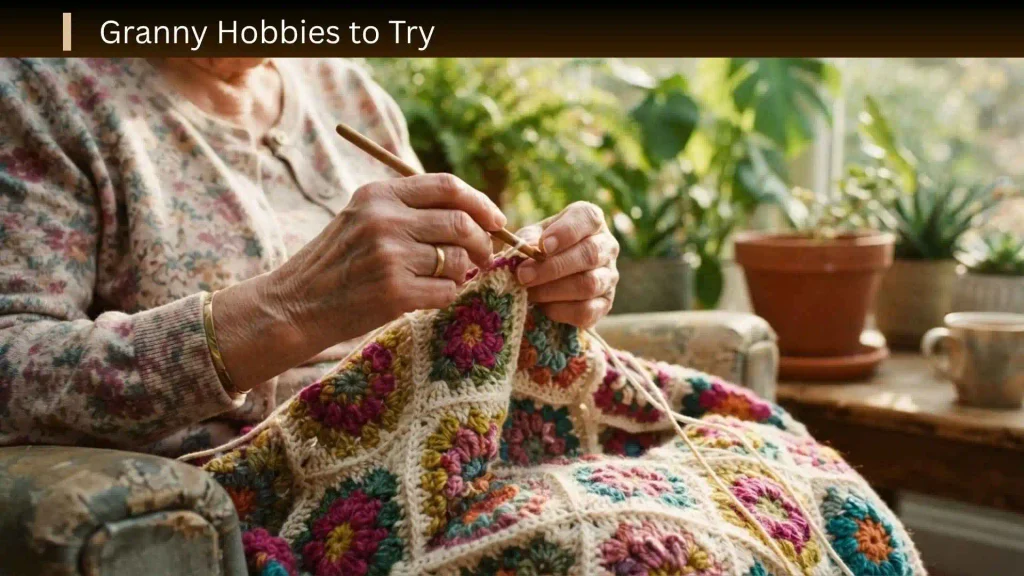
2. Crocheting
Crocheting is another flexible yarn-based hobby. Unlike knitting, it uses a single crochet hook, and many beginners find basic stitches relatively approachable.
Projects can range from small coasters and hats to blankets, bags, and decorative pieces. Handmade crochet items can also become thoughtful gifts for family and friends.
Best for: Grandmas who enjoy crafts and making useful or decorative objects.
3. Gardening
Gardening offers a hobby that changes with the seasons. Growing flowers, herbs, vegetables, or container plants provides an opportunity to spend time outdoors while caring for living things.
A large yard is not required. Container gardening, raised beds, window boxes, and indoor plants can work for people with limited outdoor space.
Best for: Nature lovers who enjoy caring for plants.
4. Reading
Reading is one of the easiest hobbies to adapt to different lifestyles. A personal reading list might include novels, biographies, mysteries, history books, memoirs, cookbooks, or other subjects of interest.
Libraries and digital reading services can also make it possible to explore new books without purchasing every title.
Best for: People who prefer quiet, independent activities.
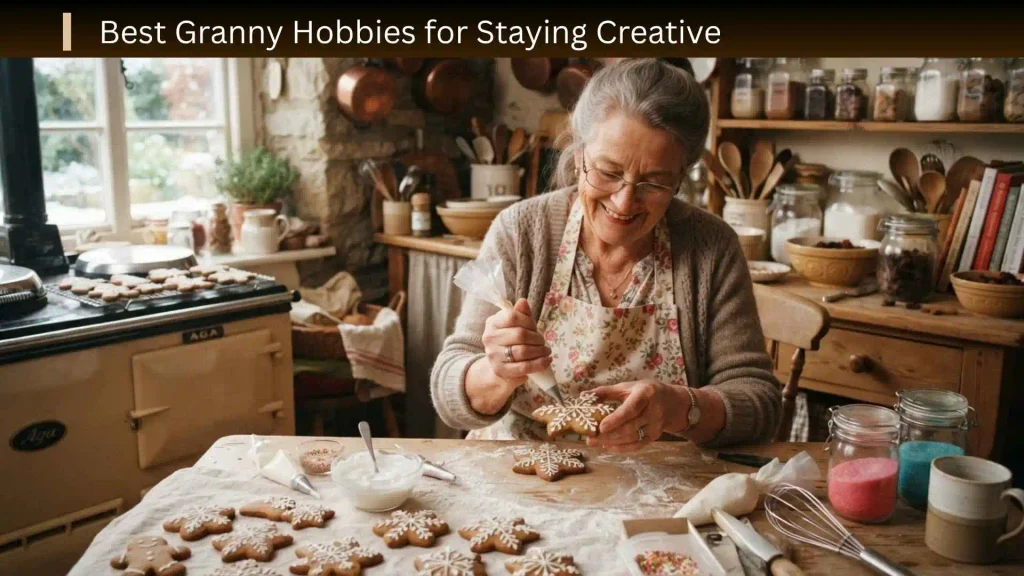
5. Baking
Baking can turn an ordinary afternoon into a creative project. Beginners can start with cookies, muffins, quick breads, or simple cakes and gradually experiment with more advanced recipes.
Another advantage is that the finished product can be shared with family, friends, neighbors, or community groups.
Best for: Anyone who enjoys food, creativity, and sharing homemade treats.
6. Painting
Painting provides plenty of room for experimentation. Watercolors, acrylics, and other media offer different experiences, so beginners can choose based on their preferred style and workspace.
There is no requirement to create professional-looking artwork. The value of the hobby can simply come from experimenting with colors, subjects, and techniques.
Best for: Creative beginners who want an expressive hobby.
7. Quilting
Quilting combines fabric selection, design, cutting, sewing, and careful assembly. Small projects such as table runners or cushion covers can be more manageable than starting with a large quilt.
Quilting can also have a strong personal element because fabrics, colors, and patterns can be chosen around memories or family traditions.
Best for: Patient crafters who enjoy detailed projects.
8. Sewing
Sewing can be both creative and practical. A hobbyist might make clothing, simple home decorations, bags, repairs, or gifts.
Someone completely new to sewing can begin with basic hand-sewing projects before deciding whether investing in a sewing machine makes sense.
Best for: People who like practical crafts and working with fabric.
9. Puzzles
Jigsaw puzzles, crossword puzzles, word searches, Sudoku, and logic puzzles provide different types of mental challenges.
Puzzles are particularly convenient because they can be done alone and adjusted to different difficulty levels. A large puzzle can also become a shared activity with grandchildren or friends.
Best for: People who enjoy problem-solving and quiet concentration.
10. Photography
Photography does not require expensive equipment. A smartphone can be enough to explore composition, lighting, nature photography, family moments, architecture, or everyday scenes.
A beginner can make the hobby more interesting by choosing a theme, such as photographing flowers throughout the year or documenting local landmarks.
Best for: Curious observers who enjoy capturing interesting moments.
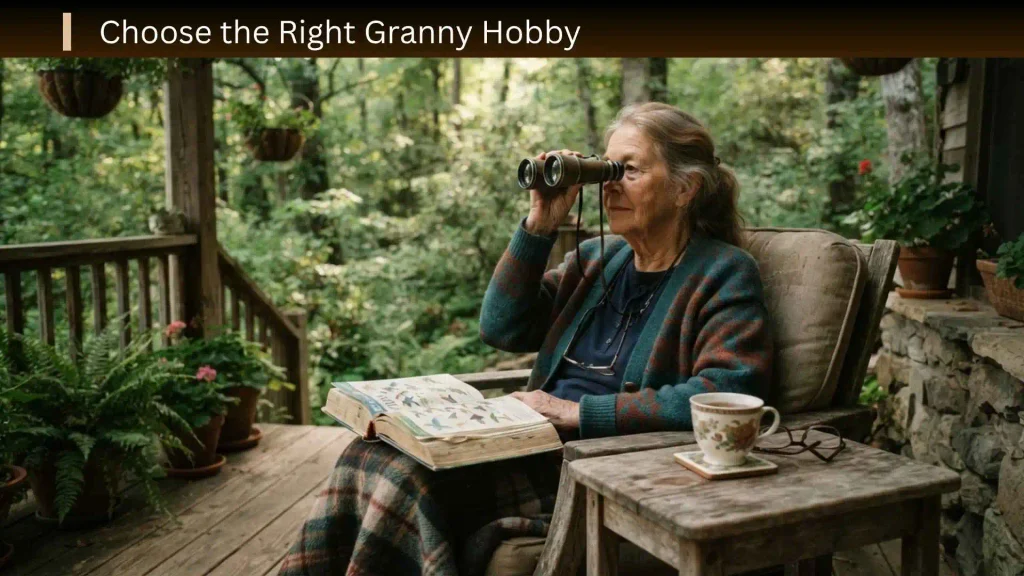
11. Birdwatching
Birdwatching can turn walks, garden time, or trips to local parks into an ongoing hobby. Beginners can start by identifying common birds and gradually learn about behavior, habitats, and seasonal patterns.
A pair of binoculars can be useful, but they are not essential for getting started.
Best for: Nature lovers who enjoy observation and outdoor exploration.
12. Genealogy
Genealogy involves researching family history and organizing information about relatives and ancestors. It can include examining old photographs, recording family stories, studying historical documents, and building a family tree.
One of the most valuable parts of genealogy can be preserving information that might otherwise disappear as generations pass.
Best for: People interested in family history, research, and storytelling.
13. Journaling
Journaling can take many forms. Someone might keep a daily journal, gratitude journal, travel journal, garden journal, recipe journal, or collection of family memories.
A memory journal can be especially meaningful when it records stories, traditions, recipes, and experiences that can later be shared with younger family members.
Best for: People who enjoy writing and reflecting on experiences.
14. Cooking
Cooking becomes a hobby when it goes beyond simply preparing everyday meals. A grandma might explore regional cuisines, experiment with new ingredients, recreate family recipes, or develop a personal collection of favorite dishes.
Cooking can also become a social hobby when recipes are prepared with family members.
Best for: Food lovers and people who enjoy experimenting.
15. Scrapbooking
Scrapbooking combines photographs, written memories, decorative elements, and personal storytelling.
Instead of allowing family photos to remain scattered across boxes or devices, a scrapbook can organize them around birthdays, vacations, family milestones, or different generations.
Best for: Creative people who enjoy photographs and preserving memories.
16. Flower Arranging
Flower arranging offers a smaller-scale alternative to gardening. Fresh flowers, dried flowers, or seasonal greenery can be arranged into centerpieces and decorations.
It can also encourage experimentation with shape, proportion, texture, and color.
Best for: People who appreciate flowers and decorative crafts.
17. Music
Music can be enjoyed in many ways. A grandmother might learn an instrument, sing, join a choir, listen more intentionally to favorite genres, or explore music from different periods.
For beginners, learning a simple instrument or returning to one played years ago can provide an engaging long-term project.
Best for: Music lovers who want either a creative or listening-based hobby.
18. Learning a New Language
Learning a language provides an ongoing mental challenge and can connect with travel, family heritage, literature, or personal curiosity.
There is no need to aim for fluency immediately. Learning a few useful phrases and gradually building vocabulary can make the hobby manageable.
Best for: Lifelong learners who enjoy structured progress.
19. Volunteering
Volunteering turns free time into an opportunity to contribute to the community. Options vary widely, from helping at libraries and community organizations to supporting local events, mentoring, or assisting charitable groups.
The right opportunity depends on interests, schedule, transportation, and the organization’s current needs.
Best for: People who want a socially connected and purpose-driven activity.
20. Walking and Nature Exploration
Walking can be turned into a hobby by giving each outing a purpose. You might explore different parks, photograph interesting scenery, identify plants, or combine walking with birdwatching.
The pace and distance can be adapted to individual comfort and circumstances.
Best for: People who enjoy being outdoors and want a simple activity.
21. Candle or Soap Crafting
Making decorative candles or handcrafted soaps can be an appealing creative project, but it requires appropriate materials, ventilation, and careful handling of heated or reactive ingredients.
For beginners, following established product-specific safety instructions is important rather than improvising with unfamiliar materials.
Best for: Experienced crafters who enjoy making handmade household or gift items.
22. Calligraphy and Hand Lettering
Calligraphy turns handwriting into a creative practice. Beginners can start with simple lettering exercises and gradually explore different styles.
The hobby can be used for greeting cards, envelopes, journals, signs, or decorative artwork.
Best for: People who enjoy detail-oriented creative work.
23. Board Games and Card Games
Board games and card games provide an easy way to combine hobbies with social time. Traditional games can be enjoyed with friends and family, while modern games offer a huge variety of themes and difficulty levels.
Games can also provide an activity for regular gatherings rather than something that has to be done alone.
Best for: Social grandmas who enjoy friendly competition.
24. Collecting
Collecting can turn an existing interest into a structured hobby. Possible collections include postcards, stamps, books, vintage kitchenware, ornaments, rocks, or other non-hazardous objects of personal interest.
A good collection does not have to be expensive. The key is having a subject that genuinely interests the collector.
Best for: People who enjoy discovering, organizing, and researching objects.
25. Digital Hobbies
Technology creates many hobby opportunities for grandmas who want to explore something different. Options include digital photography, creating photo books, learning basic graphic design, editing family videos, taking online classes, or maintaining a personal blog.
Digital hobbies can be started gradually, using devices and software that are already available.
Best for: Curious learners who want to become more comfortable with technology.
Granny Hobbies by Interest
If choosing from 25 options feels overwhelming, it helps to start with the type of experience you want.
| If you enjoy… | Consider… |
| Making things | Knitting, crochet, quilting, sewing |
| Nature | Gardening, birdwatching, walking, photography |
| Quiet time | Reading, journaling, puzzles, calligraphy |
| Cooking | Baking, cooking, recipe collecting |
| Family memories | Genealogy, scrapbooking, photography |
| Social activities | Volunteering, games, music groups |
| Learning | Languages, genealogy, digital skills |
| Creative expression | Painting, flower arranging, photography |
| Technology | Digital photography, photo books, video editing |
The advantage of this approach is that you choose based on what you want to do, rather than choosing a hobby simply because it is traditionally associated with grandmothers.
Best Granny Hobbies for Staying Creative
For someone primarily looking for creative expression, strong choices include:
- Painting
- Knitting
- Crocheting
- Quilting
- Sewing
- Calligraphy
- Scrapbooking
- Photography
- Flower arranging
- Baking
Creative hobbies can be as simple or sophisticated as you want. Starting with small projects is usually more practical than purchasing a large amount of equipment before knowing whether you enjoy the activity.
Best Granny Hobbies for Quiet Time
If you prefer hobbies that can be enjoyed independently, consider:
- Reading
- Journaling
- Crossword puzzles
- Sudoku
- Knitting
- Crocheting
- Painting
- Genealogy
- Photography
- Calligraphy
These hobbies can be particularly convenient because they can often be done at home and adjusted around your schedule.
Best Granny Hobbies for Socializing
A hobby does not have to be solitary. If meeting people is part of the appeal, consider:
- Volunteering
- Choirs or music groups
- Book clubs
- Quilting or craft groups
- Board games
- Gardening clubs
- Photography groups
- Community classes
- Group walks
Local libraries, community centers, parks, senior programs, religious or civic organizations, and hobby clubs may offer opportunities depending on your area.
Best Granny Hobbies for Limited Space
You can enjoy many hobbies without a dedicated craft room or large yard.
Good small-space choices include:
- Reading
- Journaling
- Puzzles
- Calligraphy
- Crochet
- Knitting
- Smartphone photography
- Genealogy
- Watercolor painting
- Language learning
When space is limited, choose hobbies where supplies can be stored in a small container or where most of the activity is digital.
Best Low Cost Granny Hobbies
Some hobbies can be started using items you already own.
Very low-cost options may include:
- Reading through a public library
- Walking
- Journaling
- Smartphone photography
- Birdwatching without specialized equipment
- Crossword puzzles
- Family-history conversations
- Learning through free educational resources
Other hobbies can become more expensive once specialized equipment or materials are added. For example, sewing, photography, quilting, and gardening can range from relatively inexpensive beginnings to substantial investments depending on how deeply you pursue them.
How to Choose the Right Granny Hobby
The best hobby is the one you are most likely to continue. Before choosing, consider five questions.
What do you already enjoy?
Think about activities you naturally gravitate toward. If you enjoy flowers, gardening may make more sense than forcing yourself into a completely unrelated hobby.
Do you want to create, learn, move, or socialize?
This is often the quickest way to narrow your choices.
- Create: painting, sewing, crochet, baking
- Learn: genealogy, languages, photography
- Move: walking, gardening, dancing
- Socialize: volunteering, clubs, games, music groups
- Relax: reading, puzzles, journaling
How much space do you have?
A hobby such as gardening may need outdoor space, while reading or calligraphy can fit almost anywhere.
What is your realistic budget?
Start small. Try the basic version of a hobby before purchasing specialized equipment. This reduces the chance of spending money on supplies for an activity you eventually decide is not for you.
How much time do you want to spend?
Some hobbies work well in short sessions. Others are easier to enjoy when you have uninterrupted time.
If your schedule changes frequently, choose something that can be paused and resumed easily.
How to Start a New Hobby Without Getting Overwhelmed
A common mistake is turning a relaxing hobby into a large project immediately.
Instead:
- Choose one activity that genuinely interests you.
- Start with the simplest version of it.
- Buy only the supplies you actually need.
- Try a small project first.
- Learn one skill at a time.
- Decide whether you enjoy the process before expanding.
For example, someone interested in quilting does not need to begin with a large bed-sized quilt. A small fabric project can provide a better introduction.
Likewise, someone interested in photography can start with a smartphone rather than immediately buying a camera, multiple lenses, and accessories.
Granny Hobbies That Can Be Shared With Grandchildren
Some hobbies become even more meaningful when they involve different generations.
Consider:
- Baking family recipes
- Gardening
- Painting
- Photography
- Scrapbooking
- Puzzles
- Board games
- Cooking
- Storytelling and journaling
- Genealogy
Family-history projects can be particularly interesting because grandchildren can help scan photographs, record stories, organize information, or learn about relatives and traditions.
Common Mistakes When Choosing a Hobby
Choosing a hobby because it is considered “traditional”
There is no requirement for a grandmother to enjoy knitting, baking, or gardening. Traditional hobbies are options, not obligations.
Buying too much equipment too early
Expensive equipment does not automatically make a hobby more enjoyable. Start with the basics and upgrade only when you understand what you need.
Picking something that does not match your lifestyle
A hobby requiring a large workspace may be frustrating in a small apartment. Similarly, an outdoor activity may not be practical if you strongly prefer indoor activities.
Turning every hobby into a productivity project
A hobby does not have to produce something valuable, generate income, or lead to a measurable achievement. Enjoying the activity itself is enough.
Trying too many hobbies at once
Exploring is good, but starting five complicated hobbies simultaneously can make leisure feel like another obligation. Pick one or two and see where they lead.
Frequently Asked Questions About Granny Hobbies
What are the most popular granny hobbies?
Traditional favorites include knitting, crocheting, gardening, baking, sewing, quilting, reading, and cooking. However, modern options such as photography, genealogy, digital hobbies, and language learning can be equally suitable.
What is a good hobby for a grandma who is bored?
Start with an activity connected to an existing interest. Reading, puzzles, gardening, baking, photography, genealogy, crafts, and volunteering are all possibilities. The best option depends on whether the person wants creativity, learning, social interaction, or quiet time.
What are good hobbies for a grandma who lives alone?
Reading, journaling, puzzles, painting, knitting, crochet, genealogy, photography, gardening, and online learning can all be adapted for independent use. Social hobbies such as volunteering or clubs can be added if companionship is desired.
What are some easy hobbies for grandmothers?
Reading, walking, journaling, puzzles, smartphone photography, simple crafts, gardening in containers, and baking are approachable options. Beginners should start with a simple version of the activity rather than an advanced project.
What hobbies can grandmas do with grandchildren?
Baking, gardening, painting, puzzles, board games, photography, scrapbooking, cooking, and genealogy can all become shared activities. Choose based on the child’s age, interests, and ability.
Are there modern hobbies for older women besides knitting?
Absolutely. Photography, digital art, blogging, video editing, genealogy, language learning, online courses, birdwatching, board games, and technology-based creative projects are just a few possibilities.
Can a granny hobby become a source of income?
Some hobbies can potentially be monetized, including crafts, baking, photography, writing, artwork, and gardening-related products. However, income is not guaranteed and depends on factors such as skill, demand, pricing, expenses, marketing, and consistency.
Conclusion
The best granny hobbies are not defined by age or tradition. They are activities that fit the individual’s interests, lifestyle, budget, available space, and preferred level of creativity or social interaction.
For a simple starting point, choose one hobby that naturally catches your attention and try a small version of it. You might discover a new creative outlet through painting or crochet, explore the outdoors through gardening or birdwatching, preserve family memories through genealogy, or simply enjoy quiet time with a good book or puzzle.
A hobby does not need to be impressive or productive to be worthwhile. It simply needs to give you a reason to look forward to the time you spend doing it.

I’m Olivia Bennett, a passionate writer who loves exploring ideas, learning new concepts, and sharing knowledge in a straightforward way. I write for Cognivoora with the goal of making useful topics easier to understand without unnecessary complexity. My approach combines research, clarity, and a reader-first perspective.
Books:
- Think Clearly, Live Better
- The Curious Reader’s Guide