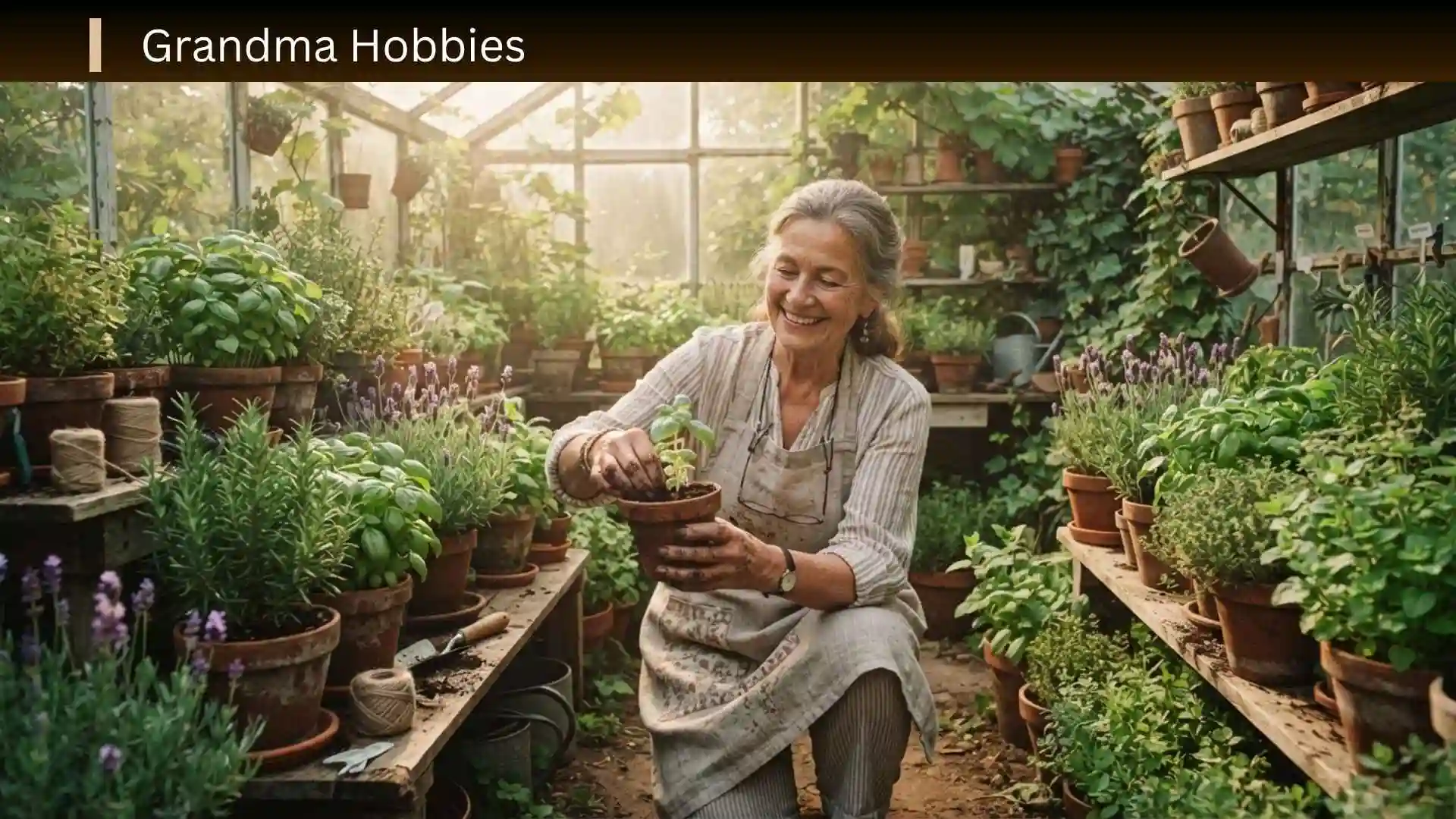
Grandma hobbies can be a wonderful way to turn free time into moments of joy, creativity, and connection. Whether you’re a grandma looking for something new to enjoy or you’re searching for meaningful activities for your grandmother, I believe the right hobby can make everyday life more interesting.
You don’t need expensive equipment or complicated skills to get started .There are plenty of enjoyable options that fit different interests, energy levels, and lifestyles. From gardening and knitting to baking, painting, reading, and spending time with family, let’s explore grandma’s hobbies that can bring more fun, purpose, and happiness into your days.
How to Choose the Right Hobby for Grandma
The best hobby is usually the one she genuinely looks forward to doing. Instead of choosing an activity simply because it is popular, consider a few practical questions:
- What does she already enjoy? A longtime interest can provide an easy starting point.
- Does she prefer quiet or social activities? Some hobbies are naturally solitary, while others create opportunities to meet people.
- How much space is available? Gardening, crafts, and art can require different amounts of room.
- What is the starting budget? Many hobbies can begin with supplies already found at home.
- How much time does she want to spend? A hobby can take 15 minutes a day or become a larger weekend project.
- Does she want to learn something new? Some activities are ideal for beginners who enjoy developing a skill.
- What level of physical activity feels comfortable? Choosing an activity that matches her abilities can make it easier to enjoy consistently.
There is also no reason to choose only one. A grandmother might enjoy gardening during warmer months, reading throughout the year, and making crafts when she wants a quiet indoor activity.
Creative Grandma Hobbies
Creative hobbies are especially appealing for someone who enjoys making, decorating, designing, or experimenting with different materials.
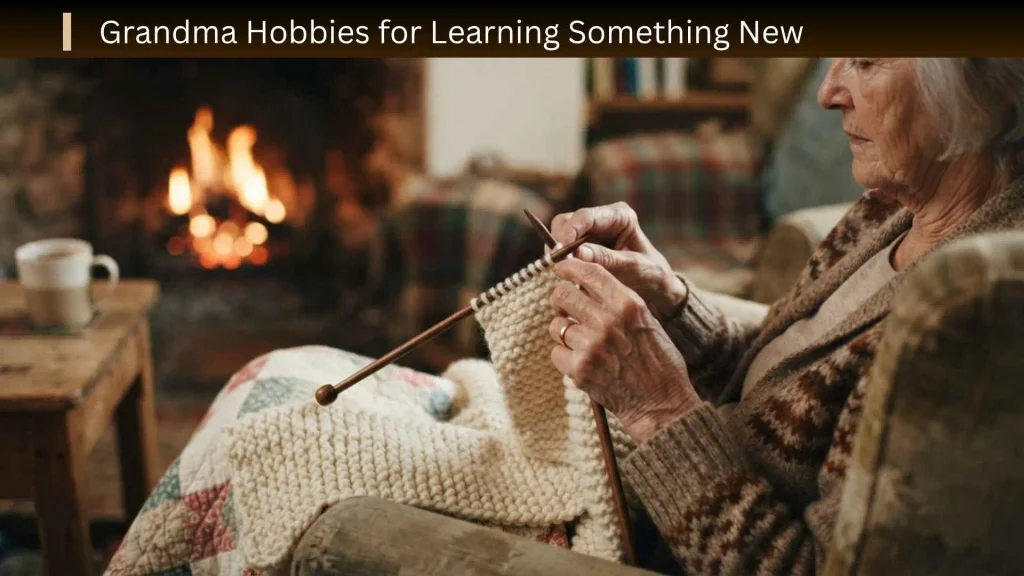
1. Knitting
Knitting is a classic hobby that can turn yarn into scarves, blankets, hats, sweaters, and other useful items. It is easy to adapt to different skill levels, making it suitable for someone starting with simple stitches or someone who wants to tackle more complex patterns.
A beginner can start with inexpensive yarn and a basic pair of knitting needles before investing in additional supplies.
2. Crochet
Crochet offers another way to create practical and decorative items using yarn and a hook. Small projects such as dishcloths, coasters, flowers, or simple scarves can provide manageable starting points.
Crochet can also be a meaningful family hobby because handmade blankets, baby items, and other creations can become gifts for relatives.
3. Painting
Painting can range from simple watercolor exercises to acrylic landscapes, flowers, abstract designs, or detailed artwork.
Someone new to painting does not need a large studio. A small table, basic paints, brushes, paper or canvas, and a little patience can be enough to begin.
4. Drawing
Drawing is a flexible hobby that requires relatively little equipment. Grandma could sketch household objects, flowers, pets, landscapes, or people.
Keeping a small sketchbook nearby makes it easier to practice whenever inspiration appears.
5. Scrapbooking
Scrapbooking combines creativity with personal memories. Photographs, cards, letters, ticket stubs, recipes, and other keepsakes can be organized into themed pages.
This can be particularly meaningful when documenting family milestones, vacations, birthdays, weddings, or childhood memories.
6. Jewelry Making
Making bracelets, necklaces, earrings, or decorative pieces can appeal to someone who enjoys detailed hands-on projects.
There are many levels of complexity, so a beginner can start with simple beads and findings before learning more advanced techniques.
7. Sewing
Sewing can be both creative and practical. Grandma might make clothing alterations, pillows, curtains, bags, quilts, or small gifts.
If she already knows basic sewing, learning a new technique or project can keep the hobby interesting.
8. Quilting
Quilting combines fabric selection, pattern design, cutting, sewing, and patience. A quilt can also have sentimental value when fabrics represent different people, occasions, or memories.
Because larger quilts take considerable time, smaller quilted projects can be a better starting point for beginners.
9. Adult Coloring
Adult coloring is a simple option for someone who wants a creative activity without having to learn drawing or painting techniques.
Coloring books, pencils, markers, and a comfortable table are usually enough to get started.
10. Flower Arranging
Flower arranging allows Grandma to work with fresh flowers, dried flowers, or greenery to create decorative displays.
It can also complement gardening because flowers grown at home can become part of the arrangements.
Grandma Hobbies for Staying Connected With Family
Some hobbies become more meaningful when they involve children, grandchildren, relatives, or friends.
11. Family Recipe Collecting
Grandma can create a personal family cookbook by collecting recipes from relatives and recording the stories behind them.
She could include traditional meals, holiday recipes, handwritten instructions, photographs, and notes about who originally made each dish.
This turns cooking knowledge into a family keepsake.
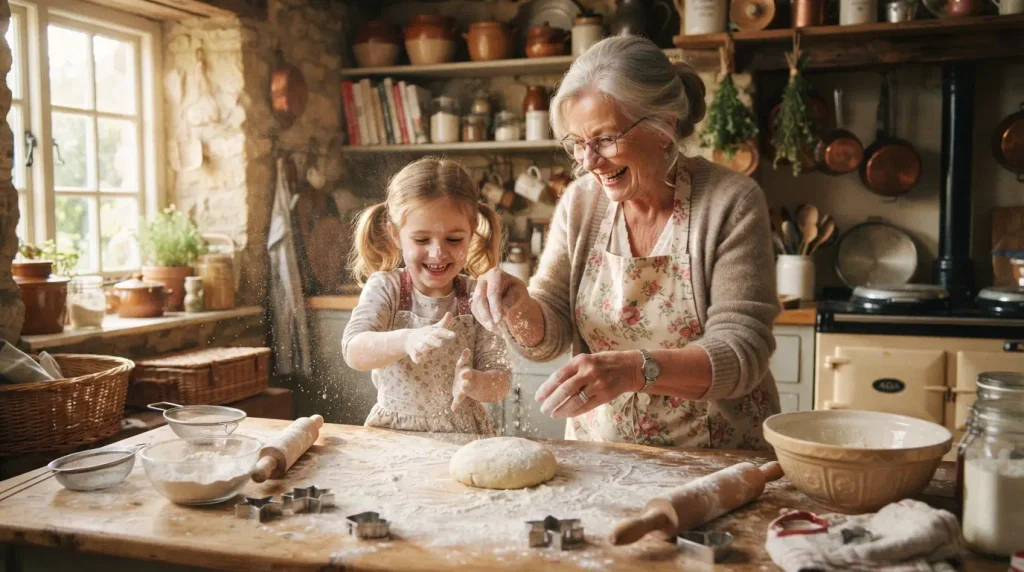
12. Baking With Grandchildren
Baking can become a shared hobby rather than something Grandma does alone.
Simple projects such as cookies, muffins, cupcakes, or homemade bread can give grandchildren an opportunity to participate while learning basic kitchen skills.
13. Family History Research
Genealogy can turn family stories into a long-term research project. Grandma might organize old photographs, record relatives’ memories, research family names, and build a family tree.
The hobby can become especially rewarding when older documents and personal memories help fill gaps in the family’s history.
14. Story Writing
Grandma can write down childhood memories, family stories, travel experiences, or lessons she has learned over the years.
The writing does not have to be formal. Short stories, journal entries, letters, or collections of memories can all work.
15. Recording Family Stories
If writing is not appealing, Grandma can record stories using a phone, tablet, or digital recorder.
She could talk about childhood, relatives, important events, favorite traditions, or family recipes. With permission from everyone involved, these recordings can become a valuable family archive.
Outdoor Grandma Hobbies
Outdoor hobbies can provide a change of scenery and a reason to spend time outside.
16. Gardening
Gardening is one of the most versatile hobbies for grandparents. Grandma can grow flowers, herbs, vegetables, houseplants outdoors, or container gardens depending on her available space.
A person with a small patio does not need a large yard. Containers, raised beds, and smaller planting projects can make gardening possible in limited spaces.
17. Container Gardening
Container gardening is particularly useful for someone who does not want to maintain a large garden.
Herbs, flowers, vegetables, and other suitable plants can be grown in pots or planters. Containers also allow the growing area to be arranged around the available space.
18. Birdwatching
Birdwatching can turn an ordinary backyard, park visit, or nature walk into an observation activity.
A beginner can start simply by watching local birds and learning to identify them. A notebook or bird-identification guide can make the experience more engaging.
19. Nature Photography
A smartphone can be enough to begin photographing flowers, birds, landscapes, trees, architecture, and seasonal changes.
The hobby can encourage Grandma to notice details that she might otherwise overlook while walking around her neighborhood or visiting parks.
20. Walking and Nature Exploration
Walking can be a hobby in its own right, especially when it is combined with a destination or theme.
Grandma might explore local parks, gardens, historic neighborhoods, farmers markets, or scenic areas. The appropriate distance and pace should match her individual comfort and abilities.
Quiet Grandma Hobbies to Enjoy at Home
For someone who prefers peaceful activities, these hobbies can be practiced without requiring a busy social environment.
21. Reading
Reading can become a lifelong hobby with almost unlimited variety. Grandma might explore mysteries, historical fiction, biographies, memoirs, cookbooks, travel writing, or nonfiction.
Joining a library can also provide access to books without requiring a large personal collection.
22. Jigsaw Puzzles
Jigsaw puzzles offer a straightforward activity that can be completed gradually. Grandma can choose the number of pieces based on how challenging she wants the project to be.
A puzzle board or dedicated table can make it easier to leave an unfinished puzzle in place.
23. Crossword Puzzles
Crossword puzzles are a compact hobby that can be done with a newspaper, puzzle book, or digital device.
They are particularly convenient for short periods when Grandma wants something mentally engaging without setting up a larger project.
24. Sudoku
Sudoku provides number-based puzzles with different difficulty levels. Beginners can start with easier grids and gradually move toward more challenging ones.
It is also convenient because a puzzle book takes very little space.
25. Journaling
Journaling can take many forms. Grandma could keep a daily diary, gratitude journal, travel journal, recipe journal, or memory journal.
There is no requirement to write a certain amount every day. Even a few sentences can become meaningful over time.
26. Listening to Audiobooks and Podcasts
Audiobooks and podcasts are useful for someone who enjoys stories and information but does not always want to read.
Topics can include history, fiction, cooking, travel, science, interviews, crafts, or personal interests.
Social Grandma Hobbies
If Grandma enjoys meeting people, a social hobby can add structure and regular interaction to her week.
27. Book Clubs
A book club combines reading with conversation. It gives participants something specific to discuss while creating a regular opportunity to socialize.
Grandma could join a local group, library program, community organization, or an online book club.
28. Volunteering
Volunteering can turn an interest in helping others into a recurring activity. Opportunities vary widely, including libraries, schools, community organizations, animal shelters, food programs, cultural organizations, and charitable events.
The right role depends on what kind of commitment and activity level Grandma prefers.
29. Group Craft Classes
Craft classes provide both instruction and social interaction. Grandma could try pottery, painting, sewing, floral design, or another creative activity.
A class can also make it easier to begin a hobby when learning alone feels intimidating.
30. Card and Board Games
Card games and board games can become regular social hobbies with friends, relatives, or grandchildren.
The best choice depends on the group. Some people enjoy strategy games, while others prefer simple card games that are easy to learn and play casually.
Grandma Hobbies for Learning Something New
Retirement or a more flexible schedule can create room for interests that Grandma may never have had time to explore earlier in life.
31. Learning a Language
Learning a language can be approached casually through books, apps, classes, conversation groups, or online lessons.
Instead of trying to become fluent immediately, Grandma can begin with practical phrases and vocabulary related to topics she already enjoys.
32. Playing a Musical Instrument
Learning piano, guitar, ukulele, keyboard, or another instrument can provide a long-term skill-building hobby.
Beginners should choose an instrument that fits their interests, available space, and willingness to practice.
33. Singing
Singing can be enjoyed privately or as part of a choir or community group. Someone who enjoys music but does not want to learn an instrument may find singing a more natural starting point.
34. Photography
Photography can start with a smartphone and gradually become more technical.
Grandma might explore portraits, flowers, family events, architecture, food, travel, or nature. Learning composition and lighting can make the hobby increasingly rewarding without requiring expensive equipment at the beginning.
35. Cooking New Cuisines
Cooking can become an ongoing learning project by exploring dishes from different regions and cultures.
Rather than buying numerous specialized ingredients immediately, Grandma can choose one cuisine at a time and gradually learn its common techniques and flavors.
Grandma Hobbies by Budget and Lifestyle
The best hobby is not necessarily the most elaborate one. A simple comparison can make the choice easier.
| Hobby | Starting Cost | Space Needed | Social Potential | Learning Curve |
| Reading | Low | Very little | Moderate | Easy |
| Journaling | Low | Very little | Low | Easy |
| Birdwatching | Low–Moderate | Low | Moderate | Easy–Moderate |
| Gardening | Low–Moderate | Varies | Moderate | Easy–Moderate |
| Knitting | Low–Moderate | Low | Moderate | Moderate |
| Painting | Low–Moderate | Low–Moderate | Moderate | Easy–Moderate |
| Photography | Low–High | Low | Moderate | Moderate |
| Quilting | Moderate | Moderate | High | Moderate–Advanced |
| Genealogy | Low–Moderate | Low | High | Moderate |
| Musical instruments | Moderate | Varies | High | Moderate |
These categories are starting points rather than fixed rules. Costs can change considerably depending on whether Grandma uses existing supplies, buys secondhand equipment, joins a class, or pursues a hobby at an advanced level.
Best Grandma Hobbies for Different Personalities
Different interests naturally point toward different hobbies.
For a creative grandma: painting, crochet, quilting, sewing, scrapbooking, jewelry making, and flower arranging are strong choices.
For a curious grandma: genealogy, photography, language learning, reading, cooking new cuisines, and nature observation offer plenty to explore.
For a social grandma: book clubs, volunteering, craft classes, choirs, card games, and group activities can provide regular interaction.
For a quiet grandma: reading, puzzles, journaling, knitting, drawing, coloring, and photography can be enjoyed independently.
For a family-oriented grandma: baking with grandchildren, collecting recipes, recording family stories, scrapbooking, and genealogy can turn hobbies into shared family projects.
For someone who loves the outdoors: gardening, birdwatching, nature photography, container gardening, and walking-based exploration are natural options.
How to Start a New Hobby Without Overcomplicating It
A common mistake is buying everything before discovering whether the hobby is actually enjoyable.
A better approach is to start small:
- Choose one activity that genuinely sounds interesting.
- Use basic supplies first.
- Try it several times before buying specialized equipment.
- Start with beginner-level projects.
- Look for free or inexpensive learning resources.
- Decide whether Grandma prefers doing it alone or with others.
- Increase the commitment only if she continues enjoying it.
For example, someone interested in painting can begin with a small set of paints and paper instead of immediately creating a dedicated art studio. Someone interested in gardening can start with a few containers rather than planning an entire backyard garden.
The goal is to make the first step easy enough that curiosity can develop into a lasting hobby.
How to Turn a Hobby Into a Meaningful Family Tradition
A hobby can become more than an individual pastime when it connects different generations.
Grandma might teach grandchildren how to make a family recipe, create handmade holiday decorations together, work on a garden, photograph family gatherings, or document relatives’ stories.
Another approach is to create an ongoing family project. A recipe collection, family history archive, scrapbook, or collection of handwritten memories can be built gradually over months or years.
The important part is not producing something perfect. It is creating an activity that gives family members a reason to spend time together and preserve things that might otherwise be forgotten.
What Makes a Hobby Sustainable for Grandma?
A hobby is more likely to last when it fits naturally into everyday life.
Consider:
- Accessibility: Supplies and equipment should be reasonably easy to use.
- Convenience: A hobby that requires a long trip every time may be difficult to maintain.
- Interest: Genuine curiosity matters more than choosing the hobby that sounds impressive.
- Flexibility: Activities that can be done for 20 minutes or several hours can adapt to changing schedules.
- Progress: Learning new techniques or completing projects can prevent the hobby from becoming repetitive.
- Social connection: If Grandma enjoys company, a club, class, or family component can add another reason to continue.
- Budget: A hobby should remain financially comfortable rather than becoming an unnecessary source of expense.
A good hobby should fit Grandma’s life rather than requiring her life to revolve around the hobby.
Frequently Asked Questions About Grandma Hobbies
What are some good hobbies for grandmas at home?
Reading, knitting, crochet, painting, drawing, puzzles, journaling, scrapbooking, sewing, baking, genealogy, photography, and learning a musical instrument can all be adapted for home use.
What are inexpensive hobbies for Grandma?
Reading through a library, journaling, drawing, walking, birdwatching, puzzles, family-history research, and learning through free educational resources can be inexpensive ways to start.
What are good hobbies for a grandma who gets bored easily?
Choose hobbies that provide progression or variety. Photography, gardening, genealogy, painting, cooking different cuisines, learning a language, and musical instruments can continually introduce new challenges.
What hobbies can Grandma do with her grandchildren?
Baking, gardening, crafts, board games, photography, storytelling, scrapbooking, family-history projects, and simple science or nature activities can become shared hobbies.
What are good social hobbies for older women?
Book clubs, volunteering, community classes, choirs, craft groups, card games, and other organized activities can provide regular opportunities to interact with people who share similar interests.
What is a good hobby for a grandma who likes to stay busy?
Projects with multiple stages can be particularly engaging. Gardening, quilting, genealogy, sewing, painting, baking, photography projects, and family-history documentation can provide something to work toward over time.
Can Grandma have more than one hobby?
Absolutely. Different hobbies can serve different purposes. She might have a quiet indoor hobby for evenings, an outdoor hobby for good weather, and a social hobby for regular interaction.
Conclusion
The best grandma hobbies are not necessarily expensive, complicated, or trendy. They are activities that match her interests, lifestyle, available space, budget, and preferred level of social interaction.
For a creative grandmother, knitting, painting, sewing, quilting, or scrapbooking may be a natural fit. Someone who enjoys family connections might prefer genealogy, baking, storytelling, or family projects. Readers, gardeners, photographers, volunteers, and lifelong learners have plenty of options as well.
Start with one hobby that genuinely interests her, keep the first step simple, and give her room to discover what she enjoys. A hobby can become a source of creativity, learning, connection, and personal enjoyment without needing to be complicated.

I’m Ethan Mitchell, a curious writer who enjoys turning complex ideas into simple, useful information. At Cognivoora, I focus on creating clear and engaging content that readers can understand and apply in everyday life. I believe good writing should educate, answer real questions, and leave readers with something valuable to remember.
Books:
- The Everyday Mind
- Simple Ideas, Better Thinking