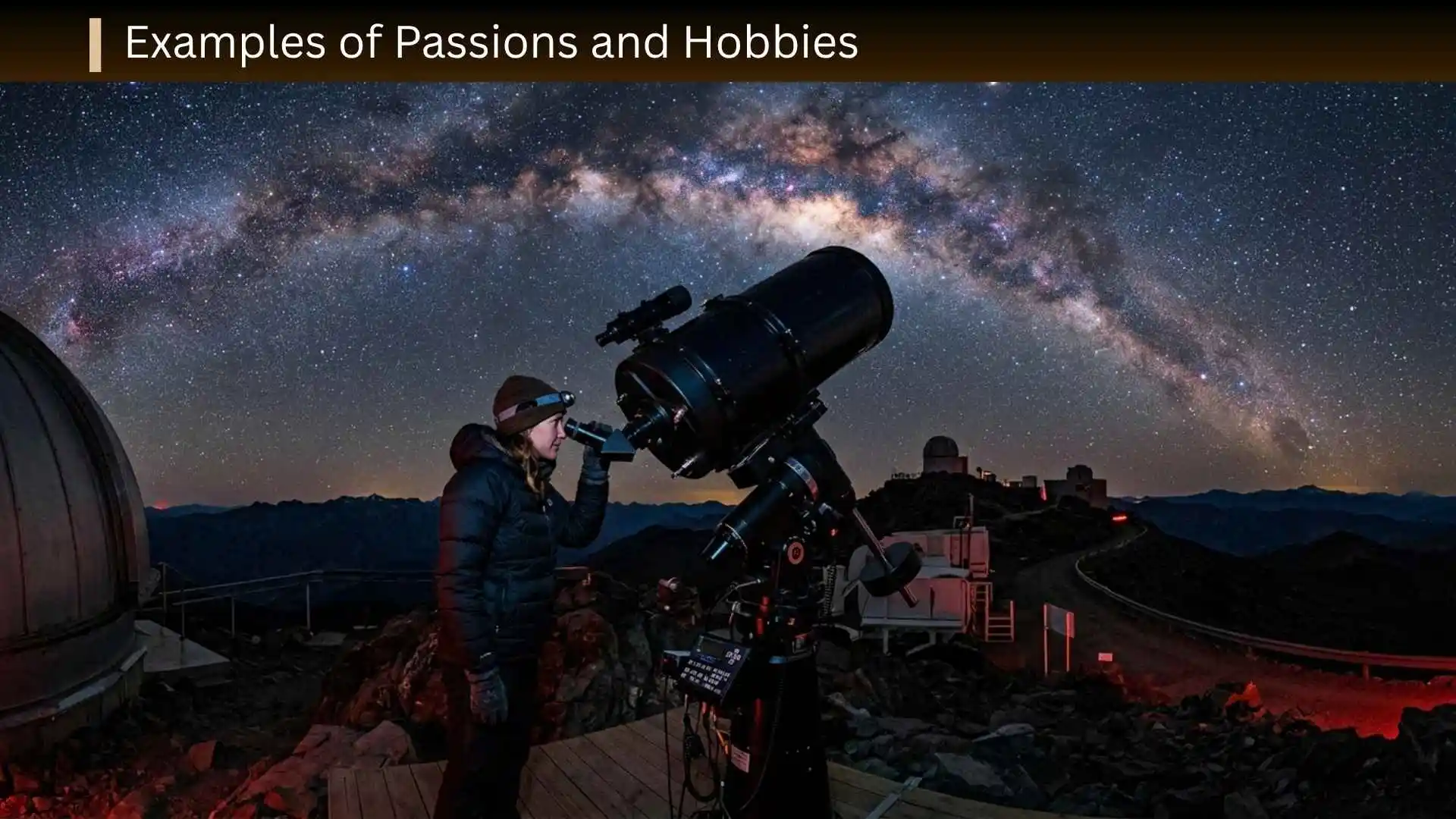
Have you ever wondered why some activities make you lose track of time while others feel like a chore? I believe the difference often comes down to finding something that genuinely excites you. Your passions and hobbies can give you a chance to relax, express yourself, learn new skills, and make your free time more meaningful.
If you’re struggling to figure out what you truly enjoy, you’re not alone. You might love creative activities, sports, reading, cooking, music, collecting, or learning something completely new. In this guide, I’ll share plenty of examples of passions and hobbies to help you discover ideas that match your personality, interests, and lifestyle. Whether you want a relaxing hobby, a creative outlet, a social activity, or something that challenges you, you’ll find options to explore and make your own.
What Is the Difference Between a Passion and a Hobby?
A hobby is an activity you choose to do for enjoyment, recreation, learning, or personal satisfaction. Examples include baking, knitting, hiking, playing chess, or taking photographs.
A passion is a deeper interest or strong enthusiasm for a subject, activity, cause, or pursuit. Someone might have a passion for music, animals, history, technology, writing, or helping other people.
The categories are not mutually exclusive.
For example:
- Reading can begin as a hobby and develop into a passion for literature.
- Gardening can become a passion for horticulture or sustainable growing.
- Photography can develop into a serious creative pursuit.
- Cooking can grow from an occasional activity into a deep interest in food and culinary techniques.
- Playing basketball can become a passion for the sport, coaching, or athletic development.
A useful way to think about it is depth rather than labels. A hobby describes what you do; a passion often describes how strongly you care about it.
100+ Examples of Passions and Hobbies

The following examples are organized by the type of experience they provide. This makes it easier to find ideas that fit your personality rather than simply scanning a random list.
Creative Passions and Hobbies
Creative hobbies are a good fit if you enjoy making, designing, writing, performing, or expressing ideas.
- Drawing — Sketch people, objects, landscapes, or imaginative subjects.
- Painting — Explore watercolor, acrylic, oil, or other painting techniques.
- Photography — Practice composition, lighting, portraits, landscapes, or street photography.
- Creative writing — Write short stories, fiction, personal essays, or other original work.
- Poetry — Experiment with imagery, rhythm, personal expression, and different poetic forms.
- Calligraphy — Practice decorative handwriting and lettering.
- Digital art — Create illustrations and artwork with digital tools.
- Graphic design — Explore typography, layouts, branding, and visual communication.
- Sculpting — Work with clay or other suitable materials to create three-dimensional pieces.
- Ceramics — Make functional or decorative objects from clay.
- Scrapbooking — Combine photographs, paper, writing, and design into memory books.
- Collage making — Create artwork by combining images, textures, paper, and other materials.
- Jewelry making — Design necklaces, bracelets, earrings, or other pieces.
- Sewing — Make clothing, accessories, decorations, or practical household items.
- Embroidery — Decorate fabric with stitched designs.
- Crochet — Create blankets, clothing, accessories, and decorative objects.
- Knitting — Make garments, scarves, blankets, and other textile projects.
- Quilting — Combine fabric pieces into decorative or functional quilts.
- Woodworking — Build or shape wooden objects and furniture.
- Pottery — Learn hand-building or wheel-based pottery techniques.
- Songwriting — Write lyrics and develop original songs.
- Music production — Learn how recorded music is arranged, edited, and produced.
- Playing an instrument — Learn guitar, piano, drums, violin, or another instrument.
- Singing — Develop vocal technique or simply sing for enjoyment.
- Acting — Explore theater, improvisation, or performance.
- Dance — Try ballet, hip-hop, ballroom, salsa, contemporary dance, or other styles.
Creative hobbies can be especially flexible because many can start with basic materials rather than specialized equipment.
Outdoor Passions and Hobbies
Outdoor hobbies are ideal for people who enjoy nature, movement, exploration, or spending time away from screens.
- Hiking — Explore trails while building familiarity with local landscapes.
- Walking — Turn ordinary walks into a regular recreational activity.
- Camping — Learn outdoor skills while spending time in natural environments.
- Birdwatching — Observe and identify birds in parks, forests, wetlands, or neighborhoods.
- Gardening — Grow flowers, herbs, vegetables, or other plants.
- Vegetable gardening — Focus specifically on producing edible crops.
- Nature photography — Photograph landscapes, plants, wildlife, and natural details.
- Fishing — Learn different fishing techniques and spend time outdoors.
- Cycling — Ride recreationally, explore routes, or develop cycling skills.
- Kayaking — Explore suitable lakes, rivers, or coastal areas.
- Canoeing — Enjoy paddling and exploring waterways.
- Geocaching — Combine outdoor exploration with location-based searches.
- Stargazing — Observe the night sky and learn about celestial objects.
- Rock collecting — Identify and collect interesting rocks and minerals where permitted.
- Nature journaling — Combine observation, writing, sketching, and outdoor exploration.
- Outdoor cooking — Experiment with cooking meals outdoors.
- Backpacking — Combine hiking, camping, and longer-distance outdoor travel.
- Golf — Develop technique while enjoying an outdoor recreational activity.
- Disc golf — Play a course using flying discs rather than traditional golf clubs.
Outdoor hobbies can range from almost free activities, such as walking and observing nature, to pursuits requiring specialized equipment.
Intellectual and Learning Based Hobbies
If you enjoy understanding how things work, solving problems, or continually learning, intellectual hobbies may be particularly appealing.
- Reading — Explore fiction, nonfiction, biographies, history, science, or other subjects.
- Learning a language — Study a new language through reading, listening, conversation, or structured courses.
- History research — Explore historical periods, events, people, or local history.
- Genealogy — Research family history using records, archives, and other reliable sources.
- Astronomy — Learn about stars, planets, galaxies, and the wider universe.
- Chess — Develop strategic thinking through a classic board game.
- Crossword puzzles — Practice vocabulary and problem-solving.
- Sudoku — Solve number-placement puzzles.
- Jigsaw puzzles — Work through increasingly complex visual puzzles.
- Learning programming — Build practical skills by writing software or experimenting with code.
- Robotics — Explore programming, electronics, mechanics, and automated systems.
- Science reading — Follow subjects such as biology, physics, chemistry, or environmental science.
- Philosophy — Read and discuss questions about knowledge, ethics, existence, and reasoning.
- Writing research notes — Investigate subjects that interest you and organize what you learn.
- Documentary watching — Use documentaries as a starting point for deeper exploration of subjects.
- Debate — Practice researching arguments and communicating ideas clearly.
- Learning about art — Study artists, artistic movements, techniques, and cultural contexts.
An intellectual hobby does not necessarily require formal classes. Books, libraries, museums, reputable educational resources, and structured practice can all provide ways to explore a subject.
Sports and Active Hobbies
Sports can provide structured goals, skill development, competition, or simply a reason to stay active.
- Running
- Swimming
- Tennis
- Pickleball
- Basketball
- Soccer
- Volleyball
- Baseball or softball
- Golf
- Bowling
- Table tennis
- Cycling
- Ice skating
- Roller skating
- Martial arts
- Rock climbing
- Yoga
- Dance
- Rowing
- Skiing
- Snowboarding
- Disc golf
The best option depends on what you actually enjoy. Someone who dislikes competitive environments may prefer swimming, cycling, hiking, or recreational yoga, while another person may thrive on team sports or competition.
Relaxing Passions and Hobbies
Some hobbies are less about achievement and more about creating enjoyable downtime.
- Reading for pleasure
- Journaling
- Coloring
- Gardening
- Listening to music
- Cooking
- Baking
- Knitting
- Crocheting
- Puzzles
- Watching movies
- Tea appreciation
- Houseplant care
- Meditation or quiet reflection
- Nature observation
- Collecting books
- Scrapbooking
- Model building
A relaxing hobby does not have to be completely passive. Activities such as gardening, knitting, cooking, and model building can require concentration while still providing a slower pace.
Social Passions and Hobbies
If you enjoy meeting people and participating in shared activities, consider hobbies that naturally create opportunities for interaction.
- Volunteering
- Community sports
- Book clubs
- Board game groups
- Choirs
- Dance classes
- Cooking groups
- Photography clubs
- Hiking groups
- Running clubs
- Theater
- Community gardening
- Language exchange groups
- Trivia or quiz events
- Tabletop role-playing games
- Local arts organizations
Social hobbies can be especially useful when the activity itself gives people something to talk about or work on together. That can make interaction feel more natural than attending a social event without a shared purpose.
Solo Passions and Hobbies
Not every hobby needs a group. Solo activities can be a better fit if you prefer independence, quiet environments, or flexible schedules.
Examples include:
- Reading
- Writing
- Drawing
- Painting
- Photography
- Gardening
- Cooking
- Baking
- Coding
- Birdwatching
- Hiking
- Journaling
- Knitting
- Collecting
- Puzzles
- Chess
- Learning a language
- Genealogy
- Astronomy
- Model building
- Digital art
- Music practice
Many hobbies can also switch between solo and social formats. Photography, for example, can be practiced alone while also providing opportunities to join a photography group or attend workshops.
Hobbies for People Who Like Making Things
If the satisfaction comes from finishing something tangible, consider:
- Woodworking
- Pottery
- Sewing
- Knitting
- Crochet
- Jewelry making
- Candle making
- Model building
- Furniture restoration
- Leathercraft
- Painting
- Sculpting
- Baking
- Cooking
- Gardening
- DIY home projects
- Paper crafts
- Quilting
- Embroidery
- 3D printing
These hobbies have an important advantage: they give you a visible result that can help you track your progress.
Hobbies for Curious People
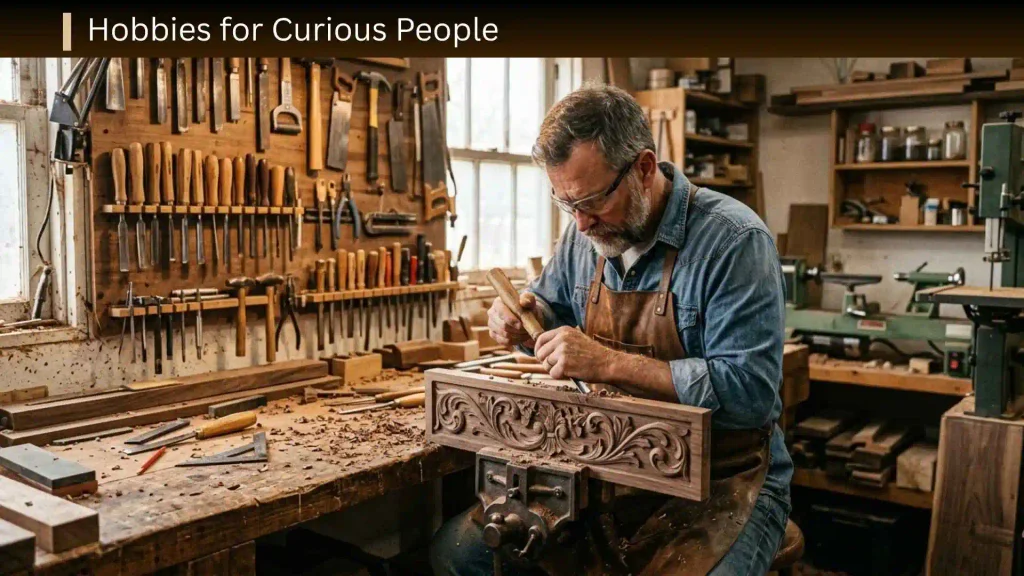
Some people are motivated less by making things and more by answering questions.
Good examples include:
- Astronomy
- History
- Genealogy
- Birdwatching
- Geology
- Language learning
- Philosophy
- Science
- Local history
- Archaeology reading
- Museum visits
- Documentary research
- Map exploration
- Nature identification
- Cultural studies
Curiosity can also turn an ordinary activity into a deeper hobby. For example, someone who enjoys hiking might become interested in geology, local ecology, plants, maps, or wildlife.
Hobbies That Can Develop Into Serious Skills
A hobby does not have to remain purely recreational. Some activities can develop substantial skills over time.
| Hobby | Skills You Can Develop | Possible Direction |
| Photography | Composition, lighting, editing | Creative projects or photography services |
| Writing | Research, storytelling, editing | Publishing, blogging, content work |
| Cooking | Food preparation, planning, technique | Culinary projects or food business |
| Coding | Programming, problem-solving | Software projects |
| Graphic design | Visual communication, layout | Design projects |
| Woodworking | Measurement, construction, finishing | Advanced projects or custom work |
| Music | Performance, theory, composition | Performing or producing |
| Gardening | Plant care, planning, cultivation | Advanced gardening or horticulture |
| Sewing | Pattern reading, construction | Garment or textile projects |
| Video editing | Storytelling, editing, production | Video projects |
Skill development does not automatically mean a hobby should become a career. One advantage of hobbies is that you can pursue mastery without needing to monetize the activity.
Hobbies That Can Potentially Be Monetized
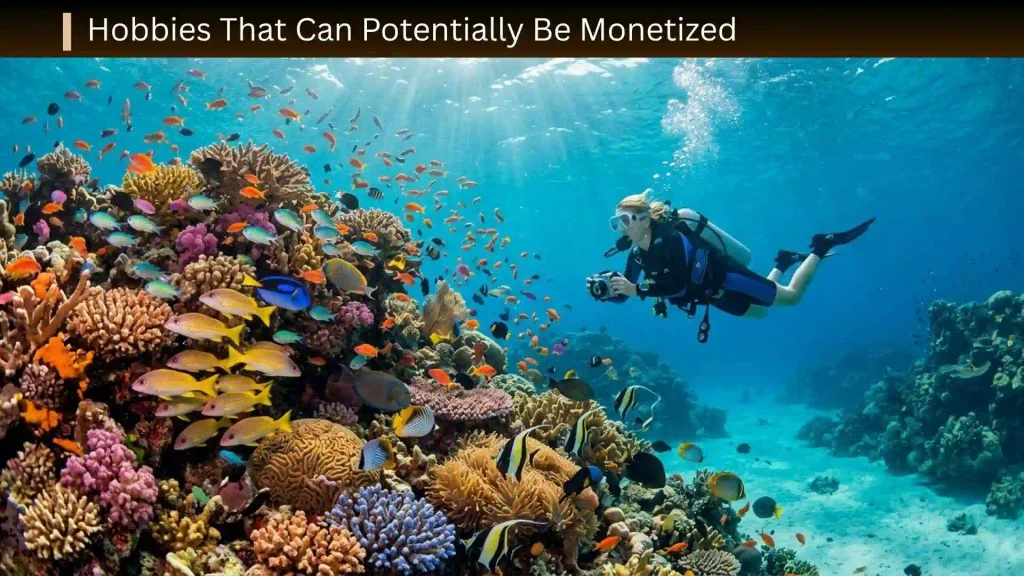
Some hobbies can eventually become side-income opportunities, although earning money depends on skill, demand, competition, pricing, consistency, and other factors.
Potential examples include:
- Photography
- Writing
- Graphic design
- Illustration
- Sewing
- Jewelry making
- Woodworking
- Baking
- Cooking
- Crafting
- Music production
- Video editing
- Web development
- 3D printing
- Art
- Teaching a skill you have developed
There is an important difference between having a hobby that you enjoy and running a business based on that hobby. Once money becomes involved, you may need to think about customers, pricing, marketing, taxes, equipment, deadlines, and business expenses.
For that reason, not every enjoyable hobby needs to be monetized.
How to Choose a Passion or Hobby
If the list feels overwhelming, start by identifying what you want the activity to provide.
If you want to be more creative
Try:
- Drawing
- Painting
- Photography
- Writing
- Music
- Pottery
- Sewing
- Digital art
If you want to spend more time outdoors
Try:
- Hiking
- Gardening
- Cycling
- Fishing
- Birdwatching
- Camping
- Kayaking
- Stargazing
If you want to keep learning
Try:
- Reading
- Language learning
- Astronomy
- History
- Genealogy
- Programming
- Chess
- Philosophy
If you want more social interaction
Try:
- Team sports
- Book clubs
- Dance classes
- Volunteering
- Choirs
- Board game groups
- Hiking clubs
- Community projects
If you want a quiet solo activity
Try:
- Reading
- Journaling
- Drawing
- Gardening
- Puzzles
- Knitting
- Photography
- Cooking
- Model building
If you want to make something tangible
Try:
- Woodworking
- Pottery
- Baking
- Sewing
- Jewelry making
- Crochet
- Painting
- Gardening
How Do You Know If a Hobby Could Become a Passion?
You do not need to feel an immediate, dramatic sense of passion.
A hobby may gradually become a deeper interest when you:
- Look forward to doing it.
- Want to learn more about it.
- Naturally spend more time practicing it.
- Become curious about its techniques or history.
- Enjoy improving even when the activity is challenging.
- Think about new projects when you are not doing it.
- Want to connect with other people who share the interest.
- Feel motivated to continue without needing external rewards.
At the same time, it is perfectly acceptable for a hobby to remain casual. Not every interest needs to become a major passion, career, or lifelong pursuit.
How to Find a Hobby When You Have No Idea What You Like
Instead of trying to identify your “one true passion,” experiment with different categories.
Choose one activity from each group:
- Creative: drawing or photography
- Physical: walking, swimming, or cycling
- Intellectual: chess or learning a language
- Outdoor: gardening or hiking
- Social: volunteering or a group class
- Hands-on: cooking, woodworking, or crafting
- Quiet: reading or journaling
Give yourself enough time to understand what you actually enjoy rather than judging an activity after one attempt.
Pay attention to three things:
Enjoyment: Did you genuinely like the process?
Curiosity: Did the activity make you want to learn more?
Repeatability: Would you willingly do it again?
Those questions are often more useful than asking whether a hobby sounds impressive.
How to Describe Your Passions and Hobbies
If you are describing your hobbies in conversation, a profile, application, or other context, avoid simply listing activities without explanation.
Instead of:
“Photography, hiking, and reading.”
You can make the description more informative:
“I enjoy landscape photography, hiking local trails, and reading books about history and science.”
This gives the reader a clearer picture of what you actually enjoy.
If You Are Listing Hobbies on a Resume
Hobbies and interests can sometimes provide additional context about a candidate, but they are most useful when they are relevant, genuine, current, and able to add something that is not already obvious from the rest of the resume. Career guidance sources commonly distinguish regular activities such as sports or photography from broader interests such as technology or culture.
For example, instead of writing:
“Sports”
you could write:
“Recreational tennis and volunteer youth coaching”
if that accurately describes your experience.
The goal should be clarity and relevance rather than trying to make an ordinary hobby sound impressive.
A Simple Passion-and-Hobby Matching Guide
| If You Enjoy… | Consider These Hobbies |
| Creating things | Painting, woodworking, pottery, sewing |
| Being outdoors | Hiking, gardening, camping, birdwatching |
| Learning | Reading, languages, astronomy, history |
| Competition | Chess, tennis, basketball, gaming |
| Quiet time | Reading, journaling, knitting, puzzles |
| Meeting people | Volunteering, clubs, dance, team sports |
| Technology | Coding, digital art, robotics, video editing |
| Animals | Birdwatching, animal care, wildlife photography |
| Food | Cooking, baking, gardening |
| Collecting | Books, coins, stamps, records, memorabilia |
| Performing | Singing, acting, dancing, music |
| Problem-solving | Chess, puzzles, programming, model building |
What Makes a Good Hobby?
A good hobby is not necessarily the most impressive, productive, difficult, or expensive one.
A good hobby is one that fits your circumstances and gives you a reason to return to it.
Consider:
- Interest: Does the subject genuinely appeal to you?
- Time: Can you realistically fit it into your schedule?
- Cost: Can you afford the equipment and ongoing expenses?
- Space: Can you do it where you live?
- Access: Are the necessary facilities, materials, or locations available?
- Social preference: Do you want to do it alone or with others?
- Difficulty: Are you comfortable with the learning curve?
- Motivation: Does the activity itself feel worthwhile to you?
You do not need to optimize every factor. The goal is to find something sustainable enough that you will actually continue doing it.
Frequently Asked Questions
What are some examples of passions and hobbies?
Examples include reading, writing, photography, painting, cooking, baking, gardening, hiking, cycling, music, dancing, sports, gaming, crafting, woodworking, collecting, volunteering, learning languages, genealogy, and astronomy.
What is the difference between a hobby and a passion?
A hobby is generally an activity you pursue during your free time for enjoyment or personal interest. A passion usually refers to a stronger or deeper enthusiasm for an activity, subject, cause, or pursuit. A hobby can become a passion as your interest develops.
Can a hobby become a passion?
Yes. Someone may begin an activity casually and gradually develop a stronger interest as they gain experience, learn more, and become more invested in the subject.
What are good hobbies for beginners?
Good beginner hobbies include walking, reading, cooking, photography with a smartphone, gardening, drawing, journaling, puzzles, cycling, baking, and learning a language. The best choice depends on your interests, available time, budget, and environment.
What are examples of creative hobbies?
Creative hobbies include painting, drawing, photography, creative writing, poetry, pottery, sewing, knitting, crochet, jewelry making, woodworking, music, dance, acting, digital art, and graphic design.
What are examples of hobbies that can become passions?
Almost any meaningful hobby can become a passion. Photography, gardening, cooking, music, writing, sports, astronomy, history, woodworking, and language learning are examples where casual interest can develop into deeper study or skill development.
How many hobbies should a person have?
There is no ideal number. Some people prefer one main hobby, while others enjoy several activities serving different purposes, such as one creative hobby, one physical activity, and one relaxing pastime.
Do hobbies need to be productive?
No. A hobby does not have to produce money, improve your career, or create a measurable achievement. Enjoyment and personal interest are legitimate reasons to pursue an activity.
Conclusion
The best examples of passions and hobbies are not necessarily the most unusual ones. Reading, gardening, photography, cooking, hiking, music, sports, crafts, learning, and countless other activities can become meaningful parts of life when they genuinely match your interests.
If you are unsure where to start, choose a few activities from different categories and experiment. You may discover that something you initially considered a simple pastime becomes a skill you want to develop—or even a deeper passion.
The goal is not to find the “perfect” hobby immediately. It is to find activities that make you curious enough to keep exploring.

I’m Ethan Mitchell, a curious writer who enjoys turning complex ideas into simple, useful information. At Cognivoora, I focus on creating clear and engaging content that readers can understand and apply in everyday life. I believe good writing should educate, answer real questions, and leave readers with something valuable to remember.
Books:
- The Everyday Mind
- Simple Ideas, Better Thinking