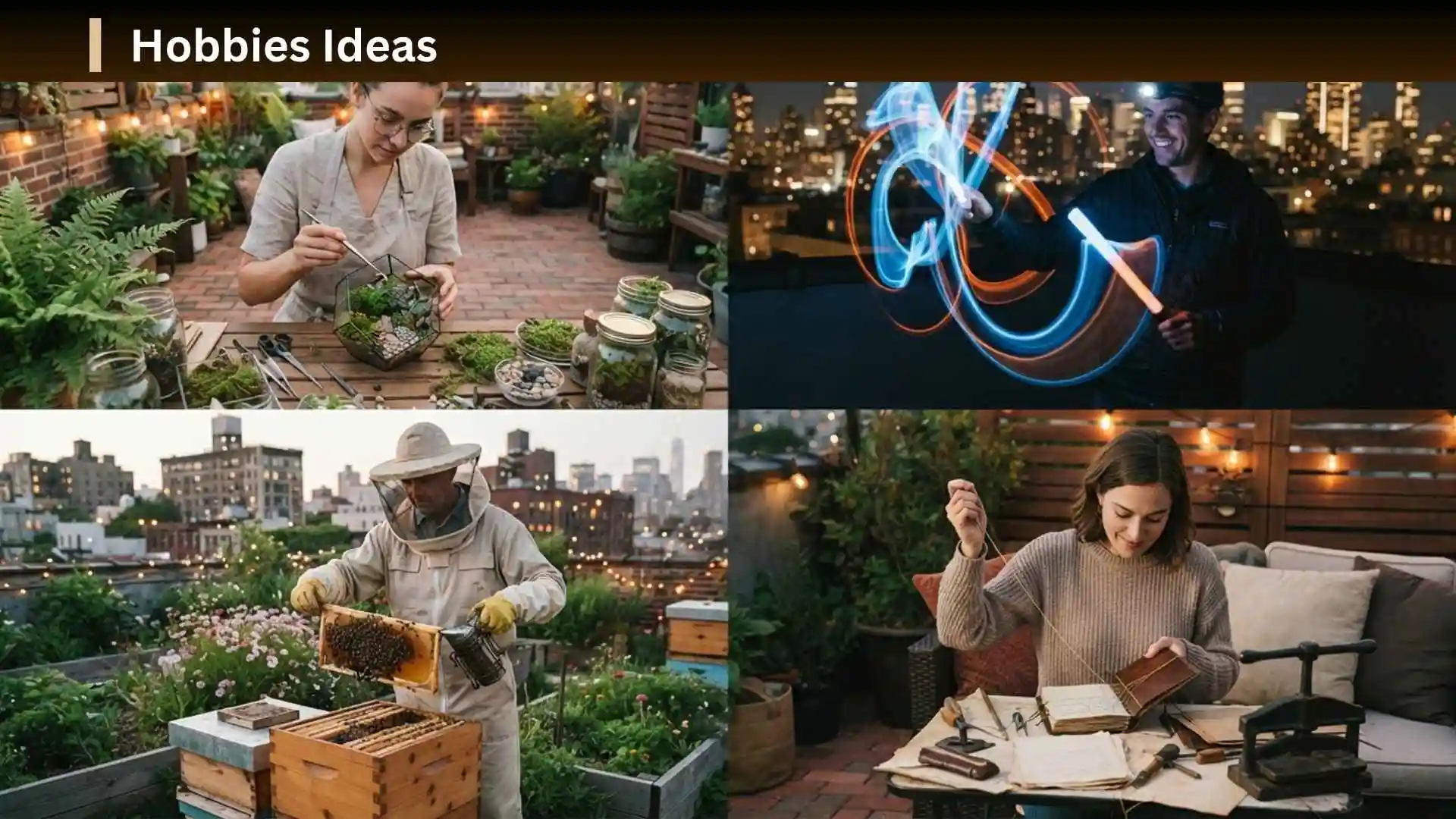
Finding the right hobby can make free time more enjoyable, help you learn something new, and give you a reason to step away from everyday routines. The best hobbies ideas are not necessarily expensive or complicated—they are activities that match your interests, available time, space, and budget.
Whether you want a relaxing hobby at home, a creative activity, something outdoors, or a skill you can develop over time, there are plenty of options to explore.
What Are Some Good Hobby Ideas (Quick Answer)
Some popular hobby ideas include reading, photography, gardening, cooking, baking, painting, drawing, knitting, woodworking, hiking, birdwatching, fishing, journaling, playing an instrument, puzzles, collecting, volunteering, and learning a new language.
The right choice depends on what you want from your hobby. For example, choose reading or puzzles for quiet relaxation, hiking or cycling for physical activity, and painting or crafts for creative expression.
How to Choose the Right Hobby

You do not need to pick the first hobby that sounds interesting. A simple way to narrow your choices is to consider four things:
- What do you enjoy? Think about subjects, activities, or skills that naturally catch your attention.
- How much time do you have? Some hobbies work in 10–20 minute sessions, while others require several hours.
- What is your budget? Many hobbies can be started with things you already have.
- Where will you do it? Consider whether you need a home workspace, outdoor space, transportation, or a local community.
It is also completely fine to try several hobbies before settling on one.
Creative Hobbies Ideas
Creative hobbies give you a way to make, design, write, or express something rather than simply consume entertainment.
1. Drawing
Drawing is one of the easiest creative hobbies to start. You can begin with a pencil and paper and gradually explore sketching, portraits, landscapes, cartoons, or digital illustration.
2. Painting
Try watercolor, acrylic, gouache, or oil painting depending on your interests and workspace. Beginners can start with simple subjects such as flowers, landscapes, or abstract designs.
3. Photography
Photography turns everyday surroundings into opportunities for creative exploration. You can practice composition, lighting, portraits, nature photography, architecture, or street scenes.
A smartphone is enough to begin learning the fundamentals.
4. Creative Writing
Writing short stories, poetry, personal essays, or fictional scenes can be a rewarding way to develop imagination and communication skills.
5. Journaling
Journaling can be as simple as writing a few thoughts each day. You can also experiment with gratitude journals, travel journals, reading journals, or illustrated journals.
6. Calligraphy and Hand Lettering
If you enjoy typography and detailed work, calligraphy can become a relaxing skill-based hobby. Start with basic lettering before moving into decorative compositions.
7. Scrapbooking
Scrapbooking combines photographs, paper, lettering, decorations, and personal memories. It can be especially enjoyable for documenting vacations, celebrations, family events, or milestones.
8. Origami
Origami requires relatively little space and equipment. Paper folding ranges from simple beginner shapes to highly detailed models.
9. Pottery
Pottery lets you work with clay to create functional or decorative objects. If you do not have access to a kiln, look for community studios or classes that provide equipment.
10. Jewelry Making
Beading, wirework, polymer clay, and simple jewelry assembly offer many ways to create necklaces, bracelets, earrings, and decorative pieces.
Hobbies Ideas to Do at Home
Some hobbies are particularly convenient when you want something you can enjoy without leaving the house.
| Hobby | Space Needed | Beginner Cost | Typical Session |
| Reading | Very little | Low | 20–60 minutes |
| Puzzles | Small table | Low–moderate | 30–120 minutes |
| Drawing | Small desk | Low | 15–60 minutes |
| Baking | Kitchen | Low–moderate | 1–3 hours |
| Journaling | Very little | Low | 10–30 minutes |
| Knitting | Small space | Low–moderate | 20–90 minutes |
| Indoor gardening | Small area | Low–moderate | 15–45 minutes |
| Learning an instrument | Dedicated area helpful | Moderate | 15–60 minutes |
| Model building | Table/workspace | Moderate | 30–120+ minutes |
| Digital art | Desk | Low–moderate | 30–120 minutes |
Costs vary depending on the equipment, materials, and quality level you choose.
Relaxing Hobbies Ideas
If your main goal is to unwind, consider hobbies that allow you to concentrate on one enjoyable activity without demanding constant multitasking.
Reading
Fiction, nonfiction, biographies, history, mysteries, science fiction, and many other genres provide endless possibilities.
Puzzles
Jigsaw puzzles, crossword puzzles, Sudoku, logic puzzles, and word games can provide quiet entertainment.
Coloring
Adult coloring books offer a simple creative activity without requiring advanced drawing skills.
Knitting
Knitting combines repetition and creativity. Beginners can start with simple scarves, dishcloths, or other basic projects.
Gardening
Caring for plants can turn a small indoor or outdoor space into an ongoing hobby. You can grow houseplants, herbs, flowers, vegetables, or container gardens.
Listening to and Exploring Music
Instead of simply playing music in the background, try exploring different artists, genres, albums, instruments, or musical traditions.
Outdoor Hobbies Ideas
Outdoor hobbies can encourage you to explore parks, trails, neighborhoods, lakes, beaches, and other natural environments.
Hiking
Hiking can range from easy local trails to challenging backcountry routes. Start with terrain appropriate for your experience and prepare for weather and trail conditions.
Cycling
Cycling can be recreational, social, fitness-oriented, or focused on exploring new places.
Birdwatching
Birdwatching combines outdoor exploration with observation. A pair of binoculars and a bird identification guide or app can help beginners get started.
Fishing
Fishing offers a slower-paced outdoor activity and can become a long-term hobby involving different techniques, locations, and species.
Kayaking
Kayaking can be a peaceful way to spend time on suitable lakes, rivers, or coastal waters. Beginners should learn basic water-safety practices and use appropriate equipment.
Camping
Camping can be as simple as an organized campground trip or as involved as backcountry camping. Beginners may find established campgrounds easier to manage.
Geocaching
Geocaching combines outdoor exploration with a location-based treasure-hunting experience.
Nature Photography
You can combine photography with hiking or nature walks by photographing plants, landscapes, insects, wildlife, or changing seasons.
Hobbies Ideas for Adults
Adults often need hobbies that fit around work, family, and other responsibilities. Flexible activities are therefore particularly practical.
Consider:
- Reading
- Cooking
- Baking
- Gardening
- Photography
- Painting
- Drawing
- Woodworking
- Home brewing of non-alcoholic beverages
- Sewing
- Knitting
- Learning an instrument
- Language learning
- Chess
- Golf
- Hiking
- Cycling
- Fishing
- Volunteering
- Collecting
- Genealogy
- Creative writing
- Home organization projects
- Model building
The best hobby is usually one you can realistically continue rather than one that requires more time than you have available.
Cheap Hobbies Ideas
You do not need a large budget to develop an enjoyable hobby.
Low Cost Options
- Reading library books
- Walking
- Hiking
- Journaling
- Drawing
- Creative writing
- Birdwatching
- Photography with a smartphone
- Origami
- Sketching
- Puzzles
- Learning a language through free resources
- Cooking with ingredients you already use
- Volunteering
- Stargazing
- Nature observation
A useful strategy is to start with the minimum equipment necessary. If you enjoy the activity consistently, you can upgrade your supplies later.
Hobbies Ideas for Seniors
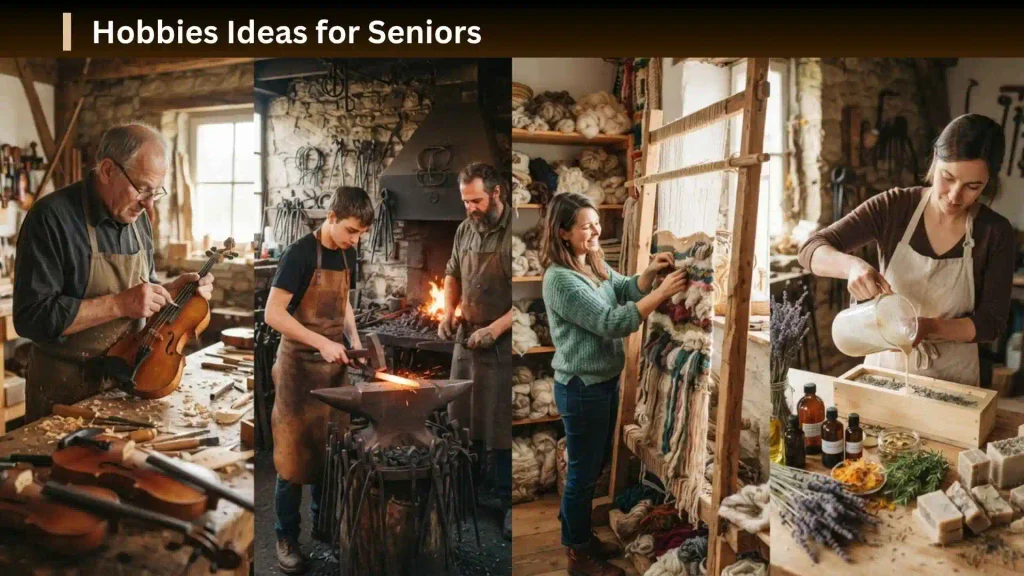
Hobbies for older adults can include creative, intellectual, social, and low-impact activities. The best choice depends on individual interests and abilities.
Good options include:
- Gardening
- Birdwatching
- Reading
- Painting
- Photography
- Knitting
- Quilting
- Puzzles
- Genealogy
- Chess
- Writing
- Cooking
- Baking
- Collecting
- Music
- Volunteering
- Learning new subjects
- Walking
- Crafting
Social versions of hobbies can also provide opportunities to meet people, such as joining a book club, gardening group, craft circle, or community class.
Hobbies Ideas for Teens
Teenagers can use hobbies to explore interests, develop skills, and spend free time creatively.
Some possibilities include:
- Digital art
- Photography
- Drawing
- Creative writing
- Coding
- Robotics
- Skateboarding
- Cycling
- Cooking
- Baking
- Playing an instrument
- Singing
- Chess
- Gaming
- Video editing
- Animation
- Gardening
- Sports
- Reading
- Volunteering
- Model building
A hobby does not have to become a career skill to be worthwhile. Enjoyment and exploration are valuable reasons to pursue one.
Hobbies Ideas for Kids
Children often benefit from hobbies that let them explore, build, create, move, and experiment.
Ideas include:
- Drawing
- Coloring
- Painting
- Lego building
- Puzzles
- Reading
- Gardening
- Baking with adult supervision
- Simple crafts
- Origami
- Collecting rocks or leaves
- Nature walks
- Birdwatching
- Dancing
- Playing an instrument
- Building models
- Board games
- Sports
For younger children, choose activities appropriate for their age and supervise activities involving tools, heat, small parts, or other potential hazards.
Social Hobbies Ideas
If you want a hobby that helps you meet people, choose an activity with a natural community around it.
Book Clubs
Book clubs combine reading with conversation and social interaction.
Community Sports
Recreational leagues can make exercise more social and give you a regular activity to look forward to.
Volunteering
Volunteering allows you to spend time contributing to a community organization while meeting people who share an interest in the cause.
Board Games
Board games offer options ranging from casual party games to strategic games that can take hours to play.
Dance
Social dance styles can combine physical activity, music, and community.
Craft Groups
Knitting circles, quilting groups, pottery classes, and other craft communities can turn an individual hobby into a social activity.
Skill Building Hobbies Ideas
Some hobbies are especially useful when your goal is to learn something new.
| Hobby | Skills You Can Develop |
| Cooking | Food preparation, planning, technique |
| Photography | Composition, lighting, visual storytelling |
| Coding | Logic, problem-solving, programming |
| Woodworking | Measurement, design, tool use |
| Sewing | Construction, pattern reading, design |
| Gardening | Plant care, planning, observation |
| Music | Rhythm, technique, musical theory |
| Drawing | Observation, proportion, visual communication |
| Language learning | Vocabulary, listening, communication |
| Chess | Strategy, planning, pattern recognition |
Learning-focused hobbies can be particularly satisfying because progress becomes visible over time.
Hobbies That Can Become Creative Projects
A hobby becomes more engaging when you have a project to work toward.
Instead of simply saying, “I want to learn photography,” choose a project such as:
- Photographing local architecture
- Creating a seasonal photo collection
- Documenting a hiking trail
- Learning portrait photography
- Creating a photo book
Likewise, a person interested in writing could create short stories, a personal blog, a collection of poems, or a fictional world.
Projects give hobbies direction without turning them into obligations.
Hobbies Ideas Based on Your Personality
There is no scientifically fixed personality-to-hobby formula, but your preferences can provide a useful starting point.
If You Like Quiet Activities
Try:
- Reading
- Journaling
- Drawing
- Puzzles
- Knitting
- Model building
- Gardening
- Writing
If You Like Being Active
Try:
- Hiking
- Cycling
- Swimming
- Dancing
- Kayaking
- Recreational sports
- Walking
- Camping
If You Like Making Things
Try:
- Woodworking
- Pottery
- Sewing
- Baking
- Jewelry making
- Painting
- Model building
- Crafts
If You Like Learning
Try:
- Language learning
- History
- Astronomy
- Chess
- Music
- Coding
- Genealogy
- Cooking techniques
If You Like Being Around People
Try:
- Team sports
- Book clubs
- Board games
- Volunteering
- Dance
- Community classes
- Photography groups
- Craft groups
How Much Should You Spend on a New Hobby?
There is no need to make a large investment at the beginning.
A practical approach is:
- Research the basic equipment.
- Buy or borrow only what you need to begin.
- Try the hobby several times.
- Decide whether you genuinely enjoy it.
- Upgrade equipment only when it solves a real problem.
This prevents a common mistake: spending a lot of money on equipment before knowing whether the hobby fits you.
How to Turn a Hobby Into a Habit
Finding a hobby is one thing; continuing it is another.
Try these strategies:
- Set aside a consistent time each week.
- Keep supplies somewhere easy to access.
- Begin with short sessions.
- Choose small projects.
- Track progress if that motivates you.
- Join a group or community when appropriate.
- Avoid making every session performance-focused.
- Give yourself permission to experiment.
A hobby should generally feel like something you want to do, not another task on an already crowded schedule.
What If You Keep Getting Bored With Hobbies?
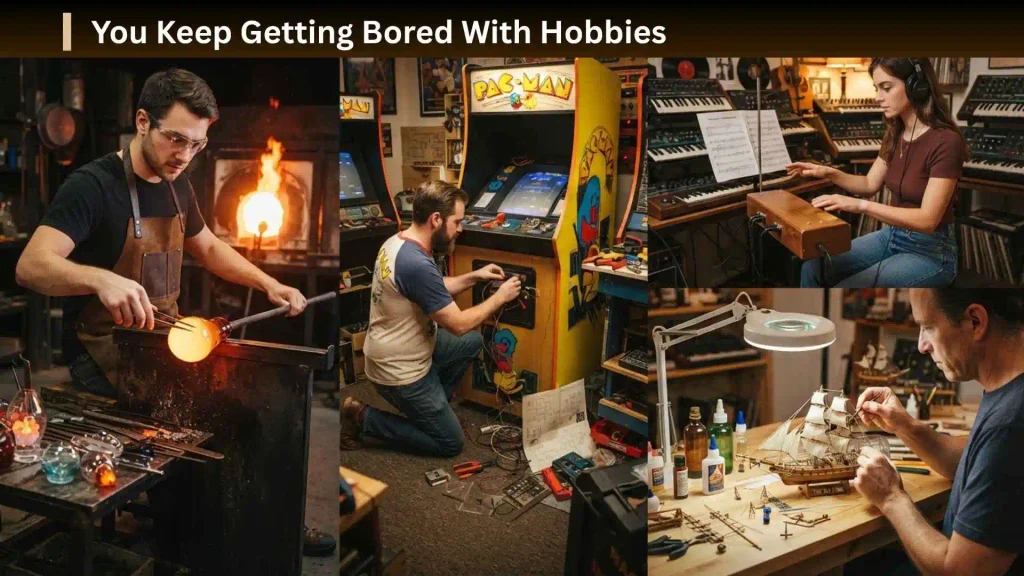
You may not have a problem with hobbies—you may simply be choosing activities that do not match your interests.
Try changing one variable at a time:
- Switch from solo to social activities.
- Move from indoor to outdoor hobbies.
- Choose a creative activity instead of a passive one.
- Try a skill-based hobby with measurable progress.
- Choose short projects rather than open-ended activities.
- Explore a completely different category.
You can also maintain several hobbies. One might be relaxing, another social, and another focused on learning.
A Simple Hobby Experiment
If you are unsure where to begin, try a three-hobby experiment.
Choose:
- One creative hobby — such as drawing or photography.
- One active hobby — such as hiking or cycling.
- One learning hobby — such as cooking, chess, or a language.
Spend a few sessions with each. Afterward, ask:
- Did I look forward to doing it?
- Did I enjoy the process, not just the result?
- Was it convenient?
- Did the cost feel reasonable?
- Would I voluntarily do it again?
The hobby that receives the strongest answers is a good candidate to continue.
Frequently Asked Questions
What are the best hobbies ideas for beginners?
Good beginner hobbies include reading, walking, drawing, photography, gardening, cooking, journaling, puzzles, baking, and learning a musical instrument. Start with something that matches your interests and requires little initial investment.
What is a good hobby to start at home?
Reading, drawing, painting, baking, cooking, journaling, knitting, puzzles, indoor gardening, writing, and digital art are all suitable home-based hobbies.
What are some cheap hobbies?
Walking, reading library books, journaling, drawing, writing, nature observation, hiking, origami, birdwatching, and smartphone photography can all be started relatively inexpensively.
What hobby can I do in my spare time?
Choose a hobby that fits the amount of time you actually have. Reading, sketching, journaling, puzzles, photography, language practice, and short gardening sessions can work well when your schedule is unpredictable.
How do I find a hobby I actually enjoy?
Try several different activities rather than searching for one perfect hobby. Experiment with creative, active, social, and learning-focused options, then continue with the activities you naturally want to return to.
Can I have more than one hobby?
Absolutely. Having multiple hobbies can work well when each serves a different purpose. For example, you might read for relaxation, hike for outdoor activity, and cook when you want a creative project.
Are hobbies supposed to be productive?
No. A hobby does not need to produce money, improve your résumé, or create a measurable achievement. Enjoyment, curiosity, relaxation, creativity, and social connection are all valid reasons to have a hobby.
Conclusion
The best hobbies ideas are the ones that fit your interests, lifestyle, budget, and available time. You might prefer a quiet activity such as reading or puzzles, a creative pursuit such as painting or photography, an outdoor hobby such as hiking, or a skill-building activity such as cooking or learning an instrument.
You do not have to find the perfect hobby immediately. Start small, experiment with different activities, and pay attention to what makes you want to come back. A hobby becomes valuable when it adds something enjoyable and meaningful to your everyday life.

I’m Sophia Carter, a writer who enjoys discovering interesting ideas and transforming them into helpful content. At Cognivoora, I write with a simple goal: to make information clearer, more accessible, and genuinely useful for readers. I value thoughtful research, easy explanations, and content that people can trust and return to whenever they need it.
Books:
- The Knowledge Journey
- Understanding the World Around Us